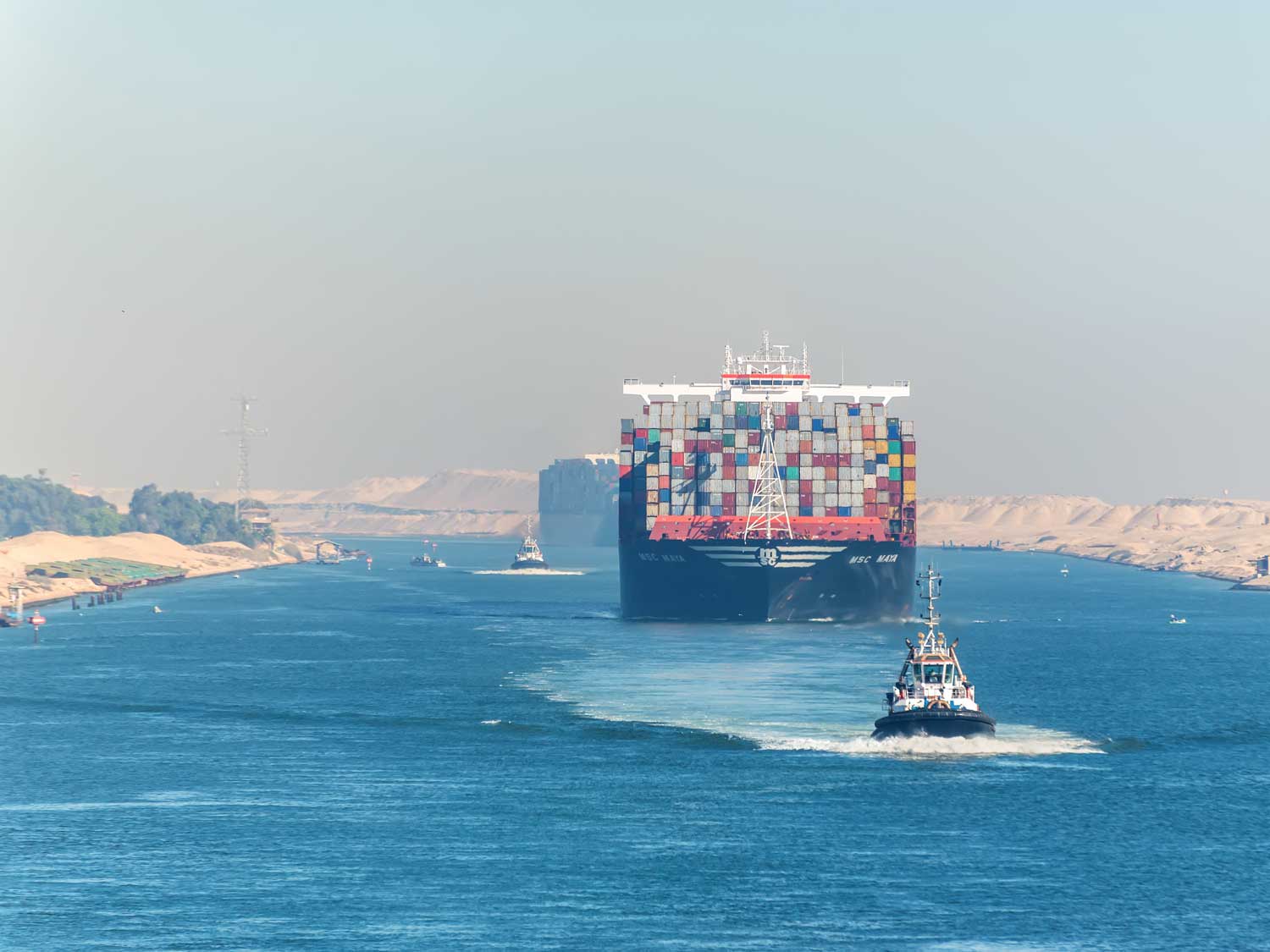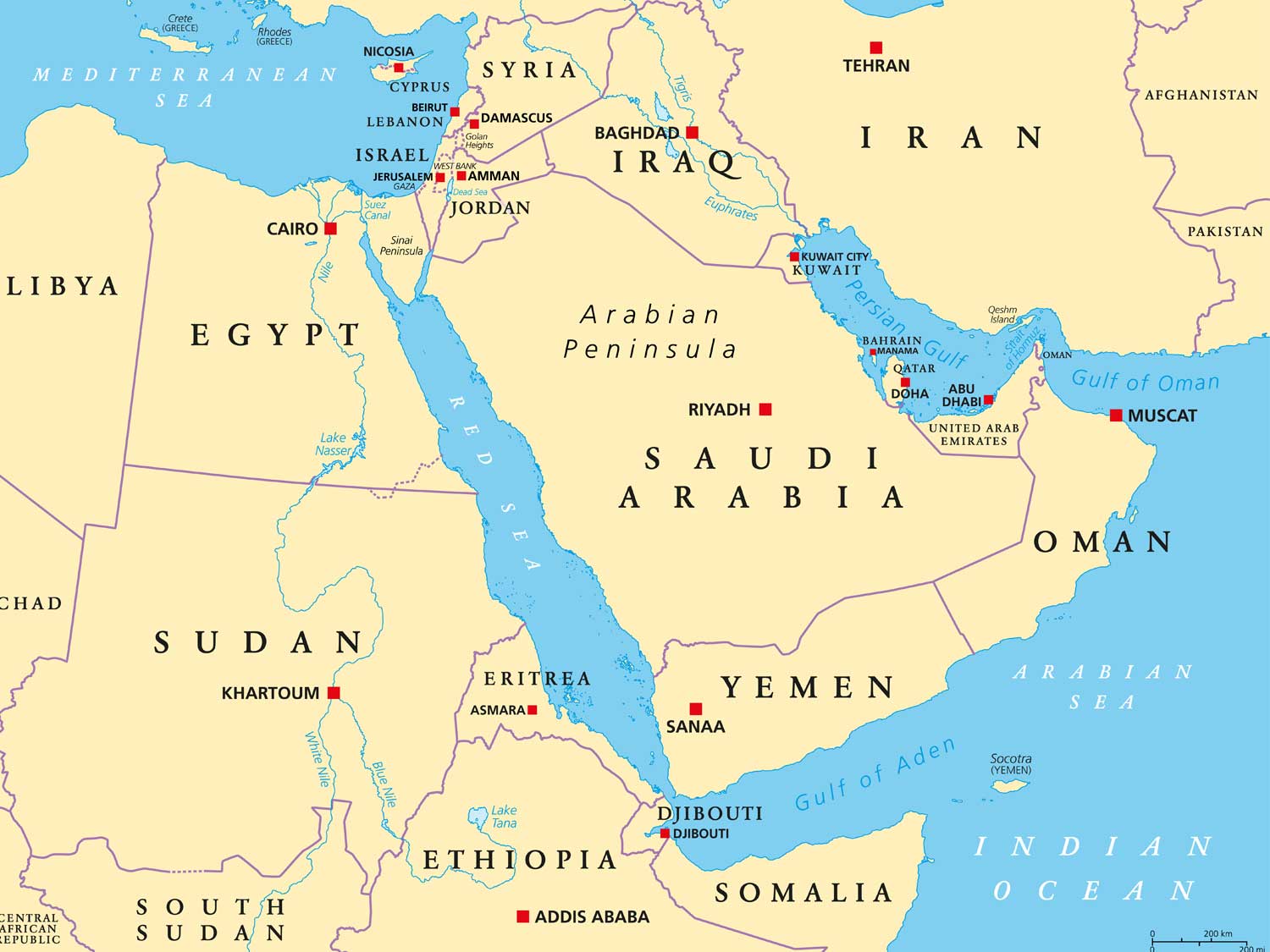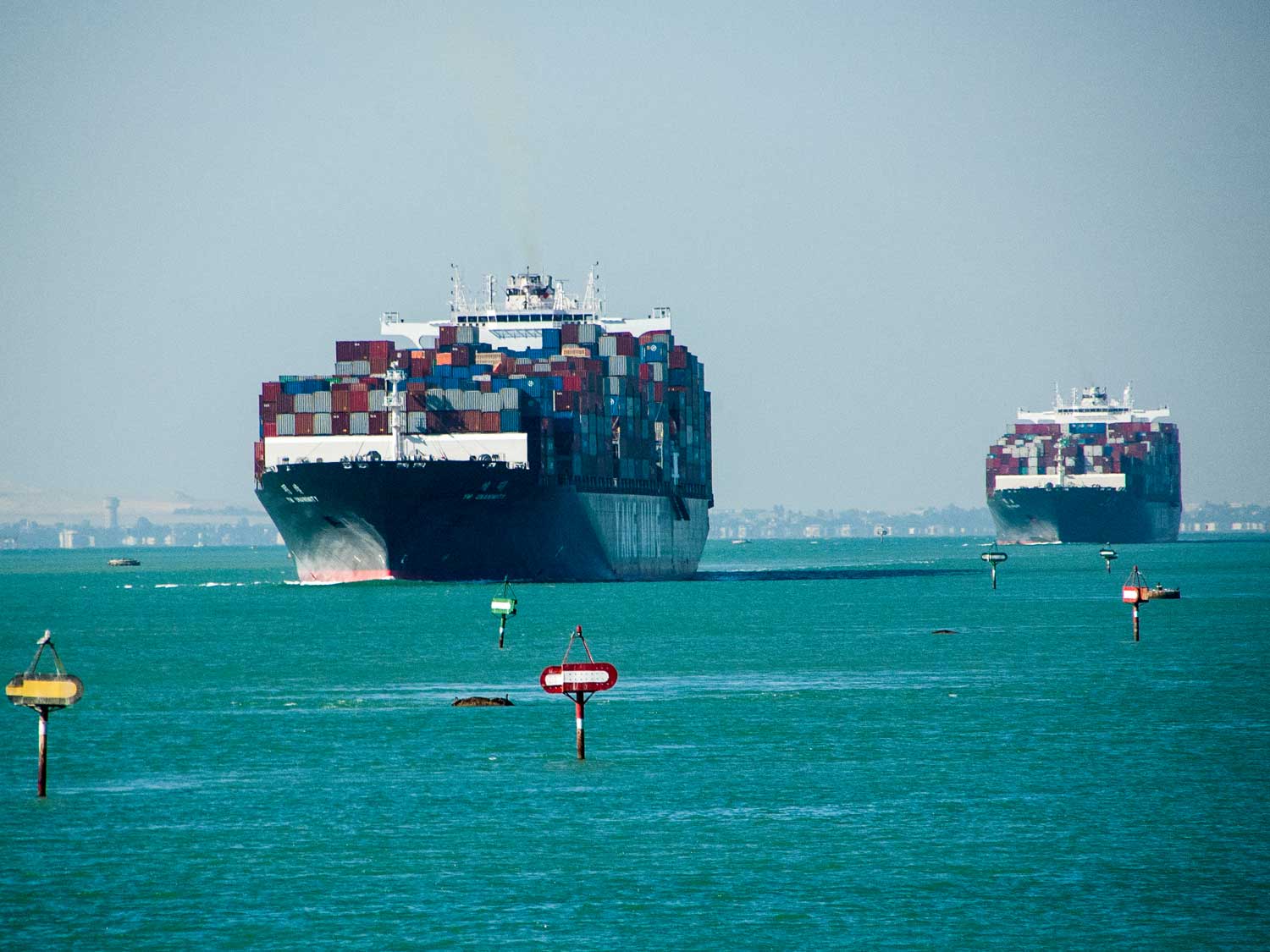
In our 2023 supply chain review we said that we were hopeful that the formation of a coalition naval task force to patrol the southern Red Sea and Gulf of Aden would restore maritime security quickly, but Sunday’s two attacks on the Maersk Hangzhou suggest it could be some time before the route is secure enough for container shipping.
Having halted Suez transits after Sunday’s attack Maersk has now announced that it will pause all sailings through the Red Sea until further notice.
The earlier targeting of vessels tied to Israel has clearly ended, putting any ship, regardless of their nation status in danger and while the coalition forces are successful in intercepting air-based weapons, without a protection regime that guarantees freedom of navigation through the Gulf of Aden and Red Sea, container shipping lines will continue to divert around the Cape of Good Hope route, adding 3,500 miles and 10-14 days transit.
With Iran providing a steady supply of drones and missiles the Houthis can keep up the pace of attacks indefinitely, which means the cost of maintaining a naval presence will rapidly rise into billions of dollars, with spot rates for North Asia to Europe and the Med more than doubling over the past week.
The supply chain disruption being generated by this evolving situation is already spreading and extremely concerning, as we see many similarities with the recently experienced pandemic chaos. Some of the things to consider before they actually occur are as follows :-
With this crisis unfolding during the global slowdown and pause in working over the festive break, it will be interesting to see how businesses react, as the reality and additional costs become apparent.
What’s the impact going to be on air freight once shippers realise components, stock and inventory needed for is manufacturing running low, along with the clash with CNY, which starts early in February.
Both shipping lines and air carriers will increase rates to cope with increased demand from Asia to Europe and the USA, with a peak season to replace the subdued one last year.
If you have any questions for Metro or require advice and assistance on priority shipments in January and February please highlight these and we will put under scrutiny and advise all options available as we anticipate this situation will now extend for a minimum of three months, with the impact that has already occurred so it will be a challenge for some time.
Emerging issues include:
RATES
Spot rates and insurance costs are rising rapidly on all affected trades. However, rates on unrelated trades (eg Transatlantic or India to Australia) are also increasing as operational disruption and vessels being reallocated to fill schedule gaps ex-Asia squeezes available capacity.
SURCHARGES
The shipping lines have been steadily introducing a range of surcharges since November, with a large number of acronyms and mechanisms being employed including Red Sea surcharges, War Risk Surcharge, Emergency Risk Surcharge, War risk premium surcharge, Contingency Surcharge, Emergency Contingency Surcharge and Contingency Adjustment Charge. We work hard to protect our customers from these costs and challenge the lines on every occasion.
ETA
Vessels are turning off their AIS identifying locators, which means they can’t be targeted by baddies, but also means that they are difficult to track, though our AI-driven ocean tracking system continues to predict updated ETAs.
TRANSIT
Extending total service transit times by 20-25 days means that schedule reliability is going to fall off a cliff and the lines will be unable to maintain subsequent schedules, with massive delays and backlogs anticipated.
CAPACITY
With services extended by two weeks (and possibly longer) each way, the shipping lines are adding more vessels, but capacity will still be constrained, which means upwards pressure on rates.
CONGESTION
Lines that paused vessels for 6-8 days are now diverting, but that now means extended transit times of 20 days + and they are bunching up, with the outcome potentially being congestion and berthing issues at arrival ports in weeks to come across Asia and Europe and other regions of the world.
EQUIPMENT
With containers sitting on vessels for an additional 25 days, plus whatever time they spend in ports, we will quickly see equipment shortages grow in Asia and potentially globally and it is inevitable that this will spread to other regions, as their containers are moved to cover Asia’s shortfall. In addition some shipping lines are actively ‘cascading’ vessels from directly unaffected lanes on the Asia/ Europe trades in order to ‘plug the gap’ caused by extended transits and delays on the routes which will have consequences at a later date with the other trade lanes. We will keep you fully advised of the developments on a wider scale as they impact.
AIR
Air cargo volumes increased in the last quarter and are likely to increase significantly as shippers transfer cargo away from sea, with rates already rising and a spike very likely ahead of CNY. We anticipated this becoming evident in the next 2 weeks and we are taking action now to cover capacity and demand.
SEA/AIR
Sea/Air services are rapidly increasing in popularity, with solutions that are not much slower than standard air freight but are typically over 30% cheaper currently and could be significantly more attractive when air freight demand rises. We have a proven and well established sea/ air platform and we have seen a significant increase in utilization from Asia to Europe and USA over the last week already.
ROAD/OVERLAND
With sea services to the Middle East facing so many uncertainties and disruption overland road freight services are much in demand rates have doubled over recent weeks with routings to The Sub Sahara and Middle East.
This is an actively evolving situation, which is liable to change at any time, which is why we will continue to proactively keep you updated with the most important and relevant developments.
We are monitoring individual vessels and routes, to keep customers informed and urge you to contact your account team or manager directly, if you have questions about a live shipment, or want to discuss upcoming consignments.
With the likelihood of significant sea freight disruption spreading, providing us with your shipment forecasts will help us secure the capacity and routing you need at the best rates.
Whatever the challenges, our sea freight team keep your cargo moving, finding the best options for your cargo and supply chain deadlines.
As always we are updating the latest market intelligence on this crisis as it occurs and we are informed or learn of the developments. We are always proactive and we will always have all of the options available to mitigate impact of these events and supply change challenges.
If you have any questions or concerns about your Asia supply chain, your export logistics platform into The Middle East, Africa, Indian Sub and beyond or any of the content and developments outlined here, please EMAIL our Chief Commercial Officer, Andy Smith.