Customs zone 1440x1080 1

EU Freight and Customs Round‑Up

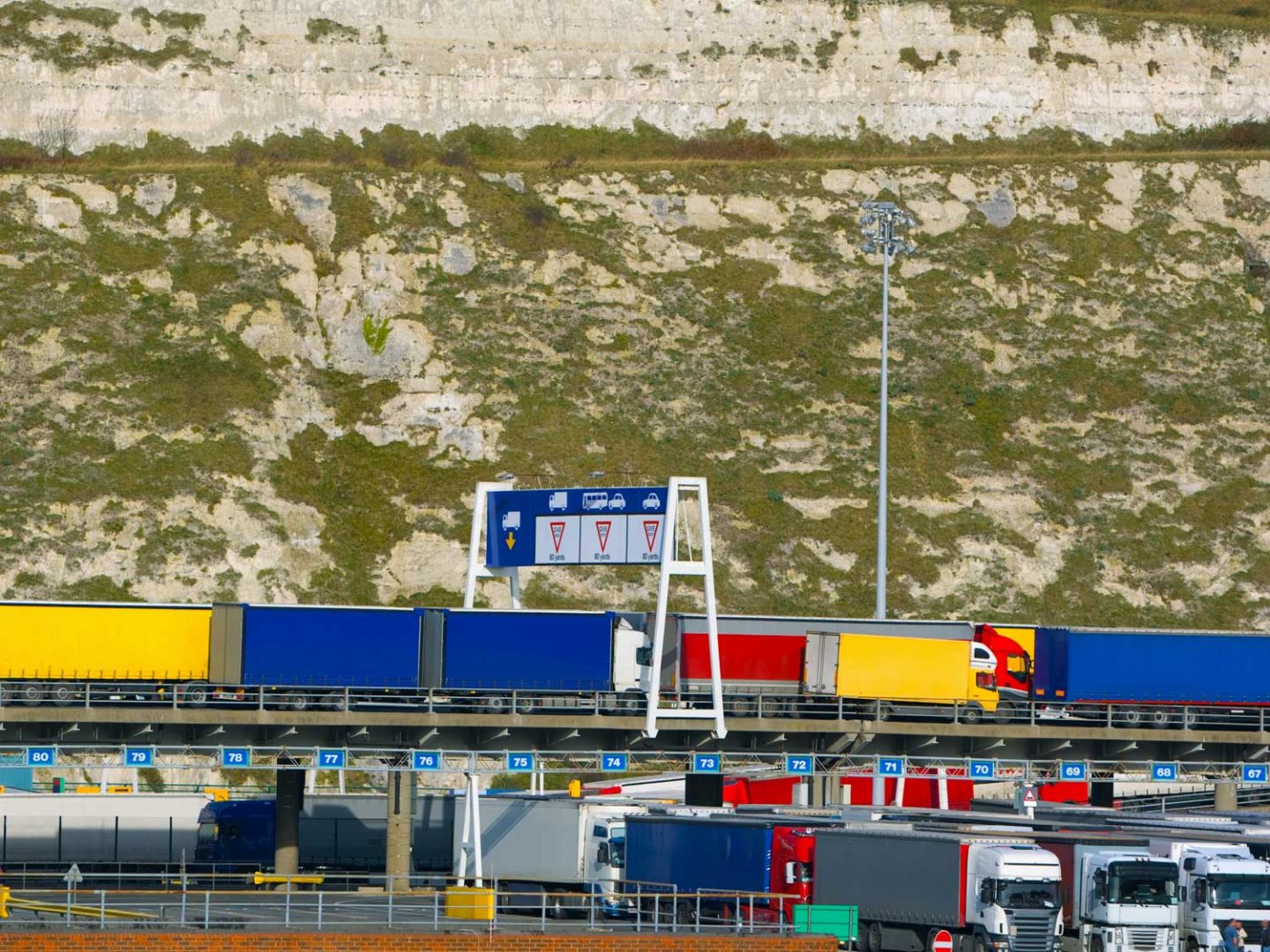
The movement of goods between Great Britain, Northern Ireland and the EU is entering one of its most challenging and complex periods in recent years. Regulatory changes are reshaping established routes, creating new administrative demands, and raising questions about supply chain resilience.

From the phased enforcement of ICS2 safety and security filings, to the evolving requirements of the Windsor Framework and the digitalisation of EU border controls, operators are facing a series of overlapping obligations. Understanding and preparing for these changes will be critical to maintaining efficiency, avoiding disruption, and keeping trade moving in the months ahead.

ICS2 Phase 3 Staggered Rollout

The EU’s ICS2 Release 3 – requiring detailed safety and security filings for road and rail freight – was due to become fully mandatory on 1 September 2025. While the system itself is active, several Member States have secured temporary derogations delaying enforcement until December 2025.

Germany and the Netherlands, however, are pressing ahead, meaning accompanied RoRo shipments to those markets may face compliance risks if operators are unprepared. Northern Ireland RoRo traffic has also been given a phased start, with the new TIMS platform offering a gradual introduction later this year.

The patchwork of deadlines across Europe underscores the need for close monitoring and proactive compliance to avoid penalties and delays.

GB–NI Trade Under Pressure

The Windsor Framework remains a source of disruption for operators moving goods between GB and Northern Ireland. Complicated “at risk” classifications, excessive paperwork, and inconsistent enforcement are driving inefficiency and higher costs.

Some suppliers are rerouting freight via Dublin rather than using the Irish Sea, while consumers in NI face reduced product choice as online sellers and retailers scale back deliveries.

Industry bodies argue that reforms such as classifying goods at the point of sale and simplifying Just-in-Time exemptions are urgently needed to stabilise trade volumes and restore reliability.

EU Entry/Exit System

The EU’s new Entry/Exit System (EES) is scheduled to go live on 12 October. Designed to digitise border checks by capturing biometric data, the system will eventually cover all non-EU drivers entering the bloc.

While intended to streamline processes and enhance security, the transition will create additional steps for hauliers and could slow traffic on critical corridors such as Dover–Calais if infrastructure proves inadequate.

UK hauliers face further constraints from the 90/180-day driver access rule, raising concerns over flexibility in meeting customer demand. With weeks left to prepare, shippers should ensure that drivers are prepared, documentation and contingency measures are in place.

Staying Ahead of the Changes

The common thread running through these developments is clear: shippers face a rising tide of complexity at the intersection of GB and EU trade. From border checks and customs filings to NI market access, regulatory shifts demand preparation, agility and informed support.

Metro is committed to helping customers navigate this evolving environment – from expert customs guidance and training to cross-border contingency planning and operational resilience.

To discuss how these changes could affect your supply chains, and the practical steps to stay compliant and competitive, please EMAIL our managing director Andy Smith.

Stressed businessman 1440x1080 1

Supply Chain Leaders Wary of Unprecedented Risks

The Chartered Institute of Procurement & Supply (CIPS) has published its Q2 2025 Pulse Survey, and the findings paint a sobering picture for global supply chains.

Procurement leaders are reporting their highest-ever levels of concern about disruption, with anxieties around shipping costs, fuel prices, and the risk of shortages intensifying as tariff battles and geopolitical shocks reshape trade flows.

The survey shows record disruption warnings for both the short and long term. On a 1–7 scale, short-term concern rose to 4.57, up from 4.36 in Q1, while 12-month concern increased to 5.03, also the highest on record. According to CIPS CEO Ben Farrell, procurement professionals are “operating in uncharted waters” where disruption is no longer a possibility but a certainty and the only unknowns are when and where it will strike.

Logistics is once again at the top of the risk list. Nearly a quarter of procurement leaders now expect shipping and transport costs to rise by more than 10%, placing supply chains under further strain. Fuel and petroleum-based inputs were ranked equally high, while pharmaceuticals, food, and metals were also highlighted as categories facing sharp increases. The concern is not just about higher costs but about continuity of supply, with CIPS economist Dr John Glen warning of a “perfect storm” created by tariff upheaval and Middle East instability that threatens to squeeze already stretched logistics networks.

Geopolitics remains the dominant source of risk. More than half of survey respondents pointed to conflicts in the Middle East and the disruption of shipping routes, while concern over the US–China trade conflict has surged to 36%, up sharply from 25% in Q1. When asked to rank their organisation’s broader worries, 66% cited political or geopolitical instability. The highest level ever recorded in the Pulse survey. Supplier fragility and logistics disruption also climbed, while inflation fell as a top concern, suggesting a shift from price volatility to fears over actual availability.

In response, procurement leaders are continuing to pursue strategies such as supplier diversification, stockpiling, and longer contracts. But confidence in these measures is beginning to weaken, with scores slipping since Q1, perhaps reflecting a sense that resilience planning is reaching its limits. As one respondent remarked, “From shipping lanes to silicon chips, no category is safe from disruption.”

The message from the Pulse survey is clear: procurement professionals remain the early warning system of the global economy, and right now, their alarm bells are ringing louder than ever.

With disruption expected as a certainty rather than a possibility, knee-jerk reactive measures are no longer enough. What procurement leaders need is real-time visibility, control, and agility across every stage of their supply chain.

Metro’s proprietary platform, MVT, unifies procurement, freight, inventory, and logistics into one connected system. By tracking milestones in real time, integrating with ERP and sales platforms, and enabling data-led decisions, MVT gives businesses the insight and agility to mitigate risks before they escalate.

Backed by Metro’s global reach, sector expertise, and fully integrated services, MVT is the backbone of scalable, future-ready supply chains, helping organisations navigate tariff upheaval, geopolitical shocks, and rising logistics costs with confidence.

EMAIL Andrew Smith, Managing Director, to discover how MVT can give you total control of your supply chain.

ships at anchor

Container Shipping Faces Prolonged Excess Capacity

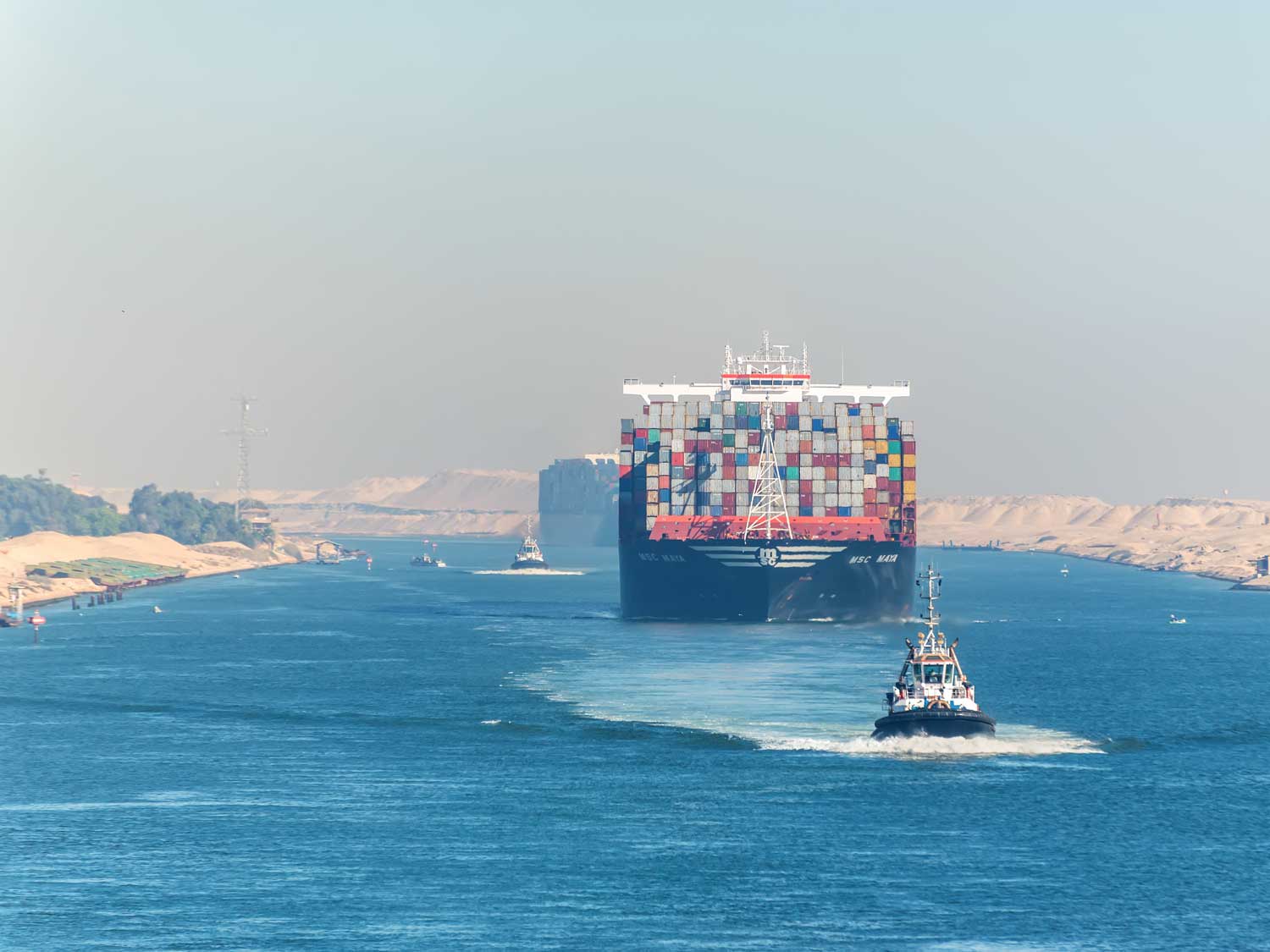
The container shipping industry is set for several years of structural oversupply, which will put significant downward pressure on rates, with fleet growth consistently outpacing cargo demand until the end of the decade.

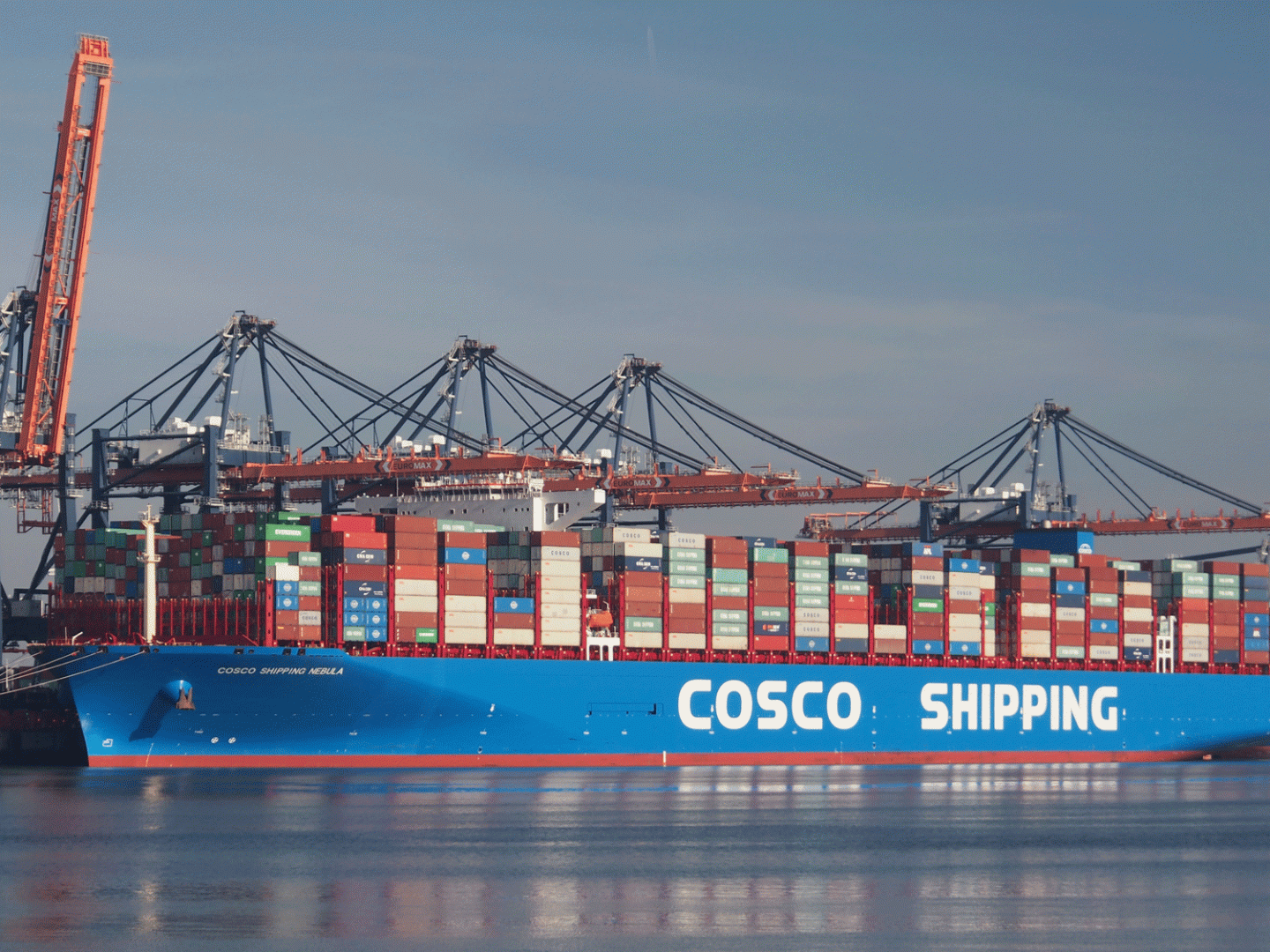
Analysts point to a combination of record vessel orders and limited scrapping as the primary drivers of the imbalance. By mid-2025, global carriers had ordered 2.3 million TEU of new capacity, only slightly below the record levels set in late 2024. The current order-book now totals 9.6 million TEU, equivalent to more than 30% of the active fleet. With 3.3 million TEU scheduled for delivery in 2028 alone, average fleet growth is forecast to remain above 6% per year.

The composition of new orders is also shifting. While demand for ultra-large ships of 14,000 TEU and above remains strong, the most striking increase has come in smaller units. Seventy-four feeder and regional vessels of up to 4,000 TEU were ordered in the first half of 2025, almost matching the entire 2024 total. This investment comes despite the fact that nearly a third of the world’s smaller ships are already over 20 years old, a share set to rise to around half by 2030.

Scrapping activity has stalled at the same time. Just ten ships totalling 5,454 TEU were demolished in the first six months of 2025, compared with nearly 49,000 TEU a year earlier. A strong charter market and resilient cargo flows, combined with continued diversions via the Cape of Good Hope, have encouraged carriers to hold on to older tonnage. Many remain wary of cutting capacity after recent shocks, including the pandemic and Red Sea disruptions, demonstrated the strategic value of surplus vessels.

On the demand side, global throughput is expected to rise 2.6% in 2025, supported by front-loading, fiscal stimulus, and lower effective tariff rates. But growth is forecast to slow to 1.7% in 2026 as inflationary pressures, higher costs, and weaker US job growth weigh on consumption. Asia–Europe routes, where the largest vessels are being deployed, are expected to feel the oversupply most acutely, while transpacific trades face uncertainty once front-loading unwinds.

The imbalance has clear financial and regulatory implications. Analysts expect profitability to bottom out in 2028, when the largest wave of deliveries coincides with a likely return of normalised Red Sea transits. At the same time, retaining older tonnage raises questions around emissions compliance and fuel efficiency as IMO decarbonisation rules tighten.

Industry projections suggest average overcapacity of around 27% through 2028. While unforeseen shocks may disrupt the outlook, the medium-term picture points firmly to a prolonged period of structural pressure on global container shipping.

With vessel supply set to outpace demand for years ahead, oversupply will continue to distort schedules and pressure rates. In this environment, booking space is no longer enough. You need visibility, agility, and the ability to adapt as conditions change, with blanked sailings and service adjustments likely without notice.

Metro’s MVT platform continuously tracks carrier KPIs and vessel position, comparing actual performance across alliances and adjusting supply chains in real time. This data-led approach maintain supply chain resilience, minimises disruption, optimises inventory planning, and safeguards service levels.

EMAIL Andrew Smith, Managing Director, to discuss how we can support your supply chain.

Sea Air aerial

Air Freight Demand Surges on Tariff Pressures but Challenges Persists

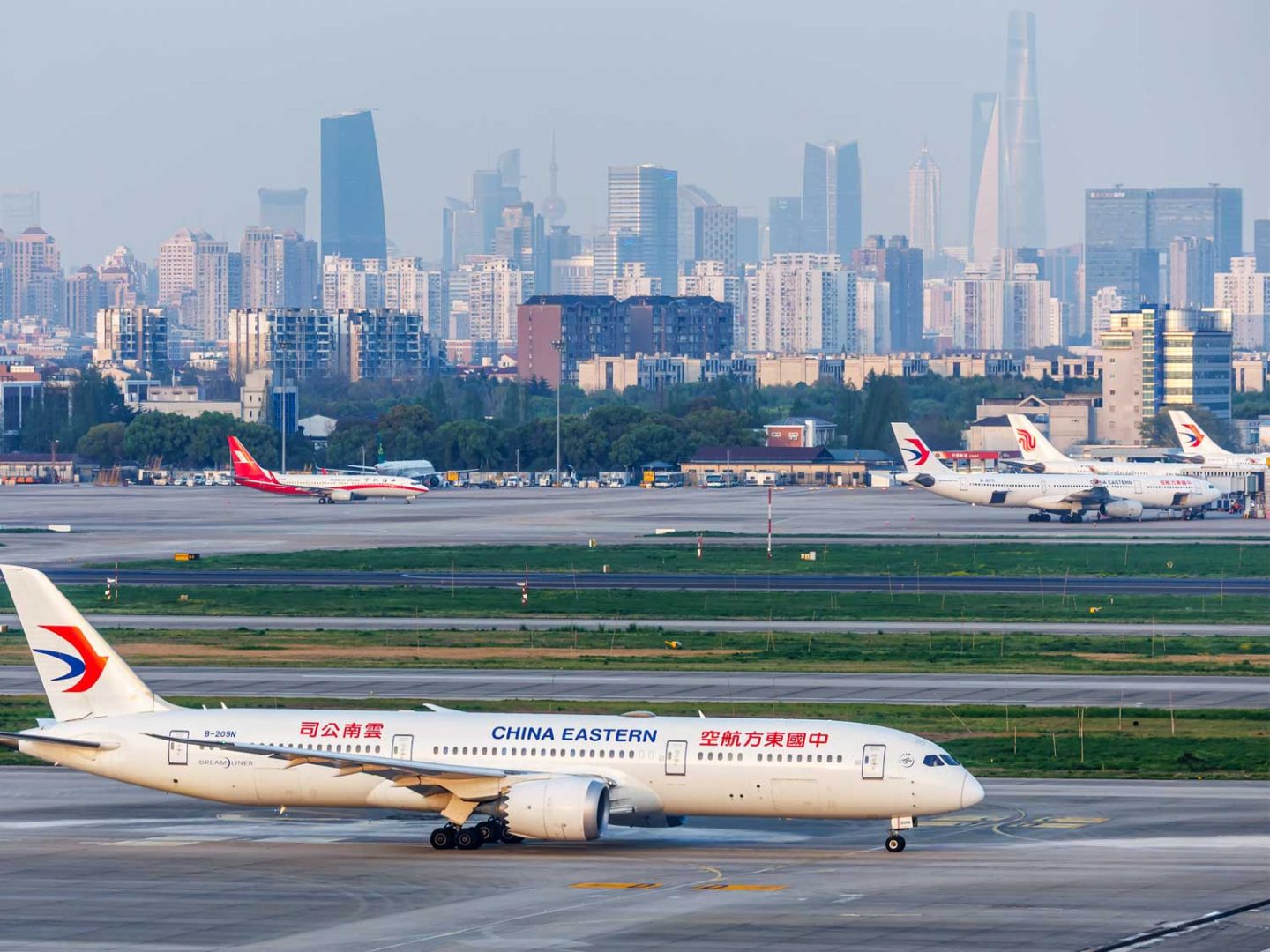
Global air cargo markets have entered an unusual mid-summer upswing as US importers accelerated shipments to avoid rising tariffs. July volumes rose strongly against seasonal norms, fuelled by front-loading, modal shift from ocean to air, and persistent trade uncertainty.

The sharp increase in shipments came as US tariff deadlines prompted companies to expedite goods by air rather than risk higher costs or long delays at sea. Businesses turned to aircraft to move time-sensitive cargo more quickly, driving a five per cent uplift in volumes compared with the previous year. The rise followed only modest growth in June and has temporarily restored load factors to levels last seen a year ago.

However, carriers now face the challenge of adjusting capacity after rapidly adding flights in anticipation of prolonged demand. With inventory-building cycles completed earlier than expected, airlines are rationalising schedules and redeploying aircraft across trade lanes to protect yields. Asian carriers, in particular, are having to reassess networks as the traditional electronics and consumer goods peak season has been disrupted.

Despite the boost in cargo volumes, global average spot rates continued to soften, recording a third consecutive monthly decline. The imbalance between seasonal contract rates and shorter-term spot prices has widened, signalling subdued confidence. Rates on major corridors show mixed trends: transpacific lanes weakened sharply from Southeast Asia and mainland China, while Northeast Asia held firmer thanks to strong demand for high-tech shipments. The transatlantic market was the rare exception, where reduced belly-hold capacity combined with tariff-related front-loading to push prices higher in both directions.

Additional headwinds loom. The imminent removal of the US de minimis exemption for low-value shipments will particularly impact eCommerce exports from Asia, the UK, Canada, and Mexico, further distorting flows. Earlier curbs on Chinese parcels already triggered a dramatic fall in volumes.

Looking ahead, uncertainty over tariff outcomes remains the single largest influence on airfreight demand. While disruption may continue to support short-term cargo volumes, analysts warn that once the “piggybacking” effect of front-loading subsides, demand could retreat quickly, leaving airlines exposed to excess capacity and weaker yields.

With demand surging, tariffs shifting, and carrier schedules in flux, securing space and certainty has never been more critical. Metro is actively monitoring capacity, adjusting routings, and working with trusted carrier partners to protect our clients’ cargo.

Our latest innovation takes visibility even further. Real-time flight telemetry tracking on Metro’s platform provides shippers with:

– Live aircraft position and route mapping
– Accurate departure and arrival confirmation
– Time-stamped milestone events, updated in real time

This level of transparency means you can plan confidently, optimise inventory, and protect service levels even in unpredictable conditions.

Partner with Metro for smarter, faster, and more resilient air freight solutions, powered by live data and long-standing carrier relationships.

EMAIL Andrew Smith, Managing Director, today to explore how we can support your success.