LHR BA landing

Preparing for Air Cargo Peak Season Amid Tariff Uncertainty

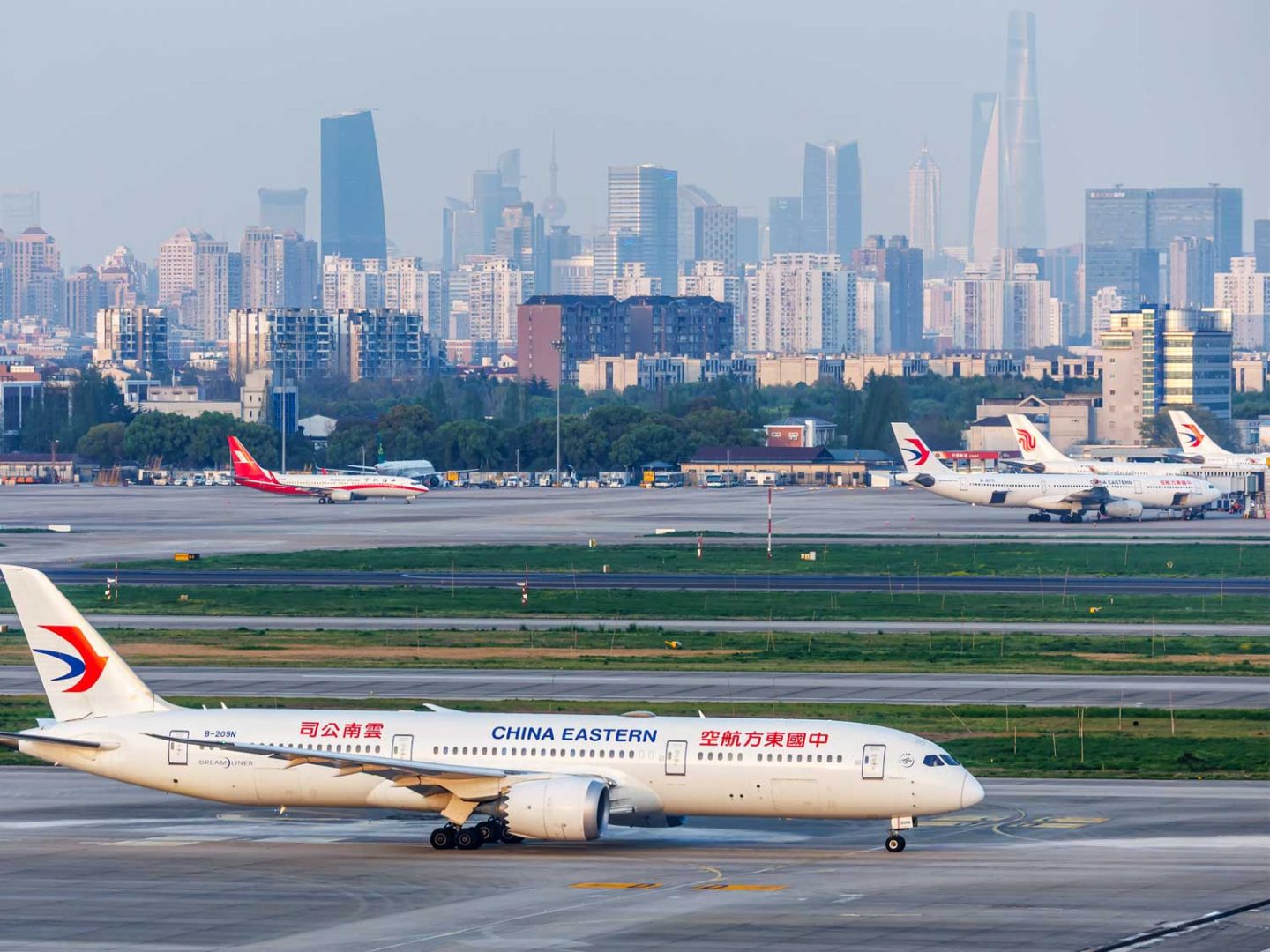
Air freight markets are entering the second half of 2025 in a state of volatility, as early signs of peak season demand clash with consumer caution and a shifting tariff landscape.

Despite President Trump suggesting that the next round of US tariffs may not take effect until August, the legal reality is firmer: the executive order issued on 9 April mandates that reciprocal tariffs will be enforced from 12:01 am EDT on 9 July, unless a further Executive Order is made. This deadline is already influencing behaviour across key trade routes and sectors, with shippers attempting to front-load freight and adjust their sourcing strategies.

As expected, June saw a seasonal lull across many air freight corridors. Rates out of Hong Kong to both Europe and North America softened slightly month-on-month, falling by low single digits, while year-on-year declines were sharper to North America, reflecting weaker consumer demand and reduced eCommerce.

The removal of de minimis exemptions combined with the imposition of tariffs on many goods, has triggered a pronounced shift in flows: air cargo volumes from China to the US have fallen around 15% since March, while rates have dropped by more than 15% over the same period. In contrast, tonnage from China to Europe is up 15% year-on-year, supported by stable rates and reallocated capacity.

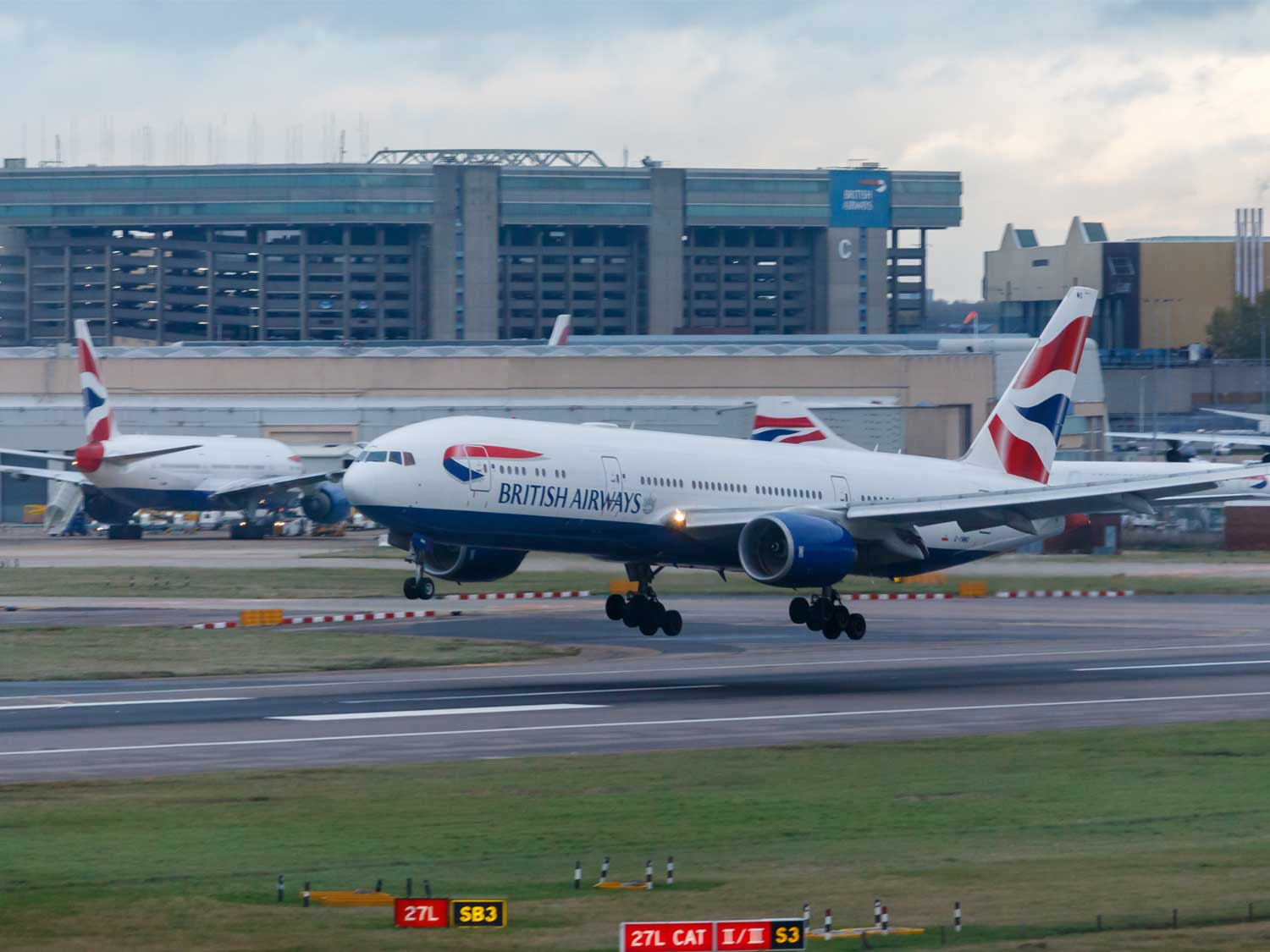
Transatlantic lanes also reflect the summer dynamic. With increased belly-hold capacity from passenger flights, rates between Europe and North America dipped slightly in June. However, spot freight prices on both directions of the transatlantic remain higher than a year ago, suggesting underlying resilience.

Spot Market Dominance and Capacity Volatility
One of the most significant developments this quarter has been the dramatic shift toward the spot market on Asia Pacific–US lanes. By June, more than 70% of general cargo bookings on these routes were made on spot terms, up from around 50% in the same period last year. This trend reflects carrier uncertainty, volatile demand, and diverging expectations around tariff timing and impact.

For comparison, spot market activity on Asia-Europe lanes has remained relatively stable, with roughly 47% of cargo moving under short-term rates. The growing disparity between contract and spot pricing points to the challenges of forecasting capacity needs in politically sensitive markets.

Peak Season Prospects: Uncertainty Over Tradition
Traditionally, air freight demand accelerates from mid-August as retailers ramp up inventory for back-to-school, autumn sales, and the holiday period. However, the current market is anything but traditional. Consumer confidence remains fragile due to rising living costs and trade friction, with the largest shippers increasingly hesitant to commit to long-term air freight contracts.

Global air cargo volumes rose by just 1% year-on-year in June, with capacity growth outpacing demand for the first time in over 18 months. This imbalance is likely to pressure rates across many lanes, even as jet fuel prices spike and geopolitical risks persist.

While some Southeast Asia–US routes saw modest rate gains in June, buoyed by pre-tariff demand and capacity rebalancing, overall expectations for Q3 remain muted. Analysts warn that weaker consumer spending and ongoing tariff complications could limit any meaningful peak season surge, especially on transpacific routes.

Outlook 
Despite the structural pressures, there are opportunities for shippers in the current environment. Short-term rates are more flexible, capacity is more available than in past peak seasons, and carriers are actively repositioning services to match evolving demand patterns.

The real wildcard remains US trade policy. Without a new executive order, 9 July marks the start of a new tariff chapter that will ripple across global supply chains, just as the air freight industry typically gears up for its busiest season.

Now is the time to plan ahead.
With more flexible short-term rates, improved capacity availability, and carriers adapting to demand shifts, shippers have a unique window to secure cost-effective and reliable air freight solutions before peak season pressure builds.

EMAIL our managing director, Andrew Smith today to assess your options and take advantage of current market conditions.


Rachel Reeves 1440x1080 1

Budget Pressures Raise Questions for Business

Chancellor Rachel Reeves has triggered fresh uncertainty after cancelling a planned welfare reform expected to save £5.5 billion, leaving a significant hole in the Treasury’s accounts and raising the prospect of tax increases later this year.

Markets reacted swiftly: sterling dipped and government borrowing costs rose, reflecting investor concerns over how a growing £40 billion fiscal shortfall will be addressed. A revised budget is due this autumn, with attention turning to how the burden might be shared.

While no measures have been formally proposed, the freight industry is on alert. Possible changes include:

– Higher fuel duty, which would increase transport and delivery costs
– Stricter customs enforcement, potentially adding friction and delay
– Corporate tax rises, squeezing already tight logistics margins

The British International Freight Association (BIFA) has urged the government to consult with the sector before taking action, stressing the need for stability and recognising logistics as vital to UK trade.

Offering a broader view, the Bank of England’s latest financial stability report suggests most UK companies remain resilient. Even under pressure from global shocks, including tariff hikes, rising interest rates, and a 10% fall in earnings, most are expected to meet their debt obligations.

For business, the message is clear: policy uncertainty may be unavoidable, but financial agility and early engagement will be key to overcoming what comes next.

EMAIL Laurence Burford, Chief Financial Officer, today to explore how Metro can support your business through ongoing global disruption.

digital product passport 1440x1080 1

The EU’s Digital Product Passport

The European Union is introducing a new product reporting regime that will reshape how goods are traded across the region. The Digital Product Passport (DPP) will become mandatory for a growing list of product categories, starting from 2026, and will require detailed, standardised information to accompany goods throughout their lifecycle.

This initiative forms part of the EU’s Ecodesign for Sustainable Products Regulation (ESPR) and supports the region’s transition to a circular economy. For UK exporters and EU importers alike, it signals a fundamental shift in compliance and data-sharing expectations.

The Digital Product Passport will store structured information about a product’s materials, manufacturing origin, use, and disposal – all tied to a unique digital identifier. The aim is to make supply chains more transparent and help regulators, businesses and consumers make more sustainable decisions.

The data will be accessible via scannable tags or embedded links, and will need to be kept updated throughout the product’s life. 

Required details may include:

  • Material composition and sourcing
  • Repair and recycling instructions
  • Safety and conformity data
  • Energy or emissions profiles
  • Supply chain traceability

Phased rollout by sector
The DPP will be rolled out gradually by sector and intermediate materials:

  • 2027 – Textiles & apparel, tyres
  • 2028 – Furniture
  • 2029 – Mattresses

Intermediate materials:

  • 2026 – Iron & steel
  • 2027 – Aluminium

This means UK manufacturers and exporters serving these sectors must prepare to meet new digital reporting standards for goods entering the EU. Importers, meanwhile, will need systems in place to validate and manage this data as part of their compliance procedures.

Prepare Now
Although final technical specifications are still being defined, it’s essential to start preparing:

  • Map your product data and assess what’s missing
  • Engage with suppliers and manufacturers to trace information across tiers
  • Review IT systems to understand how DPP data will be stored, shared and updated
  • Anticipate regulatory checks at borders or in-market

The process may be complex, especially for companies working across multiple supply chain layers. But businesses that act early will be better placed to comply and to gain customer trust in increasingly sustainability-conscious markets.

At Metro, our technical solutions team is already exploring the digital infrastructure and data workflows that will be needed to meet DPP requirements. We’re helping UK exporters and EU importers plan ahead, manage compliance risk, and unlock long-term value from enhanced supply chain visibility.

To learn more or discuss how Metro can support your preparation for the DPP, EMAIL our managing director, Andrew Smith.

Trump on graph 1440x1080 1

Tariff Pause Triggers Surge in Ocean Freight Rates – But Legal Roadblocks Lie Ahead

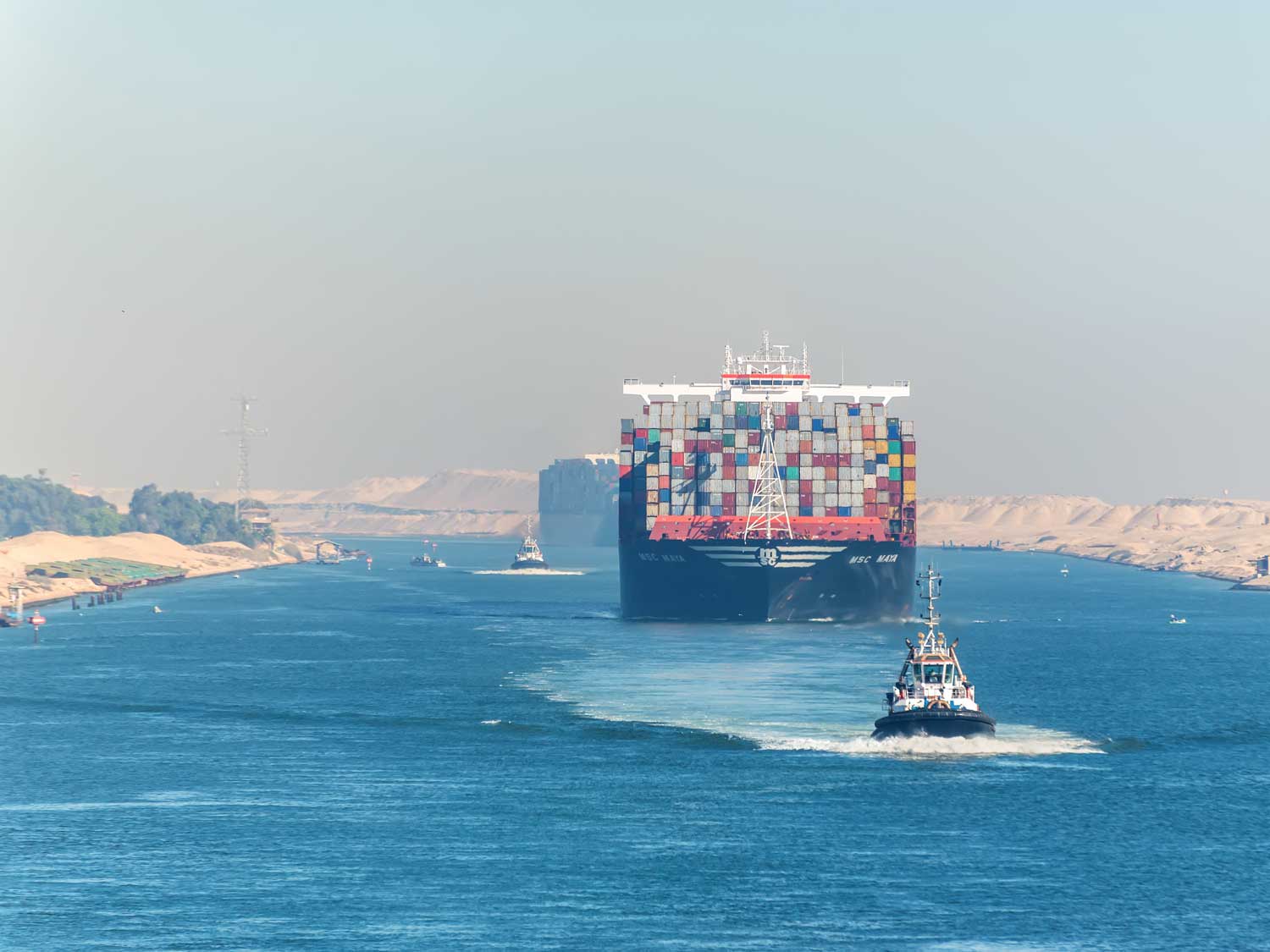
Container shipping lines are driving spot rates sharply higher, with the 2025 transpacific peak season likely to begin earlier than usual, fuelled by a surge in US imports from Asia.

Spot rates on key routes are rising faster than during the pandemic-era boom. Carriers implemented general rate increases (GRIs) on 1 June and plan further hikes for mid-June and 1 July, seizing the moment while demand is high.

According to the WCI, Shanghai–Los Angeles rates surged 57% week-on-week, while Shanghai–New York climbed 39%. Since mid-April, West Coast rates are up 173%, and East Coast rates have more than doubled. For comparison, rates rose just 20% over the same period in 2021. Asia–Europe lanes are also rallying, with the Shanghai–Rotterdam index up 32% and Shanghai–Genoa rising 38%, the highest weekly increases in many months.

But this momentum may be short-lived, as a wave of new capacity is entering the market. On Asia–West Coast routes, supply will grow by 13% in June and 16% in July. This additional capacity is expected to blunt the impact of further rate hikes, and limit the length of the current rally.

At the same time, the legal outlook for Trump ‘reciprocal’ tariffs remains highly uncertain. On 29 May, a federal appeals court temporarily reinstated the tariffs, just one day after the US Court of International Trade ruled that the former president had exceeded his authority and ordered an immediate block. The Court of Appeals for the Federal Circuit in Washington paused that decision to consider the government’s appeal, with final briefs due by 9 June.

However, legal experts suggest that the original court ruling is on strong footing. Under the current framework, principally the International Emergency Economic Powers Act (IEEPA), presidential authority to impose broad-based tariffs is limited. The Court of International Trade ruled that Trump’s use of IEEPA to impose tariffs on non-emergency, peacetime imports likely overstepped constitutional bounds.

If the appeal fails, Trump’s tariffs will face two remaining paths: either a legislative push to expand presidential tariff authority through Congress, or a ruling from the Supreme Court. The latter remains a real possibility if the administration persists and seeks to test the constitutional limits of executive trade powers.

In the meantime, the legal limbo is prompting importers to accelerate orders while the tariffs remain suspended, adding further pressure to ocean freight markets. But with front-loading already well advanced, this year’s peak season is expected to be earlier and shorter than the usual August–October window. While carriers are determined to ride the wave of high rates, fundamentals suggest the next one or two GRIs may be the last before rates begin to level off.

With legal uncertainty surrounding US tariffs and ocean freight markets under intense pressure, early planning and expert guidance are more critical than ever.

Metro’s experienced sea freight and customs brokerage teams are here to support your transpacific and Asia–Europe supply chains, with in-market expertise and local operations in the US.

Whether you’re juggling critical shipments, reviewing tariff exposure, or seeking end-to-end compliance support, Metro has the insight and capability to keep your cargo moving.

EMAIL our managing director, Andrew Smith, today to stay ahead of disruption and secure your space at the best possible rates.