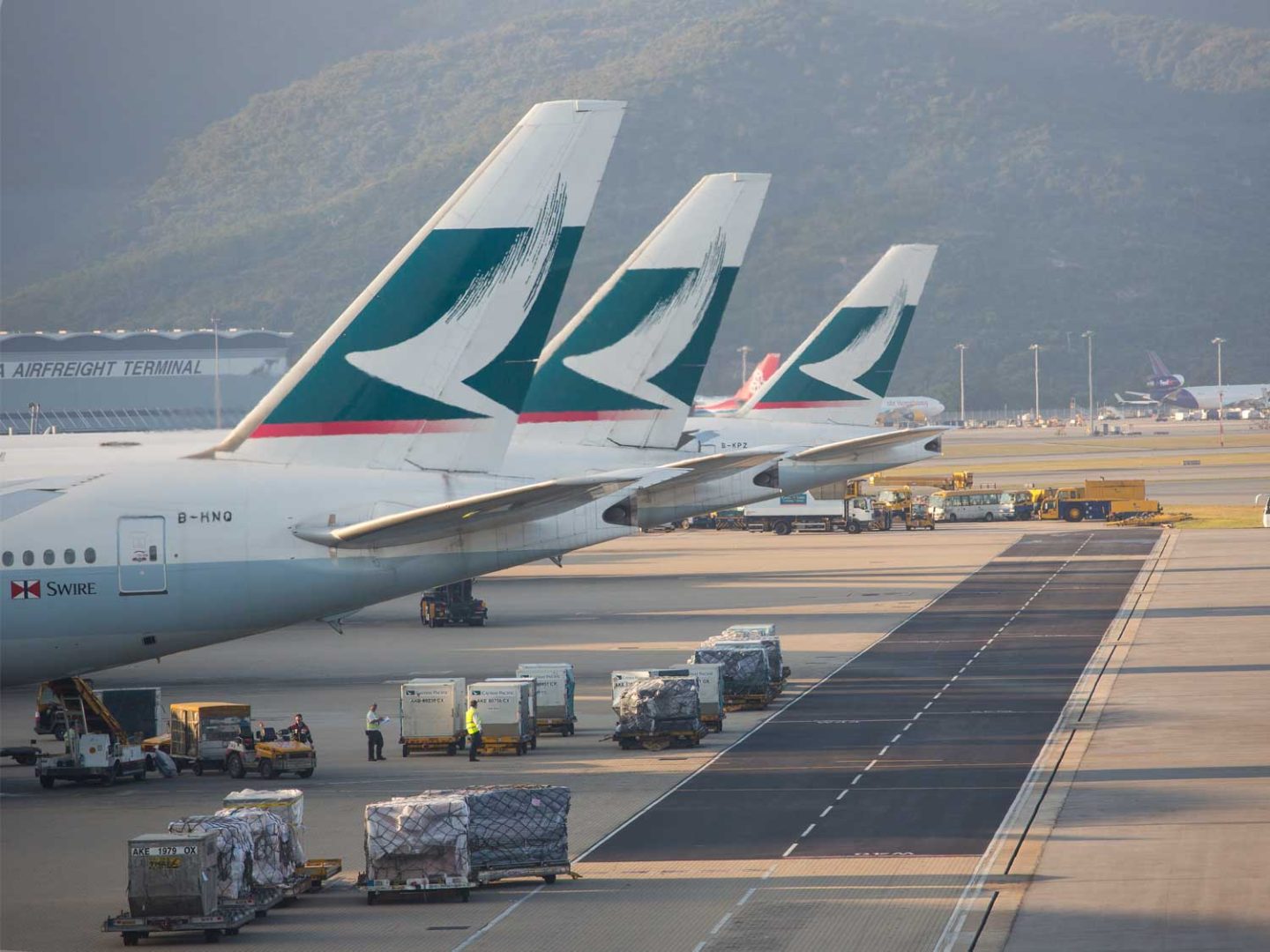
COSCO appoint Metro partner

New US Port Fees Target Chinese and Non-Chinese Carriers

New US port fees aimed at Chinese-owned and Chinese-built ships are set to begin in October 2025, challenging China’s dominance in shipbuilding and shipping, while attempting to bolster the US maritime industry.

Under the new structure, Chinese ship owners and operators face charges starting at $120 per container when calling at US ports, with fees increasing annually to reach $250 per container by 2028. Vehicles carried on non-US built ships will incur a separate charge of $150 per vehicle. For container ships, the fee is based on the number of containers carried, rather than the ship’s tonnage.

Non-Chinese carriers operating Chinese-built ships will also be subject to container-based fees, at an initial $120 per container, rising to $153 in 2026 and up to $250 by 2028, aligning with the fee structure for Chinese carriers over time. This convergence means that while initial impacts differ, the long-term cost burden will become comparable.

Each affected vessel will be charged once per US port call, capped at a maximum of five charges per year. Ships arriving empty to collect bulk exports such as coal or grain are exempt.

Despite being less severe than the $1M+ per port call initially proposed, the financial burden remains significant. Analysts estimate that large Chinese container ships could face fees translating into approximately $300 to $600 per container, depending on ship size and cargo load. And for Chinese carriers the financial pressure will be three times higher than that faced by non-Chinese carriers initially.

Already, global trade patterns are shifting, with shipments originally bound for the US diverting to European ports. In the first quarter of 2025, Chinese imports into the UK rose by 15% and into the EU by 12%, contributing to congestion at key ports such as Felixstowe, Rotterdam, and Barcelona.

Carriers are now actively considering reshuffling service networks to minimise exposure to the new fees. Within the Ocean Alliance, partners such as CMA CGM and Evergreen Marine are expected to adjust operations, potentially taking on more US-bound services while Cosco and OOCL redeploy ships to European routes.

The long-term implications for container and vehicle supply chains are profound. Higher operating costs are likely to filter down to consumers, particularly in the US, while European and UK ports could face continued strain from increased cargo volumes. The situation is fluid, and further adjustments by carriers and shippers are expected as the October deadline approaches.

We’re working closely with clients as we monitor regulatory developments, ready to react and adapt container shipping strategies in real time. If your supply chain depends on US port access, now is the time to assess your exposure and prepare contingencies.

EMAIL our Managing Director, Andrew Smith, to learn how we can protect your network, manage cost risks, and keep you competitive — no matter how the tide turns.

Hidden threat to exporters

Northern Europe’s Ports Struggle with Congestion Amid Network Shifts

Ports across Northern Europe are grappling with rising congestion, causing widespread delays and operational disruption. A confluence of industrial action, infrastructure strain, inland transport bottlenecks and the rollout of new shipping alliances is overwhelming terminals, with no immediate relief in sight.

Container volumes have surged at key gateways such as Antwerp-Bruges, Bremerhaven, Rotterdam, and Felixstowe, with waiting times and yard occupancy levels climbing.

Antwerp is experiencing yard utilisation at 96%, with reefer plugs over capacity at 112%.

Nearly half the vessels arriving are waiting for berths, and 52 more containerships are en route. Berthing delays are being exacerbated by residual backlogs following strikes at the end of March, and the port has reduced its export delivery window to five days to help ease pressure.

In Germany, Bremerhaven is seeing similar strain, with nearly 30% of vessels waiting for berths and inland rail disruptions further complicating the situation. Landslides and line closures near Hannover forced lengthy rail detours, impacting traffic to and from major ports including Hamburg, Rotterdam and Duisburg. These rail delays are causing a cascading effect across Northern Europe’s inland logistics.

The Netherlands is also under pressure, with unresolved automation disputes in Rotterdam contributing to labour-related delays. In France, strikes at Le Havre have eased for now during ongoing negotiations, but the risk of renewed action remains high.

The UK is not immune. Felixstowe, London Gateway, and Southampton are all dealing with congestion as vessel diversions from continental ports push volumes higher.

Multiple factors are compounding the problem. The phasing in and out of new alliance schedules—particularly by Maersk, MSC, and Hapag-Lloyd—is disrupting established flows and increasing port calls. Simultaneously, low water levels on the Rhine are limiting barge capacity, shifting more freight to already stretched rail and road networks. Labour shortages, especially during public holidays, have further constrained operations.

With delays mounting, carriers are urging shippers to collect containers promptly and to avoid early delivery of exports. Some terminals, like PSA Antwerp, have shortened delivery windows to reduce yard congestion. Carriers are implementing contingency plans on a vessel-by-vessel basis and may introduce congestion surcharges to offset rising operational costs.

Industry forecasts suggest that congestion could persist for another three to four months, until alliance network changes bed in and volumes normalise. In the meantime, importers and exporters should prepare for longer lead times, increased costs, and fluctuating capacity at Europe’s busiest container ports.

With congestion disrupting major European gateways, our flexible contingency plans are keeping cargo moving, rerouting through alternative ports and opening up new entry points.

To reduce delays and protect your supply chain, share your shipping forecasts early so we can act fast and proactively manage risks.

For expert advice and tailored solutions, EMAIL Andrew Smith, Managing Director, today.

IMEC launch 1440x1080 1

IMEC: Europe’s New Trade Bridge to India

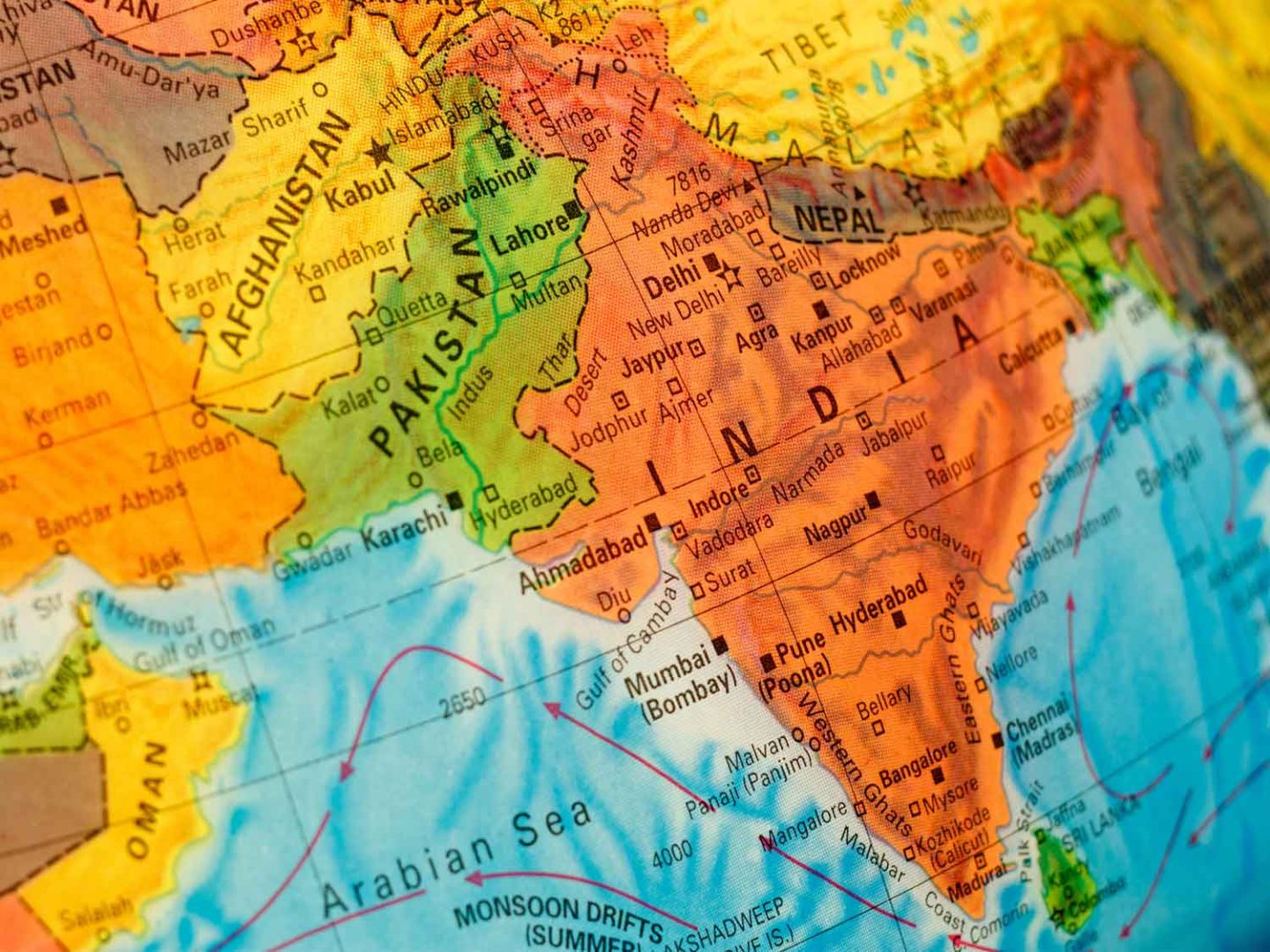
Launched as a strategic counterweight to China’s Belt and Road Initiative, the India–Middle East–Europe Economic Corridor (IMEC) is poised to reshape global trade flows between Europe, India, and beyond.

Backed by a coalition of world powers including the US, EU, India, and key Middle Eastern nations, IMEC promises to link South Asia with Europe through a multimodal network of ports, railways, and digital and energy infrastructure.

Announced during the G20 summit in New Delhi in 2023, the corridor will connect India’s western coast to Europe via the UAE, Saudi Arabia, Jordan, and Israel. From India’s planned Vadhavan deepwater port, ships would cross the Arabian Sea to Jebel Ali in the UAE, with cargo then moving by rail across the Arabian Peninsula to Israel’s port of Haifa. A final sea leg would take goods from the Mediterranean into European markets.

The corridor is designed to shorten transit times between India and Europe by up to 40%, with a summit of IMEC partners planned before the end of 2025 to present concrete initiatives.

With an estimated cost of $600 billion, IMEC also includes undersea data cables and pipelines for green hydrogen, making it as much an energy and digital connectivity play as a trade route.

Initial implementation has focused on India’s western coast, where the Modi government has greenlit the construction of the Vadhavan port. This $9 billion project is designed to handle mega-vessels and includes dedicated terminals for petroleum and automobile imports. Operational capacity is expected to reach nearly 300 million metric tons per year, with phased completion set for 2029.

From Europe’s perspective, IMEC opens up long-term opportunities to diversify supply chains, reduce reliance on volatile routes like the Suez Canal, and deepen strategic engagement with India. Transiting via Haifa not only provides a direct connection into the Mediterranean, but also serves as a hedge against disruptions in the Red Sea, including threats posed by Houthi rebel activity.

However, IMEC’s path is not without hurdles. Political instability in the region threaten the corridor’s viability and experts argue that normalised Saudi-Israeli relations would be key to securing the route, especially to ensure infrastructure security and cross-border cooperation.

India sees IMEC as central to its export-led growth model. Trade flows between India and Europe are forecast to grow by 6% annually through 2032, but current infrastructure cannot handle the expected increase. By offering a more direct and integrated pathway, IMEC positions India as a vital hub in global supply chains.

While financing remains a key challenge, particularly for European stakeholders juggling defence, energy, and industrial spending, IMEC’s geopolitical weight initially secured rare bipartisan backing in Washington. Although the project was launched during Joe Biden’s presidency, with strong US endorsement, the stance of the current administration toward international infrastructure projects remains less defined. Its evolving approach to global trade may not prioritise IMEC with the same intensity.

Images used under CC BY-SA 4.0
IMEC map
GODL-India

With India’s manufacturing capacity expanding and the IMEC corridor set to transform east–west trade, now is the time to re-evaluate your logistics strategy.

Metro is already investing in India’s future, helping global brands tap into a faster, more resilient, and sustainable trade route to Europe.

EMAIL Andrew Smith, Managing Director, to explore how our on-the-ground expertise in India can future-proof your supply chain.

City of London

Economic Uncertainty and Foreign Exchange Volatility

International trade and global shipping has long been shaped by the ebb and flow of economic indicators, currency movements, and policy decisions. But in recent weeks, this interplay has intensified, with significant implications for importers and exporters.

While President Trump’s new trade tariffs have been dominating logistics headlines, attention has shifted to currency markets, where the strength or weakness of key currencies can influence freight costs, shipping routes, and overall competitiveness.

The US dollar’s recent slump to a three-year low against the euro is counter to typical market behaviour. In times of global financial stress, investors usually flock to dollar-denominated assets such as US Treasury bonds, reinforcing the dollar’s strength. But this time, the opposite is happening.

This trend reflects growing uncertainty around US policy, particularly in light of recent comments from Trump’s economic advisers, who argue that the dollar’s reserve status has undermined US manufacturing. There is concern that efforts to weaken the dollar could be revived, with significant consequences for global trade and logistics.

In response to the mounting challenges, the UK Government has taken steps to support British businesses. UK Export Finance (UKEF) has received a £20 billion boost to its lending capacity – now totalling £80 billion – with up to £10 billion set aside to assist those most affected by the US tariffs in the short term. Small and medium-sized businesses will also have access to loans of up to £2 million, providing vital financial headroom to help navigate increased costs and currency volatility.

This Thursday, the European Central Bank (ECB) is due to announce its latest interest rate decision and with inflation figures lower than expected – partly due to the economic impact of new US tariffs – analysts are speculating on an interest rate cut, with the Bank of England expected to follow suit in May in moves which may weaken the euro and pound.

Many freight charges – especially for ocean and air cargo – are priced in US dollars and a weaker dollar can reduce shipping costs. However, the downside is increased volatility, which complicates budgeting and contract negotiations.

Foreign Exchange Snapshots: USD, AUD, EUR

  • USD (US Dollar): Political developments and shifting trade policies have shaken the dollar. A notable shift in foreign direct investment away from China towards nations like Mexico, India, and Vietnam, so-called “friend-shoring”, reflects broader geopolitical realignments that are reshaping global logistics flows.
  • AUD (Australian Dollar): The AUD’s recent movements have mirrored broader market trends, often inversely correlated with the USD. Rising commodity prices and speculation over Reserve Bank of Australia interest rate decisions have driven AUD volatility. For logistics operators trading in the Asia-Pacific region, the AUD remains a currency to watch.
  • EUR (Euro): Europe’s energy dynamics continue to weigh on the euro. As energy imports shift and prices fluctuate, the EUR has responded in kind. The ECB’s monetary policy actions, particularly Thursday’s decision, could provide more clarity and potentially stability for euro-denominated trade.

Currency fluctuations, interest rate changes, and policy uncertainty all impact costs, demand, and delivery schedules. Businesses that invest in data-driven planning, real-time risk assessment, and flexible supply chain strategies will be best placed to weather the volatility ahead.

As the global economy navigates another complex chapter Metro will keep goods moving and supply chains protected, regardless of the challenges ahead.

Navigating the complexities of international trade requires real-time insights and expert guidance. At Metro, we continuously monitor market influences, including currency fluctuations, macroeconomic trends, and evolving regulations, to help you de-risk your supply chain and maximise opportunities.

Make informed decisions with Metro’s strategic support. For trade insights and risk management advice. EMAIL Laurence Burford, Chief Financial Officer.