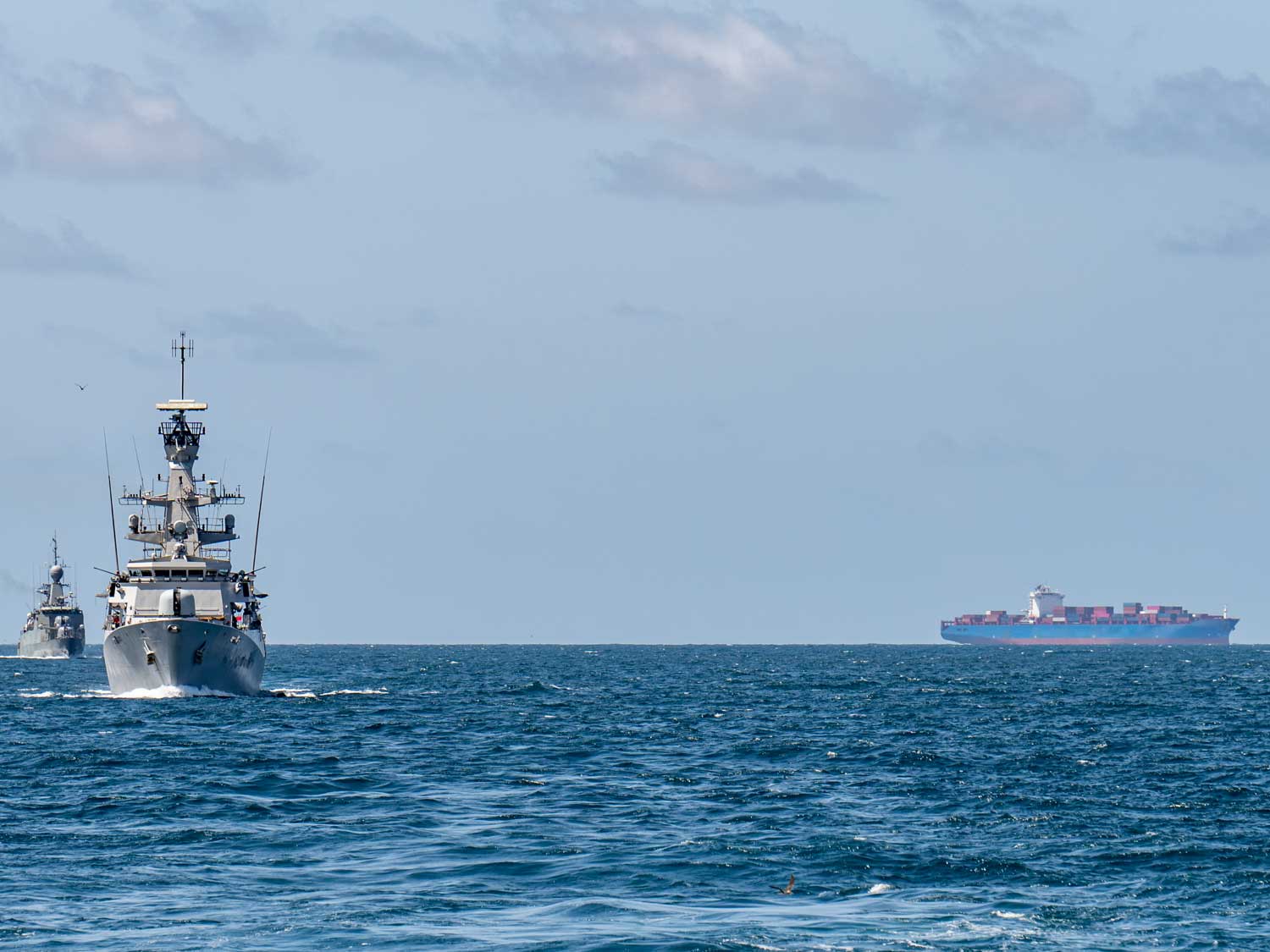
container ship and naval escort

Shipping routes likely to remain diverted until August

The diversion of container shipping around the Cape of Good Hope is expected to continue well into 2025 as carriers prioritise stability over the potential risks of returning to the Red Sea, despite recent advancements in the Suez Canal’s infrastructure

The reluctance to return to the Red Sea stems from attacks on commercial shipping by Iran-backed Houthi forces, which have created a precarious operating environment. Earlier incidents prompted carriers to divert ships around the Cape of Good Hope, and the industry remains cautious about resuming transits until the risks are fully mitigated.

Efforts by carriers like CMA CGM to reintroduce Suez services under naval protection have met resistance from shippers who fear both financial and operational uncertainties. As a result, even if the Red Sea crisis were resolved, it is likely that diversions around the Cape of Good Hope would persist for several months while confidence is rebuilt.

The logistical complexity of reconfiguring networks, combined with the risk of potential attacks, has led carriers to maintain their Cape of Good Hope detours and with the lines set to phase in new networks over February and March, further adjustments to accommodate Suez transits are unlikely before August at the earliest.

Shippers, too, are hesitant to support a return to the Red Sea. The concern is not just the extended transit times around Africa but the financial risks associated with general average (GA). If a ship were to be attacked and damaged, resulting in environmental cleanup or other liabilities, insurers may not cover GA in such high-risk zones.

Egypt has successfully tested a new 10 km extension of the Suez Canal, which allows for two-way traffic and increases the canal’s daily capacity by an additional 6 to 8 ships. This improvement also reduces the likelihood of severe disruptions, such as the grounding of the “Ever Given” in the single-lane section of the canal.

As conditions stabilise, the Suez will likely regain its position as the preferred route, but for now the added capacity is not required.

With geopolitical risks casting uncertainty over the industry, building resilient supply chains, securing comprehensive cargo insurance, and managing budgets effectively will be essential for shippers navigating the complexities of the 2025 sea freight landscape.

In this volatile market, our marine insurance cover and fixed-rate agreements on key shipping routes help minimise risk and provide budgetary stability.

To discover how Metro’s insurance solutions and fixed-rate options can support your business in 2025, please EMAIL Managing Director Andy Smith.

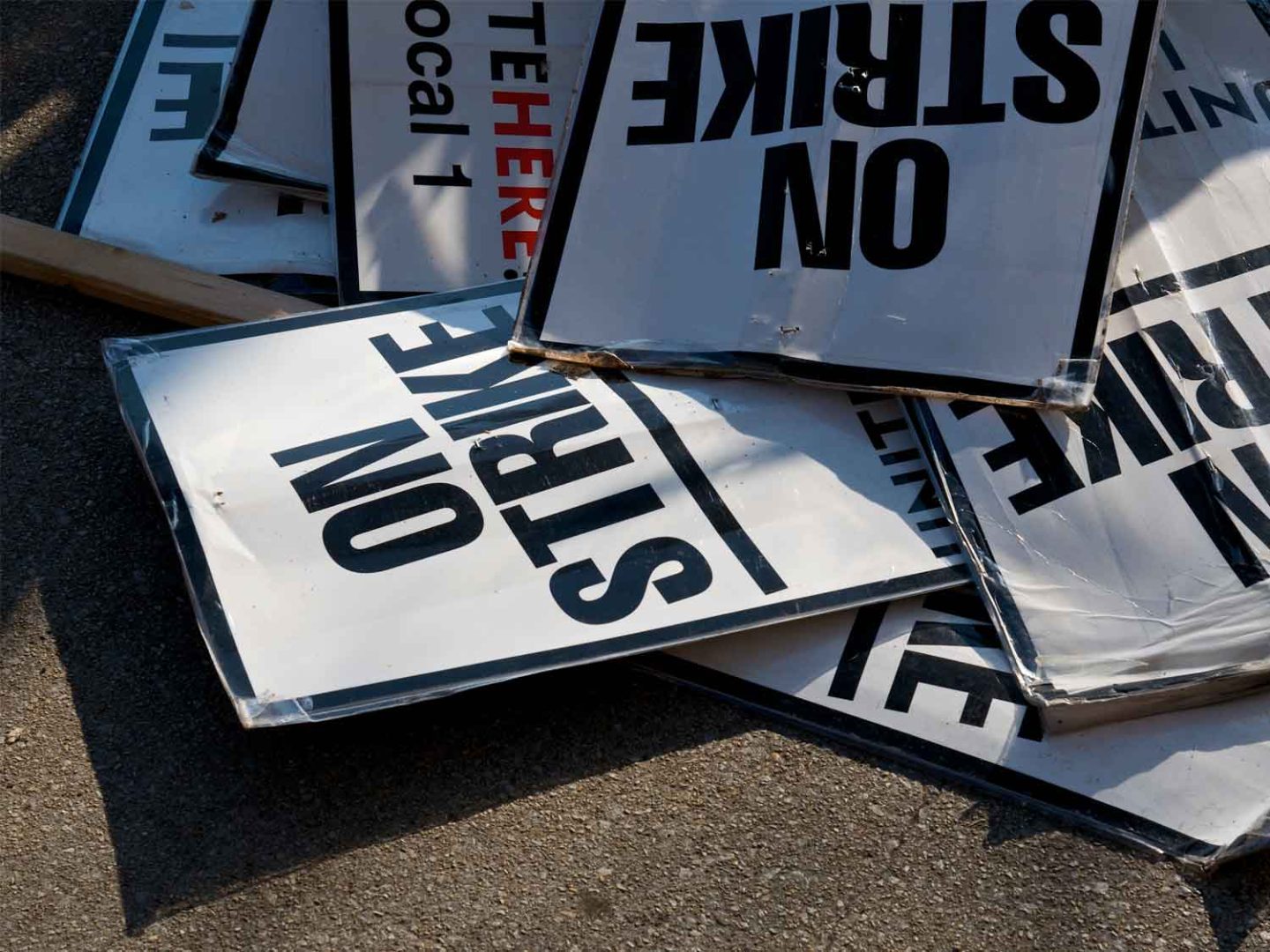
strike signs 1440x1080 1

US East Coast dockworker strike: Temporary resolution but risks remain for January

While a tentative agreement between the International Longshoremen’s Association (ILA) and the United States Maritime Alliance (USMX) has paused the strike, a final resolution must be reached in January 2025, or further disruption could occur.

The recent US East and Gulf Coast dockworker strike, which began on 1st October 2024 and lasted three days, caused significant disruptions across 36 key ports, including New York, Savannah, and Houston.

During the strike, over 50 vessels were anchored offshore, impacting approximately 1.4% of the global container shipping fleet. Carriers including CMA CGM, ONE, and APL declared force majeure, leading to potential rerouting, delays, and added costs for shippers. This has highlighted the importance of securing comprehensive marine insurance to mitigate risks such as unexpected storage costs, rerouting, and delays.

Though some cargo was rerouted to alternative ports in Canada and Mexico, these measures provided limited relief due to limited capacity and congestion at those facilities.

With another 100 vessels en-route the length of time required to clear the backlog remains uncertain, and the resulting congestion could persist well into Q4. Additionally, carrier surcharges are expected to remain in place on all cargo to and from the US, further increasing costs for shippers.

If the ILA and USMX fail to reach a final agreement by January, the resumption of the strike could lead to significant global supply chain disruptions. Nearly 50 vessels were affected during the initial strike, and this number could rise, with an estimated 2.22 million TEU of cargo capacity tied up by the end of the month if no resolution is found

To discuss the current situation and how Metro can protect your supply chain, please EMAILAndrew Smith, Chief Commercial Officer.

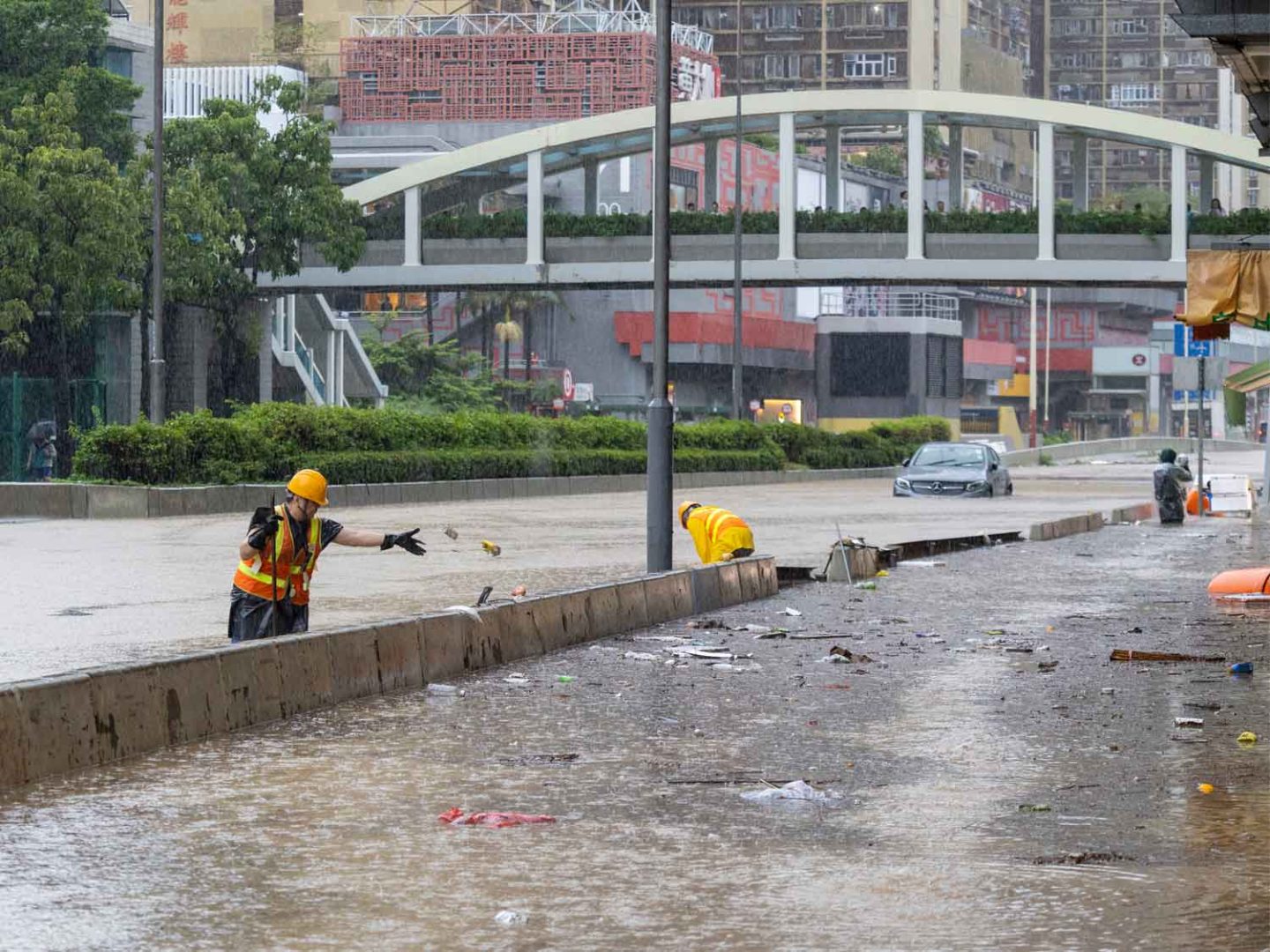
Typhoon HKG 1440x1080 1

Supply chains brace for more disruption as storm season intensifies

From wildfires and floods to scorching heatwaves, the consequences of climate change are becoming more pronounced, and as we enter the peak shipping season, businesses are scrambling to prepare for what is predicted to be one of the most disruptive storm seasons in recent memory.

So far in 2024 supply chain disruptions caused by extreme weather are estimated to have cost companies billions of pounds, and the storm season is far from over. Hurricanes, wildfires, and floods have already stretched global supply lines thin, and the arrival of storms like Typhoon Bebinca, which threatened Shanghai this week, adds a fresh layer of concern.

Increased visibility allows managers to pinpoint disruptions and adjust supply chains accordingly, and the key to weathering these events lies in preparation. Shippers are diversifying their carrier bases and building inventory buffers to keep goods moving in the face of challenges. Strategic planning, such as maintaining safety stock for high-demand items, has become essential in managing supply chain risks.

The heightened storm season comes as companies are already reeling from the effects of wildfires in California and Australia, as well as floods that have caused widespread damage to transportation networks in Asia.

While technology and data-driven insights have made supply chains more resilient, this year’s relentless barrage of natural disasters is proving particularly difficult to navigate. While technology can help predict and respond to the impact of storms, it is only effective when paired with clear communication and regular updates on shipments.

The threat posed by Typhoon Bebinca is yet another reminder of the supply chain vulnerabilities that remain, with Shanghai closing ports, cancelling, and halting transportation links to ensure safety. With more storms likely in the coming months, companies must remain agile and vigilant, ready to adapt to further disruptions.

The need for resilience and adaptability is more pressing than ever, as companies navigate the challenges ahead. This season may prove to be one of the toughest in recent memory, but for those prepared, there are still opportunities to maintain operational continuity in the face of adversity.

Extreme weather events consistently highlight the vulnerability of supply chains and the importance of robust contingency plans and marine insurance to protect against risk.

We have been maintaining supply chain resilience in the face of unforeseen challenges for decades. To learn how we can develop and support your supply chain resilience EMAIL our Chief Commercial Officer, Andy Smith.

Fire on ship 2 1440x1080 1

Container ship fires trigger operational and financial risks

The temporary closure of the Beilun Phase III Terminal at Ningbo (one of the world’s busiest container ports) following an explosion on the YM Mobility on the 9th of August, is yet another example of the fragility of global supply chains and the inevitable ripple effects such events have on shipping operations.

Even though operations resumed on the 12th of August, the brief interruption is expected to exacerbate existing congestion at major Asian ports, leading to delays and highlights the vulnerability of global trade to sudden disruptions.

Shipping schedules are likely to deteriorate further, which will directly impact the timely delivery of goods, which could lead to cascading effects across industries, particularly those with narrow sales windows, or reliant on just-in-time delivery.

While there will always be options to mitigate these delays, such as rerouting through less congested ports, the full impact of incidents like the YM Mobility fire only become apparent in the ensuing weeks. And while it’s possible to protect the business from supply chain shocks, having comprehensive marine insurance to protect the businesses from financial shocks is equally critical.

The Ningbo fire is not an isolated incident. Just two days later, on the 11th of August, another fire broke out aboard the MSC Capetown III at Sri Lanka’s Port of Colombo. This fire, which began in the under-deck cargo space, escalated to an explosion.

Despite the successful containment of the fire, the incident once again brought attention to the recurring issues of mis-declared cargo and inadequate insurance coverage.

Fires aboard container ships are not uncommon, with recent events involving the Maersk Frankfurt (in July) and YM Mobility further emphasising the need for shippers to ensure their goods are adequately protected. Mis-declaration of cargo remains a significant problem, putting both the vessel and other cargo at risk.

One critical aspect that many shippers overlook is the principle of General Average (GA). In the event of an emergency where costs are incurred to protect the vessel and complete the voyage, all cargo owners are expected to contribute to these expenses. However, without proper marine insurance, shippers may find themselves liable for significant costs, even if their own cargo was not directly damaged.

Shippers must recognise that relying solely on the limited coverage offered by freight forwarders or carriers is insufficient. Comprehensive marine insurance, such as Metro’s All Risks cover, offers essential protection against total loss, damage, and GA declarations, safeguarding businesses from potentially catastrophic financial losses.

In conclusion, the recent fires at ports like Ningbo and Colombo serve as a critical reminder of the vulnerabilities within the global supply chain. Businesses need to be prepared for disruptions and protect their financial interests with adequate marine insurance, ensuring that they can weather the inevitable storms that arise in global shipping.

When General Average is called, the consignee will need to provide security for the cargo’s proportion of the General Average, typically a percentage-based deposit, or an Underwriter’s Guarantee.

Metro’s All Risk marine insurance covers the full value of your goods and protects you against all loss of cargo and the risk of General Average, including your Underwriter’s Guarantee.

For further information on our marine insurance cover and to ensure that you have full liability, please EMAIL Laurence Burford, Chief Financial Officer.