Panama COSCO ship

Panama Canal constraints add another layer of pressure to transpacific shipping

The transpacific market is entering an even firmer phase, with stronger cargo demand, restricted vessel capacity and new Panama Canal constraints combining to increase costs and tighten space, particularly into the US East and Gulf coasts.

Spot rates indexes have continued to strengthen through the summer, with Shanghai–New York increasing 10% and Shanghai–Los Angeles rising 6% WoW. These rises extend the rebound seen since July and reflect sustained demand from Asia, with deliberate capacity management by the container shipping alliances.

Carriers cancelled ten transpacific sailings in each of the past two weeks, with another seven cancellations planned for this week. By removing capacity, lines are supporting vessel utilisation and rates at a time when congestion and equipment availability in China are already restricting effective supply.

Panama becomes a capacity issue

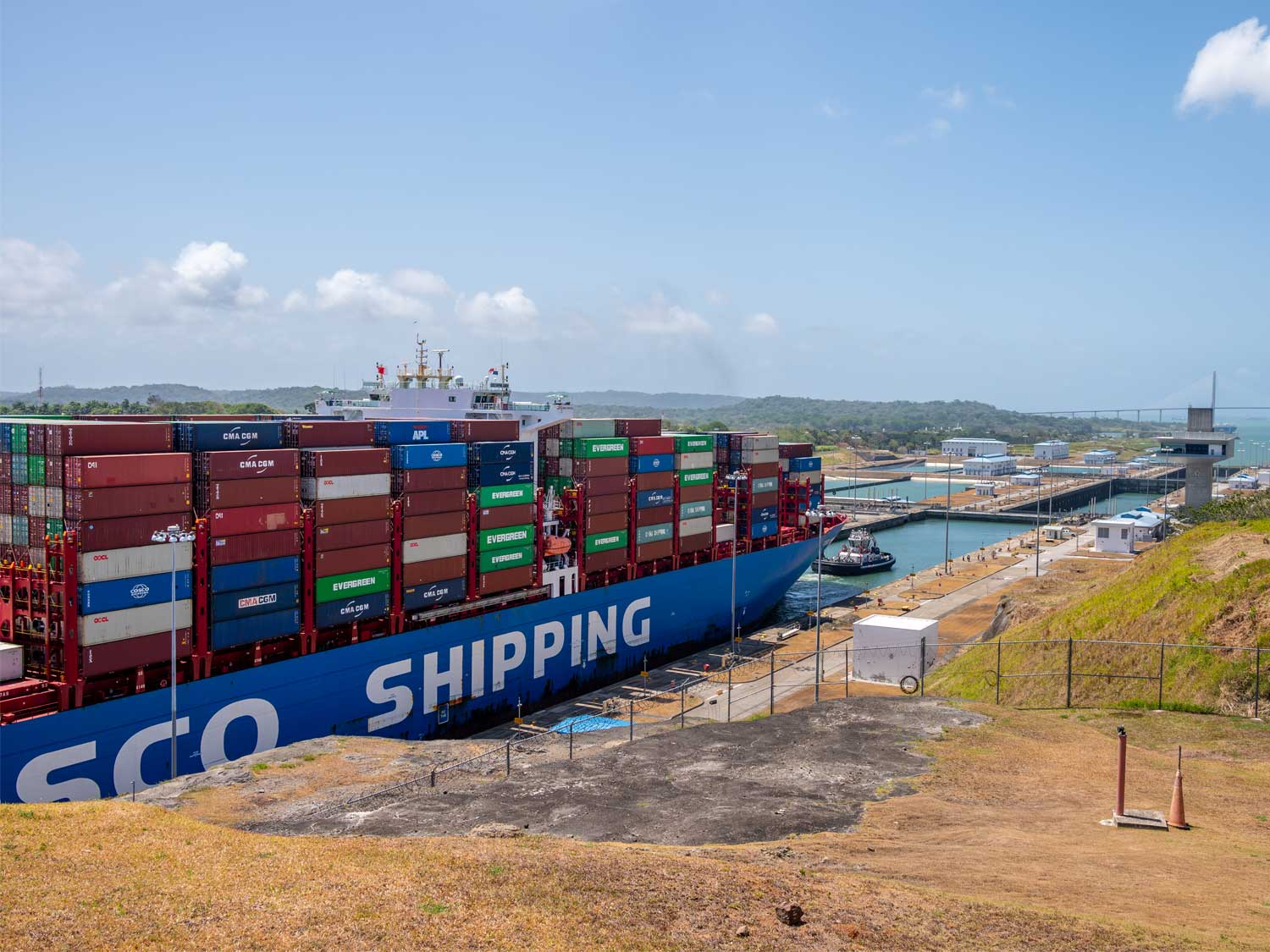
The Panama Canal is adding another significant factor for Asia–US East Coast and Gulf Coast services.

Water management measures are reducing the maximum permitted draft for vessels using the Neopanamax locks. The Canal has progressively tightened draft allowances during 2026 as it manages Gatun Lake water levels and prepares for the potential effects of El Niño.

The restrictions do not necessarily reduce the number of vessels able to transit each day. Instead, they do affect how many containers individual ships can carry. A lower maximum draft can force heavily laden containerships to reduce their loads before transiting, effectively removing container capacity from services even when scheduled sailings continue operating.

That matters because more than half of the Neopanamax vessels serving the US East and Gulf coasts currently transit Panama. The effect could therefore extend well beyond the Canal itself, tightening available space on some of the transpacific's most important services.

The Canal's normal Neopanamax specification allows a maximum draft of 50 feet, illustrating how progressively lower limits can constrain vessel utilisation.

Costs are beginning to reflect the restrictions

Carriers are already responding commercially. Several lines have announced Panama Canal surcharges for Asia–US East Coast and Asia–Gulf Coast cargo, with further charges scheduled to take effect from September.

These additional costs arrive as freight rates are already strengthening. With carriers controlling capacity through blank sailings and Canal restrictions potentially reducing the amount of cargo individual vessels can carry, there is less spare capacity available to absorb increases in demand.

The result could be a less volatile but structurally firmer transpacific market through the remainder of the traditional peak season. Rather than dramatic week-to-week movements, shippers could face sustained pressure on rates, space and equipment availability.

West Coast routings gain strategic importance

US West Coast services avoid the Panama Canal altogether, potentially giving shippers another option when East and Gulf Coast capacity becomes constrained. However, any significant diversion of cargo towards Los Angeles, Long Beach and other Pacific gateways could increase pressure on vessel space, port capacity, rail connections and inland transport.

That inland element is becoming particularly important because US trucking costs are rising sharply. National dry-van spot rates remain more than 40% above 2025 levels, while the average shipper-paid spot rate including fuel increased by almost 50% year on year in July.

Pressure is particularly evident around the West Coast gateways. In Los Angeles, outbound shipper-paid spot rates rose more than 50% year on year in July, as stronger inland movements from the country's largest container gateway coincided with reduced available trucking capacity.

Higher costs do not simply reflect stronger freight volumes. In some US regions, expenditure has increased substantially despite falling shipment volumes, demonstrating how capacity withdrawal, carrier pricing and operating costs can drive rates higher even when demand remains subdued.

US diesel prices are around 40% higher year on year, increasing carrier costs and fuel surcharge exposure. Less-than-truckload pricing is also strengthening, with general rate increases typically around 7% and some contract renewals moving into double-digit increases.

For transpacific shippers, this changes the calculation. Rerouting cargo through the West Coast may avoid Panama Canal restrictions and surcharges, but higher inland transport costs could offset some or all of the ocean freight advantage.

Metro connects Asia with a growing US network

The lowest ocean rate does not always deliver the lowest overall cost. With transpacific capacity tightening, Panama Canal restrictions adding complexity and US inland transport costs rising, shippers need to consider the entire journey across ocean, port, rail and road.

Metro's established Asian network and growing US footprint give shippers the flexibility to compare East Coast, Gulf Coast and West Coast options based on total landed cost, capacity, transit time and final destination. From securing ocean space and selecting the right gateway to coordinating inland transport and final delivery, Metro optimises the supply chain as a whole.

To learn more, EMAIL Managing Director Andrew Smith today.

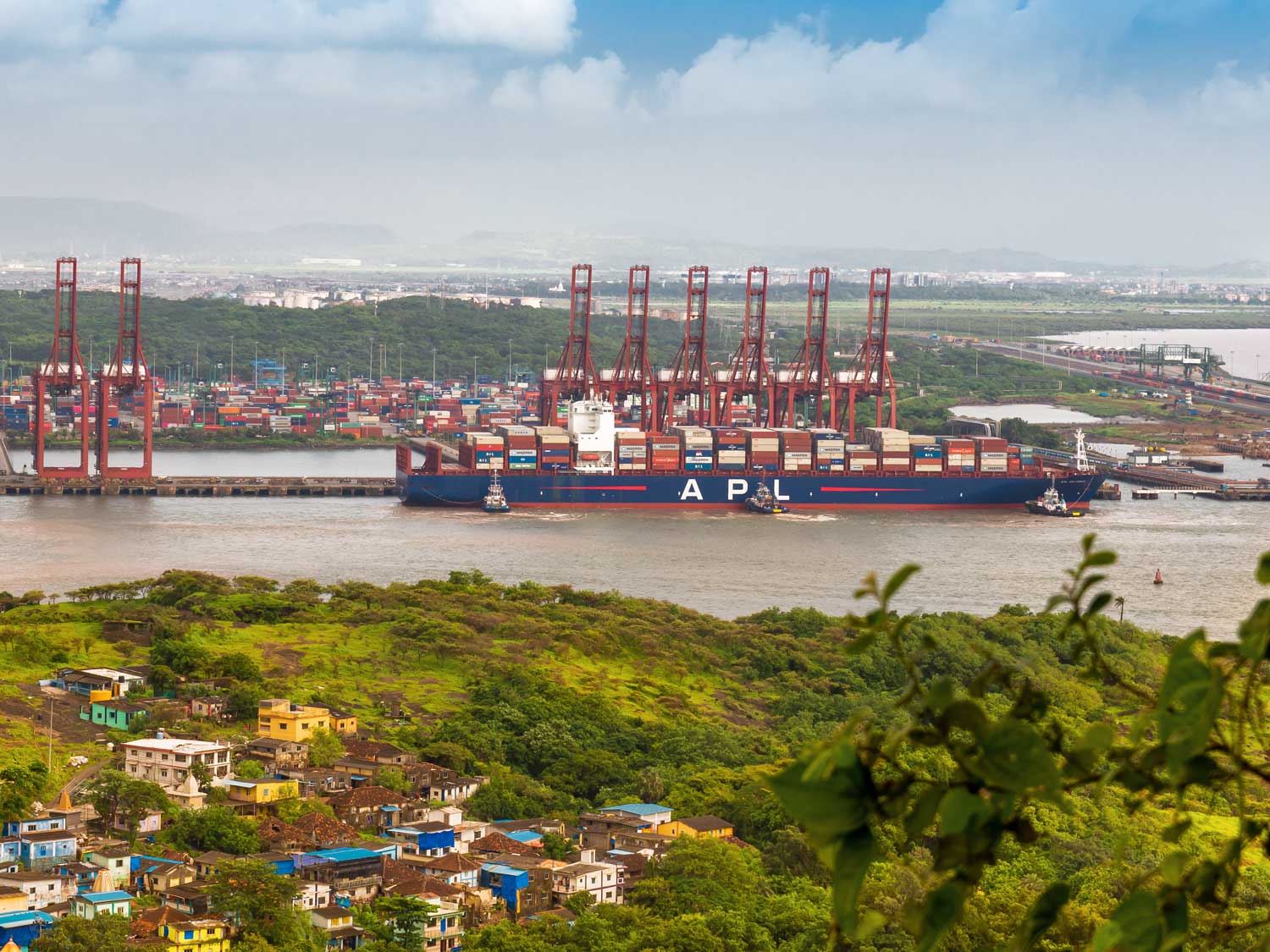
Nhava Sheva

Customer Advisory: India and China Container Shipping Disruption

Container shipping markets in India and China are experiencing significant operational disruption, resulting in longer transit times, reduced schedule reliability, constrained equipment availability and rising freight costs.

Metro is working closely with shipping lines, terminals and inland partners to minimise disruption and identify practical alternatives for affected cargo. Customers are advised to plan shipments as early as possible and allow additional time throughout their supply chains.

India market update

The Indian container market is under sustained pressure across both export and import supply chains.

A combination of strong export demand, restricted carrier capacity, equipment shortages and ongoing congestion at key gateway ports is making vessel space increasingly difficult to secure. These conditions are contributing to vessel rollovers, revised sailing schedules, extended transit times, peak season surcharges (PSS) and highly volatile freight rates.

The India–US and Latin America trades remain under the greatest pressure, particularly for cargo moving to the US East Coast.

Freight rates and surcharges

Spot-market freight levels for India–US East Coast shipments are currently ranging from approximately USD 10,000–12,000 per 40HC, depending on port pairing, routing and available capacity.

Carriers continue to introduce Peak Season Surcharges for both spot and contract cargo. These charges increased through August, with further increases being announced for September.

On the India–US East Coast trade:

  • Average August PSS levels are around USD 5,000 per 40HC
  • Maersk has announced a PSS increase to USD 7,500 per 40HC, effective 1 September
  • Further PSS increases remain possible across other India export markets

Rate volatility is expected to continue into September as carriers maintain tight capacity controls and place further pressure on allocations.

Port congestion and equipment availability

Active monsoon conditions are affecting port operations and inland transport across India’s west coast. The disruption is expected to continue in the near term and may cause further delays to container movements, terminal operations, rail services and road transport around major gateways. 

Major Indian gateways, particularly Nhava Sheva/JNPT, continue to experience congestion caused by vessel bunching, terminal capacity pressure, rail delays and limited transport equipment availability.

Key gateways potentially affected include:

  • JNPT / Nhava Sheva: India’s busiest container gateway and a major export hub for US-bound cargo
  • Mundra: India’s largest private container port, handling significant volumes of US-bound exports
  • Hazira: An important feeder and export gateway for manufacturing cargo from Western India

Container availability, particularly for 40HC equipment, remains inconsistent at several export locations. This may delay booking confirmation and require longer lead times for exporters.

Customers should anticipate additional variability in shipment timing, particularly where cargo depends on inland positioning or feeder connections.

China port disruption

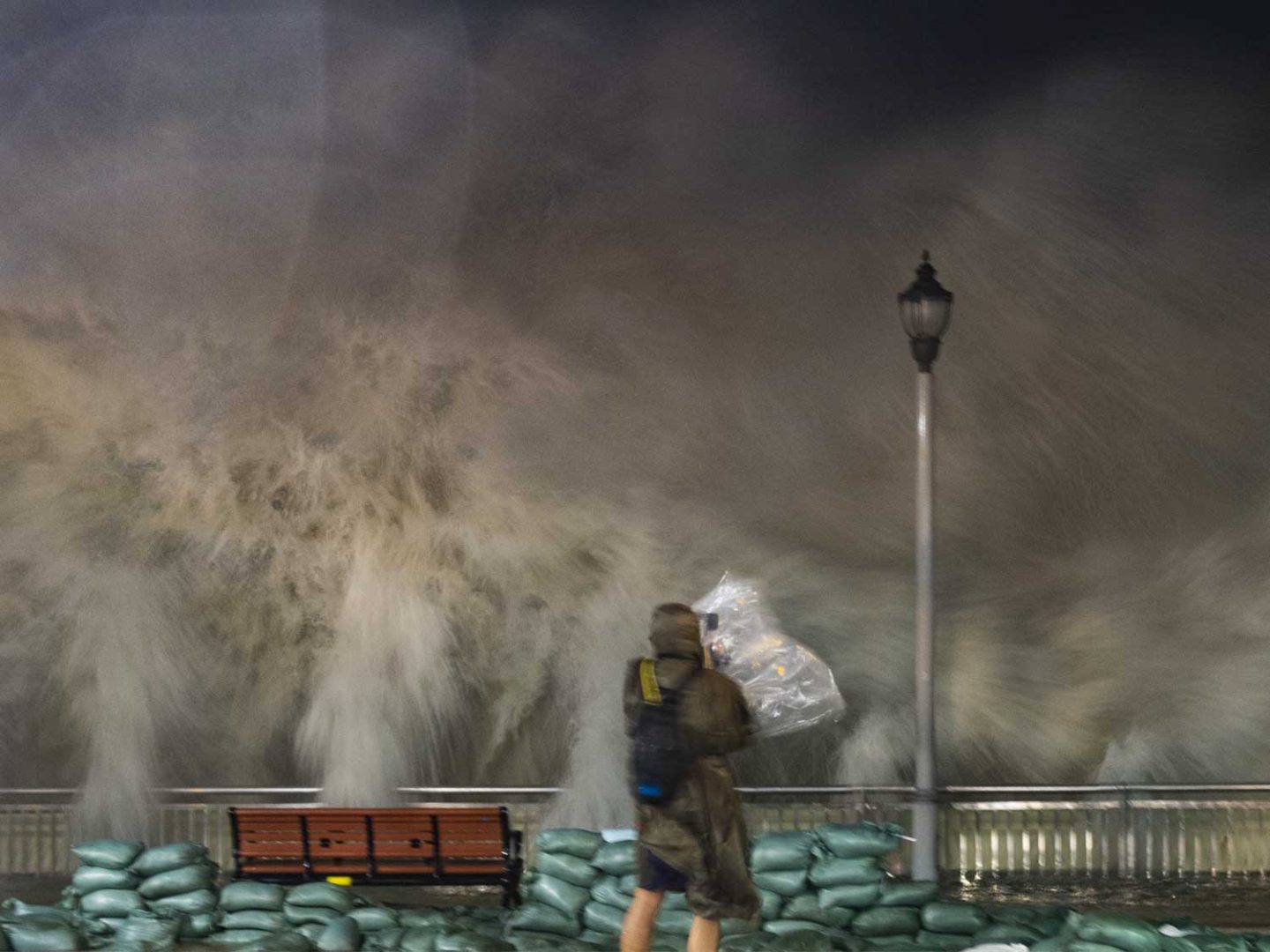
Typhoon Dolphin has created further disruption at Chinese ports following the impact of Typhoon Bavi just weeks earlier.

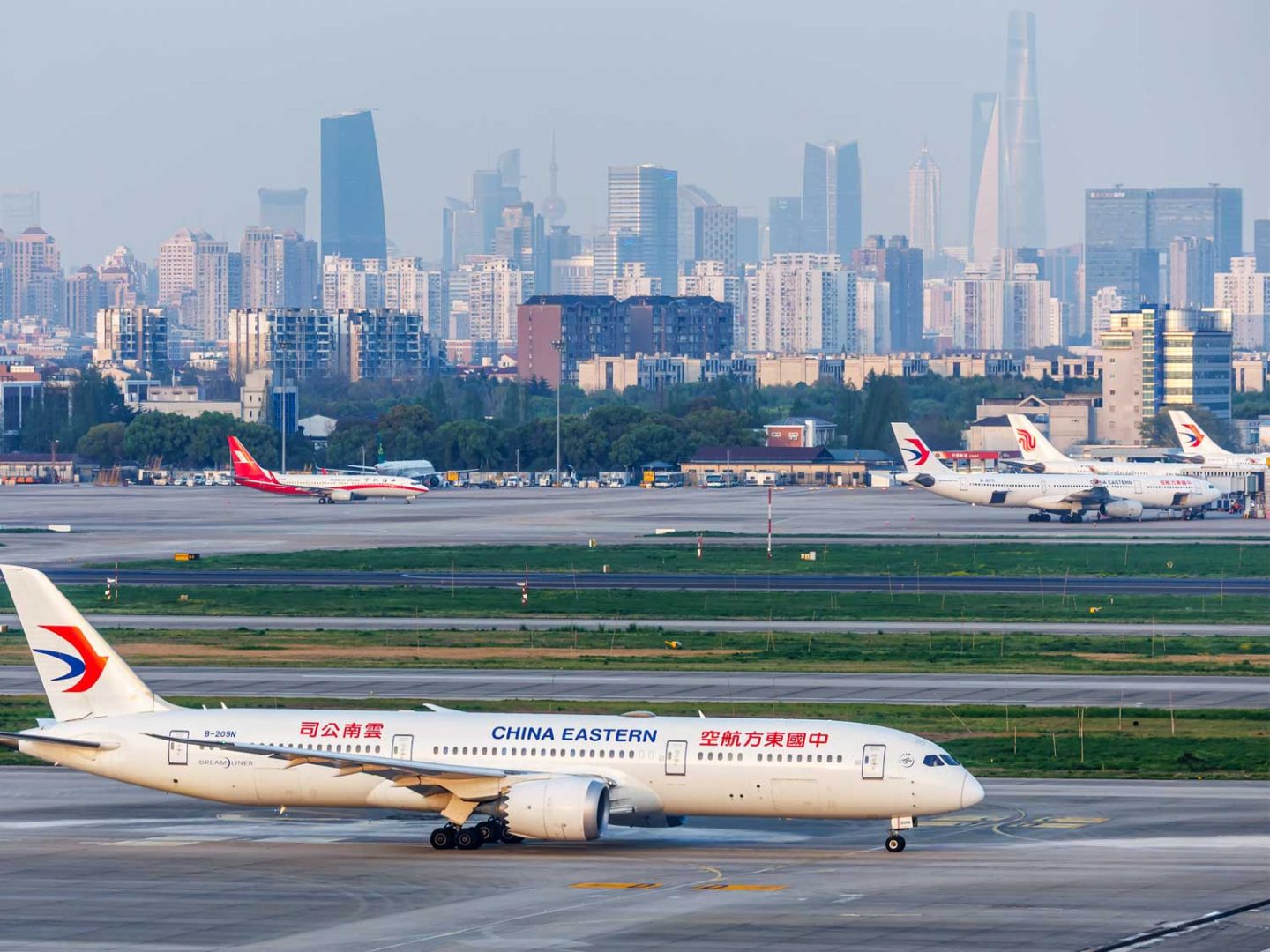
The storm brought heavy rain and strong winds to Zhejiang province before moving on as a tropical storm. Authorities have warned of continued risks from torrential rain, flooding and landslides, while flight cancellations and transport disruption have also affected the wider region.

Port and vessel impact

Temporary closures at Shanghai, Ningbo-Zhoushan and surrounding feeder ports disrupted cargo handling and vessel movements.

Current impacts include:

  • Vessels delayed, held at anchorage or diverted to alternative ports
  • Service schedules changing at short notice
  • Delays of 7–21 days remaining common on affected services, with some potentially longer
  • Ongoing congestion as terminals process accumulated cargo
  • Localised disruption to rail, road and barge transport, despite conditions gradually improving

Port productivity is beginning to recover in some locations, but congestion and schedule disruption are expected to persist while backlogs are cleared.

Metro will continue to monitor developments closely and work with carriers and partners to secure capacity, explore alternatives and keep customers informed of material changes.

Typhoon HKG 1440x1080 1

Climate is becoming one of the biggest supply chain risks

For years, weather disruption was largely viewed as an operational inconvenience. A storm might delay a vessel, flooding could close a road for a day or two, or high winds might temporarily suspend port operations. That is no longer the case.

Across the world's major trade routes, climate-related disruption is becoming more frequent, affecting more regions at the same time and lasting significantly longer. Drought, heatwaves, wildfires and tropical storms are now influencing shipping capacity, inland transport, manufacturing and inventory planning simultaneously.

Recent events across Europe, Asia and the Americas demonstrate that weather is no longer simply an environmental issue. It’s becoming a fundamental supply chain risk that needs to be anticipated and planned for. 

Panama Canal faces renewed pressure

One of the clearest examples is the Panama Canal, where falling water levels in Gatun Lake have prompted the Panama Canal Authority to progressively reduce maximum vessel draft during the summer as it conserves freshwater ahead of an anticipated Super El Niño. While current restrictions remain less severe than those experienced during the 2023 drought, they are already increasing costs for shippers. 

Several major ocean carriers have introduced Panama Canal surcharges ranging from $100 to $320 per TEU on Asia-US East Coast and Gulf Coast services, reflecting the reduced cargo each vessel can carry under tighter draft restrictions. Although the canal continues to operate normally, any future reduction in daily transit slots would have a much greater impact on schedule reliability than the current draft limits alone. 

Europe's rivers are feeling the strain

The effects of prolonged hot, dry weather are also being felt across Europe's inland transport network.

Water levels on the Rhine have fallen to critically low levels, severely restricting barge operations between Rotterdam, Antwerp and inland Germany. Operators have been introducing low-water surcharges for several weeks, while some services have become commercially or operationally unviable. 

Efforts to transfer freight onto rail have proved equally challenging, with alternative corridors already operating close to capacity because of ongoing infrastructure works.

For manufacturers relying on Europe's inland waterways, disruption is no longer confined to river transport, it increasingly affects rail capacity, road availability and overall distribution costs.

Wildfires are disrupting European road freight

Across southern Europe, another climate-related challenge is emerging, as large wildfires in France and Spain disrupt some of Europe's busiest freight corridors through road closures, diversions, reduced visibility and extreme temperatures. Longer journey times are increasing fuel consumption, delaying deliveries and placing additional pressure on temperature-controlled supply chains. 

The impact extends well beyond the affected regions. France remains the principal land bridge between the UK and the Iberian Peninsula, and with around 75% of UK trade with continental Europe transported by road, closures and diversions across France can have far-reaching consequences for supply chains across Europe.

For businesses importing fresh produce or operating just-in-time supply chains, even relatively localised events can have continent-wide consequences.

Typhoon season continues to test Asian supply chains

Meanwhile, North Asia is experiencing another challenging tropical storm season.

Following the disruption caused by Typhoon Bavi, Typhoon Dolphin is threatening further delays across one of the world's busiest manufacturing and shipping regions. Major ports including Shanghai, Ningbo and Qingdao are already managing congestion, with delays of up to 8 days and while the typhoon is being downgraded, another severe weather event risks extending vessel queues and delaying cargo movements before previous backlogs have fully cleared. 

The timing is particularly significant as peak season demand continues, increasing pressure on both container shipping and bulk commodity movements throughout the region.

Weather disruption is becoming interconnected

Individually, each of these events presents a local operational challenge, but together, they highlight a much broader trend.

Lower water levels restrict major waterways. Heat and drought increase wildfire risk. Tropical storms disrupt manufacturing and port operations. Each event creates knock-on effects that spread rapidly through global supply chains, affecting transport capacity, transit times and logistics costs far beyond the immediate area.

With forecasters warning that a strengthening Super El Niño could increase the frequency and severity of weather extremes over the coming months, businesses should expect climate-related disruption to remain a significant operational risk. 

Building resilience into the supply chain

Extreme weather can no longer be treated as an occasional disruption that businesses simply react to.

Organisations that build resilience into their supply chains, through flexible transport options, contingency planning, alternative routings and greater supply chain visibility, will be far better placed to manage future disruption than those relying on historical weather patterns.

As climate events become more frequent and interconnected, resilience is becoming every bit as important as cost and transit time.

Whether you're moving freight through Europe, North America or Asia, Metro can deliver visibility throughout your supply chain and help you prepare for disruption before it happens. From alternative routings and multimodal solutions to warehousing, customs and contingency planning, we'll help build a more resilient supply chain that keeps your cargo moving when conditions change.

EMAIL Managing Director, Andrew Smith to start a conversation. 

Typhoon HKG 1440x1080 1

Typhoon Bavi exposes fragility in global supply chains

Typhoon Bavi, an exceptionally powerful and large tropical cyclone that tore through the Western Pacific last week may have passed, but its impact on global supply chains will linger for at least another week. 

After forcing the temporary closure of several of China's most important container gateways, the storm has left shipping lines, ports and shippers facing weeks of disruption as vessel schedules recover and freight networks work through mounting backlogs.

The Category 5-equivalent super typhoon swept across eastern China in mid-July, bringing winds exceeding 140 km/h and affecting an area almost 1,000 kilometres wide. As the storm approached, ports suspended operations, vessels were ordered to leave exposed berths and inland feeder terminals closed as a precaution. Although terminals have now reopened, the disruption created during just a few days of closures is continuing to ripple through global logistics networks.

For importers and exporters, the lesson is becoming increasingly clear. Modern supply chains are no longer disrupted only by geopolitical events or capacity shortages. Severe weather is now capable of creating global consequences that last long after the skies have cleared.

China's busiest ports face weeks of recovery

Shanghai and Ningbo, the world's first and third busiest container ports respectively, bore the brunt of the disruption. Together they handle tens of millions of containers every year and sit at the heart of manufacturing supply chains serving Europe, North America and the rest of Asia.

As Typhoon Bavi approached, container terminals suspended operations, vessels left deep-water berths and truck movements were halted. Along the Yangtze River, feeder ports linking inland manufacturing centres with Shanghai also closed, temporarily severing one of China's most important export corridors.

Operations resumed once the storm had passed, but reopening terminals is only the first stage of recovery. Every delayed vessel must still be berthed, unloaded and reloaded before shipping schedules can begin returning to normal.

Industry analysts estimate that almost two million TEU of container capacity was delayed by the disruption, with North Asia accounting for more than half of all global port congestion during the immediate aftermath. Current forecasts suggest ports may require at least two weeks to work through the accumulated backlog.

Vessel queues continue to grow

The operational impact became visible almost immediately after ports reopened.

The queue of vessels waiting outside Shanghai more than doubled within a week, rising from fewer than 60 ships before the closures to well over 120. Ningbo experienced a similar pattern, with waiting vessels increasing by almost 70%, while congestion also spread north to Qingdao following precautionary closures there.

Waiting times have lengthened accordingly. Some vessels are now experiencing delays of several days before securing a berth, while carriers operating certain services face considerably longer waits as terminals prioritise arrivals and reorganise schedules.

The disruption extends well beyond the ports themselves. Warehousing, customs processing, container yards and trucking operations all require time to absorb the surge in cargo released once terminals reopen. As containers accumulate, equipment availability tightens, truck demand rises and inland transport networks come under increasing pressure.

Delays are spreading across global shipping networks

The consequences are now extending far beyond eastern China. Shipping lines have omitted calls at Shanghai and Ningbo on several international services, instead diverting cargo through alternative hubs including Hong Kong, Singapore and Busan before arranging onward transhipment. Other vessels have been forced to skip scheduled ports entirely or adjust voyage rotations to recover lost time.

These changes inevitably create further disruption downstream. Delayed vessels arrive at subsequent ports outside their planned windows, leading to berth congestion elsewhere, missed feeder connections and revised cut-off times for exporters. Cargo originally booked on one sailing may be rolled to another, while importers face growing uncertainty over arrival dates.

The cumulative effect is that disruption continues travelling through global shipping networks long after the original weather event has ended.

Extreme weather is becoming a strategic supply chain risk

Typhoon Bavi is the latest reminder that climate-related disruption is becoming an increasingly significant operational challenge for global trade.

Maritime transport carries more than 80% of world merchandise trade, making the resilience of major ports critical to international supply chains. Yet severe weather events are becoming both more frequent and more disruptive, with tropical cyclones already responsible for months of cumulative port disruption each year.

For shippers, this changes the nature of supply chain risk. Weather-related disruption can no longer be viewed simply as a short-term operational inconvenience. Increasingly, it affects inventory planning, manufacturing schedules, customer service and working capital across international supply chains.

Building resilience now requires more than securing freight capacity. Businesses also need timely visibility into where products are, how disruption is developing and which shipments require immediate intervention.

Visibility is becoming a competitive advantage

When disruption occurs, the biggest challenge is often not the delay itself but understanding exactly how individual shipments are affected.

Metro's MVT platform provides end-to-end shipment visibility down to SKU level, allowing customers to monitor cargo movements, identify disruption early and make informed decisions before delays impact production, inventory or customer commitments. Combined with Metro's global freight expertise, MVT transforms complex supply chain data into actionable intelligence, helping businesses maintain control when international logistics become increasingly unpredictable. EMAIL Managing Director Andrew Smith today.