container ships

Sea freight situation and outlook for 2025

With 2024 characterised by elevated freight rates and fluctuating dynamics, the container shipping lines have emerged as the primary financial beneficiaries, leveraging rate increases and stabilisation efforts to maintain profitability.

The outlook for 2025 presents a mixed landscape of opportunities and challenges, driven by shifting demand patterns, increased capacity, and geopolitical uncertainties.

Current market dynamics
Freight rates remain significantly above pre-crisis levels. Despite a gradual downward trend in global head-haul rates, the market has stabilised, suggesting a potential period of relative equilibrium in the coming quarters. 

Recent general rate increases (GRIs) by Asia-Europe carriers have demonstrated success, with rates on key routes from Asia to Europe rising by over 20%.

These elevated rates are expected to persist until the Chinese New Year in late January 2025. However, the seasonal decline in demand and the introduction of new alliance networks in February may present an opportunity for shippers.

Supply chain and capacity dynamics
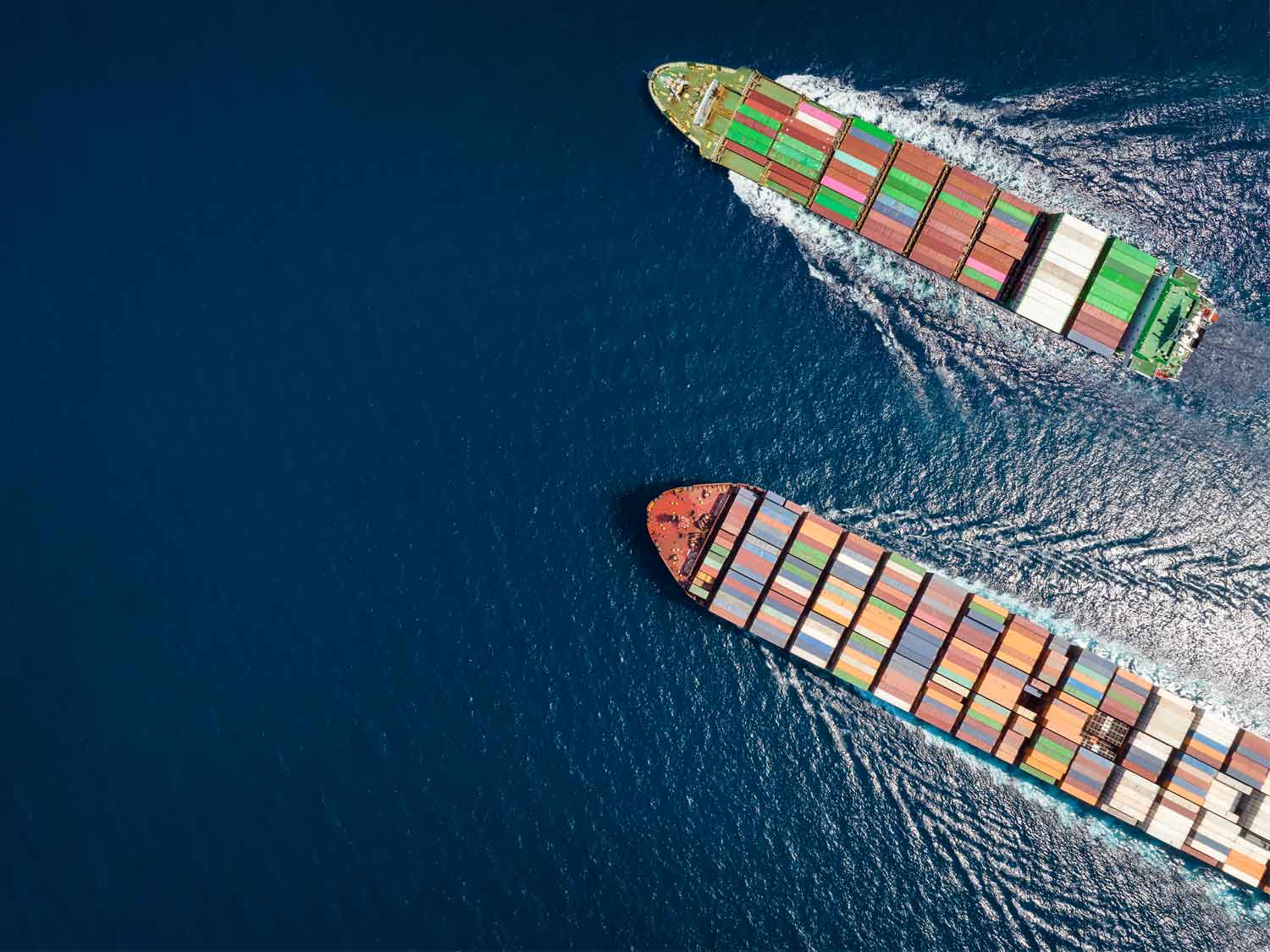
Global shipping capacity grew by nearly 5% in Q3 2024, supported by minimal fleet idling and increased vessel activity. Ships previously affected by Suez Canal disruptions have returned to regular service, further bolstering capacity.

Nevertheless, the risk of overcapacity looms large. Continued vessel deliveries, combined with low scrappage rates, may necessitate fleet rationalisation if demand weakens. Carriers remain bullish, adding capacity to secure competitive positioning despite potential imbalances.

Outlook for 2025
The sea freight market in 2025 is expected to face moderate demand growth, projected at around 3-4%, though low consumer confidence and increased import tariffs in key markets, particularly the United States, may temper this growth. Additionally, manufacturing indices in major regions, including China and Europe remain suppressed limiting demand potential.

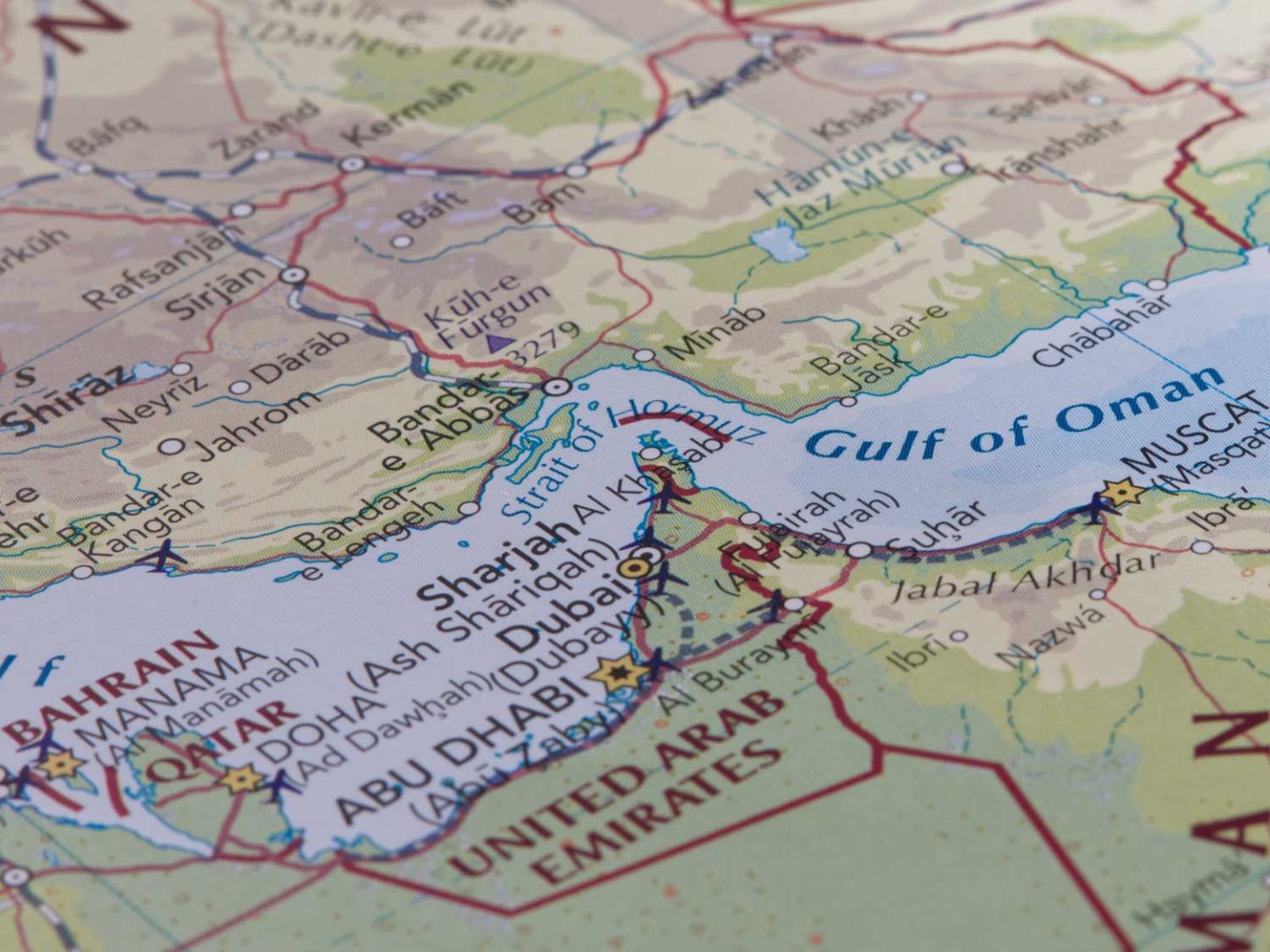
Geopolitical uncertainties will continue to shape the market. Ongoing negotiations in U.S. East and Gulf ports could lead to disruptions if unresolved by the 15th January 2025, while tensions in the Red Sea pose potential risks to key shipping routes.

Trade policy remains a critical factor, with proposed tariff increases in the United States potentially reshaping containerised cargo flows, particularly on Asian export routes. Meanwhile, the temporary rerouting of vessels around the Cape of Good Hope has absorbed some capacity, but a return to normal operations through the Suez Canal could intensify supply-demand imbalances.

As geopolitical risks and market disruptions continue to loom over the industry, maintaining resilient supply chains and budgeting effectively will be key priorities for shippers navigating the complexities of 2025’s sea freight landscape.

In a volatile sea freight market, our fixed-rate agreements on popular shipping routes reduce risk and provide essential budgetary certainty. 

To explore how Metro’s fixed-rate options could support your business in 2025, please EMAIL chief commercial officer Andy Smith.
Trump on tv 1440x1080 1

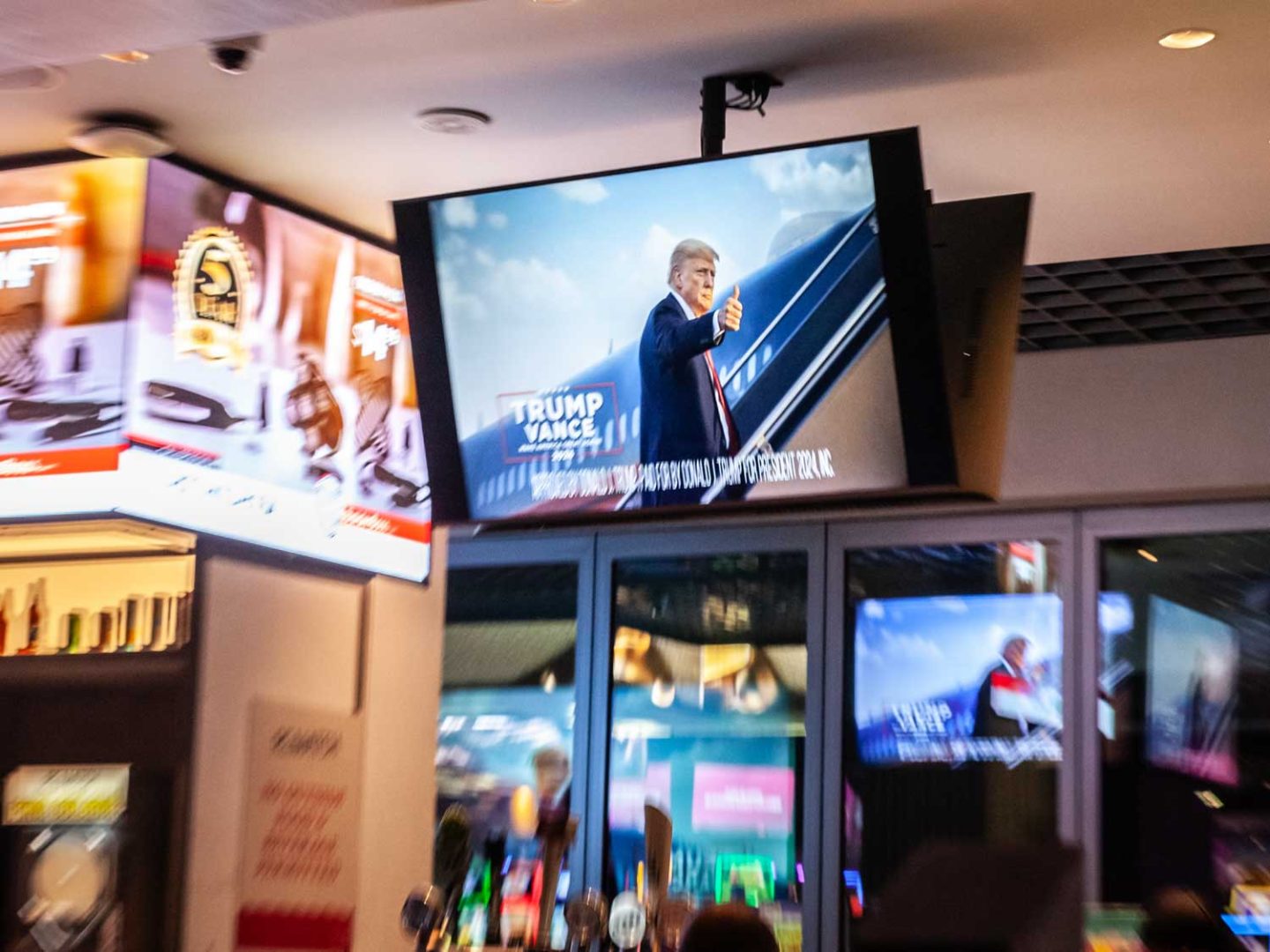
The potential impact of the new US administration on global trade

As the United States, and the world, braces for potential shifts in trade policy, new tariff proposals and ongoing supply chain challenges are reshaping the global logistics landscape.

President-Elect Trump’s threatened trade tariffs, along with geopolitical and operational pressures, are driving significant changes in import patterns, freight rates, and supply chain strategies.

Protectionist policies
President Trump’s first administration was marked by aggressive trade policies, and his second term is marked by a resurgence of tariff-based strategies targeting China and other major trading partners. Proposed tariffs include a universal rate of 10-20% on all imports to the US, with an additional 60-100% on imports from China, together with another 10% above any additional tariffs, on all products, until the supply of the illegal drug fentanyl ceases. 

These measures could significantly raise consumer costs for goods such as apparel, toys, furniture, and household appliances. In 2023, tariffs on Chinese apparel cost U.S. companies and consumers $1.3 billion, with forecasts estimating that consumers would pay between $13.9 billion and $24 billion more annually due to the proposed tariffs.

Additional tariffs could reduce trans-Pacific shipping volumes, while supply chains may diversify further to Southeast Asia, India, and Latin America. These shifts would alter global shipping patterns and potentially lower container shipping demand from Asia.

Surge in imports ahead of tariffs
The prospect of new tariffs is expected to accelerate import activity, as businesses aim to pre-empt the potential cost increases by expediting shipments, placing substantial demand on vessel space. This surge, if realised, would exacerbate pressures on an already strained logistics infrastructure, particularly during peak seasons.

Volatility in sea freight rates
Tariff-driven demand spikes are poised to push freight rates higher, especially on trans-Pacific routes. Companies, wary of increasing costs, are likely to explore alternative sourcing locations outside China, though this has been complicated further as the US president-elect said he would sign an executive order imposing a 25% tariff on all goods coming from Mexico and Canada, after being inaugurated on 20 January 2025. The impending early Chinese lunar new year in late January 2025 further compounds the uncertainty, as shippers rush to secure capacity.

Heightened supply chain challenges
Labour disputes continue to threaten North American supply chains, with the potential for an International Longshoremen’s Association (ILA) strike if negotiations do not conclude positively by January 2025. Concurrently, recent lockouts at Montreal and Vancouver ports have disrupted trade flows, with ripple effects expected at other ports, including Halifax.

A second Trump administration may prioritise renegotiating or withdrawing from international trade agreements to favour US interests, including potential revisions to WTO agreements. Such moves could disrupt North American trade flows and create further uncertainty for global shipping stakeholders. Additionally, heightened geopolitical tensions could impact critical maritime routes and alliances, particularly in the South China Sea.

The combination of tariff uncertainties, labour disputes, and shifting sourcing strategies signals a challenging period for global trade. Rising costs and operational complexities could challenge shipping in the long term, with broader implications for economic stability.

As the situation in the United States develops we will continue to provide regular updates, but if you have any concerns or questions about how these events might impact your shipments, please reach out to us.

EMAIL Chief Commercial Officer, Andy Smith today to learn how we can safeguard your supply chain during challenging periods.

Maersk at FXT 1440x1080 1

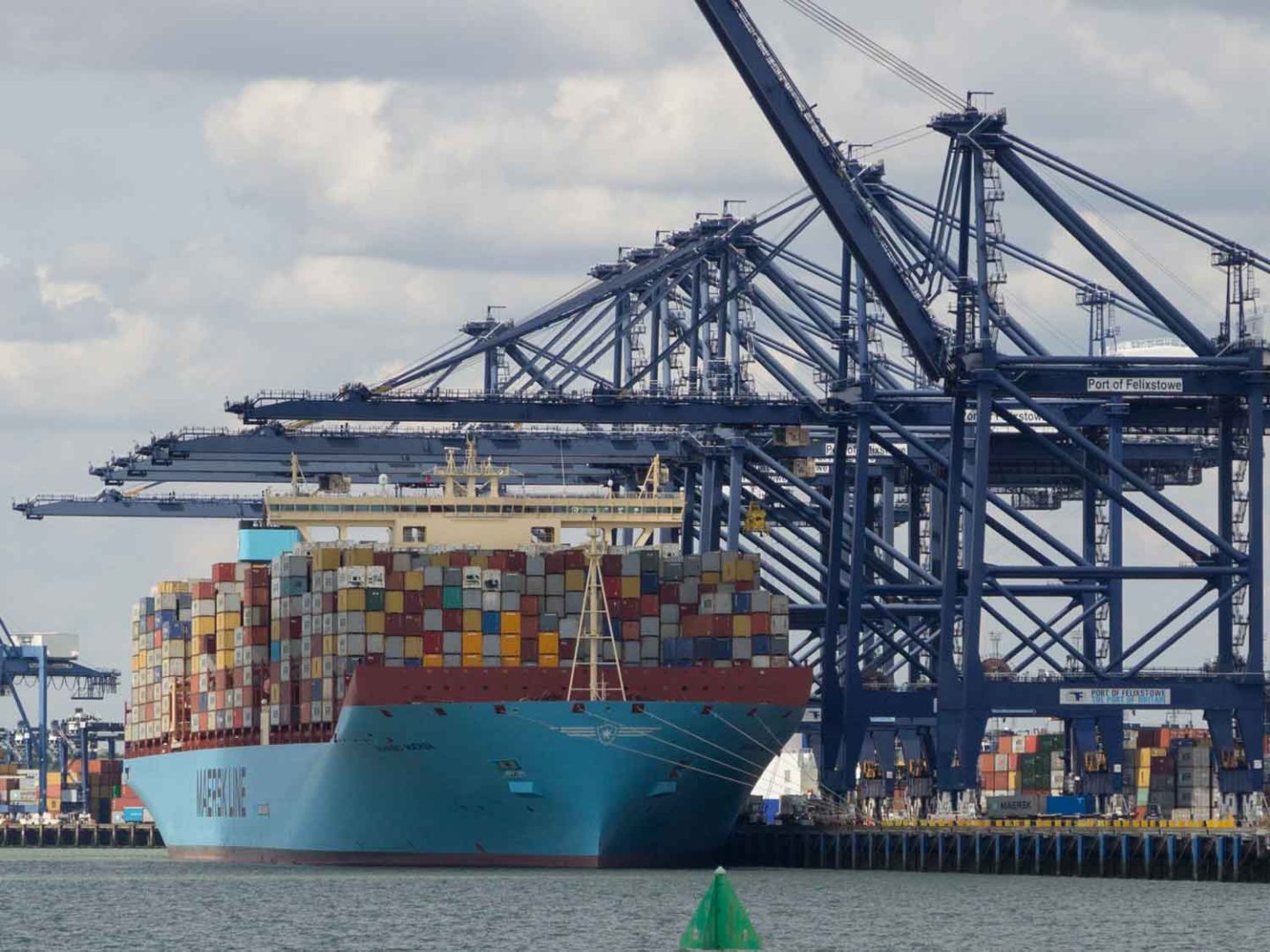
Maersk leave Felixstowe as shipping Alliances prepare for launch

The container shipping industry is undergoing significant realignments, with three major alliances and MSC operating independently, restructuring their networks to enhance efficiency and reliability.

These alliance changes represent a major shift in container shipping, affecting global trade routes and port operations, with the major carriers adapting to evolving market needs, regulatory pressures, and cost management requirements.

In a shock move announced last week Gemini Cooperation partners, Maersk and Hapag-Lloyd have chosen London Gateway as their primary UK hub for Asia-Europe services, replacing the Port of Felixstowe. Choosing ports is crucial for the ambition of Maersk and Hapag-Lloyd to achieve 90% schedule reliability.

Through Gemini they aim to reduce network complexity by implementing single-operator loops and fewer port calls per service, thereby enhancing reliability and speed for customers. The Gemini Cooperation will deploy a fleet of approximately 290 vessels, with Maersk contributing 60% and Hapag-Lloyd 40%, totalling a combined capacity of 3.4 million TEU. 

The dissolution of the 2M Alliance between Maersk and MSC, effective January 2025, has prompted these realignments. Additionally, Hapag-Lloyd’s departure from THE Alliance has led to the formation of the Premier Alliance, comprising Ocean Network Express (ONE), Yang Ming, and HMM.

2025 Container shipping alliances

Gemini Cooperation
Formation: A new alliance starting 1st February, 2025.

Members:
Maersk
Hapag-Lloyd

Key Features:
– Focus on high reliability (target: 90% service reliability).
– Simplified loops and reduced port calls to optimize efficiency.
– Major trade lanes: Asia-Europe, Trans-Pacific, and North-South trades.
– UK hub: London Gateway (replacing Felixstowe).

Premier Alliance
Formation: Starts February 2025; a five-year agreement.

Members:
Ocean Network Express
HMM
Yang Ming

Key Features:
– Coverage of East-West trade lanes, including Asia-Europe, Asia-North America, and Trans-Pacific routes.
– Aims to improve operational efficiency and cost-sharing among smaller carriers compared to the larger players.
– While the exact number of vessels allocated to the Premier Alliance is not specified, the extensive service network suggests a significant fleet deployment.

Ocean Alliance
Formation: Originally formed in 2017; extended until 2032.

Members:
COSCO
OOCL
CMA CGM
Evergreen Marine Corporation

Key Features:
– Operates 330 vessels with a total capacity of 3.8 million TEUs.
– Major trade routes: Asia-Europe, Asia-North America, and intra-Asia.
– Focuses on stability and long-term collaboration.

MSC Standalone Network
Mediterranean Shipping Company, the world’s largest carrier by fleet size.

Key Features:
– Operates independently without alliances.
– Plans to maintain flexibility and control over service offerings.
– Network includes extensive global coverage, particularly on Asia-Europe and Trans-Pacific lanes.
– Fleet of approximately 850 container vessels (6 million TEU), with 99 vessels on order, which would add nearly 1.2 million TEU to its capacity.

Legacy Alliances (Dissolved):
2M Alliance
Members: Maersk and MSC.

THE Alliance
Members: ONE, HMM, Yang Ming (until January 2025).
– Transitioning into the Premier Alliance.

Metro negotiate contracts and volume agreements with a broad portfolio of carriers, including MSC and across the alliances, to offer our shippers the widest range of service offerings, port-pairings and rates.

Our bespoke solutions uniquely reflect our customers requirements and expectations. For further information please EMAIL Chief Commercial Officer, Andy Smith, who would be delighted to review your situation. 

Customs declaration

November 2024; Customs and compliance update

Our customs consultancy team provide insights on the latest changes, making it easier for you to stay on top of your planning and development needs.

To help us better support your compliance and efficiency goals, including duty/tax reclaims, we encourage you to click the button below to complete our short, five question survey. By responding, you’ll receive tailored insights and support to address any gaps or opportunities within your customs and trade processes.

Carbon Border Adjustment Mechanism (CBAM)
As attention focused on the recent UK government budget, many missed the announcement about the UK’s own carbon border adjustment mechanism (CBAM), coming into effect on 1st January 2027. This CBAM will place a carbon price on high-risk goods imported to the UK from sectors including aluminium, cement, fertiliser, hydrogen, iron, and steel. This measure aims to prevent “carbon leakage” by ensuring the UK’s decarbonisation efforts truly reduce global emissions rather than simply shifting them abroad.

Key points:
• Goods from the glass and ceramics sectors are excluded from CBAM requirements starting in 2027.
• Only businesses importing over £50,000 of CBAM goods annually will need to comply.
• Lessons from the EU’s recent CBAM rollout, which faced data challenges, may offer valuable insights as the UK implements its own system.

Safety & Security Great Britain (SSGB)
The SSGB requires an Entry Summary Declaration (ENS) for all goods imported to Great Britain from the EU, effective from 31st January 2025. Responsibility for filing lies with the carrier or haulier, but as the UK importer, you hold the key data.

Here’s what you need to know:
• For accompanied freight, the origin freight forwarder or haulier is responsible for the ENS submission.
• For unaccompanied freight, the ferry line is responsible.
• Some of the required data can be found on your import customs entry, but certain details may depend on direct or indirect liability, particularly if ENS filing is requested by another party.
• A GB EORI number is essential for those needing access to the system.
• HMRC requires accurate and updated departure details before sailings, although some linking issues with GVMS remain unresolved.

Final guidance is pending, but obtaining EORI information from your suppliers will support this new requirement.

Windsor Framework
The Windsor Framework, replacing the Northern Ireland Protocol, has seen its implementation date pushed from 30th September 2024 to 31st March 2025.

This framework introduces Red and Green lanes for goods traffic and replaces the TSS (Trader Support Service) with the UKIMS (UK Internal Market Scheme). It will simplify trade, particularly for agrifoods moving into Northern Ireland, with the Northern Ireland Retail Movement Scheme (NIRMS) reducing administrative burdens for certain goods.

import control system 2 (ICS2)
As ICS2 progresses for EU surface cargo, European hauliers have voiced concerns about the challenge of gathering essential data. Metro can assist exporters by preparing data in advance from the export entry, keeping hauliers on the move.

Key details:
• Much of the required information is found on the customs entry.
• Emphasis has shifted to 6-digit commodity codes, and the EU consignee’s EORI number is now required.

Simplifying the complex
While the list of complex abbreviations and requirements continues to grow, don’t worry because our team can break down the jargon and provide clear, actionable guidance to ensure smooth customs compliance.

Client survey: Insight into your compliance needs
Please take a few moments to complete our survey. Your responses will help us understand your needs and provide solutions that enhance your compliance and streamline your processes. Thank you for your feedback!

Metro are at the forefront of customs brokerage solutions, with our automated CuDoS declaration platform and dedicated team of customs experts, reacting swiftly to any changes in the UK and EU’s trading regimes.

To learn more about compliance, CBAM, SSGB, The Windsor Framework or ICS2 – OR to see how we can simplify and automate customs declarations – please EMAIL Andy Fitchett, Brokerage Manager.