Customs declaration

November 2024; Customs and compliance update

Our customs consultancy team provide insights on the latest changes, making it easier for you to stay on top of your planning and development needs.

To help us better support your compliance and efficiency goals, including duty/tax reclaims, we encourage you to click the button below to complete our short, five question survey. By responding, you’ll receive tailored insights and support to address any gaps or opportunities within your customs and trade processes.

Carbon Border Adjustment Mechanism (CBAM)
As attention focused on the recent UK government budget, many missed the announcement about the UK’s own carbon border adjustment mechanism (CBAM), coming into effect on 1st January 2027. This CBAM will place a carbon price on high-risk goods imported to the UK from sectors including aluminium, cement, fertiliser, hydrogen, iron, and steel. This measure aims to prevent “carbon leakage” by ensuring the UK’s decarbonisation efforts truly reduce global emissions rather than simply shifting them abroad.

Key points:
• Goods from the glass and ceramics sectors are excluded from CBAM requirements starting in 2027.
• Only businesses importing over £50,000 of CBAM goods annually will need to comply.
• Lessons from the EU’s recent CBAM rollout, which faced data challenges, may offer valuable insights as the UK implements its own system.

Safety & Security Great Britain (SSGB)
The SSGB requires an Entry Summary Declaration (ENS) for all goods imported to Great Britain from the EU, effective from 31st January 2025. Responsibility for filing lies with the carrier or haulier, but as the UK importer, you hold the key data.

Here’s what you need to know:
• For accompanied freight, the origin freight forwarder or haulier is responsible for the ENS submission.
• For unaccompanied freight, the ferry line is responsible.
• Some of the required data can be found on your import customs entry, but certain details may depend on direct or indirect liability, particularly if ENS filing is requested by another party.
• A GB EORI number is essential for those needing access to the system.
• HMRC requires accurate and updated departure details before sailings, although some linking issues with GVMS remain unresolved.

Final guidance is pending, but obtaining EORI information from your suppliers will support this new requirement.

Windsor Framework
The Windsor Framework, replacing the Northern Ireland Protocol, has seen its implementation date pushed from 30th September 2024 to 31st March 2025.

This framework introduces Red and Green lanes for goods traffic and replaces the TSS (Trader Support Service) with the UKIMS (UK Internal Market Scheme). It will simplify trade, particularly for agrifoods moving into Northern Ireland, with the Northern Ireland Retail Movement Scheme (NIRMS) reducing administrative burdens for certain goods.

import control system 2 (ICS2)
As ICS2 progresses for EU surface cargo, European hauliers have voiced concerns about the challenge of gathering essential data. Metro can assist exporters by preparing data in advance from the export entry, keeping hauliers on the move.

Key details:
• Much of the required information is found on the customs entry.
• Emphasis has shifted to 6-digit commodity codes, and the EU consignee’s EORI number is now required.

Simplifying the complex
While the list of complex abbreviations and requirements continues to grow, don’t worry because our team can break down the jargon and provide clear, actionable guidance to ensure smooth customs compliance.

Client survey: Insight into your compliance needs
Please take a few moments to complete our survey. Your responses will help us understand your needs and provide solutions that enhance your compliance and streamline your processes. Thank you for your feedback!

Metro are at the forefront of customs brokerage solutions, with our automated CuDoS declaration platform and dedicated team of customs experts, reacting swiftly to any changes in the UK and EU’s trading regimes.

To learn more about compliance, CBAM, SSGB, The Windsor Framework or ICS2 – OR to see how we can simplify and automate customs declarations – please EMAIL Andy Fitchett, Brokerage Manager.

history banner 2

Enhanced groupage services to France and Germany

In our continued efforts to provide exceptional trans-European logistics solutions, we have recently upgraded our groupage services to France and Germany, offering greater speed and efficiency, alongside competitive rates and our top-tier customer care.

Our French groupage services continue to excel, offering regular, efficient departures and seamless distribution throughout the country. In addition, we have expanded our reach in Germany, a vital hub for European trade. With frequent departures, including into the Ruhr area, one of Germany’s most important industrial regions, we ensure that goods are swiftly distributed across the country thanks to our trusted network of partners.

In today’s fast-paced and ultra-competitive markets, it’s not just about speed and cost—it’s about communication, reliability, and trust. By carefully selecting carrier and network partners in France and Germany, who share our customer-first mindset, we ensure that our clients benefit from smooth communication, timely updates, and a full door-to-door (DDP) solution. Our goal is to make European shipping as hassle-free as possible, providing a service that values our customers’ time and business.

However, businesses shipping to and from Germany should be aware of some potential changes that may impact the logistics landscape. Recently, Germany has enforced stricter border controls aimed at curbing migrant activity. While the long-term effects on freight traffic remain unclear, it is a development that could impact trucks entering and leaving the country.

Additionally, as of November 2024, UK passport holders will be required to register their biometric details, such as fingerprints or a photo, when entering the Schengen area, which could cause some delays for trucks crossing from the UK into the EU.

Despite these challenges, our French and German groupage services remain reliable and dependable, ensuring that goods are delivered efficiently while providing the highest level of customer care.

Metro’s road transport solutions incorporate dedicated vehicles moving on set routes for security, with defined delivery deadlines and GPS tracked trucks, to provide full transparency on transit schedules throughout the UK and continental Europe.

Our road freight teams are located close by major manufacturing and transport hubs across the UK. To explore the potential of our German and other European services EMAIL Richard Gibbs to begin a conversation.

strike at port

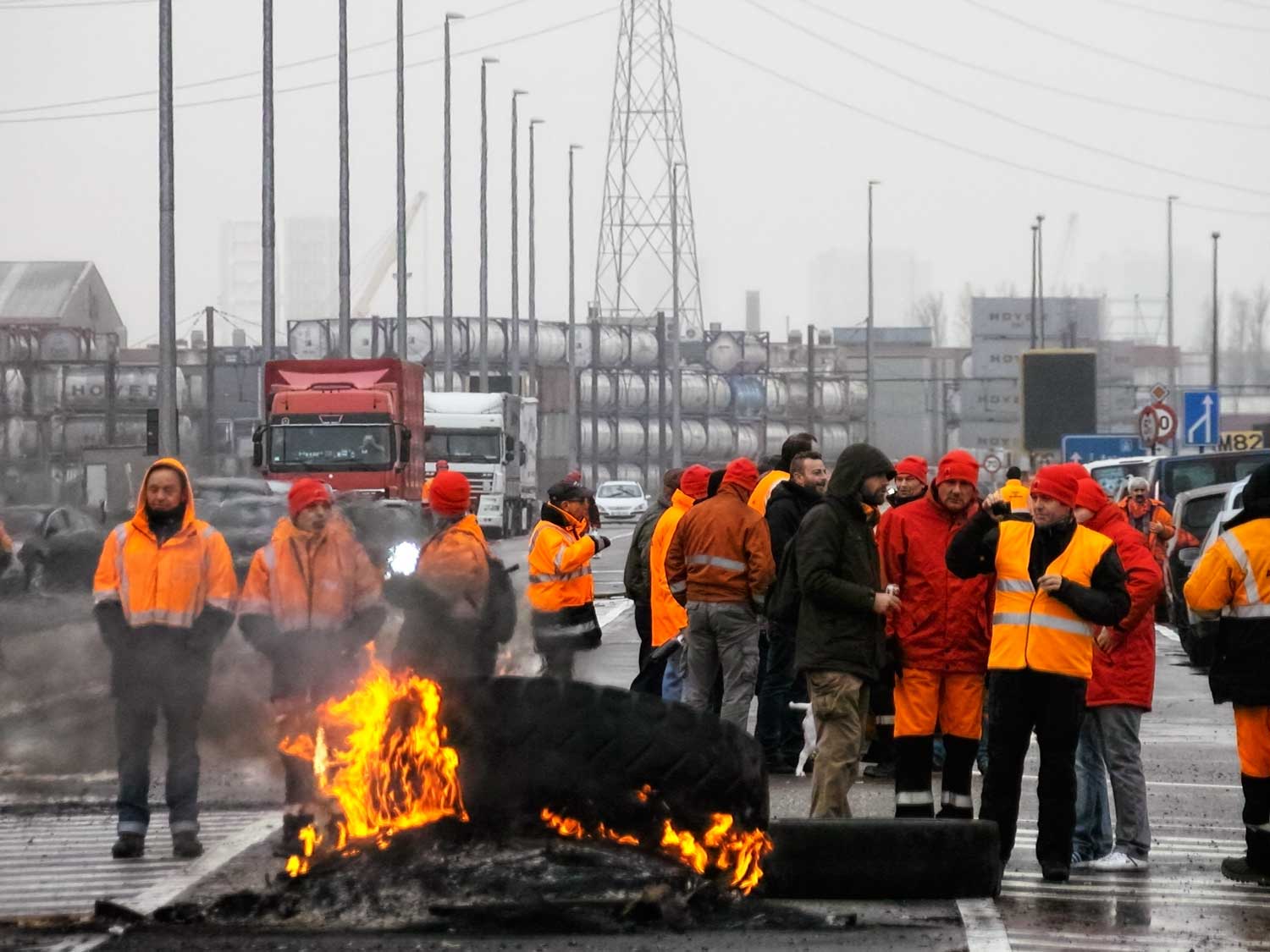
Ongoing labour disputes threaten global supply chains

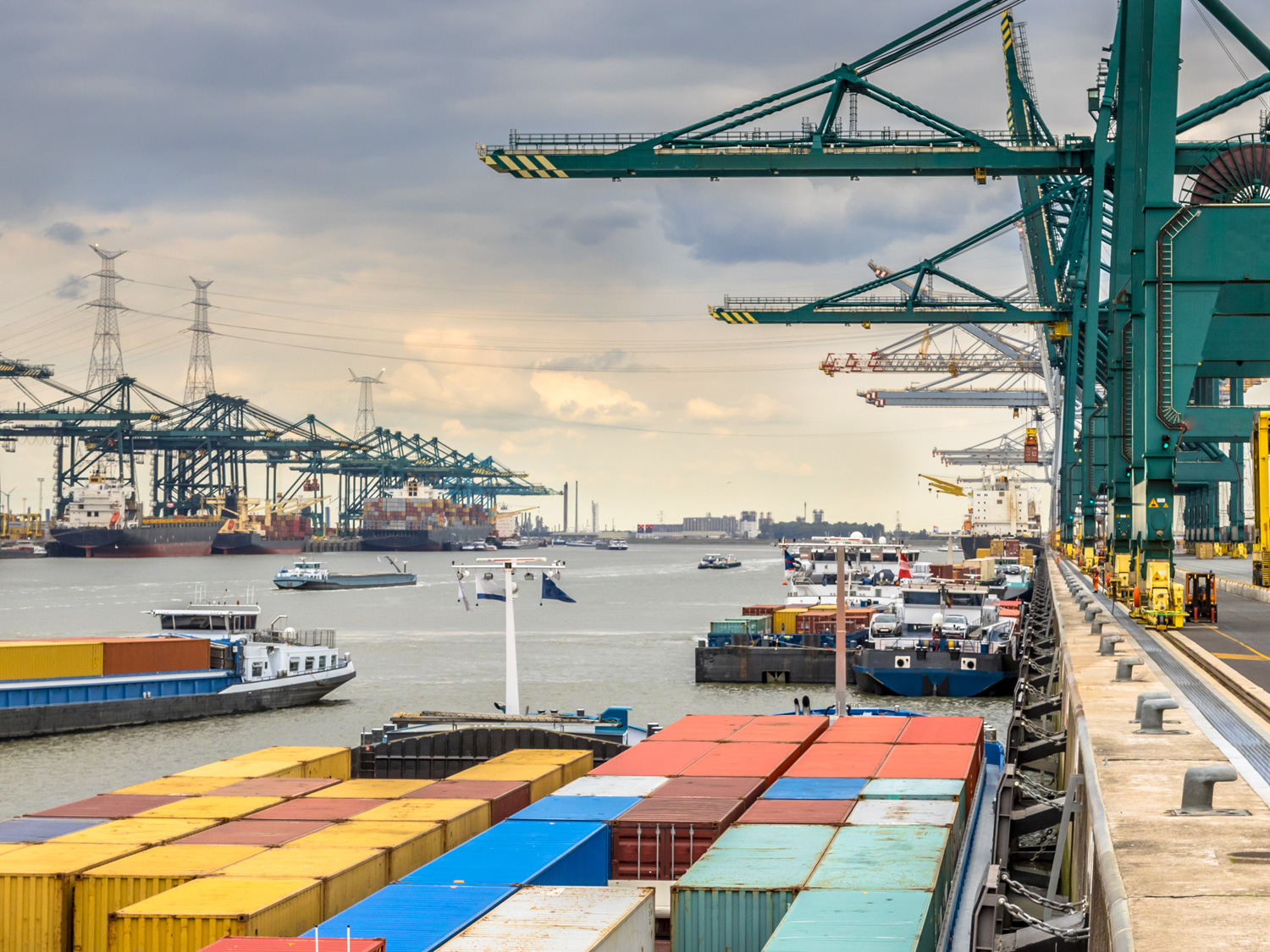
While recent developments in India and Canada suggest some relief from labour disputes, the threat of strikes continues to loom over port operations and global supply chains. The situation remains precarious, especially with the added complications from Red Sea diversions, which could magnify the impact of any further industrial action.

Typically, strikes at ports and other supply chain hubs cause only localised disruptions. However, the current climate is fraught with uncertainty. Sea-Intelligence has warned that even a single day of strike action on the U.S. East Coast could create a six-day backlog to clear containers.

If a strike were to last a week in early October, its effects might not be fully resolved until mid-November, while a two-week strike’s impact might be felt well into 2025, further straining already fragile supply chains.

Recent resolutions

Canada
The Canadian government acted within a day to end a rail strike that began on 23rd August, ordering Canadian Pacific Kansas City (CPKC) and Canadian National (CN) to resume operations and enter binding arbitration with the Teamsters Union. The Canada Industrial Relations Board extended expired collective agreements until new ones are finalised, temporarily safeguarding the supply chain.

However, the union has challenged this decision by filing four separate appeals with the Federal Court of Appeal, suggesting that the risk of further strike action may not be entirely averted.

India
Potential nationwide strike action involving 12 major ports from the 28th August was avoided when the government agreed to wage increases and additional benefits for around 20,000 port workers. Union leaders insist that the strike threat played a crucial role in securing the deal, preventing significant disruption during the peak export season.

Ongoing threats

Germany
The threat of strikes at major ports remains, as the trade union ver.di has rejected the latest offer from the Central Association of German Seaport Operators (ZDS). With the contract now expired, warning strikes have already occurred in key ports such as Hamburg and Bremerhaven. Ver.di is pressing ZDS to return to negotiations with a more substantial offer, raising concerns about potential disruptions if an agreement is not reached soon.

United States
The risk of strikes at East and Gulf Coast ports is growing, with the International Longshoremen’s Association (ILA) threatening action from 1st October. Container spot rates from Asia to the U.S. have remained high, and carriers acknowledge that a strike could sustain these elevated rates through the end of the year.

The ILA has been holding ‘wage scale meetings’ in New Jersey this week, where delegates are reviewing master contract demands and preparing strike committees from Maine to Texas in anticipation of the 1st October deadline.

East Coast port employers, represented by the United States Maritime Alliance (USMX), have stated that they have been unable to secure a meeting with the ILA but remain committed to negotiating a new agreement with the union’s leadership.

The early peak season, driven by shippers eager to front-load holiday goods, has already caused concerns about overcapacity. A strike could exacerbate these issues, leaving carriers with limited options to mitigate the impact.

As negotiations remain tense and the risk of disruptions continues to grow, businesses and supply chain managers must stay vigilant and proactive in their planning. Unresolved labour disputes could have significant consequences for global trade, particularly as the year-end approaches.

We have contingency plans in place to avoid ports likely to be most affected by strikes, as well as alternative routes and entry points. Please share your forecasts as early as possible so that we can mitigate possible issues ahead of time.

To discuss these issues and how Metro can protect your supply chain, please EMAIL Andrew Smith, Chief Commercial Officer.

Dover istock

Import Control System 2

Enhancing supply chain security and safety, Import Control System 2 (ICS2) is the Import Control system for movements both ways between the UK and the EU, including Norway, Switzerland, and Northern Ireland.

Based on similar worldwide systems that pre-declare shipments, to determine risk, security and safety of the cargo, ICS2 is the EU’s advanced cargo information system, which has been rolling out since 2021. 

The process has long been in place from the Far East and USA, with responsibility of making a declaration to the first European port of call of the vessel, for all goods entering, moving through or leaving the EU before they arrive. This system helps EU customs authorities ensure security and safety, and compliance is crucial to avoid delays, scrutiny, and penalties.

The full scope of data to be provided now include the commodity code (to 6 digits), a clear and plain description of the product, and the consignees EORI.

Given that the description and commodity code will reflect all the goods within the shipment then the declaration has the ability, for full container loads of multiple SKUs to become quite cumbersome.

One of the key pieces of data is around establishing credibility of the consignee, this is done through the EORI which can be checked to determine the establishment of a company in the EU.

Without an EORI it will raise a red flag to the destination authorities. The process is due to be introduced on the 1st October of this year,

Key Benefits of ICS2
ICS2 aims to secure the EU’s supply chain and streamline customs procedures by:

– Accurately identifying high-risk consignments and allowing proactive intervention
– Facilitating faster, smoother cross-border clearance, reducing delays and costs
– Simplifying information exchange between Economic Operators (EOs) and EU Customs Authorities

Enhanced Data Requirements
With ICS2 Release 3, exporters must provide comprehensive information about goods, including their origin, destination, and specific attributes. This enhanced data collection improves risk assessment and overall security measures in global trade.

Who is Affected?
ICS2 affects all Economic Operators (any business or other organisation which supplies goods, works or services) involved in handling, shipping, and transporting cargo. They must submit safety and security data to the ICS2 portal via the Entry Summary Declaration (ENS). Manufacturers and exporters outside the EU must provide necessary information to their freight forwarder or carrier.

Implementation Phases
ICS2 is being implemented in three releases, with Release 3 launched on 3 June 2024. This includes maritime carriers, express operators, and air cargo operators. Release 3 will proceed in three phases:

– 3rd June 2024: Maritime and inland waterways carriers
– 1st October 2024 EORI number required for EU consignees
– 4th December 2024: Maritime and inland waterways house-level filers
– 1st April 2025: Road and rail carriers

Exporter Obligations
Exporters must provide detailed information about their shipments to carriers, including:

– A 6-digit Harmonised System Code
– A complete and accurate commercial description of the goods
– The EORI number of all parties involved, registered in the EU
– Additional details of parties involved, such as the seller, buyer, and consignee

By meeting these requirements, exporters help facilitate accurate risk assessments and enhance overall security.

Conclusion
Understanding and complying with ICS2 is essential for anyone involved in exporting to the EU. By providing detailed and accurate shipment information, you can help ensure smoother customs procedures and contribute to a more secure global supply chain, while avoiding delays, scrutiny, and penalties.

When the ENS information is not provided to EU customs, shipments will be stopped and will not be processed for customs clearance, which will lead to delays and potential fines.

We can guide you on the ICS2 changes, help you to educate your suppliers and provide full support for all your import and export documentary needs.

Metro are at the forefront of customs brokerage solutions, with our automated CuDoS declaration platform and dedicated team of customs experts, reacting swiftly to any changes in the UK and EU’s trading regimes.

To learn more about ICS2, or to see how we can simplify and automate customs declarations for your businesses, please EMAIL Andy Fitchett, Brokerage Manager.