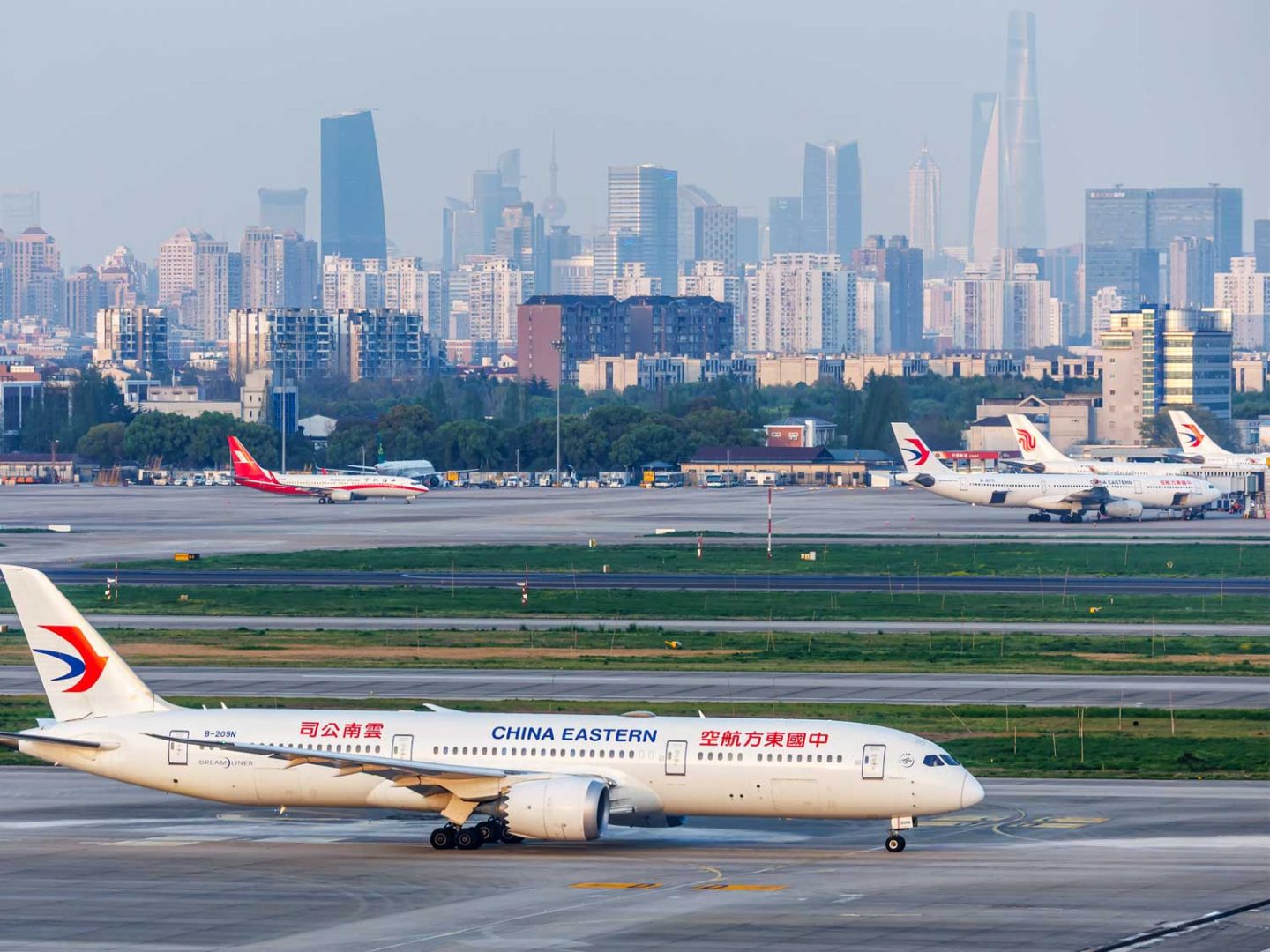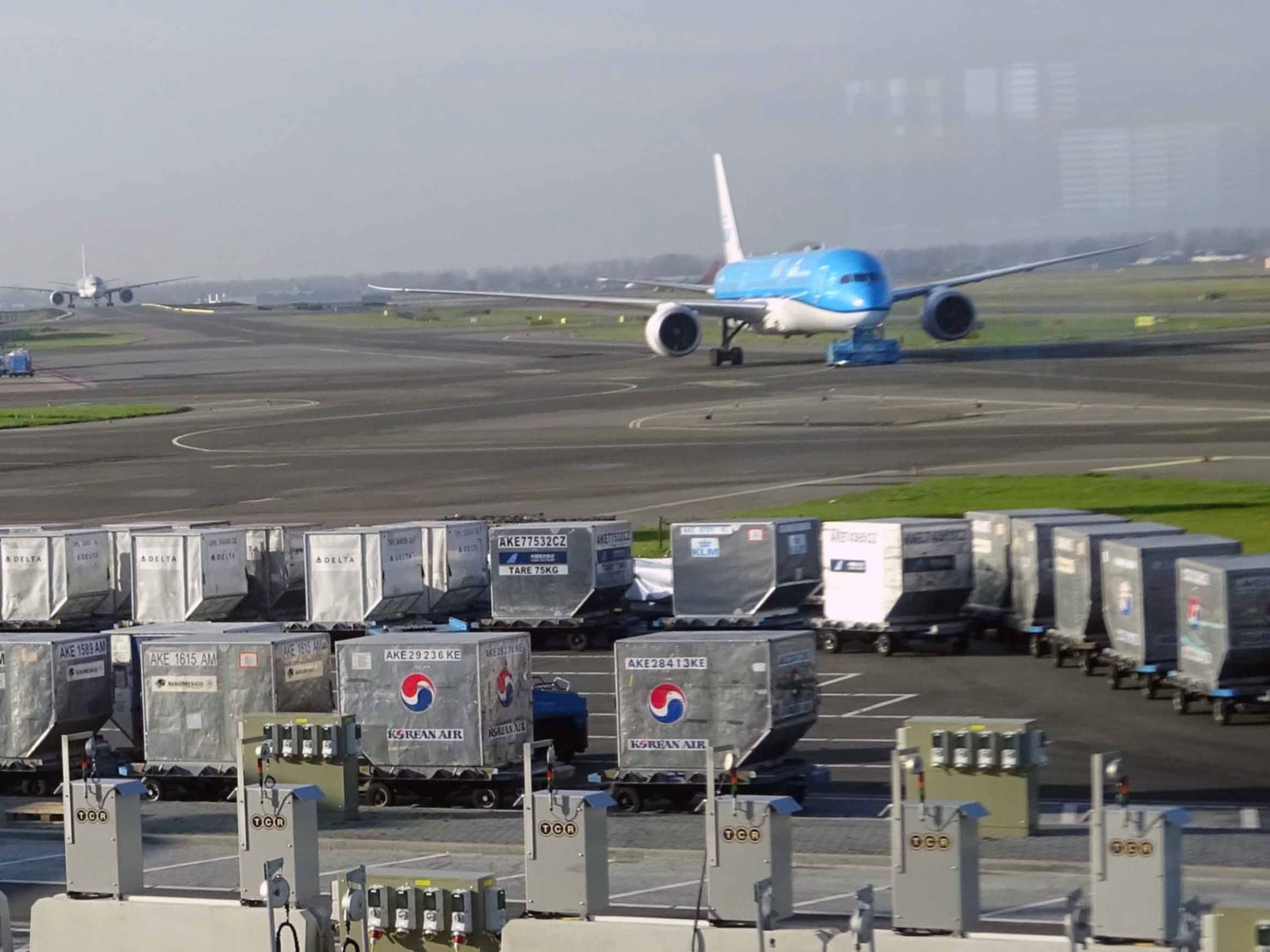
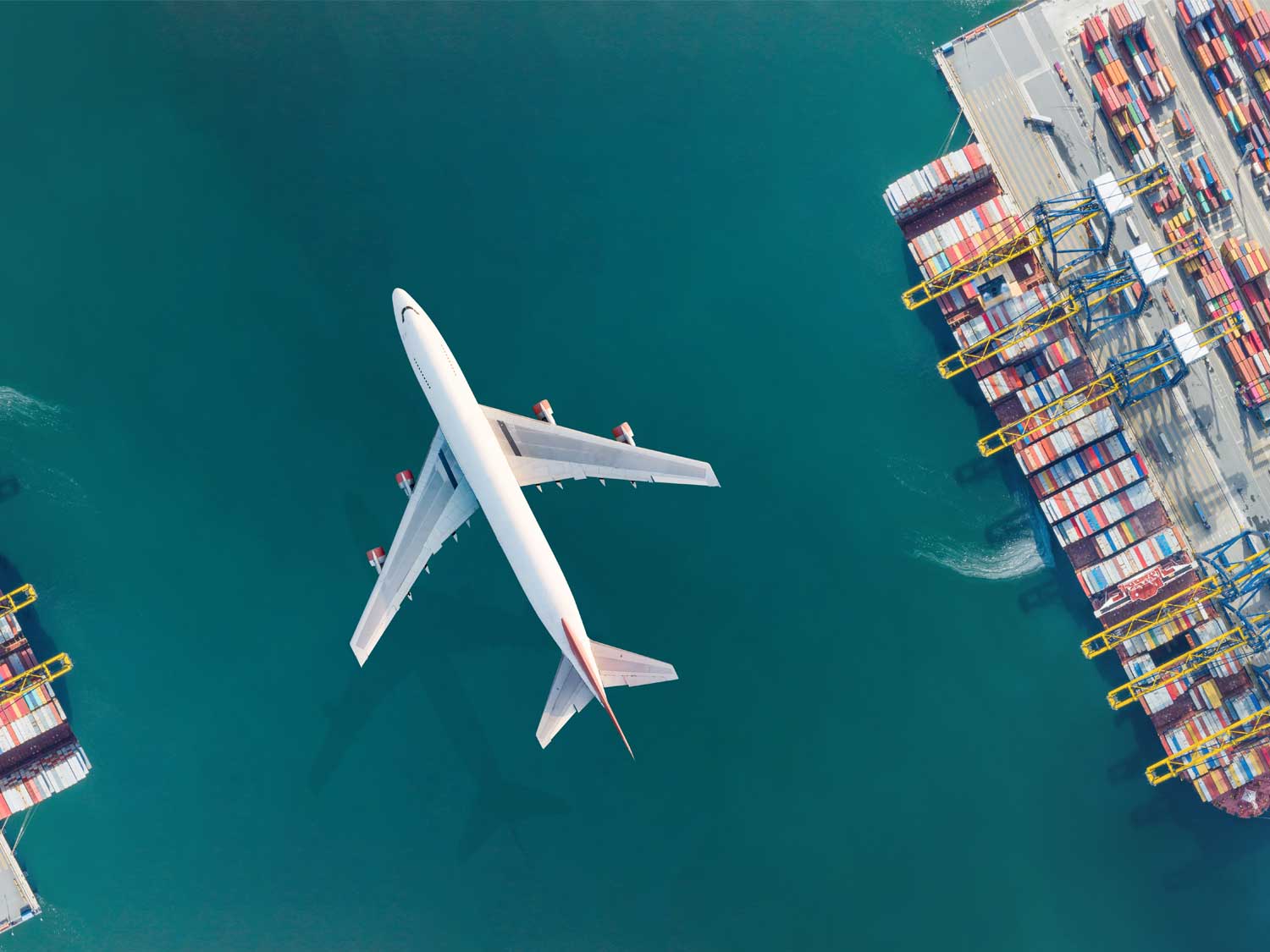
Sea Air aerial

Red Sea impact on time-critical modes

Shippers’ concerns about Red Sea supply chain delays, plus an early Lunar New Year, pushed up air cargo volumes by 10% in January, but the availability of capacity has kept a lid on spot rates on most routes.

While there has been no definitive immediate increase in air cargo demand due to the Red Sea crisis, a slow and steady increase in demand is looking more likely, as the crisis continues.

Retailers and fashion brands are already shipping more goods by air freight, with air cargo volumes from Vietnam spiking 62% in one week in January, up 16% on the same week in 2023.

There has been a three-week consecutive increase in air cargo volumes from China and Vietnam to Europe in January, surpassing peak season highs, with spot rates from Northeast Asia to Europe climbing 11% in the week ending 28th January.

Lunar New Year related spikes in demand for air freight will also be a contributing factor to increasing volumes, putting pressure on capacity and costs, which could be set to rise further.

Data does suggest that there may be a shift to air and sea/air solutions, with global air cargo tonnages rising 24% in one week in January and while there is usually a strong bounce back after the Christmas break, this year’s increase is 5% above 2023’s.

Elevated tonnage figures to Europe from Asia Pacific and from Middle East & South Asia do reflect some contribution from modal shift on these lanes from sea to air and to sea/air, though spot rates are not rising as rapidly as feared, given the disruption to ocean shipping in the Red Sea.

The situation in the Red Sea is unsettling for many supply chains and it is inevitable that some shippers will need to shift some urgent orders to airfreight, while bringing others forward to secure capacity.

However, this will not have a long-term impact on airfreight and the initial nerves and uncertainty will subside as shippers accept that ocean freight will just take two weeks longer.

While an increase in airfreight and sea-air volumes is apparent, it is not at a magnitude likely to cause disruption and it remains to be seen if it will be sustained past the Lunar New Year.

For valuable, special and time-sensitive shipments we have a range of air freight and sea/air solutions, with extremely competitive rates and service combinations, to meet every deadline and budget requirement.

EMAIL Elliot Carlile, Operations Director, for insights, prices and advice.
BIFA trophies

Freight industry award finalists

The British International Freight Association (BIFA) is the trade association for the freight, logistics and supply chain management sector. Their annual Freight Service Awards are the industry’s most contested and highly sought trade awards, because peer recognition is the ultimate accolade.

BIFA’s 35th and biggest Freight Service Awards – with over 500 attendees and a 30% increase in award entries – took place three weeks ago in the City of London, with Metro overcoming the increased competition, to be selected as finalists in the Sustainable Logistics and Specialist Services categories.

Grant Liddell, Metro’s Managing Director. “Our solutions, technology and customer focus are truly leading-edge and being selected as finalists in BIFA’s Freight Service awards yet again is recognition of that capability and is an independent endorsement of the value that we deliver consistently.”

Metro’s submission for the Sustainable Logistics Award described how a client’s commitment to create more sustainable supply chains was supported by three Metro initiatives, that focused on their critical air freight channel.

Over a two-year span Metro created:
1. A cloud-based tool to measure and monitor the CO2 emissions of every shipment
2. Became the first UK forwarder to invest in the Sustainable Aviation Fuel (SAF) programme
3. Participated in Sustainable Flight Challenges to generate CO2 savings exceeding 37%

The critical insights gained from the Sustainable Flight Challenges were invaluable in developing the operational templates that are now paving the way for a more sustainable air freight channel for the featured client.

Metro’s focus in the Specialist Services Award category was to highlight the value that we add, to enhance the freight element, and the difference that makes to our customers.

The Metro entry, chosen by the judges as a finalist, outlined how, at a time of limited transport capacity, a car manufacturing client’s finished vehicles were safely shipped to international markets, using a solution that reduced transit times, cut costs, lowered emissions and avoided disruption at destination.

By building connectivity between Metro’s supply chain management platform and the client’s ERP system, together with visibility of critical supply chain milestones, the client could grant their dealers direct access to Metro’s visibility tools, providing reassurance on vehicle orders in transit.

With Metro’s solutions the client could continue delivering customer orders in a challenging environment, with the solution running for over 12 months, to protect tens of millions in sales.

If you would like to learn more about the solutions highlighted here, please EMAIL Andrew Smith, Metro’s Chief Commercial Officer. 

City of London

Economic impact of Suez Canal diversions

For the UK and Europe fears are growing that any prolonged denial of access to the Suez Canal could impact faltering economies and derail plans to start cutting interest rates later this year.

Despite the confidence of European and UK central banks, uncertainties about the Red Sea crisis' impact remain and prolonged denial of access to the Suez Canal could derail plans to start cutting interest rates this year.

No major impact from the Houthi attacks in the Red Sea has yet turned up in main economic indicators, including December inflation numbers, which ticked up only slightly.

The global economy is still performing below par, suggesting plenty of slack around the system.

Oil prices were the most obvious commodity to hit economies in Europe and beyond, but they haven't surged because supplies haven’t been impacted and demand is slowing.

Less sanguine, the World Bank says the Middle East crisis, with the war in Ukraine, could still lead to surging energy prices, with broader implications for global activity and inflation.

Bangladesh is the world’s second-largest apparel exporter and garments are its main foreign currency earner. Ocean freight rates have gone up 40% from Chittagong to Europe and America, as a direct result of the security crisis in the Red Sea, with fears growing that buyers will begin to look for alternative sourcing.

Sea freight rates from India to the UK and Europe are up an astonishing 500% and there are some signs that the extended equipment turnarounds are leading to equipment scarcity, with fewer 40’ HC empties at busy ports, including Mundra and some inland container depots in northern India.  

Oxford Economics estimates that gains in container transport prices would add just 0.6% to UK inflation in a year. The ECB is expecting Euro zone inflation to fall from 5.4% in 2023 to 2.7% this year, with the BoE expecting UK inflation to average 2.4% in 2024, which suggests that a sustained closure of the Red Sea wouldn't prevent inflation from falling, though it would slow the speed at which it returns to normal.

In the longer term, some companies may advance plans for alternative, more predictable supply routes, which could involve longer but more secure trade paths or "near-shoring" to bring production closer. 

Whichever options are considered, the likelihood is they will involve higher costs, and supply chain risk by its very nature is unpredictable.

Metro support our customers continuing success, by protecting their supply chains, with innovation and resilience, whatever the economic or operational challenges.  

Our unique blend of experience, systems and processes means that we can react quickly to overcome challenges or exploit opportunities; optimising global inventory, reducing costs and streamlining the supply chain. 

Please EMAIL Andy Smith to discuss how we can optimise your supply chain and help you overcome the issues you currently face.

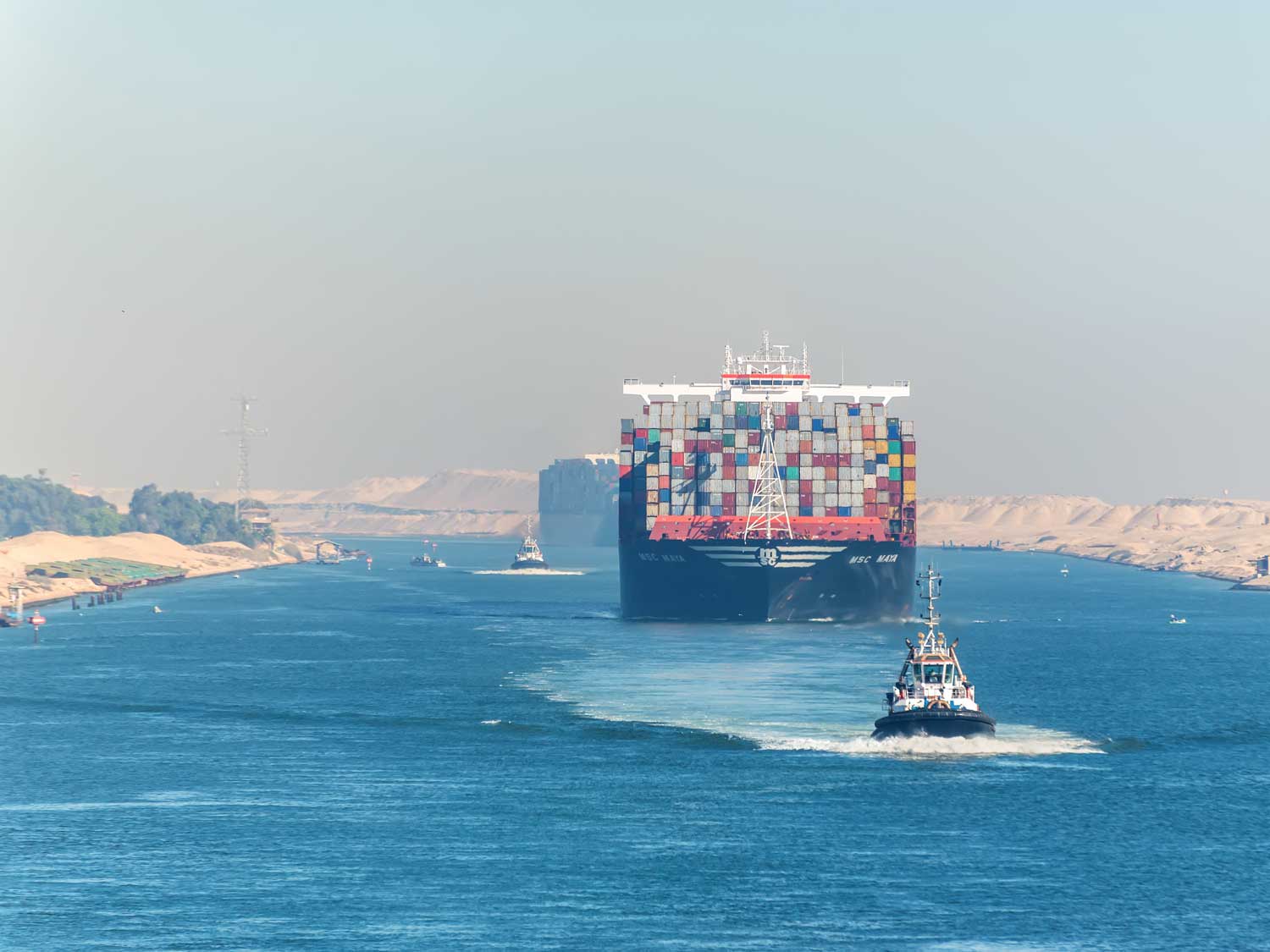
Suez MSC vessel

General Red Sea Update

The US and UK carried out eight strikes on Houthi targets in Yemen on Monday, as the Iran-aligned armed group continues to target commercial shipping in the Red Sea, with no sign that the conflict will de-escalate anytime soon.

While many hoped that the situation in the Red Sea might be a short-lived crisis, it is edging closer to the challenges that global supply chains faced during the COVID-19 pandemic. 

The ripple effects caused by the necessity of re-routing around 90% of all container ships from Asia around the Cape of Good Hope are immense. Analyst Sea-Intelligence are concluding that the vessel capacity drop is the second largest after the ‘Ever Given’ got stuck in the Suez Canal for six days during March 2021. 

With 10+ days added to the normal transit the drop in available capacity has sent freight rates rocketing, with container equipment challenges growing and expected to become far more difficult in the run up to the Chinese lunar new year. 

CMA CGM, the world’s third-largest carrier, announced an empty container imbalance surcharge of $100 per unit on top of similar equipment surcharges out of Turkey to the Mediterranean and North Africa announced last week.

There is one significant difference between now and the Ever Given situation and the pandemic, which is demand is lower and the shipping lines have injected significant capacity to maintain services. 

The Ever Given disruption occurred during a period of scarce capacity and historic peak demand, which was why rates skyrocketed and while we aren’t currently at those highs, the recent rate surge is noticeable in the short term.

The current delays and projected longer transit times are already impacting manufacturers across the globe, with many forced to halt production due to shipment delays, while many retailers have warned of product delays and cost increases. 

The next two-to-three weeks could be interesting, with bunched vessels arriving at the main ports, potentially triggering port delays driver shortages and cargo build-ups at warehouses.

The window for booking air freight ahead of Chinese New Year is closing and vessels are quickly filling, which is why we would urge you for your shipping deadlines, so that we can book your space and services at the best possible rates. 

Sharing forecasts for your forthcoming movements is an essential tool in managing your freight and expectations, and reserving the equipment you need, when you need it. 

If you have any questions or concerns about the impact of the Suez situation on your Asia supply chain, or would like to discuss its wider implications, please EMAIL our Chief Commercial Officer, Andy Smith.