India office workers

Strategic Growth in India is Building a Platform for the Future

Over the past five years, Metro has significantly expanded its footprint in the Indian Subcontinent, creating a powerful dual-platform presence that continues to evolve as part of our wider global growth strategy.

Today, India stands as one of our most dynamic regions and is set to house more Metro colleagues than any other location worldwide by the end of 2025.

At the heart of this development are two key Metro operations:

  • Metro Indian Subcontinent (MISC): Our established Global Operations Centre, which provides critical operational, accounting, financial, commercial, and administrative support for Metro’s global network.
  • Metro Global India (MGI): Our newly acquired and merging business, which is focused entirely on serving Indian customers and expanding our service offering across the region.

Together, MGI and MISC represent a formidable combination – supporting both local client requirements and global Metro offices – with highly skilled, locally based teams. While MGI ensures physical handling capabilities and tailored solutions for Indian customers, MISC continues to power our global service model through cutting-edge technology and operational expertise.

To support this rapid expansion, we are enhancing our infrastructure in Chennai. In June 2025, Metro will open a second facility in the city, located centrally and designed to accommodate an additional 130 colleagues. This new site will reflect the look and feel of our existing Metro offices around the world and work in tandem with our established Chennai HQ. The two locations will operate collaboratively, sharing responsibilities as our operations scale.

Importantly, this growth does not alter our long-standing partnerships across India. On the contrary, it enhances them. By leveraging a stronger in-country platform, we are better positioned to offer agile, collaborative solutions that bring together the best in experience, expertise, and supply chain capability. In a country where local knowledge is paramount, our ability to tap into deep regional insight gives us a distinct advantage.

Our Indian expansion reflects Metro’s broader global trajectory. Just as we are scaling rapidly in Europe and the USA, our investment in the Indian Subcontinent is being driven by growing customer demand—both for sourcing from and selling into this vibrant market and its neighbouring territories.

Whether supporting our global operations or meeting the needs of local clients, our teams in India are delivering world-class solutions with unrivalled professionalism and commitment.

If you’re currently trading with India and Metro are not yet supporting your supply chain, we’d love to hear from you. Please contact us directly, and we’ll be delighted to show you how we can deliver cost-effective, efficient, and fully integrated services across the Indian Subcontinent.

us china tradewar

US Tariff Developments and Global Trade Reactions

Further to our recent update on the major changes to US tariffs (link), the global trade landscape remains highly fluid, with the situation evolving rapidly.

Last Wednesday, 2nd April, President Donald Trump announced a comprehensive tariff strategy, imposing a universal 10% tariff on all imported goods, effective from the 5th April.

Additionally, as of today, 9th April, a second wave of higher “reciprocal” tariffs has been implemented, targeting specific countries with rates ranging from 11% to 50%, based on perceived trade imbalances and barriers. Notably, China which now faces a tariff rate of 104% on its exports to the US, combining previous and new duties.

The UK, Australia, Indonesia, Singapore, Vietnam, and Taiwan have confirmed they will not introduce countermeasures at this stage. Notably, both Vietnam and Taiwan have expressed willingness to negotiate with the US and explore zero-tariff agreements.

In contrast, China responded with retaliatory tariffs of up to 34% on US goods, which has seen President Trump follow through with his threatened escalation of an additional 50% duty on Chinese imports. As a result, US importers now face an unprecedented degree of uncertainty around landed costs.

The European Union has proposed a zero-tariff arrangement on autos and industrial goods, which was rejected by the US. So far, the EU’s potential response appears limited to steel and aluminium, though speculation persists around broader negotiations and potential shifts in trade policy.

This environment puts US importers in a difficult position: ship now and risk overpaying if tariffs are reversed, or delay and risk facing even higher costs if further duties are imposed. Many are opting to pause shipments where possible, disrupting vessel utilisation, bookings, and spot market rates.

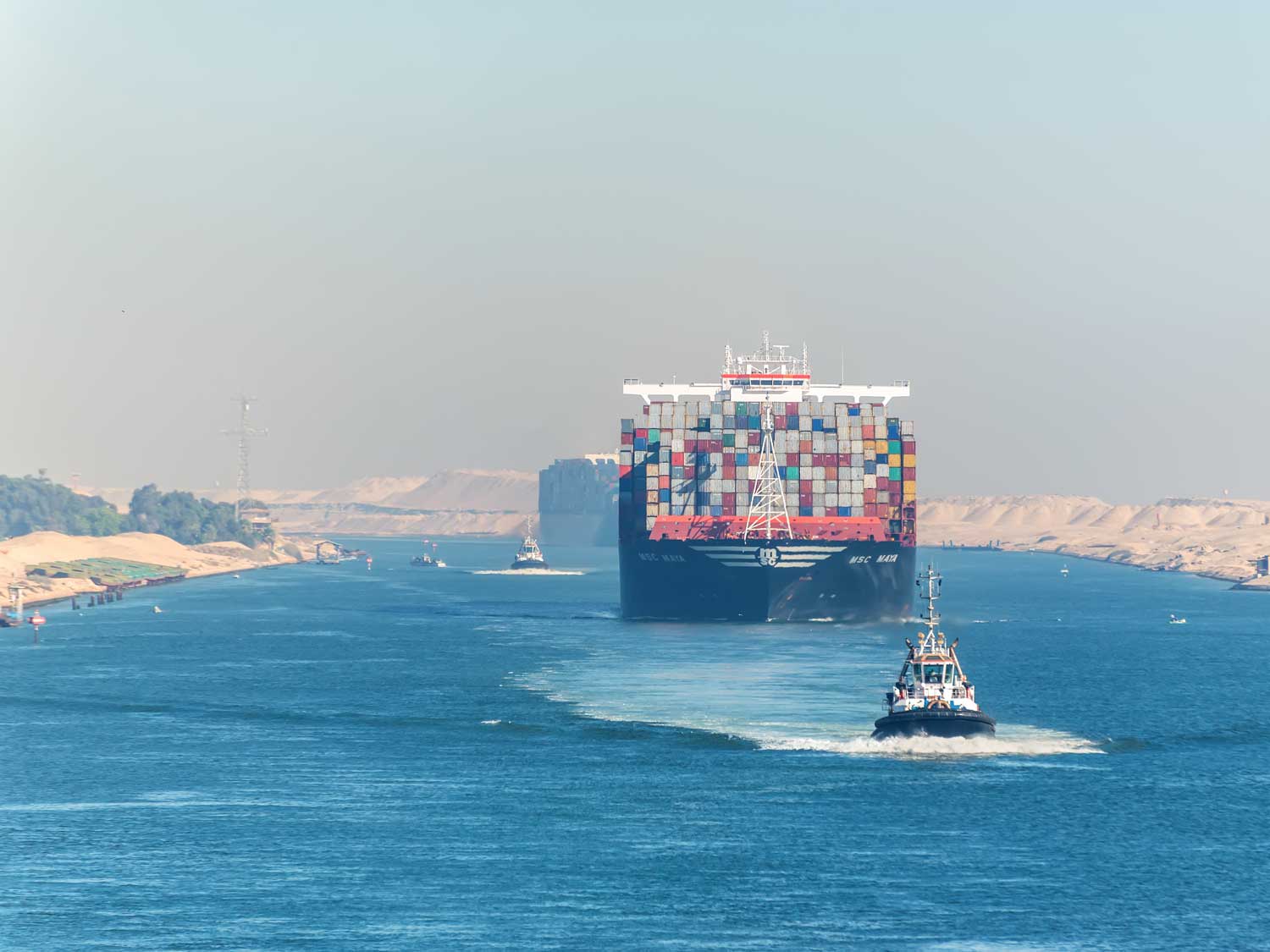
Early indicators suggest the impact on global logistics is already being felt. Sea freight container bookings into the US from China have dropped a massive 67% in the past 7 days compared to the week prior, with export bookings also down 40%. If these figures are anywhere near accurate, this marks an extremely large and immediate disruption to trade flows into the US.

If this slowdown continues, significant blank sailings from the carriers are inevitable, and signs of this are already emerging. Yesterday, Ocean Network Express (ONE) announced that the Premier Alliance PN4 Pacific service, scheduled to begin in May, has been suspended until further notice—an early indication of broader cancellations to come.

There are several mechanisms that can be utilised to temporarily avoid duties for exports into the USA including Free/ Foreign Trade Zones, customs regimes, bonded facilities, temporary import bonds (TIB’s), carnets and more. There are options to carry on shipping goods to USA and not clear them until it is absolutely clear whether commodity tariff rates will be reduced or withdrawn as, or if, deals are agreed between countries.

From an objective standpoint, it remains unclear what concessions the US is seeking in exchange for easing these tariffs, particularly since the justification of “tariffs imposed on the US” lacks clarity in many cases.

For shippers and carriers the coming days and weeks will require vigilance and adaptability. The tariff landscape may shift dramatically and without warning, both upward and downward.

We continue to monitor developments closely and will issue further updates as more information becomes available, particularly concerning potential EU countermeasures and UK trade policy responses.

If you would like to review your specific supply chain impact, assess your exposure, or explore strategic alternatives, please don’t hesitate to get in touch. Metro is well-positioned to support you, bolstered by our expanded US presence and strong focus on North American trade flows.

Expect further insights in the coming days as the situation unfolds and if you have any questions please give me a call, or drop a message, and we will ensure that you receive immediate attention and advice.

LAX 1440x1080 1

Air Freight Market Review

The global air freight market in February and early March reflected moderate year-on-year (YoY) growth, with total worldwide tonnages up 5% in February and 2% higher YoY in early March.

However, market dynamics remain volatile, influenced by shifting trade policies, geopolitical factors, and eCommerce trends.

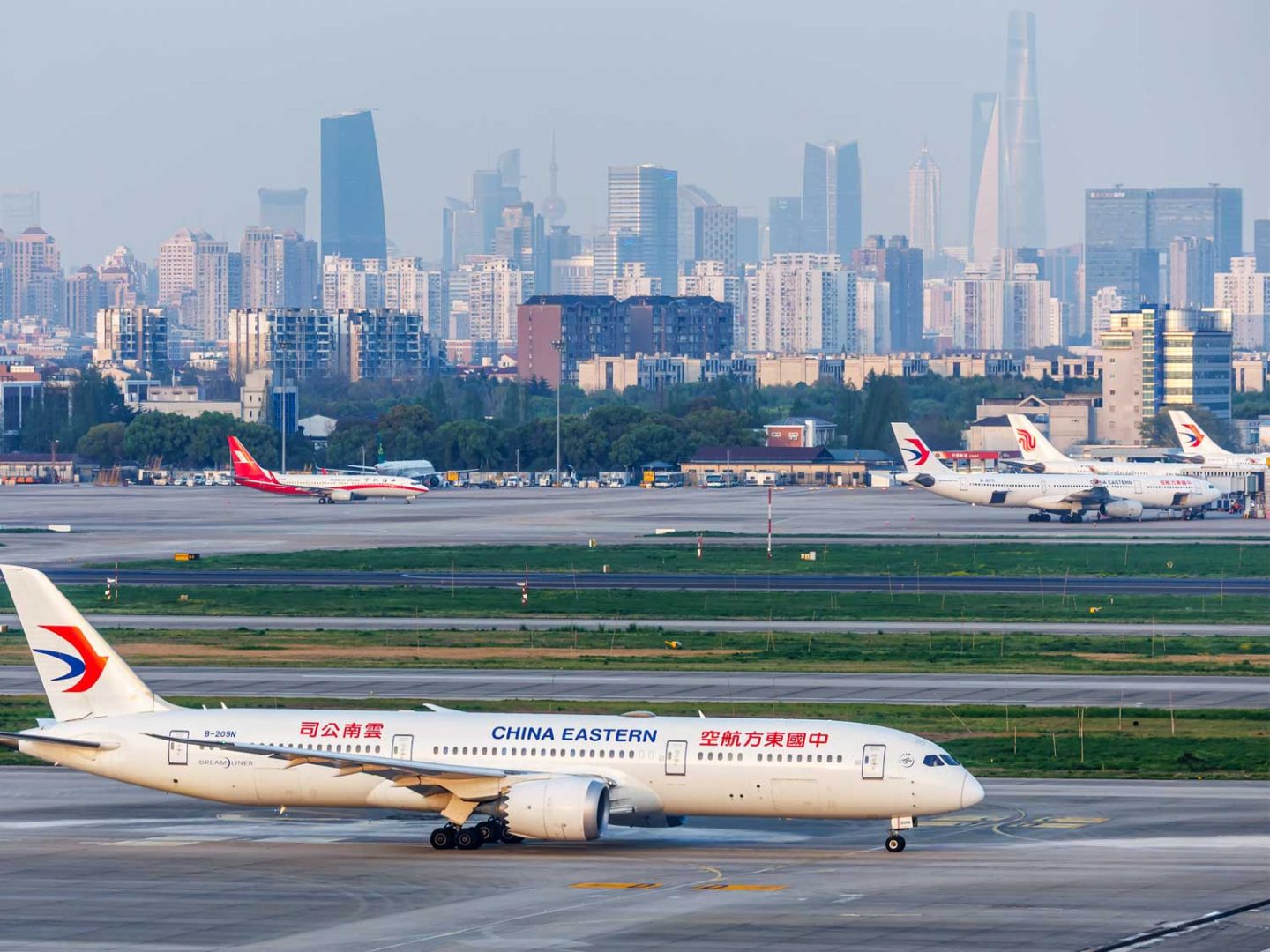
Asia-Europe air cargo showed strong demand recovery in March, with tonnages rising 4% week-on-week (WoW) and while average spot rates softened they remain 20% higher YoY. Meanwhile, transatlantic routes saw weaker demand from Europe, with London Heathrow and Frankfurt spot rates declining amid softer outbound trade.

Market Situation
Global air cargo tonnages rose 5% YoY in February, supported by an 8% surge from Asia Pacific and a 4% rise in North America and Europe. However, Middle East & South Asia (MESA) volumes declined by 6%, reflecting last year’s Red Sea-driven demand spike.

By early March (Week 10), Asia-Europe trade saw significant WoW volume gains:

  • China to Europe tonnages increased by 5%
  • Hong Kong to Europe volumes grew by 6%
  • Japan & Taiwan to Europe rose by 7%
  • Thailand & Singapore to Europe surged by 9%

Despite these volume increases, average spot price indices on Asia-Europe lanes declined by 3%. However, YoY spot rates remain significantly higher (+20%), supported by China (+14%), Hong Kong (+22%), Japan (+19%), and Thailand (+38%).

Global air cargo markets remained relatively stable through February and early March, with weekly demand fluctuations balancing out across key regions.

  • Asia-Europe: Despite a 4% WoW tonnage rebound in Week 10, rates dipped as supply-demand balances shifted.
  • Transatlantic (Europe to USA): Weaker outbound demand put spot rates under pressure at London Heathrow and Frankfurt.
  • Middle East to Europe: Demand weakened with Dubai-to-Europe tonnages falling 15% WoW.

Global air freight rates remained 6% higher YoY, though Asia-Europe pricing showed a mixed trend, with falls on all the major trade lanes, though rates remain significantly higher than last year.

  • Asia-Europe remains 20% higher YoY.
  • China to Europe still stands 14% higher YoY.
  • Hong Kong to Europe are up 22% YoY.

The Asia-Europe air cargo market rebounded in early March, with tonnage gains but slightly softer rates as market conditions adjusted. Meanwhile, transatlantic routes saw demand weakness, leading to rate declines from major European hubs. Moving forward, trade policies, geopolitical shifts, and capacity adjustments will continue to influence global air cargo pricing and volumes.

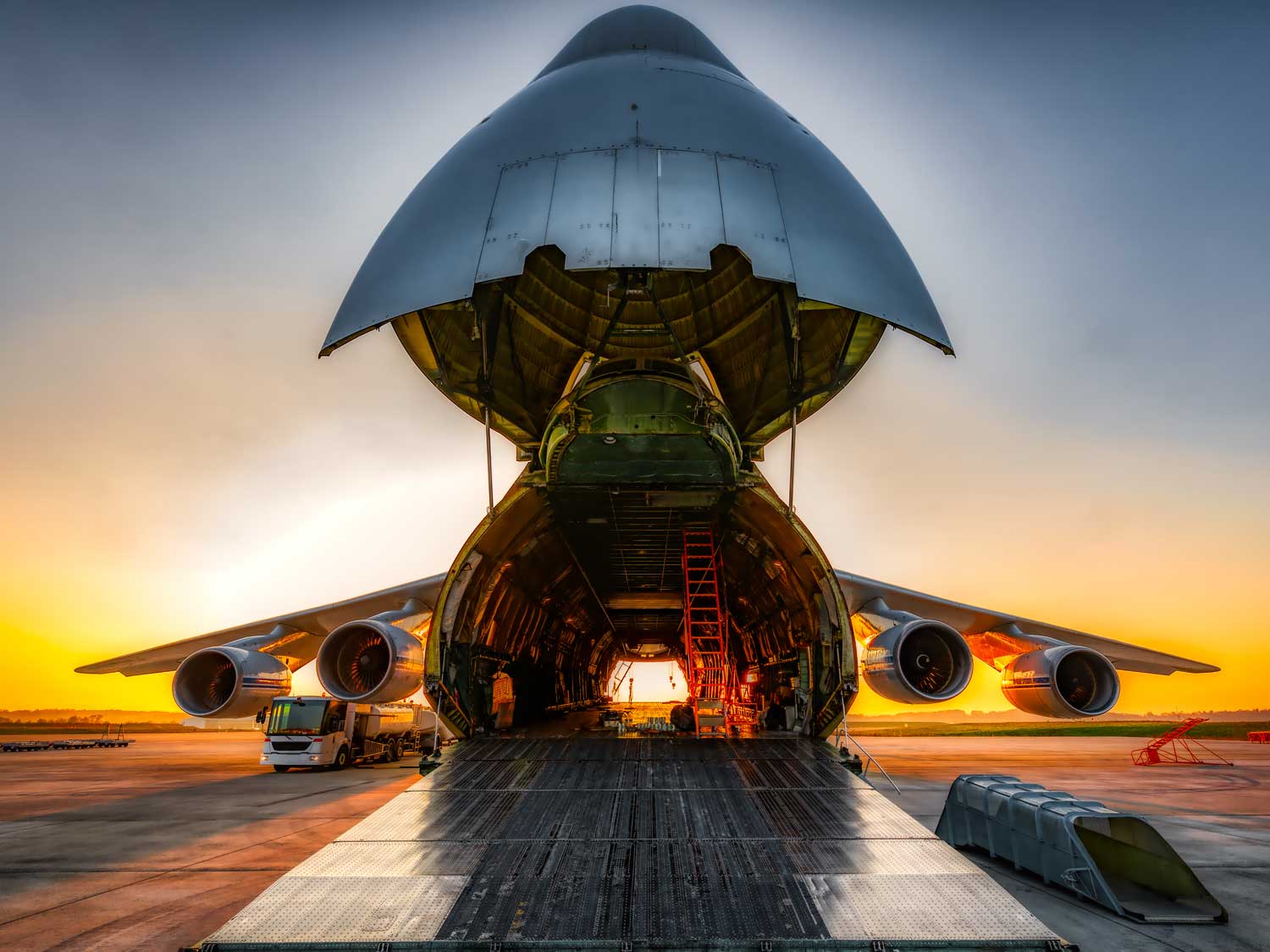
In a volatile air cargo market, securing capacity and competitive rates is critical. Metro’s air freight, charter, and sea/air solutions ensure your shipments move efficiently, even on the busiest trade lanes. With block space agreements (BSA) and capacity purchase agreements (CPA) in place, we guarantee space and stable pricing when you need it most.

Whether you’re shipping urgent, high-value, or sensitive cargo, our global expertise and strategic carrier partnerships keep your supply chain running on time and within budget.

EMAIL Elliot Carlile, Operations Director, today to explore how Metro’s air freight solutions can optimise your logistics.

ECO globe

Metro expands sustainability initiative for global sea and airfreight services

Metro is taking a bold step forward in its sustainability journey by expanding its environmentally conscious initiatives for global Sea freight and Airfreight services, effective April 1st, 2025.

As part of this commitment, Metro will introduce a groundbreaking transparency measure: the total amount of CO2 emissions generated by each Sea freight and Airfreight shipment will be clearly printed on every invoice. This initiative allows shippers to better understand and quantify their carbon footprint, making sustainability efforts more accessible and measurable.

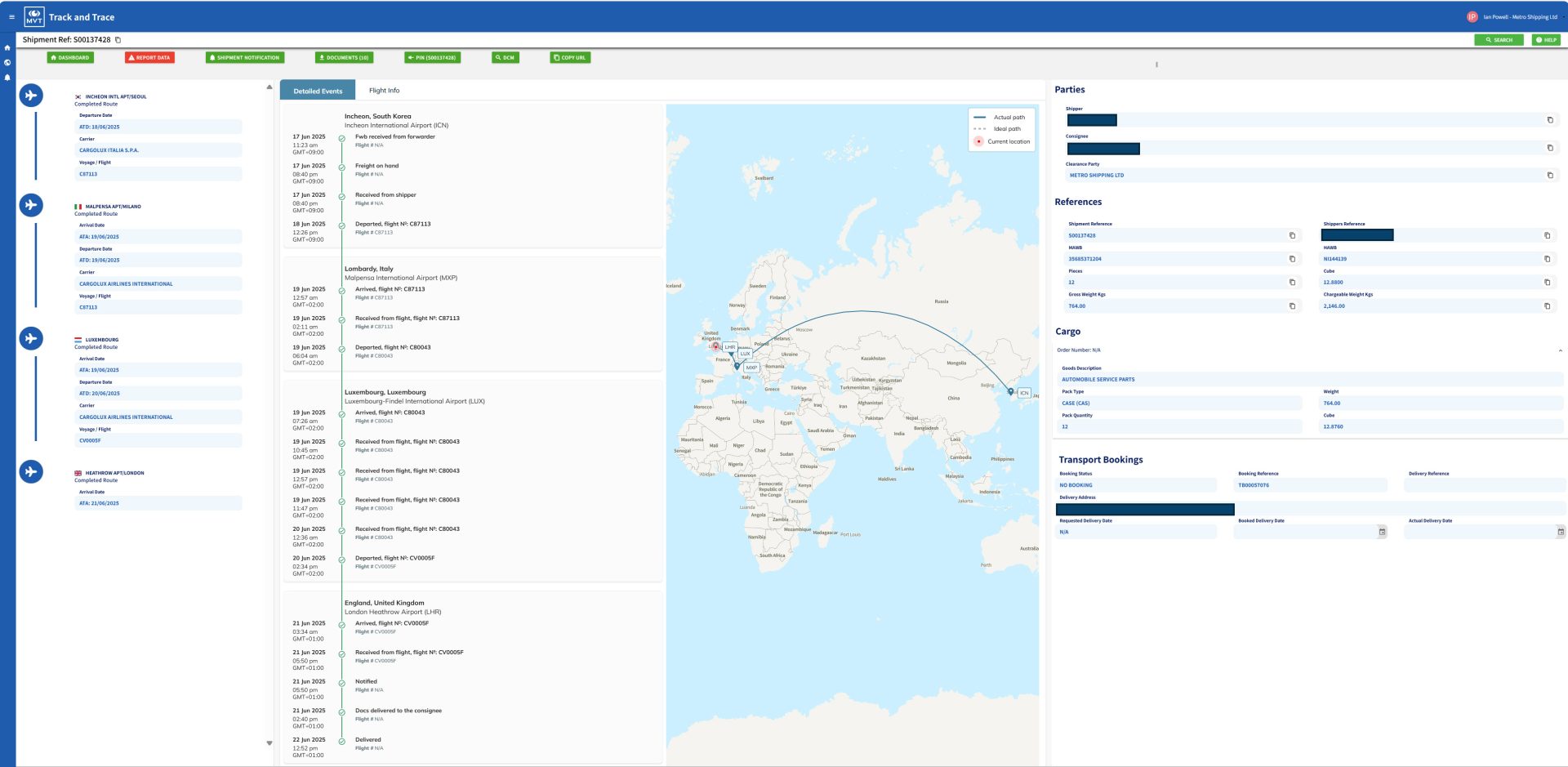
This latest enhancement builds on Metro’s existing MVT Eco application, a tool designed to provide customers with in-depth insights into their transportation-related emissions. By integrating CO2 emissions data directly into freight invoices, Metro is setting a new standard for environmental accountability within the logistics industry.

Metro’s CEO, Grant Liddell, emphasises the importance of this initiative: “The inclusion of Sea freight and Airfreight shipment CO2 data on freight invoices enhances the existing reporting available via MVT Eco and represents an evolutionary step in Metro’s commitment to raising visibility and awareness of the environmental impact within transportation.”

Metro ensures that its carbon calculations are rigorously accurate by leveraging the most comprehensive accreditation coverage available. The CO2 calculations provided through this initiative are GLEC accredited and fully aligned with ISO-14083 standards, reinforcing Metro’s dedication to environmental best practices and industry-leading sustainability measures.

For customers looking to gain deeper insights into their Scope 3 emissions and maximise their sustainability efforts, the MVT Eco application offers advanced reporting and analytics.

Those interested in utilising this tool can reach out to their Key Account Management contact or connect directly with Ian Powell, Customer & Technical Solutions Director (EMAIL), to explore how Metro’s sustainability initiatives can support their environmental objectives.

With this initiative, Metro continues to lead the way in sustainable global freight transportation, providing shippers with the necessary tools to make informed, eco-friendly decisions.