Long Beach 1

US supply chains face multiple threats

Importers are entering a critical period, with looming labour disputes, capacity pressures, and surges in maritime and airfreight volumes are creating challenges that could disrupt supply chains well into the fourth quarter.

Demand surge
The Port of Los Angeles handled a record-breaking 940k TEU in July, up 37% YoY, with the US’ largest container gateway 18% ahead of 2023 volumes.

US imports from Asia have been climbing for 10 consecutive months, with no sign of slowing down. A surge in import volumes is expected in August as businesses have been front-loading shipments ahead of a potential ILA strike.

Analysts had originally predicted a tapering of imports during the traditional peak season from August to October, but the market is now expecting year-over-year increases in monthly imports through the end of 2024.

The increase in trans-Atlantic import volumes has not completely eased pressure for space, with a 7% growth in volume during H1 2024 and the container shipping lines announcing peak season surcharges (PSS) for 1st September.

Ocean capacity
Since early July, capacity constraints on the West Coast have begun to ease, thanks to the launch and reintroduction of at least ten services. This shift has widened the rate differential between East and West coast ports, with East Coast rates now nearly 50% higher, the largest gap seen since October 2022.

However, East Coast spot rates may soften in the latter half of August if demand drops, because importers have been front-loading shipments to leave Asia in time for Black Friday sales and to avoid disruption posed by a looming strike. The International Longshoremen’s Association (ILA) contract with East and Gulf Coast maritime employers is set to expire on 30th September, and nothing has been agreed to take its place.

ILA strike
The potential for an ILA strike has become a major concern for the shipping industry. The ILA is demanding a nearly 80% wage increase over the next six years, a proposal that maritime employers have yet to agree upon.

With the union issuing a 60-day strike notice, the possibility of industrial action is growing, with ILA locals from the East and Gulf coasts expected to meet early September to finalise strike strategies. ILA President Harold Daggett has made it clear that members will not continue working beyond the contract’s expiration if their demands are not met.

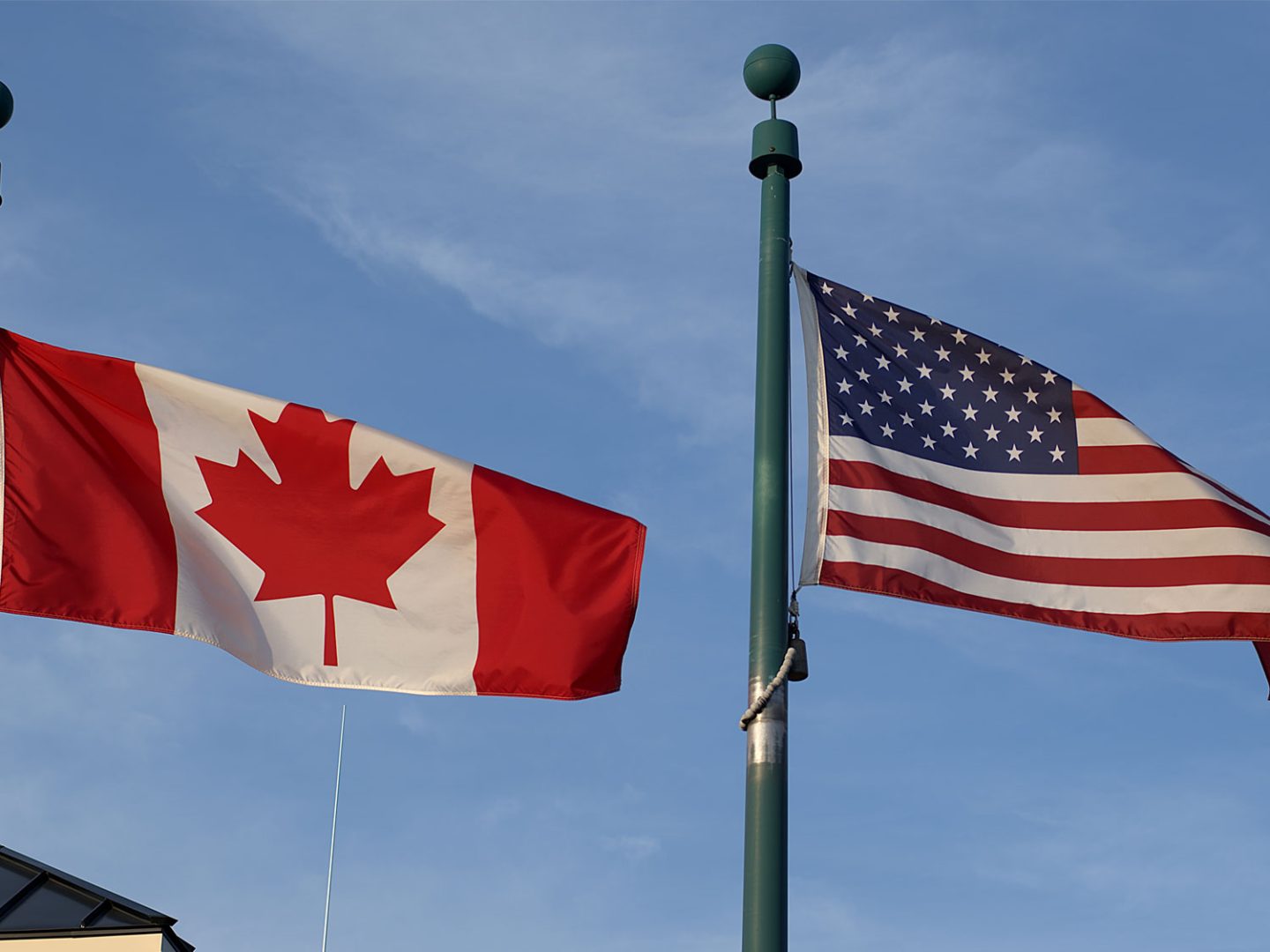
Canadian rail strike
Canada faces potential industrial action at its two main freight rail companies, Canadian National Railway (CN) and Canadian Pacific Kansas City (CPKC), starting Thursday 22nd August. Both companies plan to lock out union workers due to stalled labour negotiations.

The Teamsters union has issued strike notices, and without last-minute agreements, a work stoppage is expected. US operations will continue.

From 20th August, CPKC has said it will stop all shipments that start in Canada and all shipments originating in the US that are headed for Canada, while CN, meanwhile, has barred container imports from US partner railroads.

Both rail companies have said that their trains running in the US will continue to work.

The shutdown will disrupt freight movements to and from the West Coast ports of Vancouver and Prince Rupert. Contingency plans include using long-haul trucks or rerouting cargo through US railroads via Seattle.

Airfreight pressure
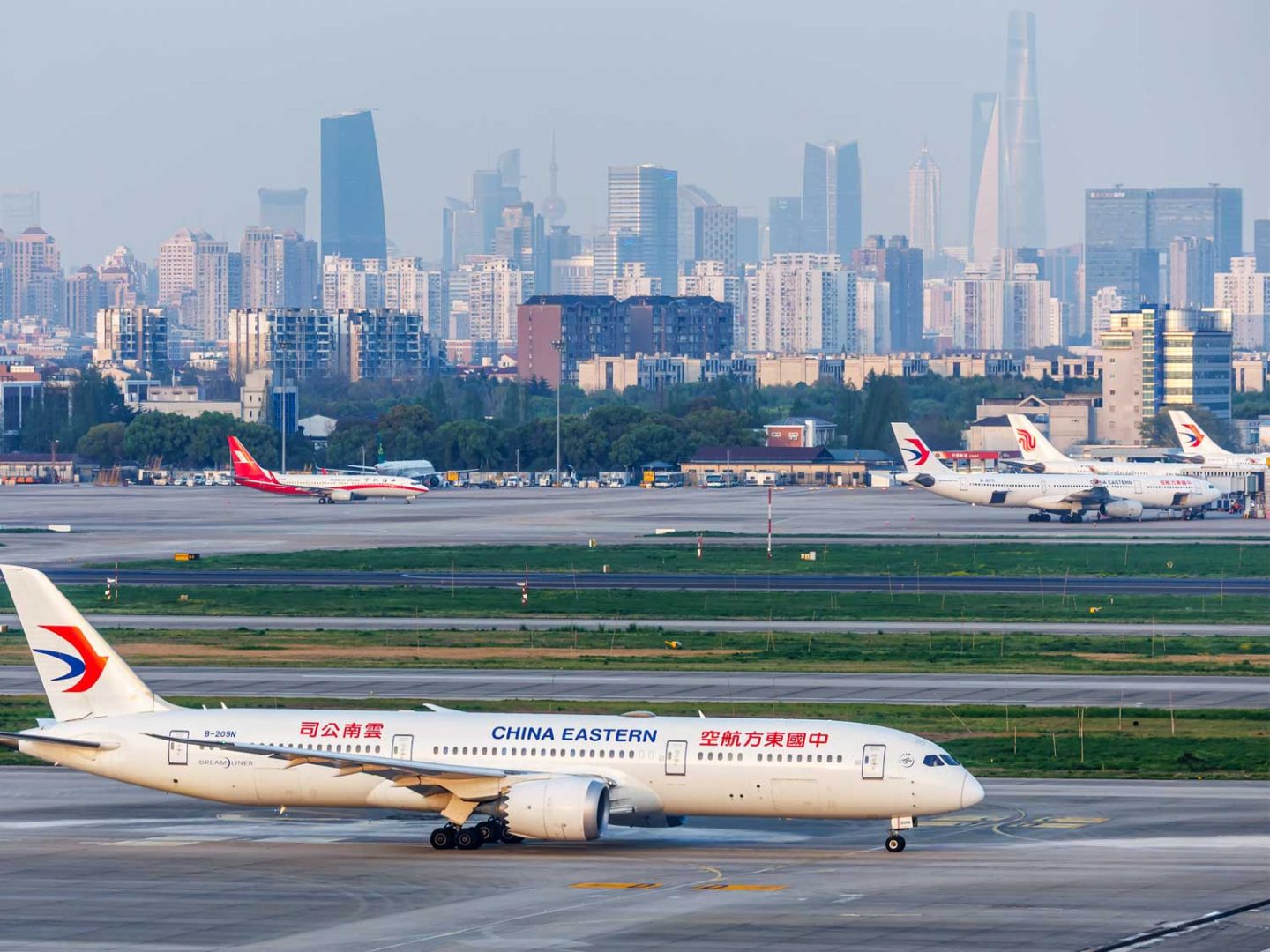
If port strikes do occur, they will inevitably spill over into the airfreight sector, leading to a significant spike in demand. However, with airfreight is already under massive pressure from heightened eCommerce activity driven by platforms like Shein and Temu.

Shein alone now accounts for about 20% of global fast-fashion sales, filling 50 to 80 freighter aircraft daily with shipments from China to the US.

An ILA strike would likely exacerbate these capacity constraints, as “distressed” ocean cargo seeks expedited transport, further tightening airfreight capacity. Rates are already surging, with trans-Pacific spot rates up 70% year over year, levels typically seen during Q4 and carriers considering peak season surcharges at the beginning of September.

With all these factors in play, Q4 is shaping up to be a challenging period for US supply chains. If you have any concerns about these potential disruptions, we are available to review your situation, explore your options, and develop contingency plans where necessary.

To learn how we can support your trade with the United States or for more information about our ocean solutions, please EMAIL our Chief Commercial Officer, Andy Smith.

LA an d Long Beach

US market update: Navigating high demand and looming strikes

Shippers in the US are currently navigating a particularly challenging landscape, marked by elevated air cargo demand and looming threats of labour strikes on the East and Gulf coasts.

Air Cargo
Air cargo on the main trade lanes out of Asia remains in peak season mode. The situation is driven by distressed cargo from the Red Sea and sustained eCommerce demand, keeping spot rates high. The recent global IT outage at Microsoft, which caused massive flight delays, cancellations, and cargo backlogs, did not significantly impact the air freight market. Cargo load factors returned to normal levels within ten days.

Air freight rates from Shanghai to North America are currently 25% higher than last year. Growth in air cargo demand is expected to continue into August and September, with potential for further increases if the peak season extends into the fourth quarter.

Sea freight and the threat of East and Gulf coast strikes
The International Longshoremen’s Association (ILA) is seeking an 80% wage increase over its next six-year contract with maritime employers on the East and Gulf coasts. The ILA has issued a 60-day strike notice to the United States Maritime Alliance (USMX), warning of strike action by its 45,000 members if a new deal is not reached before the current contract expires at the end of September.

The ILA’s wage demand is significantly higher than previous agreements and follows other union victories in contract negotiations. Shippers using container ports along the US East and Gulf coasts have limited options if the ILA begins strike action on 1st October. Importers are advised to front-load cargo to these ports as outbound capacity from Asia has been tight for several weeks. Space on vessels needs to be booked immediately to ensure arrival by 30th September.

Canadian routings for inbound cargo are increasingly uncertain due to the threat of a country-wide rail strike, while diversions through Mexico present significant logistical challenges, including limited vessel space. Short ILA stoppages can be managed with East Coast ports capable of clearing backlogs quickly. However, prolonged stoppages of a week or more could take a month to recover from, causing widespread disruption.

Diverting services to avoid the US East and Gulf coasts poses its own challenges. West Coast capacity and container equipment shortages are likely to worsen, with US imports expected to increase by 14% year-on-year in August and resilient consumer spending maintaining demand. The current rate differential between East and West coasts is the widest since October 2022 but is expected to narrow as East Coast spot rates decline ahead of the potential ILA strike.

Carriers are booked through mid-August to the East Coast, keeping rates high at least for the next few weeks. However, this will change rapidly if the ILA takes action. Spot rates to the West, East, or Gulf coasts are unlikely to fluctuate significantly in the event there is no ILA strike. Additionally, no significant drop in rates is expected during the traditionally slow months of November and December.

Canadian Railways and unions resume contract talks
Canadian National Railway and Canadian Pacific Kansas City have resumed separate contract talks with the Teamsters Canada Rail Conference, representing nearly 10,000 railroad workers. Negotiations began last November but have yet to produce a new contract to replace the agreement that expired at the end of last year.

The Canada Industrial Relations Board is investigating whether a work stoppage would impact Canadians’ health and safety, with an announcement expected by Friday. While railroad workers cannot legally strike until 72 hours after the board’s ruling, the union has indicated that a work stoppage is likely by the end of August. A strike by Canada’s railroad workers would disrupt the daily movement of more than 900,000 metric tons of goods on Canada’s railways.

The US market is experiencing significant challenges in both air and sea freight sectors. With elevated air cargo demand and potential labour strikes on the East and Gulf coasts, strategic planning is more crucial than ever for shippers.

We are here to keep you informed and act proactively to help you navigate these turbulent times, ensuring the smooth movement of goods through your supply chain.

If you have concerns about potential ILA strike action, we can assess your situation and, if necessary, develop contingency plans to safeguard your import traffic. By exploring alternative access ports and adopting a collaborative approach, we will provide optimal solutions to meet your supply chain needs.

To learn how we can support your trade with the United States or for more information about our ocean solutions, please EMAIL our Chief Commercial Officer, Andy Smith.
CMA CGM Montmarte

Record volumes raise concerns for peak season

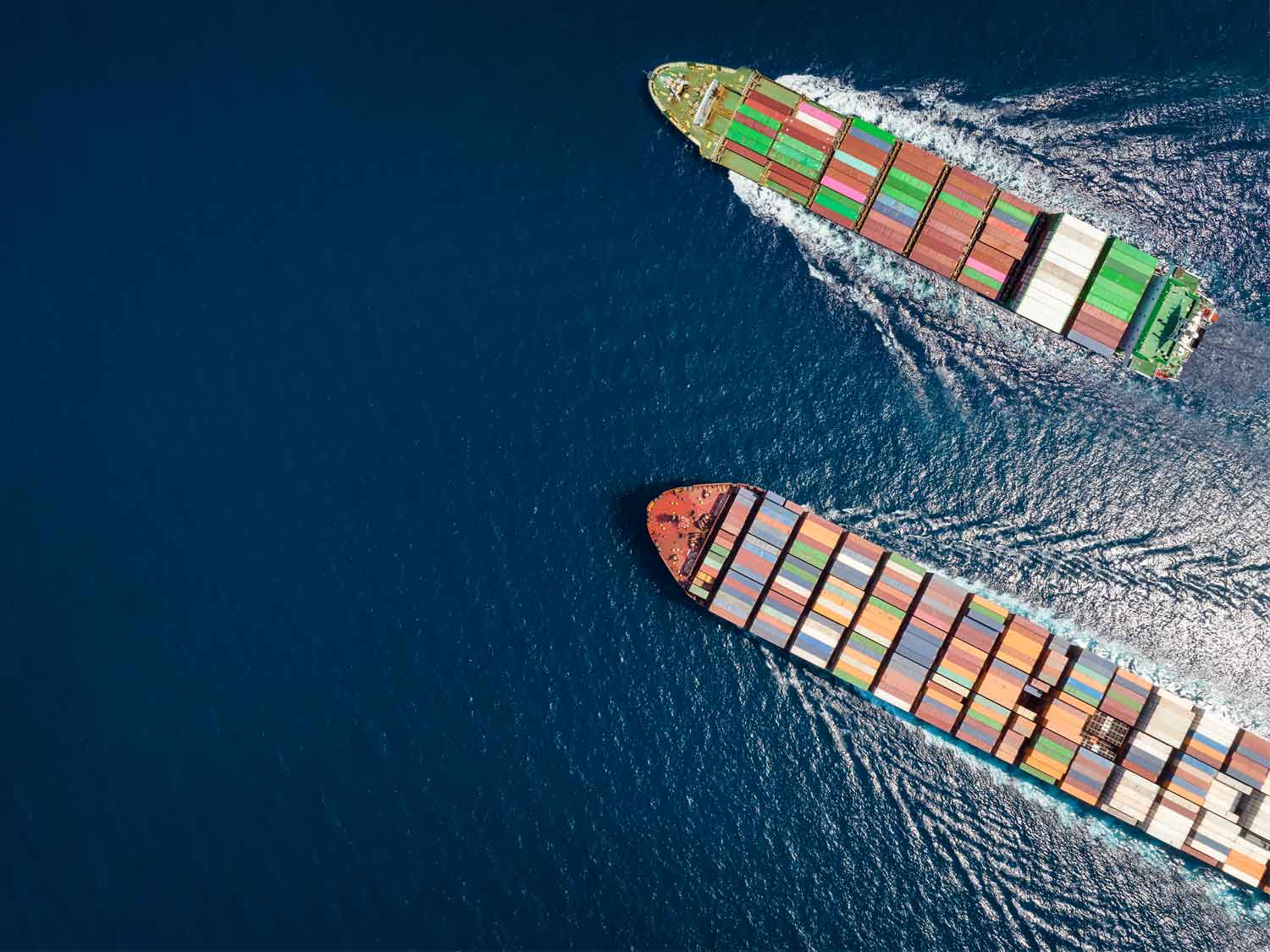
Global demand for ocean freight container shipping has surged to unprecedented levels, surpassing even the peak during the Covid pandemic and comes when available capacity is already strained due to diversions around Africa, leading to concerns that any peak season demand could be calamitous.

Chinese exports reached a record high of 6.2 million TEU in May and while there is hope that early shipments will reduce volumes during the traditional peak season in the third quarter, other factors could keep demand high. 

Nervous shippers are re-stocking and seeking to avoid potential future tariffs on imports from China, which could sustain high demand in the coming months.

Approximately 19% of US shippers and 26% of European customers are advancing their shipping schedules due to fears of supply chain disruptions.

Planned US tariff increases on goods, including electric vehicle-related materials, battery parts, and solar cells, could further elevate freight costs as exporters rush to front-load shipments. The Hong Kong Small and Medium Enterprises Association noted that many manufacturers are struggling with tighter deadlines and increased overtime pay in mainland China, jeopardising profitability.

With importing customers asking for orders to be shipped earlier than usual, Chinese manufacturers are increasingly struggling to meet the shortened schedules necessary for timely festive season deliveries. The average cost of moving a 40ft container between Asia and northern Europe has more than doubled in two months, with a roughly fivefold increase from the same period last year.

Recent spot rate indexes for sea freight have shown the smallest gains in months, with some main east-west routes seeing a pause in growth. The slowdown suggests the market might be reaching an equilibrium of supply and demand. However, it remains unclear whether this is a temporary early peak season or if demand from front-loading shippers will persist, particularly with potential US tariff increases looming.

While Asia-to-Market routes have stabilised, others continue to show week-on-week rises, with the WCI’s Shanghai-Rotterdam leg and XSI’s Asia-Europe component both increasing. Monitoring space availability closely, there are reports that vessel utilisation might be slipping, potentially making bookings easier to acquire. However, rates are expected to remain high throughout the peak season, especially for shipments ex-China.

Equipment shortages
Please be aware that we are seeing more reports from carriers that intra-Asia routes are experiencing equipment shortages, particularly out of China. This is an industry-wide issue that initially affected long-haul shipping but now has extended to intra-Asia routes. The demand for export containers in China means that carriers have to decide whether to prioritise carrying empty containers back to China or carrying laden containers to other destinations.

We are monitoring the station closely, as it could possibly push rates up, potentially cascading into the backhaul trades to Asia and regional trades.

The unprecedented demand for ocean freight and ongoing challenges in capacity and costs suggest a complex and potentially turbulent peak season ahead.

We recommend talking to us now, if you have any urgent or high-priority orders forthcoming and sharing your shipping forecasts, so that we can secure your space, on the services that meet your deadlines, at the best possible rates.

To learn how we can enhance your ocean freight solutions, please EMAIL our Chief Commercial Officer, Andy Smith. 
New York port 1440x1080 1

US port strike threats on East and Gulf Coasts

The International Longshoremen’s Association (ILA) contract with maritime employers, represented by the United States Maritime Alliance (USMX), is set to expire on the 30th September 2024 and with under 10 weeks remaining, negotiations have stalled, making a strike increasingly likely. 

Any strike that potentially impacts all Atlantic and Gulf Coast ports would cause significant disruption to containerised US import and exports, especially with West Coast port workers potentially refusing to handle diverted cargo in solidarity.

However, the ILA has a record of resolving contracts without strikes, with the last major disruption occurring in 1977 and had planned to resolve local jurisdiction contracts before starting master contract talks but these negotiations were cancelled due to a dispute at the Port of Mobile. The USMX has expressed a desire to move forward productively but acknowledges that time is running out.

Despite time running out to sign a new contract before the current deal’s expiration the ILA is unwilling to extend the current contract or accept intervention from outside agencies. 

The ILA is also seeking recognition for the longshore workers’ efforts during the pandemic, similar to the West Coast’s International Longshore and Warehouse Union (ILWU), which secured a significant pay increase in their recent contract.

The union’s firm stance against port automation, particularly the use of an auto gate system at the Port of Mobile, has been a significant sticking point. This system processes trucks without ILA labor, which the union claims violates the current master contract and resulted in the stalling of the most recent negotiations. 

The ILA alleges that increasing the number of IT personnel at marine terminals undermines traditional dockworker roles and they will not resume talks until these issues are resolved.

The looming strike poses a significant threat to maritime operations along the East and Gulf coasts, but there are questions as to whether the union would proceed with a potentially devastating strike just five weeks before the presidential elections in the United States.

If you are shipping to or importing through the US East or Gulf Coasts and have concerns about potential ILA strike action, we can assess your situation and, if necessary, develop contingency plans to safeguard your supply chains.

By exploring alternative access ports and adopting a collaborative approach, we will provide optimal solutions to meet your supply chain needs.

To learn how we can support your trade with the United States or for more information about our ocean solutions, please EMAIL our Chief Commercial Officer, Andy Smith.