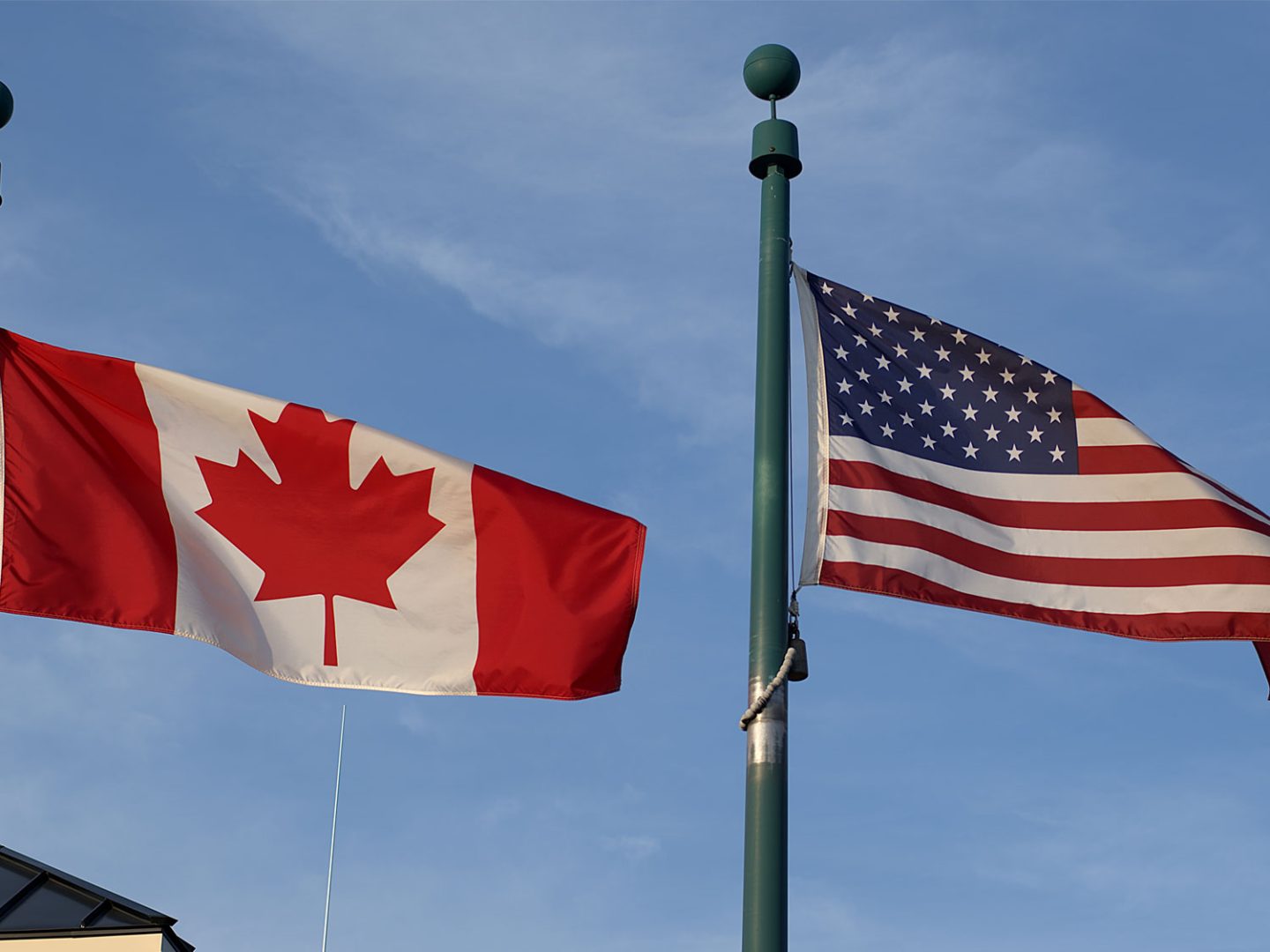
Canada and US flags 1440x1080 1

Stricter air cargo security measures in response to rising threats

The US and Canada have introduced new security measures aimed at addressing the potential risks posed by incendiary devices found in European parcel networks.

Recent incidents, including a fire at a logistics hub in Leipzig originating from a Baltic package, have heightened awareness of potential threats to global supply chains, with reports suggesting possible interference by Russian actors.

The US Transportation Security Administration (TSA) and Transport Canada have implemented stricter security protocols, adding layers of scrutiny to air cargo entering their respective countries. 

These measures, introduced in August and early September, focus on cargo originating from Europe, the Commonwealth of Independent States (CIS), and Central Asia. Air carriers must now provide more detailed information on shippers and consignees to mitigate risks.

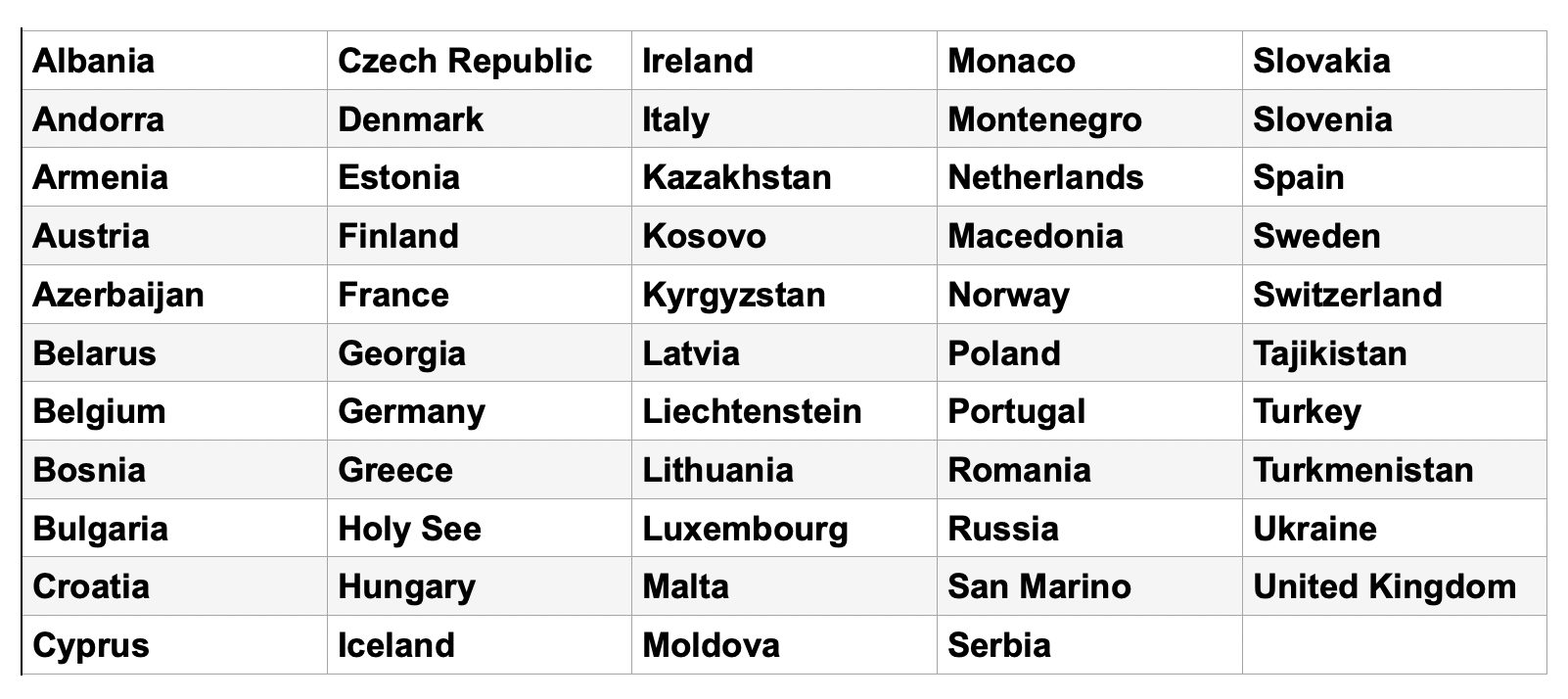
Transport Canada’s new rules require that cargo from 55 European and Central Asian countries must come from shippers with an “established business relationship” with freight forwarders or air carriers.

Air Canada Cargo, in line with these measures, has mandated specific messaging on air waybills to confirm the relationship between shippers and their logistics partners. To meet the security standards, shippers must have maintained an active account for at least 90 days, with a minimum of six shipments during that period.

Similarly, the US has introduced “Enhanced ACAS Security Filing,” requiring additional data on the shippers of all goods entering the country. This enhanced scrutiny aims to better identify parties involved in the supply chain before cargo is loaded onto US-bound aircraft. As part of these emergency measures, air carriers can only transport cargo from Europe and CIS countries if it has been tendered by a “Known Consignor” or a shipper with an established business relationship with a regulated agent or carrier.

These new regulations have not come without challenges. Several carriers, including Korean Air Cargo, have imposed temporary embargoes on cargo originating from Europe and the CIS regions due to the difficulties in meeting the updated requirements. The embargoes are set to remain in place until mid-November, with further assessments to follow as the new security rules settle into effect.

Metro’s air exports to North America continue to fly without issue, or delay. Inbound consignments are processed through customs and associated border agencies by our network partners in the US and Canada.

EMAIL Elliot Carlile, Operations Director, for insights, prices and advice. 
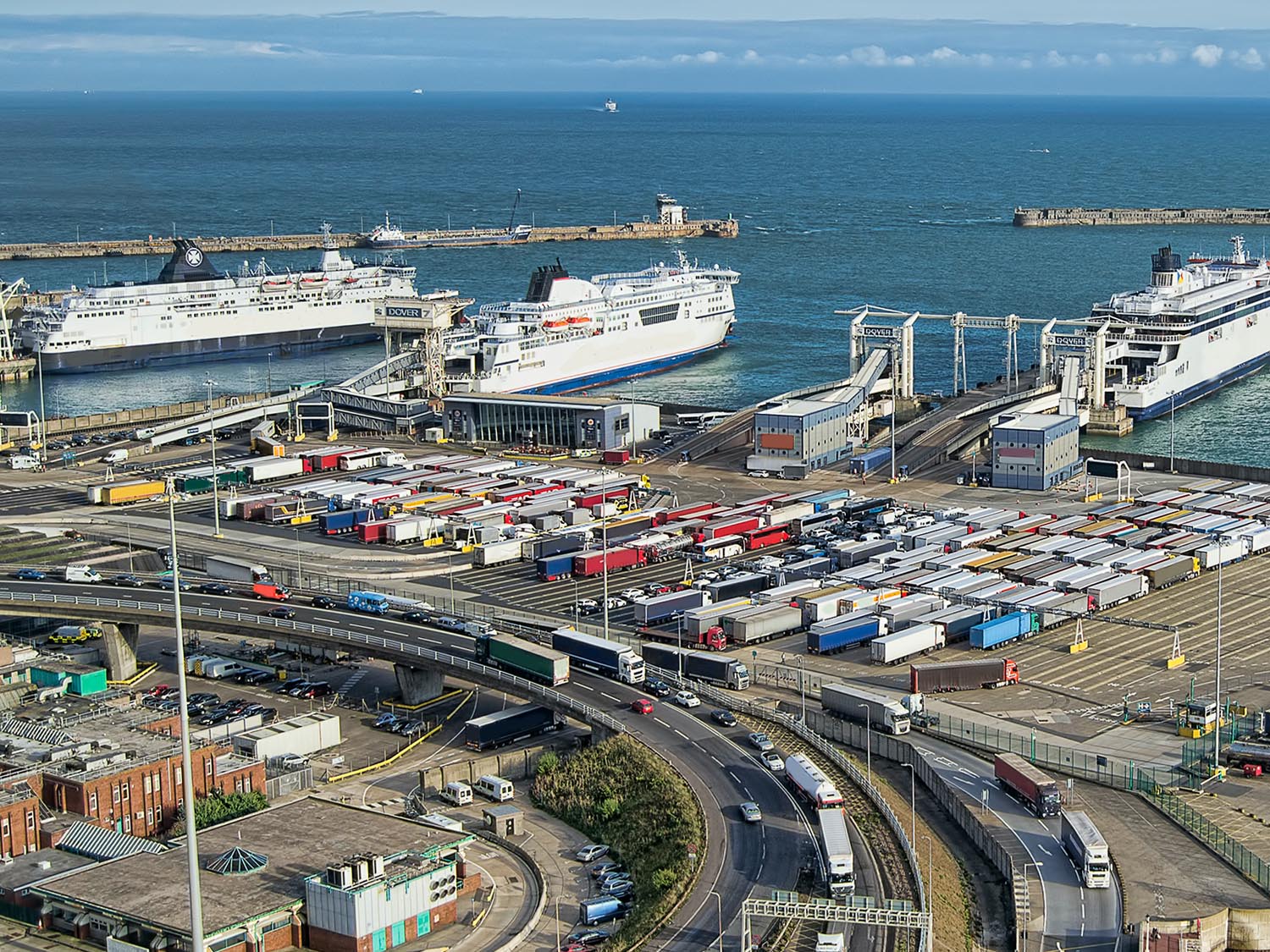
Dover istock

Import Control System 2

Enhancing supply chain security and safety, Import Control System 2 (ICS2) is the Import Control system for movements both ways between the UK and the EU, including Norway, Switzerland, and Northern Ireland.

Based on similar worldwide systems that pre-declare shipments, to determine risk, security and safety of the cargo, ICS2 is the EU’s advanced cargo information system, which has been rolling out since 2021. 

The process has long been in place from the Far East and USA, with responsibility of making a declaration to the first European port of call of the vessel, for all goods entering, moving through or leaving the EU before they arrive. This system helps EU customs authorities ensure security and safety, and compliance is crucial to avoid delays, scrutiny, and penalties.

The full scope of data to be provided now include the commodity code (to 6 digits), a clear and plain description of the product, and the consignees EORI.

Given that the description and commodity code will reflect all the goods within the shipment then the declaration has the ability, for full container loads of multiple SKUs to become quite cumbersome.

One of the key pieces of data is around establishing credibility of the consignee, this is done through the EORI which can be checked to determine the establishment of a company in the EU.

Without an EORI it will raise a red flag to the destination authorities. The process is due to be introduced on the 1st October of this year,

Key Benefits of ICS2
ICS2 aims to secure the EU’s supply chain and streamline customs procedures by:

– Accurately identifying high-risk consignments and allowing proactive intervention
– Facilitating faster, smoother cross-border clearance, reducing delays and costs
– Simplifying information exchange between Economic Operators (EOs) and EU Customs Authorities

Enhanced Data Requirements
With ICS2 Release 3, exporters must provide comprehensive information about goods, including their origin, destination, and specific attributes. This enhanced data collection improves risk assessment and overall security measures in global trade.

Who is Affected?
ICS2 affects all Economic Operators (any business or other organisation which supplies goods, works or services) involved in handling, shipping, and transporting cargo. They must submit safety and security data to the ICS2 portal via the Entry Summary Declaration (ENS). Manufacturers and exporters outside the EU must provide necessary information to their freight forwarder or carrier.

Implementation Phases
ICS2 is being implemented in three releases, with Release 3 launched on 3 June 2024. This includes maritime carriers, express operators, and air cargo operators. Release 3 will proceed in three phases:

– 3rd June 2024: Maritime and inland waterways carriers
– 1st October 2024 EORI number required for EU consignees
– 4th December 2024: Maritime and inland waterways house-level filers
– 1st April 2025: Road and rail carriers

Exporter Obligations
Exporters must provide detailed information about their shipments to carriers, including:

– A 6-digit Harmonised System Code
– A complete and accurate commercial description of the goods
– The EORI number of all parties involved, registered in the EU
– Additional details of parties involved, such as the seller, buyer, and consignee

By meeting these requirements, exporters help facilitate accurate risk assessments and enhance overall security.

Conclusion
Understanding and complying with ICS2 is essential for anyone involved in exporting to the EU. By providing detailed and accurate shipment information, you can help ensure smoother customs procedures and contribute to a more secure global supply chain, while avoiding delays, scrutiny, and penalties.

When the ENS information is not provided to EU customs, shipments will be stopped and will not be processed for customs clearance, which will lead to delays and potential fines.

We can guide you on the ICS2 changes, help you to educate your suppliers and provide full support for all your import and export documentary needs.

Metro are at the forefront of customs brokerage solutions, with our automated CuDoS declaration platform and dedicated team of customs experts, reacting swiftly to any changes in the UK and EU’s trading regimes.

To learn more about ICS2, or to see how we can simplify and automate customs declarations for your businesses, please EMAIL Andy Fitchett, Brokerage Manager.

Brexit uncertainty hurting UK car industry

European ports turned into EV car parks

European ports are overflowing with imported electric vehicles (EVs), especially from China, as manufacturers rush to ship cars before new tariffs take effect. This surge in imports has turned car terminals into vast car parks, with dealers hesitating to accept more vehicles due to slowing sales.

Ports like Zeebrugge and Bremerhaven, which are among the largest car handling facilities in Europe, are particularly congested. A shortage of truck drivers and transport equipment has exacerbated the issue.

At Calloo near Antwerp and Zeebrugge, parking lots that can hold 130,000 vehicles are packed with Chinese brands like MG, BYD, and Nio. Chinese vehicle exports to Europe reached 1.3 million in Q1 2024, a 33% increase from the previous year, with most being EVs. Antwerp-Bruges, Europe’s second-largest port, expects between 600,000 to 1 million Chinese vehicles this year.

Registrations of Chinese-made EVs in Europe increased by 23% from January to April 2024. Western and Japanese brands manufactured in China, such as Tesla and Volkswagen, accounted for 54% of these registrations.

Tariffs and Strategic Moves
The US imposed a 100% tariff on Chinese EVs starting on the 1st August 2024, while the EU applied additional duties of 17-38% from the start of July, on top of an existing 10% tariff. BYD, China’s largest EV maker, faces the lowest additional tax at 17.4%.

To avoid EU tariffs, BYD is setting up a $1 billion manufacturing plant in Turkey, which is part of the EU’s Customs Union, allowing vehicles produced there (up to 150,000 p.a.) to avoid additional tariffs.

UK’s Post-Brexit Tariff Options
The UK can avoid negative impacts of the EU’s punitive tariffs on Chinese EVs, as its interests differ. With most volume car production moved to the EU, the UK has a £25bn trade deficit in motor vehicles with the EU. Nissan is the only major producer left in the UK, exporting 70% of its output to the EU. Thus, EU tariffs inadvertently protect Sunderland’s car manufacturing.

The UK’s auto industry is shifting towards high-value, customized vehicles, which dominate its £28bn global exports. These premium vehicles are not threatened by Chinese imports but could be if retaliatory tariffs from China occur. Post-Brexit, the UK can choose to stay out of the trade war, attracting auto investment and reducing the trade deficit with the EU.

RoRo Capacity Issues
The lack of RoRo capacity to transport vehicles continues to plague global car manufacturers, with the major brands establishing long-standing relationships with shipping lines, or owning their own fleets.

China’s automotive giants are constructing their own RoRo vessels, with Chinese companies set to control the fourth largest car carrying fleet in the world by 2028, controlling an estimated 8.7% of vessels in service.

Deliveries of new generation dual-fuel ships loading up to 8,000 CEU have already started, while even bigger 9,000 CEU capacity vessels have been contracted for delivery between 2025 and 2028.

Metro is exporting finished vehicles in containers, with significantly lower port to port freight costs, for a number of UK manufacturers.

In addition to avoiding the long wait for delayed (and much more expensive) RoRo services, they have no worries about congestion or shortage of space.

Standard 40’ containers can accommodate two large cars, and up to four smaller vehicles, secured on a rack, with massive efficiency gains and costs that are in line with historic RoRo levels.

If you would like further information on our containerised solutions, or have any questions or concerns about your Automotive supply chain, please EMAIL our Automotive team who are standing by to assist.

Freighter

US Customs target non-compliant eCommerce and brokers

US Customs and Border Protection (CBP) is taking action to minimise the exploitation of the generous small package, or ‘de minimis’ environment. Seizing goods and enhancing enforcement efforts to hold brokers accountable, the CBP’s actions are unsettling the eCommerce and freighter markets, as the government considers action to fix the tax and data loophole.

The crackdown by the CBP began at the end of May, with a large seizure of goods and the suspension of six customs brokers, which led to some Chinese eCommerce sellers initially suspending air charter operations into the US.

The CBP seized 1,000 tons of goods related to shipments from the Chinese eCommerce retailer Shein, according to reports in The Loadstar and while the situation may have Chinese shippers nervous, we have not seen any obvious decreases in transpacific freighter flights or in China-originating flights.

The U.S. exempts ‘de minimis’ shipments from duties and formal entry requirements and the threshold was increased from $200 to $800 to facilitate trade and simplify customs procedures for low-value shipments, with Type 86 Entry in the Automated Commercial Environment (ACE) introduced on a trial basis in September 2019, to file the required dataset within 15 days of arrival.

Earlier this year CBP announced enforcement measures to prevent the importation of illicit substances, while compliance enforcement efforts brought to light violations including:

– Entry by parties without the right to make entry
– Incorrect manifesting of cargo
– Misclassification
– Mis-delivery ( e.g., delivery of goods prior to release from CBP custody)
– Undervaluation
– Incorrectly executed powers of attorney

CBP has suspended multiple customs brokers from participating in the Entry Type 86 Test after determining that their entries posed an unacceptable compliance risk.

Where we are now
Air cargo yields out of China and Hong Kong at the beginning of the year were up 45% compared to pre-pandemic 2019 and online cross-border consumer orders reached a scale where they were filling the equivalent of 90 Boeing 747 freighters out of Southern China every day.

New York-based Atlas Air recently disclosed it will operate two Boeing 747-400 jumbo jets for Shein and Temu to the United States, starting in the third quarter.

Canada’s Cargojet has agreed its own eCommerce fulfilment deal for services between Hangzhou and Vancouver on 767-300Fs, which began last month with three flights a week, but it could scale up, with the possibility of moving consignments overland to the US.

However, volumes from eCommerce platforms like Temu and Shein have been the main driver of strong demand, tight capacity and elevated rates from China to North America and Europe and if their access to the US market were diminished it will release capacity and potentially put downward pressure on rates.

The EU has designated Temu and Shein as Very Large Online Platforms (VLOP) which impose stringent rules and while it does not directly impact their logistics, compliance rules could impact demand, with certain items banned from the platform.

The EU is also proposing to end its €150 ($1§63) de minimis threshold from 2028.

Metro has been providing ocean and air services into the USA since 1981, providing national Customs Brokerage solutions, across all regimes, that keep U.S. importers and exporters of all types of product compliant and free of regulatory penalties.

We operate daily import/export air freight services, full load container departure on next vessel and weekly groupage services.

If you would like to review our services for the United States, improve your supply chain or reduce costs, please EMAIL our Chief Commercial Officer, Andy Smith.