Overland transport across the Middle East has moved from a contingency option to a critical component of regional supply chains, as disruption to ocean and air networks forces cargo onto road-based alternatives. The result is a rapidly tightening environment, where capacity, infrastructure and cross-border processes are all under increasing pressure.
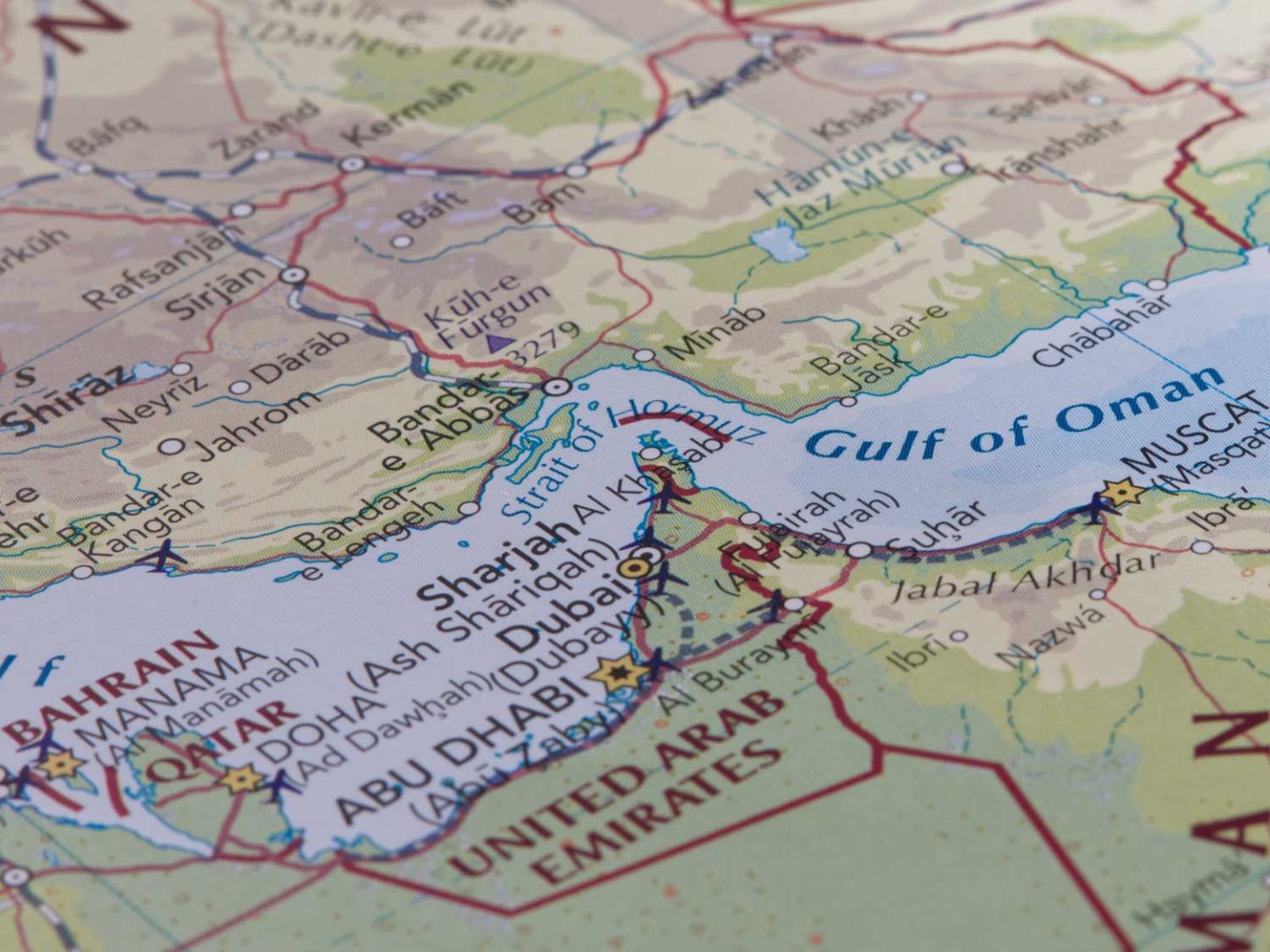
With ocean access into the Gulf restricted, containers are being discharged at ports outside the region and redirected inland via road networks. Oman, alongside locations such as Khor Fakkan, Sohar and Jeddah, has become a central staging point for cargo moving into Gulf Cooperation Council (GCC) markets.
In practice, this means cargo originally destined for major hubs such as Jebel Ali or Hamad is now entering the region through a variety of entry points, with no standardised routing approach. As a result, overland transport is playing a far greater role in bridging gaps between discharge locations and final delivery points.
However, the infrastructure supporting this shift was not designed for sustained, high-volume container flows over long distances, and pressure is building quickly.
Trucking capacity shortages and border constraints
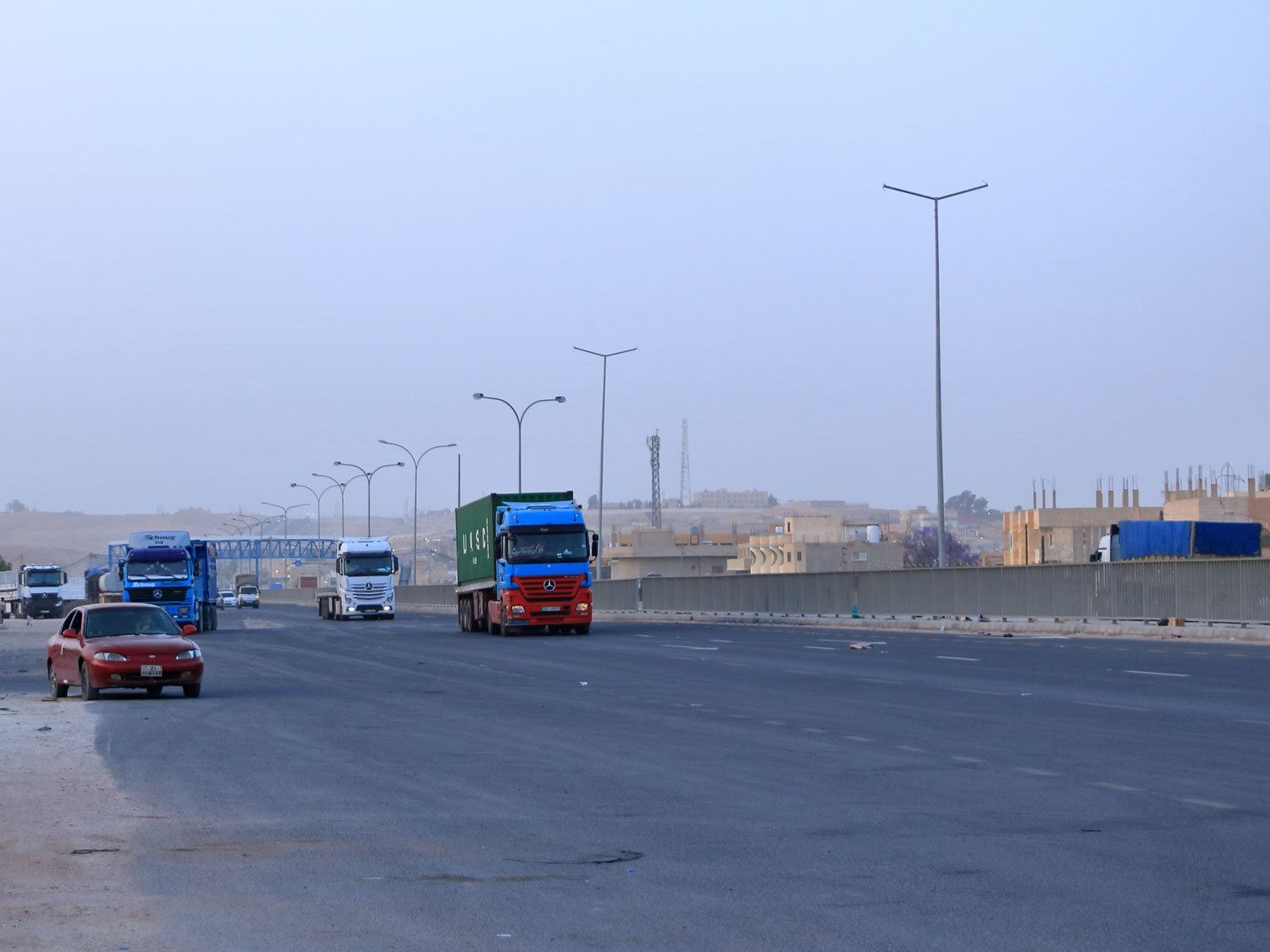
The rapid increase in inland volumes is exposing structural limitations across regional road networks. Trucking capacity is tightening across key corridors linking Oman, Fujairah and Saudi Arabia, with shortages extending transit times and delaying cargo recovery.
Congestion is intensifying at key nodes. In some locations, terminals are operating at full capacity, with vessel queues and dwell times extending beyond 10 days, while long truck queues are forming as cargo competes for onward movement.
At the same time, cross-border complexity is increasing. Driver availability is constrained by visa processing delays, with queues extending for hours and reducing the number of journeys each vehicle can complete. Additional restrictions on driver nationality are further limiting capacity on certain routes.
Operational constraints are also emerging at a regulatory level. Cross-border trucking is not always seamless, with limitations on where vehicles can operate and additional charges being introduced in some markets, increasing both cost and administrative complexity.
As a result, transit times are becoming less predictable and costs are rising sharply. In extreme cases, urgent shipments have seen trucking rates escalate significantly above typical market levels, reflecting both scarcity of capacity and the urgency of demand.
The weekend drone strike on the Port of Salalah has highlighted how exposed overland networks are to disruption at key staging points. The temporary closure of the terminal interrupted a critical gateway for cargo being discharged and moved inland to Gulf markets.
Although operations are set to resume from Tuesday 31st March, constraints are expected to continue, limiting throughput and adding further pressure to already congested road corridors.
Overland not scalable at current volumes
As disruption continues, overland transport is becoming a core part of regional supply chains rather than a temporary workaround. Road, rail and multimodal solutions are being deployed extensively to maintain flow into the Gulf, supported by a growing network of alternative corridors.
However, these solutions are not scalable at the level required to fully replace traditional ocean routes. Capacity limitations, border delays and infrastructure constraints are creating a bottleneck that is likely to persist as long as disruption continues.
For shippers, the challenge is operational as much as strategic — managing cargo already in transit, navigating changing routing decisions and securing inland capacity in a highly constrained environment.
Keep cargo moving with integrated solutions
By combining regional expertise and coverage with established multimodal networks, Metro is coordinating road, air-road and alternative routing strategies to bridge gaps created by disrupted ocean and air services.
Metro works proactively to secure trucking capacity, manage cross-border movements and identify the most effective corridors based on real-time conditions, reducing delays and maintaining control in a highly fluid environment.
With full visibility through the MVT platform, customers can track cargo across inland networks, monitor congestion and adapt quickly as routes and constraints evolve.
If your cargo is impacted or at risk of delay, EMAIL Andrew Smith, Managing Director, to secure capacity and define a clear route forward.