Trucks Middle East

Middle East overland networks under strain

Overland transport across the Middle East has moved from a contingency option to a critical component of regional supply chains, as disruption to ocean and air networks forces cargo onto road-based alternatives. The result is a rapidly tightening environment, where capacity, infrastructure and cross-border processes are all under increasing pressure.

With ocean access into the Gulf restricted, containers are being discharged at ports outside the region and redirected inland via road networks. Oman, alongside locations such as Khor Fakkan, Sohar and Jeddah, has become a central staging point for cargo moving into Gulf Cooperation Council (GCC) markets.

In practice, this means cargo originally destined for major hubs such as Jebel Ali or Hamad is now entering the region through a variety of entry points, with no standardised routing approach. As a result, overland transport is playing a far greater role in bridging gaps between discharge locations and final delivery points.

However, the infrastructure supporting this shift was not designed for sustained, high-volume container flows over long distances, and pressure is building quickly.

Trucking capacity shortages and border constraints

The rapid increase in inland volumes is exposing structural limitations across regional road networks. Trucking capacity is tightening across key corridors linking Oman, Fujairah and Saudi Arabia, with shortages extending transit times and delaying cargo recovery.

Congestion is intensifying at key nodes. In some locations, terminals are operating at full capacity, with vessel queues and dwell times extending beyond 10 days, while long truck queues are forming as cargo competes for onward movement.

At the same time, cross-border complexity is increasing. Driver availability is constrained by visa processing delays, with queues extending for hours and reducing the number of journeys each vehicle can complete. Additional restrictions on driver nationality are further limiting capacity on certain routes.

Operational constraints are also emerging at a regulatory level. Cross-border trucking is not always seamless, with limitations on where vehicles can operate and additional charges being introduced in some markets, increasing both cost and administrative complexity.

As a result, transit times are becoming less predictable and costs are rising sharply. In extreme cases, urgent shipments have seen trucking rates escalate significantly above typical market levels, reflecting both scarcity of capacity and the urgency of demand.

The weekend drone strike on the Port of Salalah has highlighted how exposed overland networks are to disruption at key staging points. The temporary closure of the terminal interrupted a critical gateway for cargo being discharged and moved inland to Gulf markets.

Although operations are set to resume from Tuesday 31st March, constraints are expected to continue, limiting throughput and adding further pressure to already congested road corridors.

Overland not scalable at current volumes

As disruption continues, overland transport is becoming a core part of regional supply chains rather than a temporary workaround. Road, rail and multimodal solutions are being deployed extensively to maintain flow into the Gulf, supported by a growing network of alternative corridors.

However, these solutions are not scalable at the level required to fully replace traditional ocean routes. Capacity limitations, border delays and infrastructure constraints are creating a bottleneck that is likely to persist as long as disruption continues.

For shippers, the challenge is operational as much as strategic — managing cargo already in transit, navigating changing routing decisions and securing inland capacity in a highly constrained environment.

Keep cargo moving with integrated solutions

By combining regional expertise and coverage with established multimodal networks, Metro is coordinating road, air-road and alternative routing strategies to bridge gaps created by disrupted ocean and air services.

Metro works proactively to secure trucking capacity, manage cross-border movements and identify the most effective corridors based on real-time conditions, reducing delays and maintaining control in a highly fluid environment.

With full visibility through the MVT platform, customers can track cargo across inland networks, monitor congestion and adapt quickly as routes and constraints evolve.

If your cargo is impacted or at risk of delay, EMAIL Andrew Smith, Managing Director, to secure capacity and define a clear route forward.

Jebel Ali

Middle East disruption continues to reshape global supply chains

Middle East linked disruption extends well beyond the region, with growing implications for global supply chains. 

As capacity tightens, routes are reconfigured and costs come under pressure, supply chains are entering a more complex and less predictable phase.

Air freight capacity tightens

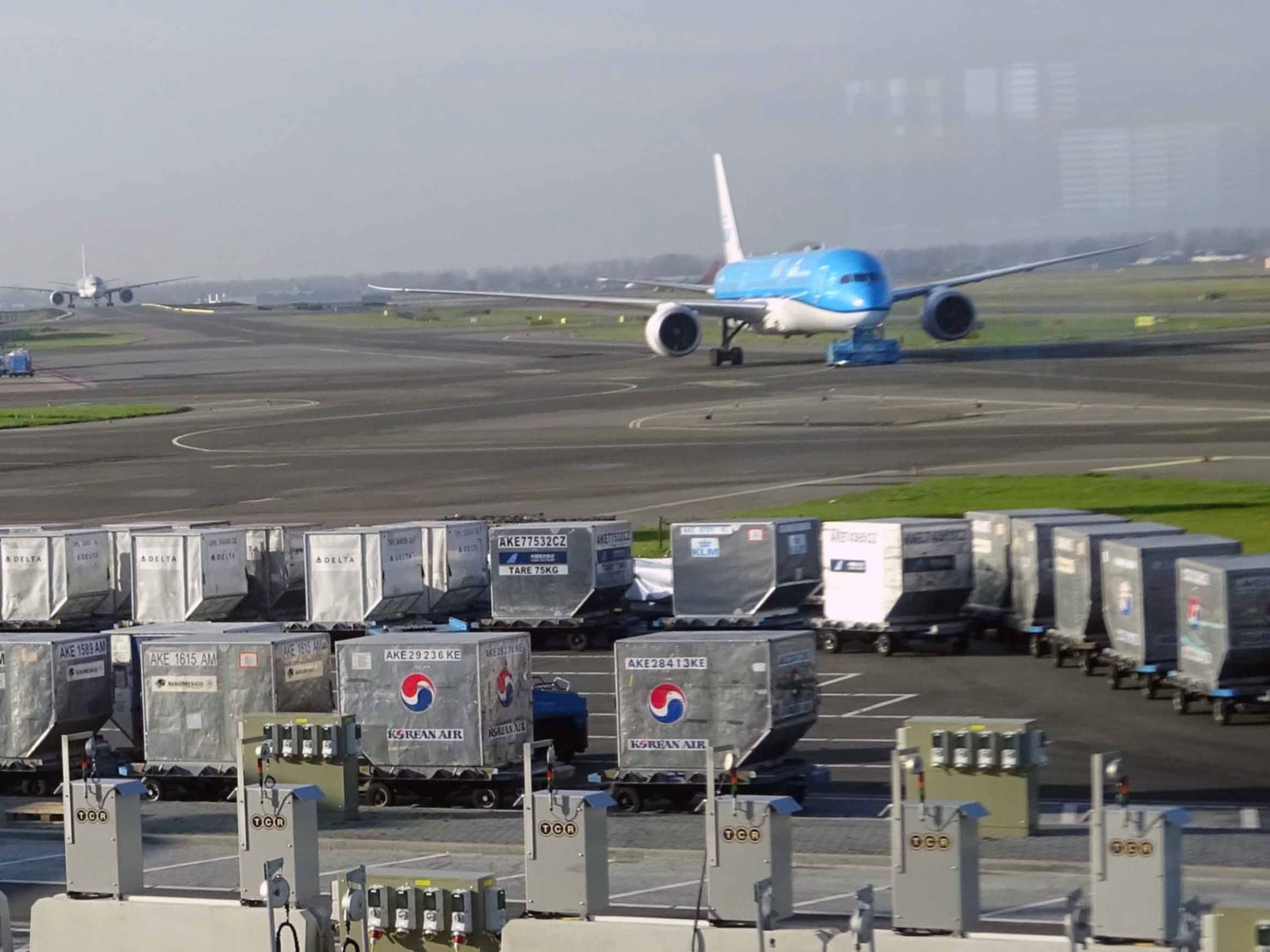
Air freight markets are among the most immediately affected. Reduced capacity through key Gulf hubs — which typically handle a significant share of global cargo flows and particularly Asia — has forced airlines to reroute services and limit network coverage.

Market data indicates that capacity reductions in parts of the Middle East and South Asia have been significantly steeper than the decline in volumes, creating a sharp imbalance between supply and demand. As a result, rates on some key east–west corridors have risen by more than 50% week on week, with spot pricing increasing at an even faster pace.

Cargo is increasingly being redirected via alternative gateways such as China and Hong Kong, placing additional pressure on corridors that were previously less affected. This is tightening capacity across Asia–Europe routes and contributing to delays, space shortages and short-notice schedule changes.

At the same time, rising fuel costs and the introduction of war risk-related surcharges are adding further upward pressure, while rate validity is shortening as carriers respond to rapidly changing conditions.

Ocean disruption drives congestion, diversion and equipment imbalances

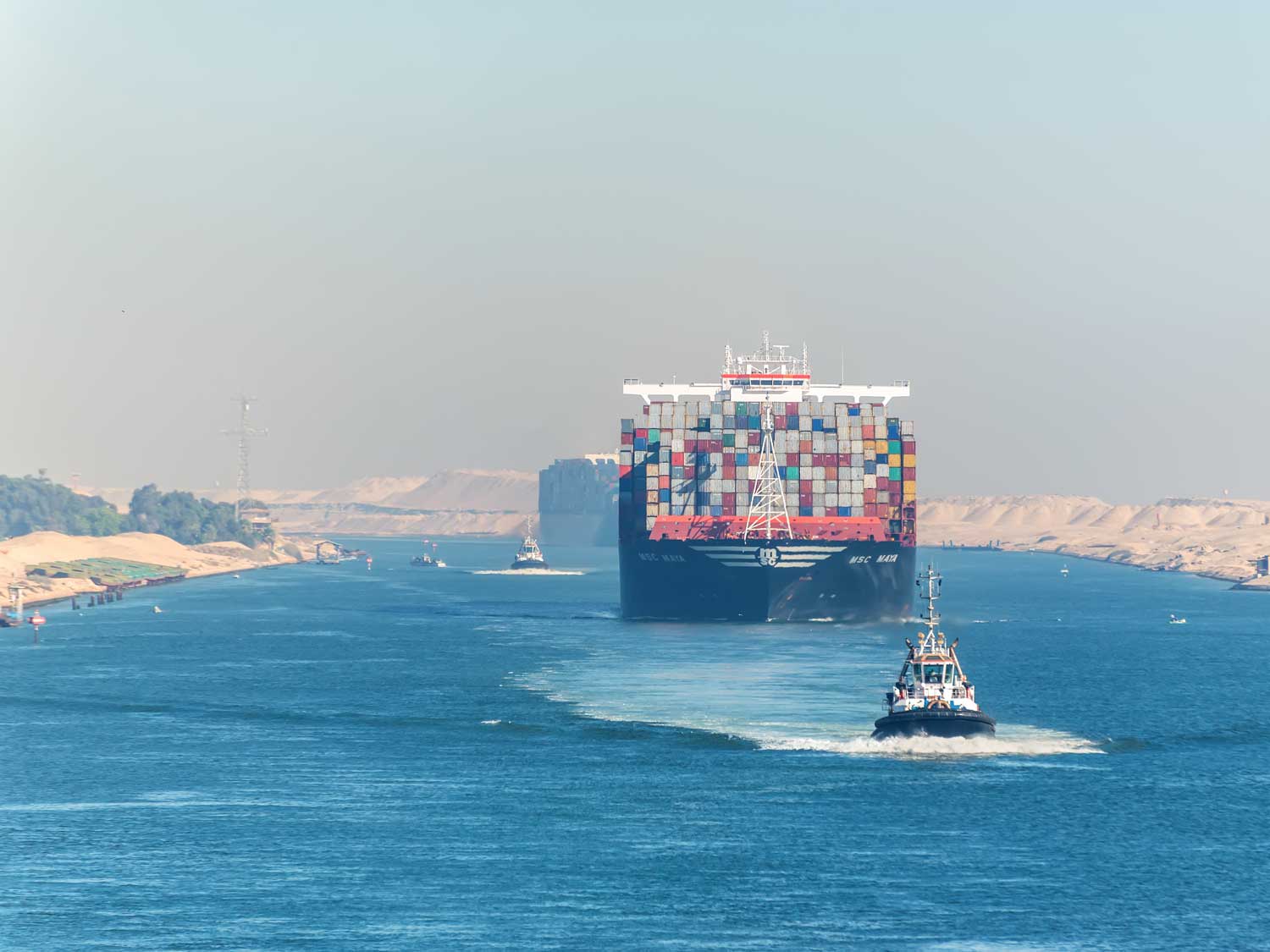
Ocean freight is facing a different but equally significant set of challenges. The effective closure of the Strait of Hormuz — a corridor that typically handles a substantial share of global energy flows — has led to a dramatic reduction in vessel transits, with movements down by around 95% compared to normal levels.

Shipping lines have suspended services into the Arabian Gulf and are diverting vessels to alternative ports, where cargo is being discharged and held for onward movement. This is creating a knock-on effect across surrounding regions.

Ports outside the Gulf are now absorbing unexpected volumes. Congestion levels at key contingency hubs have reached critical levels, with some locations operating at or near full capacity and vessel waiting times extending well beyond normal ranges.

At the same time, an estimated 200,000+ TEU of capacity remains effectively trapped within the Gulf, contributing to equipment shortages in Asia as empty containers are unable to return to origin markets. This imbalance is expected to place further pressure on export flows in the coming weeks.

Rising bunker costs are also beginning to influence vessel operations, with some operators reducing sailing speeds to manage fuel consumption, adding further variability to transit times.

Costs rise as surcharges and fuel pressures build

Across both air and ocean freight, cost pressure is becoming more pronounced. Emergency surcharges linked to fuel volatility, war risk and network disruption are being introduced or expanded across multiple trade lanes.

Air freight rates have already increased sharply on key routes, while ocean carriers are implementing additional charges to reflect higher operating costs and longer routing distances. In parallel, regulatory scrutiny is increasing, particularly around how surcharges are applied and communicated.

For shippers, this is creating a more complex cost environment, where pricing can change quickly and visibility is reduced.

The past few weeks have highlighted how quickly supply chain assumptions can change and how important it is to have flexible, well-informed contingency options in place.

Metro is supporting customers by identifying alternative routings, securing capacity across air and ocean networks, and maintaining close operational control as conditions evolve.

To discuss how this situation could impact your supply chain, or to review practical routing and cost options, EMAIL Andrew Smith, Managing Director at Metro, for a direct and informed response.

container ships

Ocean rates move unevenly as conflict, congestion and pricing strategies reshape the market

Ocean freight spot rates are entering a more volatile phase, as Middle East disruption, port congestion and carrier pricing strategies combine to reshape conditions across the main east–west trade lanes.

Recent market data shows a widening gap between how different trades are performing. 

On Asia–Europe routes, spot rates have risen sharply in some cases, with week-on-week increases approaching 20%, while other indices suggest more modest movements of only a few percentage points.

This disparity reflects a market where pricing is no longer moving in a single direction. Instead, shippers are seeing a broad range of rates depending on timing, routing and carrier strategy, with some short-term quotes significantly above prevailing averages.

On the transpacific, the picture remains more subdued. While some indices show modest increases of around 3–5%, underlying demand remains relatively soft, which is limiting upward pressure and keeping overall rate levels more stable.

Although the main east–west trades do not directly transit the Middle East Gulf, the impact of the conflict is feeding into global ocean networks.

The continued disruption to Red Sea and Gulf routing is extending voyage distances and increasing vessel utilisation. This reduces effective capacity across the global fleet, helping to support rates despite relatively cautious demand.

Congestion builds across alternative hubs

As vessels divert away from affected areas, pressure is building at alternative ports across Asia and the wider region.

Transhipment hubs are absorbing higher-than-normal volumes, often arriving on disrupted schedules. This is leading to congestion, longer waiting times and reduced operational efficiency.

The knock-on effect is being felt across supply chains, with delays extending beyond the immediate region and into connecting services on Asia–Europe and intra-Asia routes.

This congestion is also contributing to rate increases, particularly on trades closest to the disruption, where spot pricing has risen by double-digit percentages since the situation escalated.

Carriers adopt firmer pricing strategies

Alongside operational disruption, carrier behaviour is playing a growing role in shaping the market.

Pricing strategies have become more assertive, with carriers introducing higher FAK levels, applying emergency surcharges and taking a firmer approach to contract negotiations. In some cases, new rate levels have been set significantly above recent spot benchmarks, even as softening continues to appear in parts of the market.

Fuel-related and war risk surcharges are also being layered onto base rates, reflecting higher operating costs and increased insurance premiums. This is creating a more complex pricing structure, where total landed costs are less predictable and subject to change at short notice.

Regulatory attention is also increasing, with the FMC in the United States and authorities in China and India signalling the need for greater transparency around pricing and surcharge application.

Short-term support, longer-term uncertainty

In the near term, these combined factors are helping to support ocean freight rates and prevent the sharp declines that might otherwise follow the post-Chinese New Year period.

However, the outlook remains uncertain. Much will depend on how demand develops in the coming weeks and how carriers manage capacity through blank sailings and network adjustments.

If disruption persists, longer sailing distances and ongoing congestion are likely to continue absorbing capacity. At the same time, any sustained weakness in demand could limit how far rates can rise.

For shippers, this creates a market that is not only volatile, but also increasingly difficult to interpret without close visibility of both operational conditions and carrier behaviour.

With rates moving in different directions and pricing structures becoming more complex, clarity is becoming just as important as cost.

Metro works closely with customers to break down market movements, challenge assumptions and identify the most effective routing and pricing strategies across global ocean networks.

If you would like a clearer view of where rates are heading and how to position your supply chain - EMAIL Andrew Smith, Managing Director at Metro, for a detailed, shipment-specific discussion.

Truck Middle East

Road and road–air solutions gain traction in Middle East disruption

As disruption across the Middle East continues to restrict traditional air and ocean routes, shippers are increasingly turning to road and road–air solutions to maintain cargo flow. 

What began as a contingency response is now becoming a core part of how supply chains are adapting to a more constrained and fragmented logistics environment.

With vessel access to the Arabian Gulf severely restricted and air capacity reduced, significant volumes of cargo are being redirected onto land-based networks.

Ports such as Khor Fakkan, Fujairah, Sohar and Jeddah are now acting as key entry points, with cargo transferred onto trucks for onward delivery across the Gulf. These corridors are supporting flows into major markets including the UAE, Saudi Arabia, Qatar, Kuwait and Bahrain.

However, this shift is placing pressure on overland infrastructure that was not designed to handle such volumes. Trucking demand has risen sharply, leading to capacity shortages on key corridors across Oman, Saudi Arabia and the UAE. As a result, transit times are becoming less predictable and costs are rising in response to increased demand.

At the same time, congestion at contingency ports is extending dwell times, further increasing reliance on inland transport to maintain movement.

Road–air models offer a practical alternative to constrained air freight

As direct air freight capacity remains limited and increasingly expensive, road–air solutions are becoming more widely used.

Cargo is being moved by road to alternative airport gateways outside the most affected areas, where it can reconnect with more stable flight schedules. This approach helps bypass disrupted hubs while maintaining faster transit times than traditional ocean freight.

The model is also being applied on longer-distance routes. In some cases, cargo is being trucked across regions before connecting with onward air services, reflecting a broader shift towards more flexible, hybrid transport solutions.

Demand for these services is increasing as shippers look to balance speed, cost and reliability in a market where traditional options are under pressure.

Operational complexity increases as networks evolve

While these solutions are keeping cargo moving, they also introduce new layers of complexity.

Border crossings, customs processes and security checks are becoming more critical to overall transit time performance. In addition, the rapid scaling of road-based solutions is creating pressure on available capacity, particularly on heavily used corridors.

At the same time, multimodal coordination is becoming more important. Successfully combining road, air and ocean services requires close planning, real-time visibility and the ability to adapt quickly as conditions change.

This is driving greater demand for integrated logistics approaches that can manage multiple transport modes within a single, coordinated solution.

Rather than relying on fixed routes or single modes, businesses are adopting more flexible strategies that allow them to respond to disruption as it develops. This includes using alternative gateways, combining transport modes and building contingency options into their planning.

When traditional routes are under pressure, the ability to switch quickly to practical alternatives becomes critical.

Metro is actively supporting customers with road–air and direct road solutions, combining regional trucking, alternative airport gateways and multimodal coordination to keep cargo moving.

If you are facing delays, capacity constraints or rising air freight costs, EMAIL Andrew Smith, Managing Director at Metro, to discuss how road–air or direct road options could support your shipments in the current market.