CMA CGM Montmarte

Shipping lines fighting to protect rates

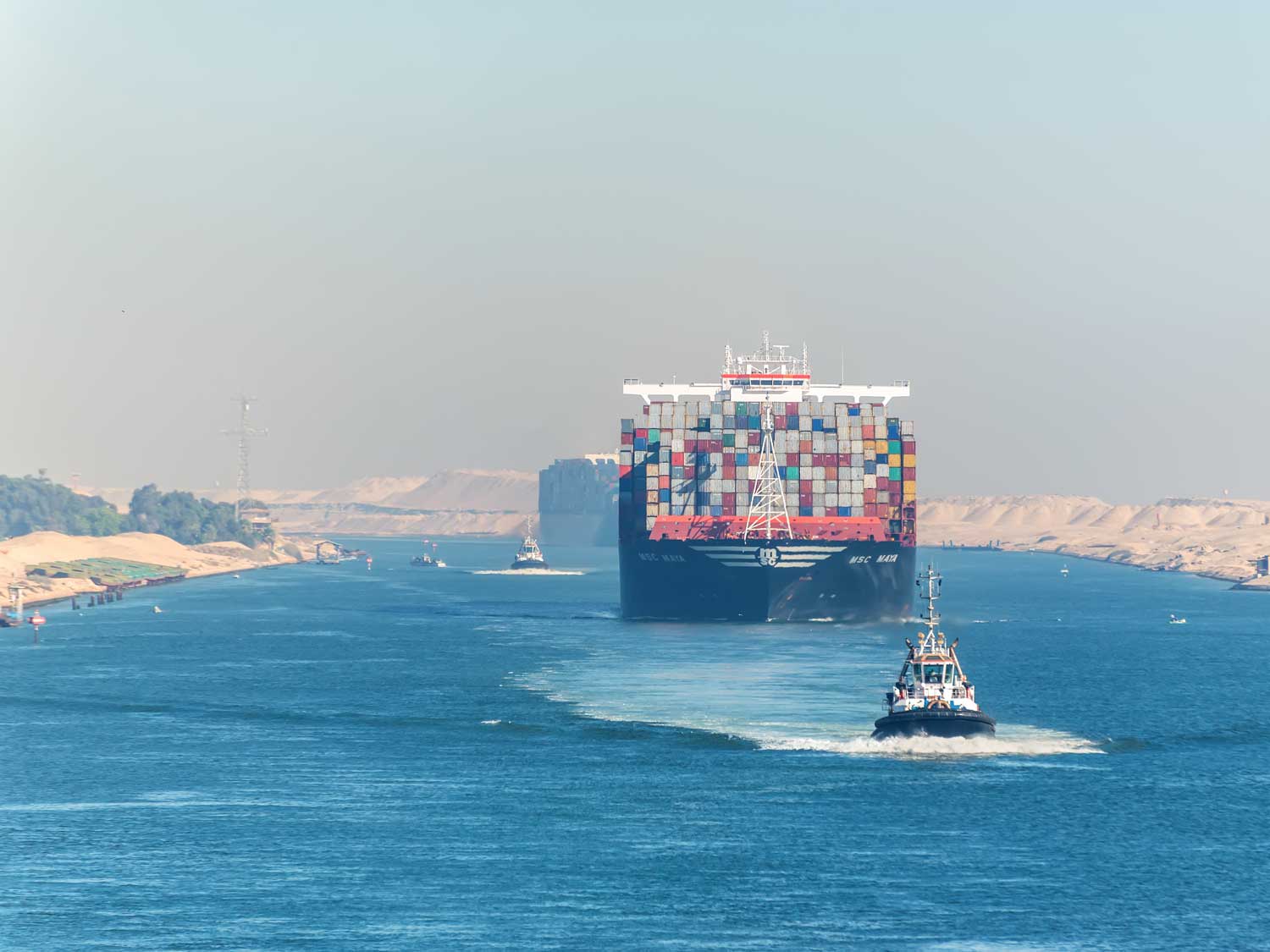
In an attempt to recover operations back into the black and jettison unprofitable cargoes, the container shipping lines have deferred FAK freight rate increases from Asia until December, after their planned November GRIs failed.

The Asia-North Europe rate increases, that were due to be valid from 1st November have been supported by radical capacity management and they did have some impact on the market when they were initially announced, but with some carriers now delaying their imposition, it is unlikely that the market will get much traction with increases in November.

It’s not only on the import routes that carriers need to push up rates, export prices to Asia have also struggled, with container shipping lines imposing FAK base rates - effectively another GRI - to recover revenue.

On the trans-Pacific, carriers have underpinned spot rates with a huge blanking programme around the Chinese Golden Week holiday, which peaked last week with west coast terminals receiving 19 fewer vessels than advertised.

Despite the blanking programme west coast imports bounced back with volumes up 14% and 19% respectively at the ports of Los Angeles and Long Beach, year on year, due to rising consumer demand, the new labour agreement and Panama Canal transit restrictions impacting east coast services.

With the record-breaking post-pandemic rates a distant memory, the container shipping lines are under considerable financial pressure, particularly on the east-west routes, and loss-making voyage results cannot be sustained for much longer.

It’s not practical to expect shipping lines to keep losing money on key routes out of Asia and maintain reliable services, particularly when they are effectively subsidising many routes. It is ultimately in the shipper’s interest for rates to return to sustainable levels, so that shipping lines are incentivised to provide regular, reliable services.

The container shipping market will remain oversupplied in 2024, and while the supply/demand gap is likely to close due to more scrapping and emissions-based slow-steaming, it is by no means certain that rates will recover.

Sea freight markets are extremely dynamic, and particularly so from China and Asia, that means that rate fluctuations and blanked sailings have a profound impact, which is why we work closely with our carrier and network partners, to protect and identify opportunities for our customers.

Whatever challenges your supply chain may face, our sea freight team leverage long-term ocean carrier relationships and group buying-power to deliver cost-effective, resilient and reliable ocean solutions.

If you have any questions or concerns about your supply chain or the developments outlined here, please EMAIL our Chief Commercial Officer, Andy Smith.

Ben Gurion

Air cargo delays and ocean carriers announce Israel war risk surcharge

While sea freight traffic is largely operating without significant issues, the conflict in Israel is impacting airfreight to the country and the surrounding region, with many carriers’ services subject to cancellation and delay.

Many airlines have suspended direct flights to and from Israel, with many international aviation authorities avoiding the region’s airspace, and no bookings on the affected routes.

Israel represents a relatively small market for container shipping, and few vessels stop at its primary ports of Ashdod and Haifa, so the threat of disruption to container trade flow through the Mediterranean region remains limited.

Ashdod, one of the country’s largest ports, is continuing to operate normally 24/7, with employees working longer shifts, because the military has recruited 10% and the remaining staff must fill the gap.

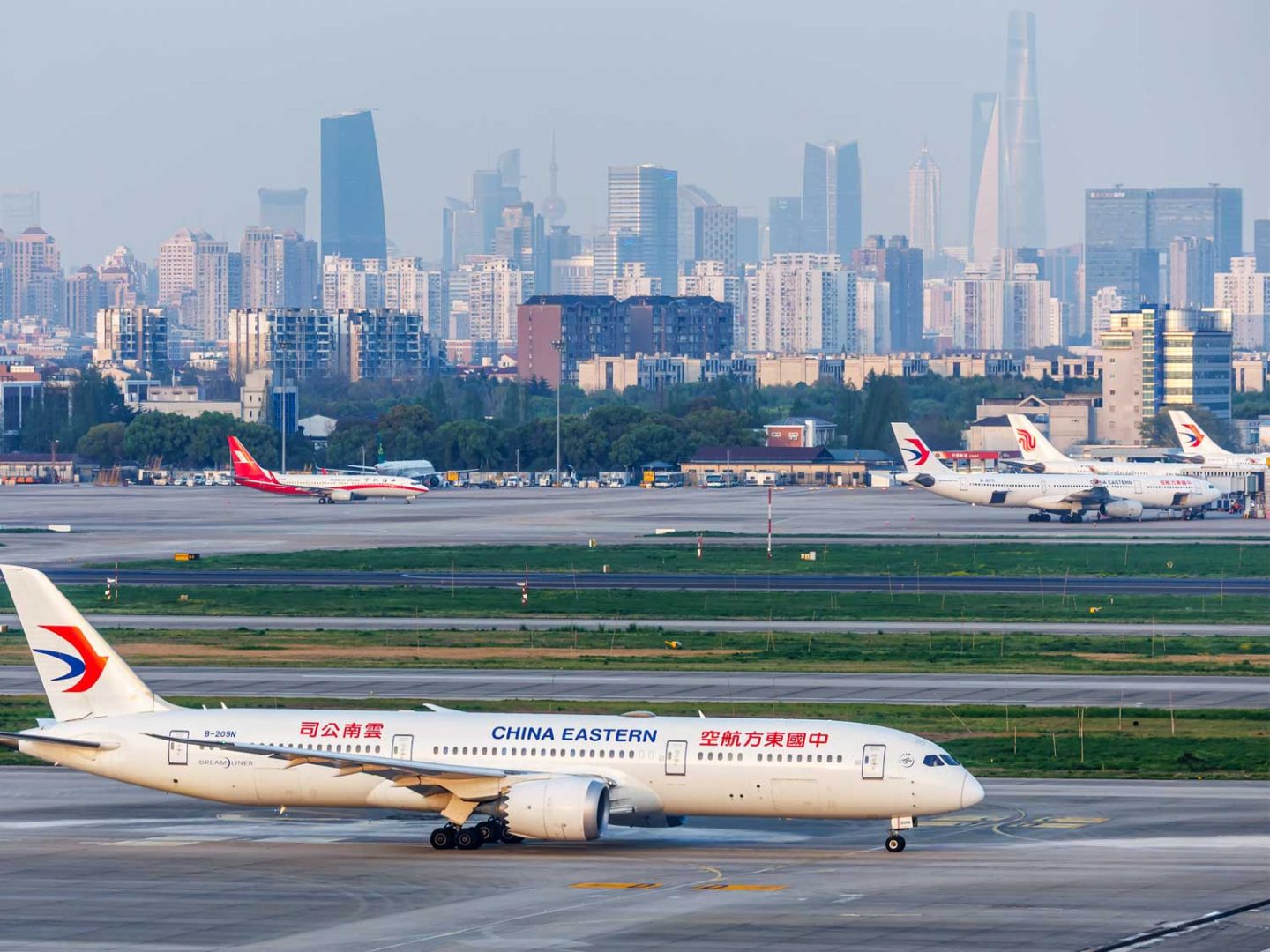
While international airlines have temporarily suspended flights to and from Tel Aviv, the airport remains open, with domestic carriers still providing services and alternative cargo options, but these are very limited.

Etihad Airways is currently operating its daily flight schedule to and from Tel Aviv but they are monitoring the situation minute-by-minute. Turkish Airlines services from Istanbul to Tel Aviv appear to be operating normally and some integrators have resumed their flights.

No special measures or guidelines have been handed down to Israeli ports, which remain in contact with shipping companies and for now keep moving cargo and goods through the ports without any significant disruption.

Any expansion of hostilities beyond Israel's borders could introduce risks to the Suez Canal, a critical waterway for container ships, however, the extent of these effects would depend on the conflict's expansion and duration.

We have not seen any rate increases, surcharges or additional fees so far, but there are concerns about possible increased insurance costs, with national Israeli carrier ZIM and other major carriers now announcing a war risk surcharge (WRS) on Israel cargo ranging from US$50-100/teu.

If you have any concerns about the issues raised in this article, we can review your situation and explain your options, including alternative carriers, ports and routes, where appropriate.

Our aim is to consistently provide the most efficient and cost-effective solutions, to ensure that your supply chain remains optimised. EMAIL Andrew Smith, Metro’s Chief Commercial Officer. 

eBill

eBills have same legal recognition as paper bills of lading

The UK’s Electronic Trade Documents Act (ETDA) came into force on the 20th September, providing an electronic bill of lading (eBill) the same legal status as a paper bill of lading.

This is a major step forward in the modernisation of international trade and is anticipated to boost the UK economy by over £1 billion over the next decade, by removing the barriers of time and cost associated with exchanging paper documents. 

The issue of ‘possession’, which has been the main obstacle to the legal recognition of electronic trade documents, has been resolved by the development of distributed ledger technology and blockchain technology, which have established reliable systems for the identification and control of electronic trade documents.

The ETDA permits a person to possess, endorse and part with possession of an eBill, which means that where an eBill has been transferred to a new lawful holder, possession gives that holder the right to demand delivery of the goods. 

Using eBills

Starting your electronic trade documents journey is simple!

You, your consignee and Metro register on the secure platform utilised by the carrier and after draft approval, the eBill will be issued and transferred digitally through the platform to the parties you nominate.

Increased efficiency 

The move to eBills provides significant cost savings, removes the need to print documents and arrange for them to be couriered to third parties, which means the process is swifter and reduces the likelihood for errors or loss.

Creating eBills can be automated, with the document produced at the touch of a button, and instantly transferred onto the relevant party, which avoids the issues and storage costs associated with paper bills of lading, where the goods cannot be released if there is a delay in receiving the paper document. 

Increased security 

Electronic Bills of Lading increase the security surrounding a transaction and the protection of confidential information, with electronic bill of lading systems approved for use by the shipping lines’ insurers.

Blockchain technology creates a digital record of transactions and the distributive ledger system allows participants to access information instantaneously, while limiting the risk of fraudulent activity by storing information on multiple servers, meaning that a perpetrator would have to access all versions to alter the document. 

If you’re ready to simply your trade document generation, reduce administration, save courier fees, avoid release delays and unnecessary costs, contact your Metro account director, or EMAIL Jade Barrow, Business Process Optimisation Director.

container ships

EC to end container shipping alliances

On the 9th August 2022, the European Commission (EC) issued a call for feedback on the Consortia Block Exemption Regulation (CBER) and on Tuesday announced that it will not renew the sector’s exemption to operating shipping alliances when current legislation expires on 25th  April.

The Consortia Block Exemption Regulation (CBER) was introduced in 2009, after the EC banned the old conference system, that had allowed container shipping lines to coordinate on pricing levels.

CBER allowed carriers to continue operating vessel-sharing agreements and pooling capacity, and was extended in 2014 and 2020, but the EC has now decided that CBER is not fit for purpose, as it does not fulfil the criteria of effectiveness, efficiency and EU added value.

The Block Exemption has been under review since 2020, during which time the market has experienced massive fluctuations in demand, capacity and price, driven by the initial impact of COVID, pandemic lockdown, post-COVID demand and now the cost of living crisis.

A period over which, market turmoil should have underlined the need for cooperation between carriers, but instead resulted in a transitory and exceptional phase of excess demand over effective capacity and of record profits for carriers.

The EC’s decision paper said the feedback from carriers and lobby groups showed an incomplete understanding of the CBER and claimed it had failed to bring demonstrable benefits to European consumers, as inelasticity of demand and the limited elasticity of supply reduced the likelihood that any cost efficiencies achieved by carriers would be passed on to users.

The EC refused to blame CBER for causing the chaos seen in container supply chains since 2020, but suggested its effectiveness and efficiency during this period was limited and noted that the widespread opposition from shippers, forwarders, unions and port operators to extending the regulation showed deep divisions among supply chain partners.

The CBER has notably created the impression that carriers had an advantage, while other supply chain stakeholders were treated unfairly and that there was no real level playing field in the maritime sector.

It concluded: “Overall, it appears that the restoration of trust between the stakeholders necessary to build a resilient, integrated and efficient supply chain requires ensuring that the liner shipping sector is not perceived as being subject to looser scrutiny from antitrust enforcers than other industries.”

UK review of Consortia Block Exemption Regulation

On the 19th January the UK’s Competition and Markets Authority (CMA) published its report into whether or not the Liner Shipping Consortia Block Exemption Regulation (the retained CBER) should be renewed or varied when it expires on 25 April 2024.

In its CBER review, the CMA met with key stakeholders to gather views on the operation of the retained CBER regime in the UK and is proposing replacing the retained CBER with a Liner Shipping Consortia Block Exemption Order (CBEO).

The CMA added it recommended a similar version of the existing CBER, in order to ensure the continuity of container shipping for UK businesses, because if the retained CBER was allowed to expire without replacement, carriers may be deterred from making direct calls to UK ports in favour of serving the UK by transhipment to and from European ports.

The CMA’s concern was that shipping costs for UK consumers could rise considerably without a regulation aligned to the substantially larger market on the European mainland.

With the EU now intent on ending CBER next April, it is almost certain that the UK will follow suit.

Metro leverage opportunities for our customers across all three of the shipping alliances, with individual carrier relationships that are long established and built on personal relationships, from operations to senior management and executive level.

These relationships across a portfolio of carrier partners, already give our customers access to the widest range of service offerings, port-pairings and rates and they will be maintained, however the container shipping sector is transformed next April.

We will stay close to this topic, as it develops and ensure that you are kept up to date with the most important news. 

If you have any questions or concerns relating the shipping alliances, the Consortia Block Exemption Regulation, or sea freight in general, please EMAIL Andrew Smith, Metro’s Chief Commercial Officer.