Conference question 1440x960 1

Key Takeaways from TPM25

The 25th anniversary of the Trans-Pacific Maritime (TPM) Conference in Long Beach, California, reaffirmed its position as the premier global forum for senior supply chain executives carriers, and technology providers shaping the future of global trade.

This year’s event unfolded against a backdrop of intensifying geopolitical tensions, with supply chain resilience and service reliability emerging as dominant themes.

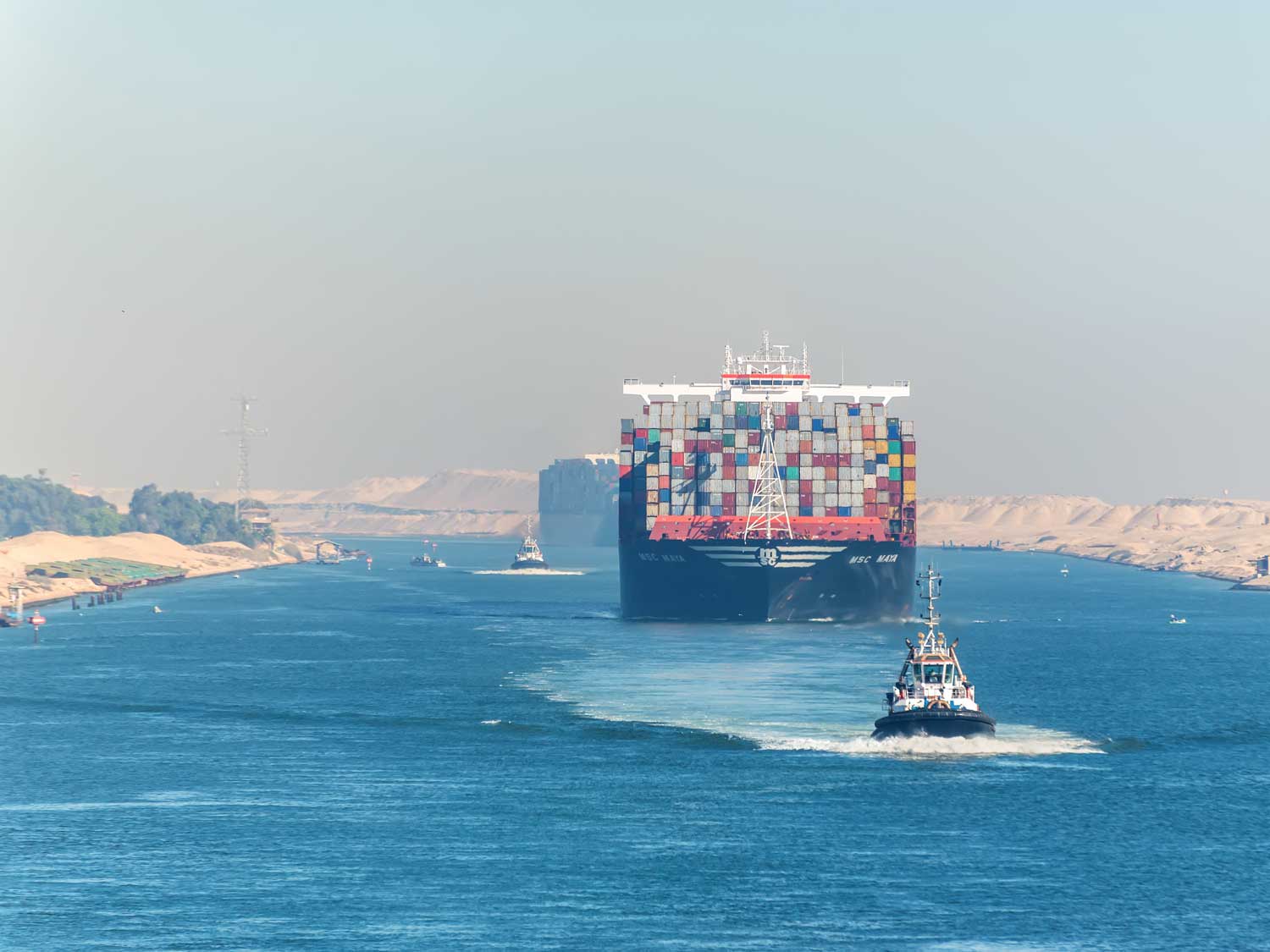
As hostilities between U.S. forces and Houthi rebels in Yemen resumed over the weekend, it is evident that safe passage through the Red Sea and the Suez Canal will remain compromised for the foreseeable future.

With security risks heightened, carriers are expected to continue rerouting vessels around the Cape of Good Hope, adding transit times, costs, and complexity to global trade.

Engaging with Industry Leaders
Metro’s Managing Director, Andrew Smith, and Head of Ocean Pricing, Chris Jones, played an active role in TPM25, engaging in key discussions on market volatility, geopolitical risks, and the evolving carrier landscape.

During in-depth conversations with carriers and customers, Metro explored strategies to mitigate ongoing disruptions in the Red Sea, as well as how emerging shipping alliances are reshaping service offerings. Understanding carrier market pressures and operational adjustments remains a priority for Metro, ensuring that we continue to deliver the most resilient and efficient logistics solutions for our clients.

Beyond TPM
Following the conference’s close, Andrew and Chris extended their commitment to direct client engagement with visits to Minneapolis and Chicago. Their series of meetings provided an invaluable opportunity to gain firsthand insights into the challenges facing shippers, including changing regulations, shifting trade dynamics, and the ongoing impact of global events.

By working closely with customers on tailored supply chain strategies, Metro continues to bridge the gap between industry-wide challenges and customer-specific solutions, reinforcing our role as a trusted partner in an unpredictable market.

A recurring theme throughout TPM25 was the industry’s relentless pursuit of stability amidst growing uncertainty. Discussions highlighted the urgent need for agile, data-driven solutions, with many industry leaders acknowledging that technology, real-time intelligence, and predictive analytics will be key differentiators in navigating the complexities of modern supply chains.

Metro remains at the forefront of this transformation, actively integrating AI-driven analytics, digital platform enhancements, and predictive modelling to help customers make informed, real-time decisions.

This commitment is clearly demonstrated this week, with Metro integrating CO2 emissions data directly into freight invoices, together with the launch of new tools that give customers greater financial control, reduced administrative burdens and enhanced efficiency.

As we reflect on the insights gained at TPM25 and our follow-up discussions with customers, Metro reaffirms its commitment to staying ahead of global trade challenges, ensuring that our partners remain competitive, informed, and prepared in a rapidly evolving landscape.

To discover how Metro can support your Transpacific or Transatlantic trade needs, or to discuss any of the issues highlighted here, please reach out to Andrew Smith via EMAIL

ECO globe

Metro expands sustainability initiative for global sea and airfreight services

Metro is taking a bold step forward in its sustainability journey by expanding its environmentally conscious initiatives for global Sea freight and Airfreight services, effective April 1st, 2025.

As part of this commitment, Metro will introduce a groundbreaking transparency measure: the total amount of CO2 emissions generated by each Sea freight and Airfreight shipment will be clearly printed on every invoice. This initiative allows shippers to better understand and quantify their carbon footprint, making sustainability efforts more accessible and measurable.

This latest enhancement builds on Metro’s existing MVT Eco application, a tool designed to provide customers with in-depth insights into their transportation-related emissions. By integrating CO2 emissions data directly into freight invoices, Metro is setting a new standard for environmental accountability within the logistics industry.

Metro’s CEO, Grant Liddell, emphasises the importance of this initiative: “The inclusion of Sea freight and Airfreight shipment CO2 data on freight invoices enhances the existing reporting available via MVT Eco and represents an evolutionary step in Metro’s commitment to raising visibility and awareness of the environmental impact within transportation.”

Metro ensures that its carbon calculations are rigorously accurate by leveraging the most comprehensive accreditation coverage available. The CO2 calculations provided through this initiative are GLEC accredited and fully aligned with ISO-14083 standards, reinforcing Metro’s dedication to environmental best practices and industry-leading sustainability measures.

For customers looking to gain deeper insights into their Scope 3 emissions and maximise their sustainability efforts, the MVT Eco application offers advanced reporting and analytics.

Those interested in utilising this tool can reach out to their Key Account Management contact or connect directly with Ian Powell, Customer & Technical Solutions Director (EMAIL), to explore how Metro’s sustainability initiatives can support their environmental objectives.

With this initiative, Metro continues to lead the way in sustainable global freight transportation, providing shippers with the necessary tools to make informed, eco-friendly decisions.

strike at port

Labour disputes at European ports disrupt container shipping

Trade union action across major European ports, particularly in Rotterdam and France, are causing significant disruptions to container shipping, exacerbating existing supply chain challenges.

Strikes at Rotterdam’s Delta II terminal and ongoing industrial action at French ports have created congestion, delays, and logistical bottlenecks, prompting carriers to reroute vessels and seek alternative solutions.

Rotterdam turmoil and ripple effects
Contract negotiations that began in November have stalled, while the FNV Havens and CNV unions have been locked in dispute with employers since the second half of last year over port automation concerns. Dockworkers have been staging intermittent strikes that have severely impacted deep-sea vessel operations, feeder ship schedules, and inland-bound cargo movements. The situation has escalated with calls for solidarity action across Europe, urging other ports not to handle diverted vessels. While no widespread solidarity strikes have been reported, shipping lines remain on high alert, monitoring developments and adjusting vessel rotations as necessary.

Congestion at Rotterdam has intensified due to a combination of adverse weather, holiday-related backlogs, and surging cargo volumes from Asia. As a result, vessels are facing extended waiting times, with some opting to bypass the port altogether. The container yard capacity is nearing full utilisation, and precautionary measures, such as limiting empty container acceptance, have been implemented to manage the strain.

French port strikes deepen crisis
Meanwhile, industrial action at French ports is compounding the disruption. Dockworkers are protesting against pension reforms, with frequent work stoppages and a series of strikes planned throughout March. These actions have significantly impacted cargo handling operations at key ports, including Le Havre and Marseille-Fos, leading to increased transport costs and supply chain strain for businesses dependent on timely shipments.

The business community has voiced concerns over the economic fallout, citing rising supply chain costs, shipment delays, and a decline in sales due to the port closures. Calls for government intervention and a coordinated public-private response have been made in an effort to mitigate the impact and prevent further damage to trade and industry.

Wider European impact
As Rotterdam and French ports struggle with ongoing disruptions, other European hubs, such as Antwerp-Bruges, are facing additional pressure. With cargo diversions increasing, terminal congestion at Antwerp has reached critical levels, forcing operators to implement emergency measures. 

Import deliveries are being prioritised over exports, and yard space constraints are leading to restrictions on transshipment volumes. Barge and feeder operations are experiencing significant delays, further straining inland logistics networks.

With no immediate resolution in sight for either the Rotterdam or French port disputes, container carriers are bracing for continued volatility.

With escalating labour disputes at key European ports, including Rotterdam and France, container shipping is facing increasing delays, congestion, and logistical challenges. At Metro, we have contingency plans in place to bypass affected ports, leveraging alternative routes and entry points to keep your cargo moving.

To minimise disruptions, we encourage you to share your shipping forecasts as early as possible so we can proactively mitigate potential issues.

For tailored solutions and expert guidance on protecting your supply chain, 

EMAIL Andrew Smith, Managing Director, today.

TPM25 1440x1080 1

TPM25: Insights, engagement, and the future of shipping

Held in Long Beach, California, the annual TPM conference, hosted by The Journal of Commerce, remains the premier gathering for senior supply chains executives, container shipping lines, and technology providers shaping the future of global trade.

With the global container market facing another year of unpredictability TPM25, which closed yesterday, arrived at a crucial moment. Entering 2024, many in the industry expected a return to relative stability. Vessel capacity was set to outstrip moderate inventory replenishment across North America and Europe, keeping rates under pressure but without the extreme volatility of the pandemic years. 

Instead, geopolitics reshaped the landscape. Houthi rebel attacks in the Red Sea forced ocean carriers into costly reroutes, disrupting the delicate balance of supply and demand. Rising tariffs, labour disputes, and economic uncertainty accelerated shifts in global trade flows. Trust between shippers and carriers, was put under even greater pressure as service reliability and cost pressures clashed with expectations for greater transparency and partnership.

Against this backdrop, Metro’s Head of Ocean Pricing, Chris Jones, and Managing Director, Andy Smith, attended TPM25 to connect with industry peers, strengthen existing relationships, and explore the evolving realities facing our customers. Metro’s presence at the event underscores our ongoing commitment to the North American market, where we continue to expand our footprint and provide innovative, technology-driven logistics solutions.

Throughout the conference, one recurring theme stood out: the industry is searching for reliability in an unreliable world. Metro engaged in high-level discussions on how the intersection of capacity management, shifting demand patterns, and evolving alliances will reshape the ocean freight market in the coming years. Attending key sessions on carrier strategy, schedule reliability, and the ongoing Red Sea disruptions, our team gained fresh insights into the rapidly changing dynamics of global trade.

Discussions highlight Metro capability
Beyond strategy and market intelligence, technology was a dominant force at TPM25. The role of artificial intelligence, which is already an integral element in Metro’s tech, was a major talking point, particularly in the realm of predictive analytics, dynamic pricing models, and real-time cargo visibility. 

With Metro’s own digital platform evolving, these discussions provided an opportunity to benchmark our approach against industry innovations and ensure we continue to offer cutting-edge solutions to our clients.

Sustainability also remained a major focus, with decarbonisation efforts and alternative fuel strategies shaping many conversations. This mirrors Metro’s commitment to carbon neutrality and ongoing investments in sustainable aviation fuel (SAF). The transition towards a greener supply chain is a long-term priority, and TPM25 underscored the importance of collaborative solutions between shippers and forwarders to meet global sustainability targets while maintaining operational efficiency.

With Metro’s deep expertise in North America, TPM25 served as a powerful platform to reaffirm our position as a senior player in the region. Our US-focused strategies, bolstered by the launch of Metro Global USA, continue to support customers in navigating an increasingly complex trade environment. By strengthening partnerships, advancing digital capabilities, and delivering flexible, resilient supply chain solutions, Metro remains an essential partner for businesses looking to thrive in an unpredictable market.

As TPM25 draws to a close, one thing is clear: agility, data-driven decision-making, and resilience will define the future of global logistics. Metro stands ready to meet this challenge, ensuring our clients remain ahead of the curve in a rapidly evolving industry.

For those we connected with at TPM25, we look forward to continuing our discussions. 

And for those navigating the shifting tides of global trade, Metro remains a trusted partner, providing strategic, future-ready logistics solutions.

To discover how Metro can support your Transpacific or Transatlantic trade needs, or to discuss any of the issues highlighted here, please reach out to Andrew Smith via EMAIL