Cathay tailfins 1440x1080 1

Air freight surges from Asia to Europe while trans-Pacific faces regulatory hurdles

As peak season ramps up, air cargo from Asia to Europe is experiencing strong growth, largely driven by rising demand for eCommerce, while new scrutiny on duty exemptions has led to a significant drop in air cargo volumes from Asia to the United States.

In October, tonnage from Hong Kong to Europe rose sharply, with volumes up 25% compared to last year, as Singles Day, Black Friday, and Cyber Monday fuelled eCommerce demand, setting the stage for a robust fourth quarter.

Rates from Asia to Europe have climbed alongside demand, with average spot prices on the Hong Kong-to-Europe route reaching levels 13% higher than in 2023 and with sustained growth over the past six weeks, there is a strong early indication of a significant peak season.

Rates from Shanghai to Northern Europe hit their highest point this year, up by nearly 19% from the same period last year. This sustained demand for air freight, coupled with elevated rates, is a clear signal of a strong seasonal peak for Europe-bound cargo.

US market impacted by regulatory shifts
Since July, the US has tightened customs checks on imports from China, particularly on goods qualifying under the “de minimis” exemption, which allows low-value shipments to enter duty-free, resulting in a significant drop in air cargo volumes.

While the $800 threshold allowing duty-free entry hasn’t yet been lowered, the mere prospect has affected air cargo flows and should the threshold decrease, there could be a further reduction in air freight volumes from China.

Outlook and considerations
With robust air freight demand on the Asia-Europe corridor showing no signs of slowing, shippers are likely to encounter continued pressure on both rates and capacity. Meanwhile, the trans-Pacific market may experience shifts if regulatory changes reshape the landscape for duty-free imports.

As potential regulatory adjustments and compliance measures loom—particularly with the upcoming US presidential elections—proactive preparation can help mitigate impacts on air cargo operations. In a peak season marked by both growth and uncertainty, staying ahead of these changes will be essential for maintaining smooth, cost-effective logistics.

Our block space agreements (BSA) and capacity purchase agreements (CPA) protect space and capacity on the busiest routes, so share your shipping forecasts and we will fly your cargo at the best rates.

Regardless of your cargo type, size and requirements, we have extremely competitive rate and service combinations, to meet every deadline and budget.

EMAIL Elliot Carlile, Operations Director, for insights, prices and advice on our airfreight, charter and sea/air solutions. 

FXT aerial 1440x1080 1

UK Freeports Offer New Opportunities for Businesses

The new labour government has confirmed its commitment to the ‘Freeports’ initiative that aims to stimulate economic growth, by offering an array of incentives, from tax relief on investment to National Insurance contributions (NICs) relief on employee earnings.

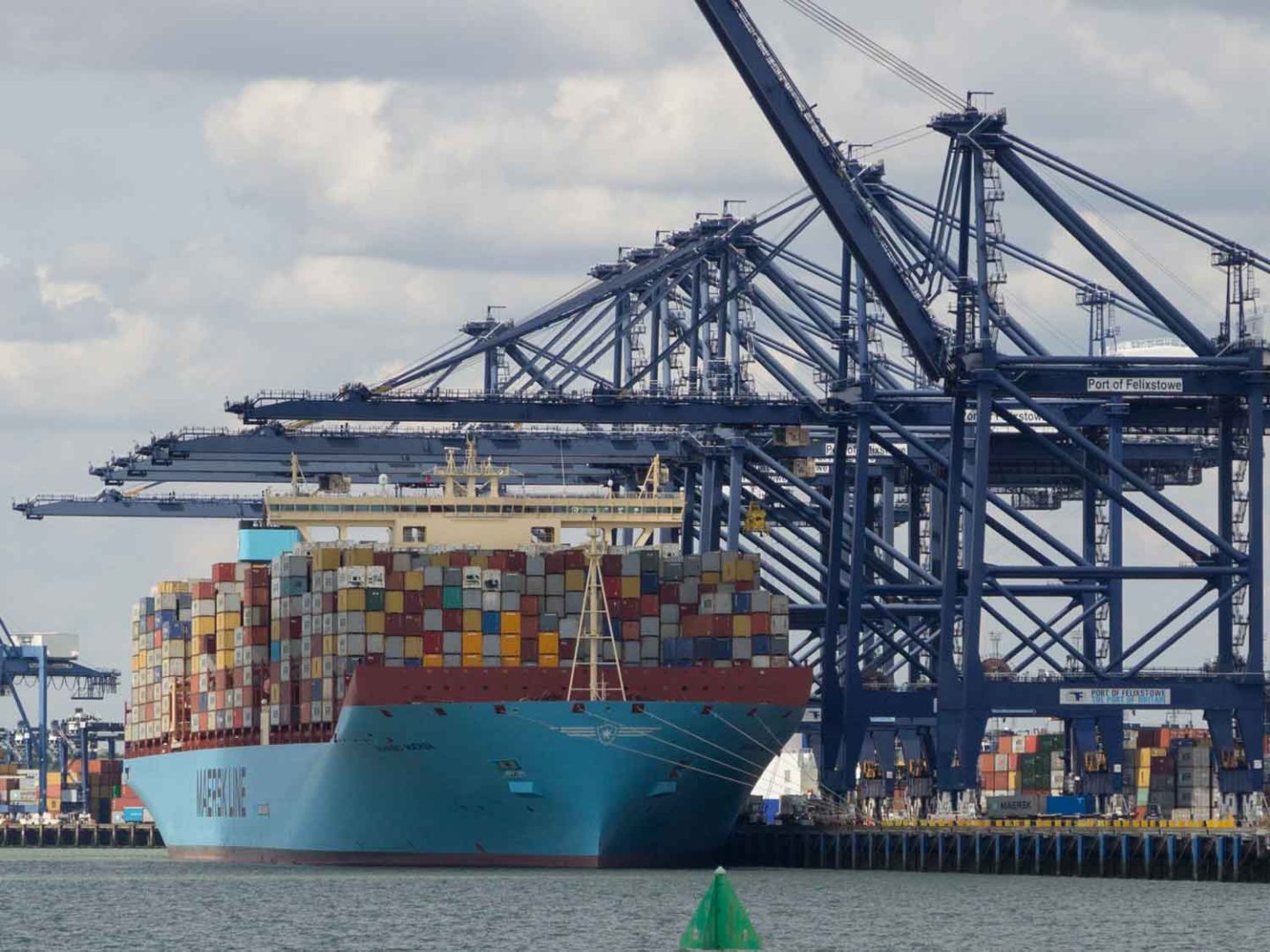
With eight Freeports now operating in England and two each in Scotland and Wales, and further developments planned, the Freeports programme represents a promising approach to support industries, promote innovation, and create jobs in strategic locations.

Tax and Customs Advantages for Businesses
One of the most attractive features of Freeports is the tax relief on employer NICs. Employers can claim NICs relief on up to £25,000 of eligible employee earnings per year for up to 36 months, reducing operational costs and incentivising companies to grow their workforce locally.

Additionally, Freeports allow businesses to import materials tariff-free and defer customs duties until goods enter the domestic market. This creates an efficient system for businesses handling raw materials or intermediate goods, particularly those involved in exporting and manufacturing.

Regional Economic Regeneration
Freeports are designed to act as catalysts for regional development by attracting investment and encouraging innovation in specialised sectors. For instance, the Humber Freeport focuses on rare earth metals processing, supporting the UK’s green technology ambitions. Teesside Freeport, meanwhile, is set to become a hub for offshore wind turbine manufacturing, aligning with national renewable energy goals. In Wales, Freeports like the one on Anglesey are driving investments in solar and tidal power, helping to revitalise local economies that have been affected by industrial decline.

Freeports As Strategic Investment Zones
Beyond customs advantages, Freeports benefit from flexible investment rules and tax breaks on building and equipment investment. With recent government commitments to fund these areas as part of broader investment zones, Freeports provide businesses with opportunities to scale their operations, enhance productivity, and foster long-term economic impact.

The ongoing improvements are expected to create further incentives for businesses to establish themselves within Freeports, fostering an environment of innovation and competitiveness.

A Growing Attraction for Businesses
While initial uptake has been gradual, UK Freeports have already secured over £6 billion in investment and created around 7,000 jobs, with significant growth potential still untapped. The customs benefits, combined with substantial tax reliefs, make Freeports a compelling option for businesses looking to expand within strategically important sectors.

We are closely monitoring the development of Freeports and their potential benefits for our customers’ supply and value chains. Exploring cost-effective, value-added operations is always worthwhile, and some Freeport locations may present advantageous shifts in operations, provided that process, financial, and compliance factors align favourably.

Our supply chain, finance, and customs teams are ready to offer expertise, insights, and guidance on Freeport opportunities. For further insights, please EMAIL Elliot Carlile to discuss your situation and explore the most beneficial options.

ship aerial 1440x1080 1

Sea Freight Outlook for 2025

The global sea freight market is set for another turbulent year in 2025, with rates likely to remain high despite anticipated softening in some lanes. Although new vessel deliveries are expected to bring additional capacity, a combination of geopolitical uncertainties and market reconfigurations is forecast to sustain above-average rates, continuing the challenges faced by shippers throughout 2024.

Several factors will influence rates in the coming year, including the ongoing conflict in the Red Sea and potential labour disruptions on the US East Coast. The three-day strike by the International Longshoremen’s Association (ILA) earlier in October has already raised concerns about future disruptions, with further strike action looming in January. Such incidents could trigger inflationary pressure on spot rates across various trade lanes, not just those directly affected. Shippers looking for stability in an uncertain market may find long-term rate agreements more favourable than navigating the spot market’s fluctuations.

Geopolitical tensions and trade disruptions
Drewry has flagged continuing geopolitical instability as a significant concern for 2025, warning that unresolved tensions in regions like the Red Sea and Persian Gulf could impact shipping operations well into the future. The Suez Canal, for example, is not expected to resume full-scale operations until at least 2026, keeping carriers reliant on alternate routes around the Cape of Good Hope. This prolonged disruption not only adds to transit times and costs but also restricts available shipping capacity, exerting further upward pressure on rates.

Compounding these risks are potential tariff changes, particularly from the US, where increased duties on Chinese goods may prompt shippers to expedite imports. This could spike rates temporarily, particularly for trans-Pacific routes, as companies seek to avoid potential costs associated with new tariffs. Additionally, ongoing demand for China-Mexico routes as an alternative entry point to the US may also lead to price increases, especially as the US presidential election may result in policy changes to trade and tariffs, adding to the overall uncertainty.

New alliances and Carrier Strategies
The reconfiguration of carrier alliances in early 2025 will further shape the sea freight landscape. As carriers adjust to new alliance structures, shippers are likely to see shifts in service reliability, transhipment frequency, and schedule integrity, especially on key routes from Asia. These adjustments are likely to create occasional disruptions in operations, as changes in routing, port calls, and service frequency impact transit times and predictability.

In anticipation of these market shifts, many shippers are already opting for stable, long-term pricing agreements over the volatility of the spot market. Fixing rates over a 12-month period is increasingly seen as a strategic move, as it provides greater budget predictability and insulation from potential rate spikes. While rates on certain lanes may soften as the new vessel capacity is deployed, Drewry expects them to stabilise well above pre-pandemic levels.

Metro’s Fixed-Rate options Can Provide Stability in Uncertain Times
As geopolitical risks and market disruptions continue to loom over the industry, maintaining resilient supply chains and budgeting effectively will be key priorities for shippers navigating the complexities of 2025’s sea freight landscape.

In a volatile sea freight market, securing fixed-rate agreements on popular shipping routes can help reduce risk and provide essential budgetary certainty. To explore how Metro’s fixed-rate options could support your business in 2025, please EMAIL chief commercial officer Andy Smith.

Montreal

Labour tensions rise on North America’s East coast

Ongoing labour disputes on the US East Coast and Canada’s Port of Montreal continue to threaten disruptions to North American supply chains.

The agreement between the ILA and the United States Maritime Alliance (USMX) on the US East coast (USEC) brings temporary relief, securing peace for the next three months. The wage increase of over 60% marks significant progress, but the contentious issue of automation remains unresolved and could lead to further disruptions when the current contract extension expires on 15 January 2025.

With over 60 ships backed-up during the strike, ports have been working hard to clear the backlog. They have been aided by spare capacity, which has been created by shippers front-loading and cargo diversions.

In many cases the ports extended operational hours to process delayed vessels, ensuring that the backlog will not stretch far into the busy holiday season.

Meanwhile, the Port of Montreal is bracing for an indefinite overtime strike that started on 10 October, following earlier strike actions that halted operations at two terminals. The port’s longshoremen are using the strike to pressure employers amid slow-moving negotiations, which have dragged on for over a year. This escalation threatens to further disrupt operations at Canada’s second-largest port, affecting supply chains and causing delays for transatlantic trade.

While some carriers have suspended their Emergency Operations Surcharges on the USEC, several have announced peak season surcharge (PSS) hikes. Maersk, CMA CGM, and MSC are introducing increased surcharges of up to 15% from Europe, the Mediterranean, and other regions to North America.

Some carriers have rerouted cargo to alternative ports to mitigate delays, and flexibility will be crucial as labour disputes continue. The ILA’s extension of negotiations to January, just before Chinese New Year shipping demand, suggests potential for further congestion and delays in the coming months.

The combination of vessel congestion, labour disputes, and surging rates highlights the importance of adaptable logistics strategies in today’s volatile shipping environment.

Metro works with shippers to overcome rising freight rates and operational uncertainty, with innovative solutions and proactive planning to keep supply chains flowing.

We have contingency plans in place to avoid the ports likely to be most affected by strikes, as well as alternative routes and entry points.

To discuss these issues and how Metro can protect your supply chain, please EMAIL Andrew Smith, Chief Commercial Officer.