
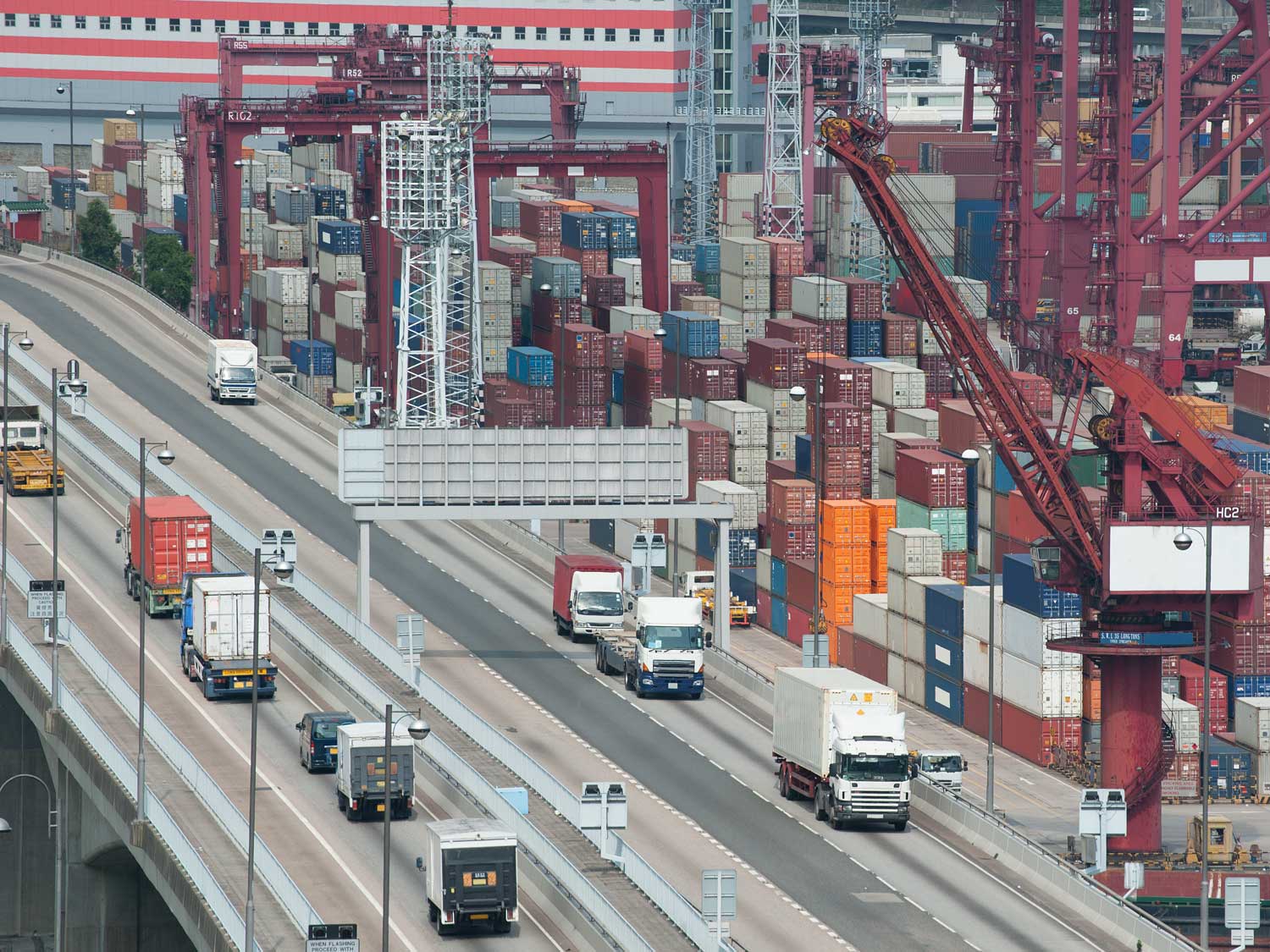
HKG truck

Ocean demand outweighs supply

The ongoing impact of vessel diversions as a result of the Red Sea conflict continues to absorb available capacity at a time when demand is rapidly increasing. Container volumes are already higher than many predicted and there is a possibility that we have already entered a peak season market environment.

Container shipping lines are deploying maximum numbers of their fleets and new vessel deliveries and sailing them faster to offset the longer transits around southern Africa, but there is a finite limit on how much space they can throw at the market.

The additional two weeks it takes for ships to sail around the Cape of Good Hope effectively reduces available vessel capacity, with an average of 11 weekly scheduled voyages from Asia to Northern Europe in the coming weeks. Compared to the typical average of 17 voyages through the Suez Canal.

With spot rates rising as capacity tightens, it is clear that unwary shippers’ cargo will not get shipped, as capacity hits an increase in demand, extending the booking window to a minimum of 21 days ahead of cargo ready date.

The situation is further complicated by blanked sailings, smaller capacity vessels being used to fill schedule gaps and carriers restructuring their networks to support new sailing schedules.

The overall impact means that in recent weeks there has been anything up to a 50%-80% capacity cut on certain lanes, with carriers implementing additional blank sailings around this week’s Bank Holidays in China.

The intelligence that we are receiving from our network and carrier partners is that May and June could be tough in terms of equipment and space across the whole of Asia for all the major container shipping lines and this is in what would usually be the quieter period ahead of the peak season.

European imports from the Far East are up 12% year on year and US imports up 24%, which means strong Westbound and transPacific peak seasons are assured. However, demand into other markets is even more pronounced, with Asia to Middle East/India and Asia to Oceania’s both up nearly a third.

The demand explosion means more equipment is going to these regions than forecast, with some lines imposing priority surcharges, rolling cargo and others restricting equipment for contracted clients.

China’s factory activity has been growing for six straight months, suggesting that the rebound in the world’s second-biggest economy can be sustained, with export orders surging and a significant peak period looking certain.

We urge you to provide us with forecasts ahead of time, ensure shippers book 21 days ahead of cargo ready date and to communicate with us if you have any urgent/high priority orders.

We negotiate long-term and protected contracts with shipping lines across the alliances to secure space and rates, so that we can provide the best alternatives and options, whatever the situation.

To learn how we can support your Far East, transPacific or transAtlantic trade, or to learn more about our ocean capability and solutions, please EMAIL our Chief Commercial Officer, Andy Smith. 

factory emissions

China makes too much, but production is moving

The West says China makes too much, but many manufacturers have moved production to other countries to cut costs, leaving once prosperous manufacturing hubs like Dongguan struggling to adjust.

In recent years workers began to demand higher wages, while companies began cutting prices in order to win contracts, squeezing profits further and when Donald Trump began slapping tariffs on Chinese products companies searching for cheaper running costs and protection from the US-China trade wars – began to look elsewhere.

The “Made in China” slogan that was once ubiquitous on t-shirts, tables and TVs is now at the heart of the electric cars that are pouring into Europe, and the solar panels that are powering our renewable policies. And that is worrying Western politicians.

Rising trade tensions with the United States, strict Covid lockdowns and a global downturn mean that manufacturers who once flocked to Chinese shores are looking elsewhere, with foreign investment in the country at a 30-year low.

The old industrial pillars of furniture, clothing and electrical goods are struggling and have been replaced by high-tech products like solar panels, lithium batteries and electric cars, which are being exported in massive quantities to Europe, Africa, Australia, South America, North America and South East Asia.

But China’s new industries are far less labour-intensive than the ones that once fuelled its spectacular growth – and they require specialised, high-skilled workers and, increasingly, robots. 

The US, UK and European Union believe this is how China is trying to save its economy – producing cut-price and state-subsidised green technology that is being ‘dumped’ abroad. They say it’s a tactic that is driving down the cost of solar panels and other emerging technology and driving Western firms out of business.

It is clear that there is a shift away of some lower-cost production from China to alternative sources, including Vietnam and India, with some companies also looking at near-shore options like Turkey, as a way of managing risk and enhancing supply chain resilience.

There is no doubt that production moving away from China has benefited many countries around Asia, including Bangladesh, Thailand and Cambodia, while other EMEA countries including Turkey, Egypt and Morocco provide opportunities to shorten lead times and carrier costs.

For over 40 years Metro has managed supply chains and helped customers extend and diversify sourcing across Asia and EMEA.

Metro’s integrated transport networks are designed to support JIT manufacturing requirements across Asia, the EU, sub-Saharan Africa and Turkey and are ideally positioned to support the new sourcing requirements that de-risk supply chain operations.

We see diversification and near-shoring as a simple extension of a client’s sourcing strategy, so that if there is disruption in one area, inherent flexibility means the supply chain will continue to flow. 

Our global partner network, strategic carrier alliances and MVT supply chain platforms are all geared towards supporting the widest spectrum of supply chains. 

If you would like to learn how we can boost your ability to source from alternative global manufacturing regions, EMAIL our Chief Commercial Officer, Andrew Smith, to arrange a consultation and scoping discussion.

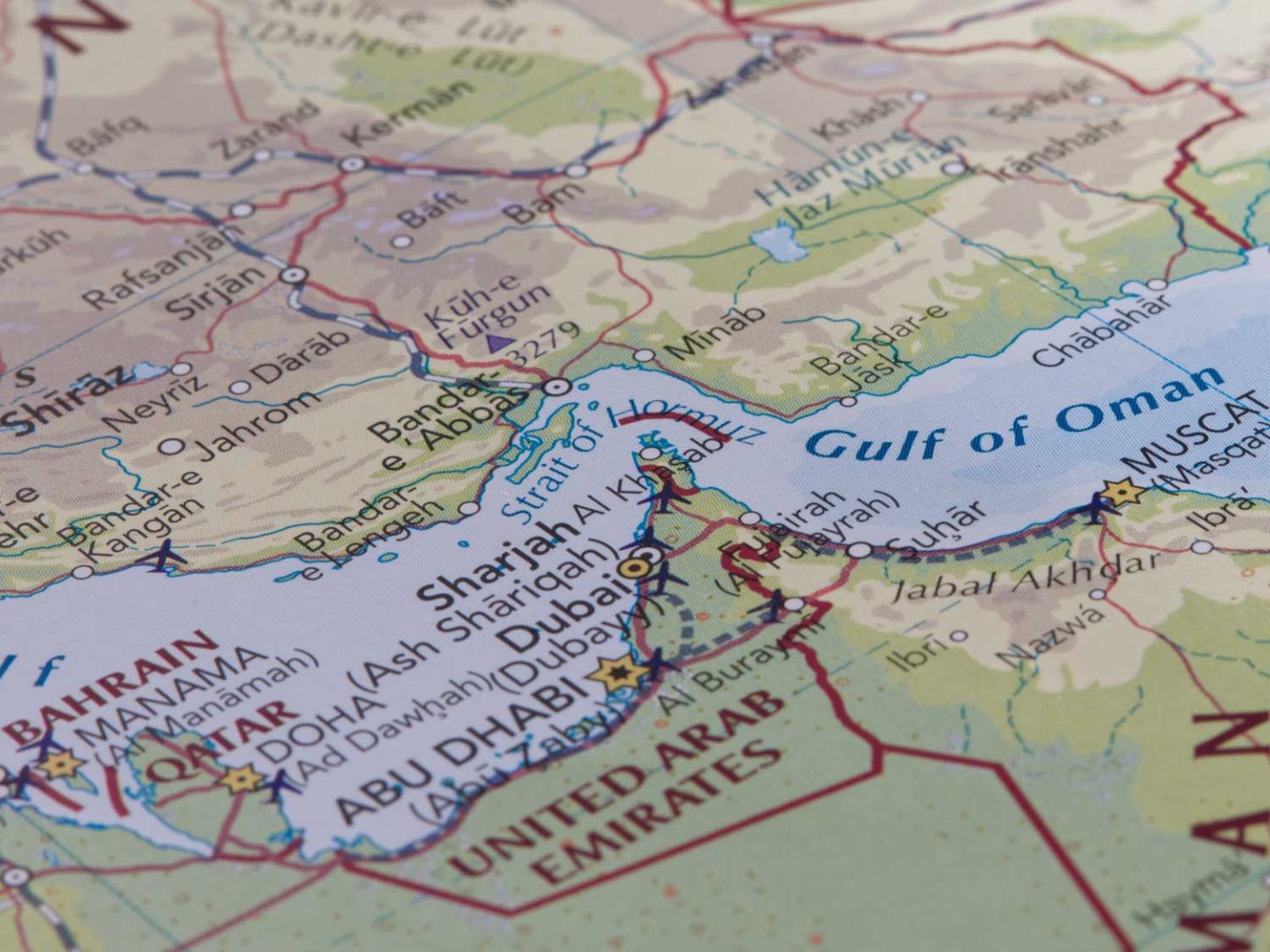
Gulf of Oman 1440x1080 1

Red Sea crisis expanding and growing

After the longest period of attack-free shipping in the Red Sea since December, the situation in the region is escalating, with an increase in Houthi attacks, fears that the ‘danger area’ may be expanding into the Arabian Sea and Indian Ocean and an Iranian vessel hijack off the Gulf of Oman.

At virtually the same time the US special envoy for Yemen indicated that the US might consider a path to revoking the terrorist designation on the Houthis if attacks on vessels are halted. The Yemeni group resumed attacks after an eight day pause and claimed to have attacked a number of warships and commercial vessels in the Arabian Sea and the Indian Ocean. 

The Houthi claims have not been corroborated and it remains uncertain if they have the capability to acquire targets that far out to sea. However, if they have been successful it may have implications for shipping, possibly forcing it to head further east and making access to the Gulf harder.

Iran hijack
In a further, unexpected development, the 15,000 teu MSC Aries was boarded and seized by Iranian Revolutionary Guard troops in international waters off the Gulf of Oman in the Straits of Hormuz on Saturday 13th April.

The Aries was managed by Zodiac Maritime, a firm controlled by the Israel-born shipping magnate Eyal Ofer, but the vessel is currently chartered to MSC and its current links to Zodiac is unclear. 

Iran’s action means the ‘maritime danger zone’ has expanded significantly and the ramifications of this illegal vessel seizure could be massive, potentially providing a catalyst for freight rates to rise in the short-term.

Insurance check
We would recommend double-checking your cargo insurance, to clarify what it covers, but also to ensure its validity should your cargo suddenly be in a war-zone, even if the planned route was not intended to transit a war-zone.

Anticipate increased risk premiums for insurance and freight to and from the Persian Gulf area, and also the Gulf of Oman, and not necessarily labelled as a risk premium but another acronym.

Scenarios
We do not anticipate a full closure of the Strait of Hormuz, it is more likely to resemble the southern Red Sea where some shipping lines will still operate and some will not. However, a partial closure could backfill, escalating port congestion problems at origins including Sri Lanka, Singapore, Port Klang and Indian ports.

Finally, it is clear that threats against shipping made by Iran, and their proxies have not been idle and it might be prudent to recollect the threat made by an Iranian Revolutionary Guards commander to target shipping in the Mediterranean. 

Groups in Algeria have received attack drones from Iran, which have the potential to impact shipping in the Eastern Mediterranean.

If you have any questions or concerns about the impact of the Red Sea crisis on your Asia supply chain, or would like to discuss its wider implications, please EMAIL our Chief Commercial Officer, Andy Smith.
For questions about airfreight, sea/air and our suite of time-sensitive solutions EMAIL Elliot Carlile, Operations Director, for insights, prices and advice.

For insurance related questions or concerns please EMAIL our Chief Financial Officer, Laurence Burford.

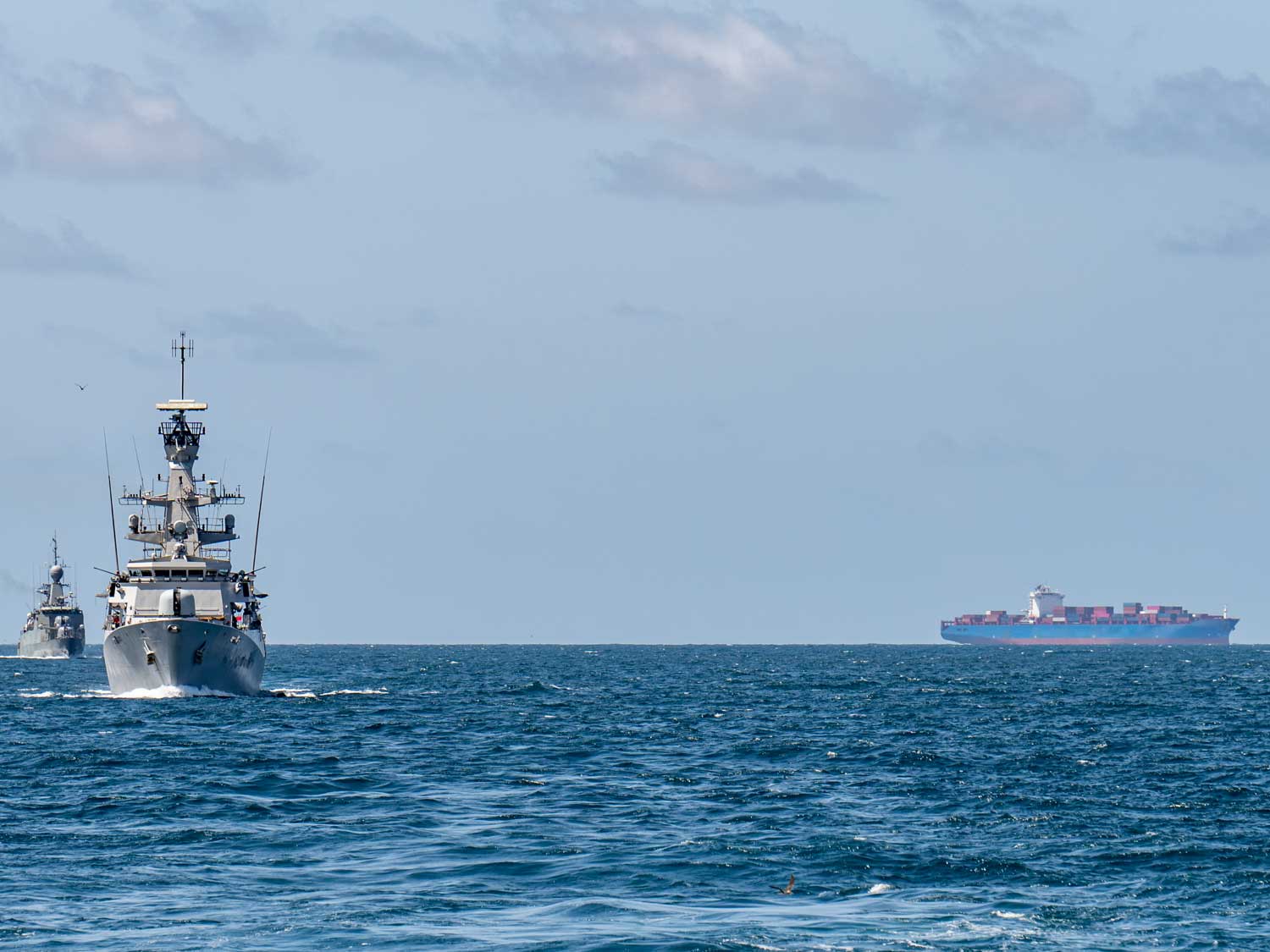
container ship and naval escort

Red Sea update

The last three months of 2023 were some of the worst for liner shipping’s finances in recent years, while early volume indications for this year suggest the coming months could bring stronger trading conditions for shipping lines, especially with the Red Sea diversions and capacity management techniques learned during the early phase of the pandemic.

Amidst the Red Sea crisis, global schedule reliability continued to decrease, dropping over 5% in January, but it does seem that schedule reliability may have improved slightly in February and the delays experienced for vessels arriving late were also reduced.

Performance overall is still very poor, but this does indicate that the new round-Africa services are beginning to slowly normalise, making supply chains slightly more predictable, albeit obviously with longer transit times. We would expect to see further improvements once we get the March data.

After eight consecutive days without incident, in the Red Sea on Monday the master of a vessel reported being hailed on the radio by an entity claiming to be the Yemeni Navy, while a crew member reported having heard gunshots and US naval forces destroyed a drone boat.

Despite the ongoing attacks, the US said it would consider revoking its recent designation of Yemen’s Houthis as terrorists if the Iran-backed militants cease their shipping attacks in and around the Red Sea.

Joe Biden’s special envoy for Yemen, Tim Lenderking, said the Houthis’ could “show good faith” and an “intent to de-escalate” if they released the 25-member crew of the Galaxy Leader, the RoRo car carrier that they hijacked in November.

Russia has sent several naval vessels from the Pacific Fleet into the Red Sea, though the purpose of the Russian vessels in the Red Sea area is unclear.

Air freight volumes jump

As a result air freight volumes have jumped up. February was the third consecutive month of double-digit year-on-year demand growth for air cargo, according to data released by IATA, with air cargo demand up 12% compared to 2023.

The rise comes as the market stabilises amid improved economic performance worldwide, with capacity up over 13% due to the continued return of belly capacity.

The strong start for 2024 could see demand surpass the exceptionally high levels of early 2022, with booming eCommerce and increased demand for sea/air services linked to Red Sea concerns.

If you have any questions or concerns about the impact of the Red Sea crisis on your Asia supply chain, or would like to discuss its wider implications, please EMAIL our Chief Commercial Officer, Andy Smith.
For questions about air freight, sea/air and our suite of time-sensitive solutions EMAIL Elliot Carlile, Operations Director, for insights, prices and advice.