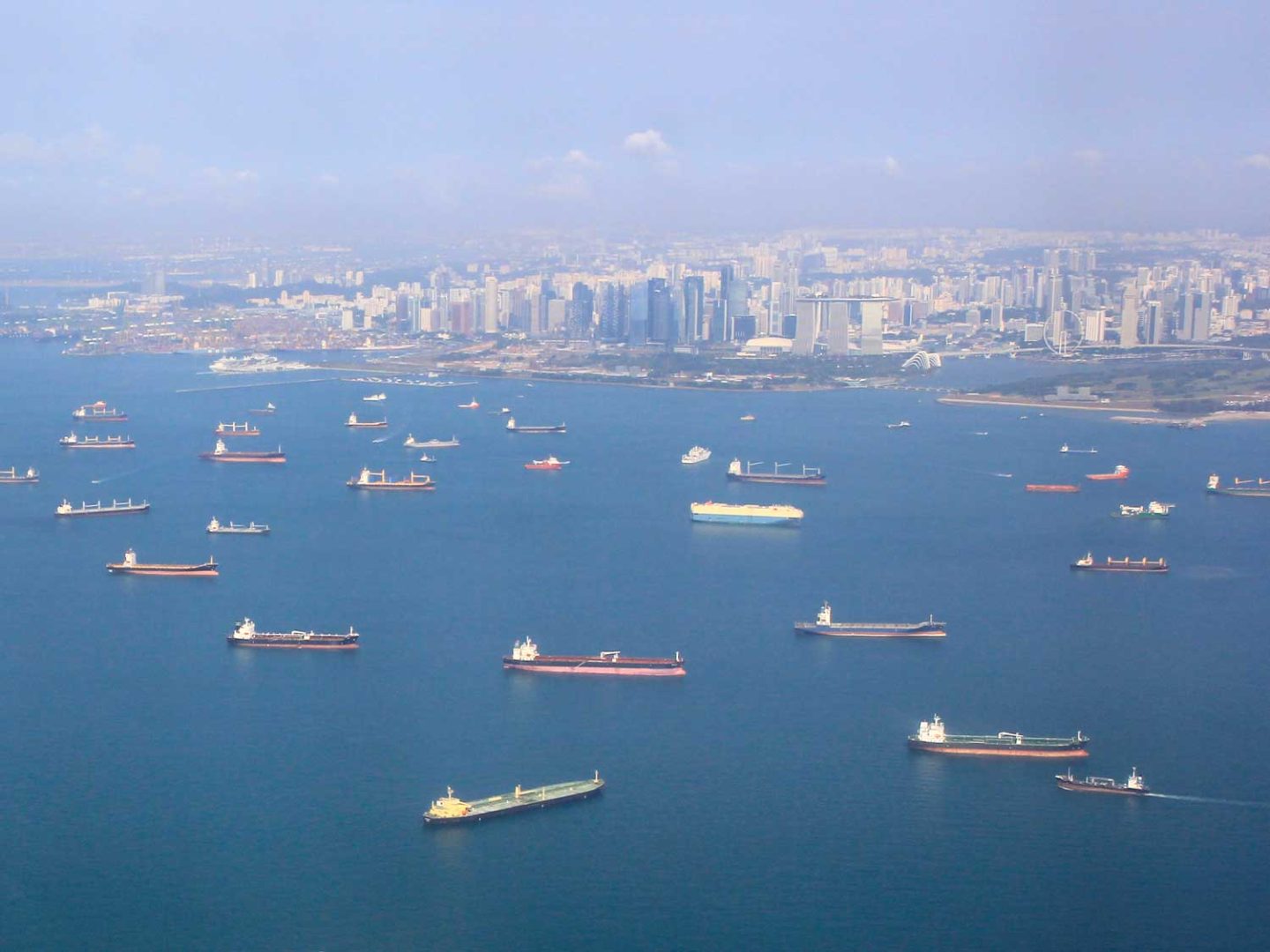
Singapore boats at anchor 1440x1080 1

Shipping lines blank sailings from Asia to support rates

Container carriers operating between Asia, Europe, and the United States are leaning heavily on blank sailings to manage capacity and stabilise freight rates amidst ongoing market challenges.

With a significant proportion of scheduled sailings cancelled, this strategy has become a defining feature of the current sea freight landscape, impacting reliability and operating across key trade lanes.

Capacity cuts to sustain rates
Over the next five weeks, approximately 10% of scheduled sailings on major East-West trade lanes have been cancelled. These blank sailings, which represent 70 cancelled voyages globally, are concentrated on the transpacific eastbound trade (50%), followed by transatlantic westbound (27%) and Asia-Europe westbound routes (23%).

This strategic capacity reduction reflects carrier efforts to curb the downward pressure on freight rates, with alliances such as THE Alliance, OCEAN Alliance, and 2M each cancelling 14 voyages. Additionally, non-alliance services have contributed to 28 blank sailings during this period. However, this comes at the cost of declining schedule reliability, with around 10% of vessels expected to miss their planned departures.

Freight rate trends and challenges
Despite capacity cuts, Asia-Europe rate hikes have struggled to gain traction, with carriers introducing new general rate increases (GRIs) and freight all kinds (FAK) rates which have pushed spot rates higher.

While some Asia-Europe rates showed modest gains—with increases of over 20% on certain legs—the overall impact of GRIs has been limited, with transpacific routes struggling. We remain sceptical about the sustainability of further December hikes, as past increases have often dissipated quickly.

Evolving dynamics
The annual contract cycle for Asia-Europe routes is shifting from a January-December framework to a more flexible Q1-to-Q1 arrangement, with some carriers delaying agreements until after the Chinese New Year in late January, in the expectation of some stability.

The heavy reliance on blank sailings highlights the precarious balance carriers are attempting to strike between capacity management and rate stabilisation. While this strategy has mitigated some downward pricing pressures, it has also introduced operational disruptions and diminished schedule reliability.

As carriers continue to adjust capacity in the coming weeks, further blank sailings are expected, underscoring the importance of sharing shipping forecasts, to ensure resilience in the supply chain.

We recommend talking to us now, if you have high-priority orders and sharing your shipping forecasts, so that we can secure your space, on the services that meet your deadlines, at the best possible rates.

To learn how we can safeguard and enhance your ocean supply chain, please EMAIL our Chief Commercial Officer, Andy Smith. 
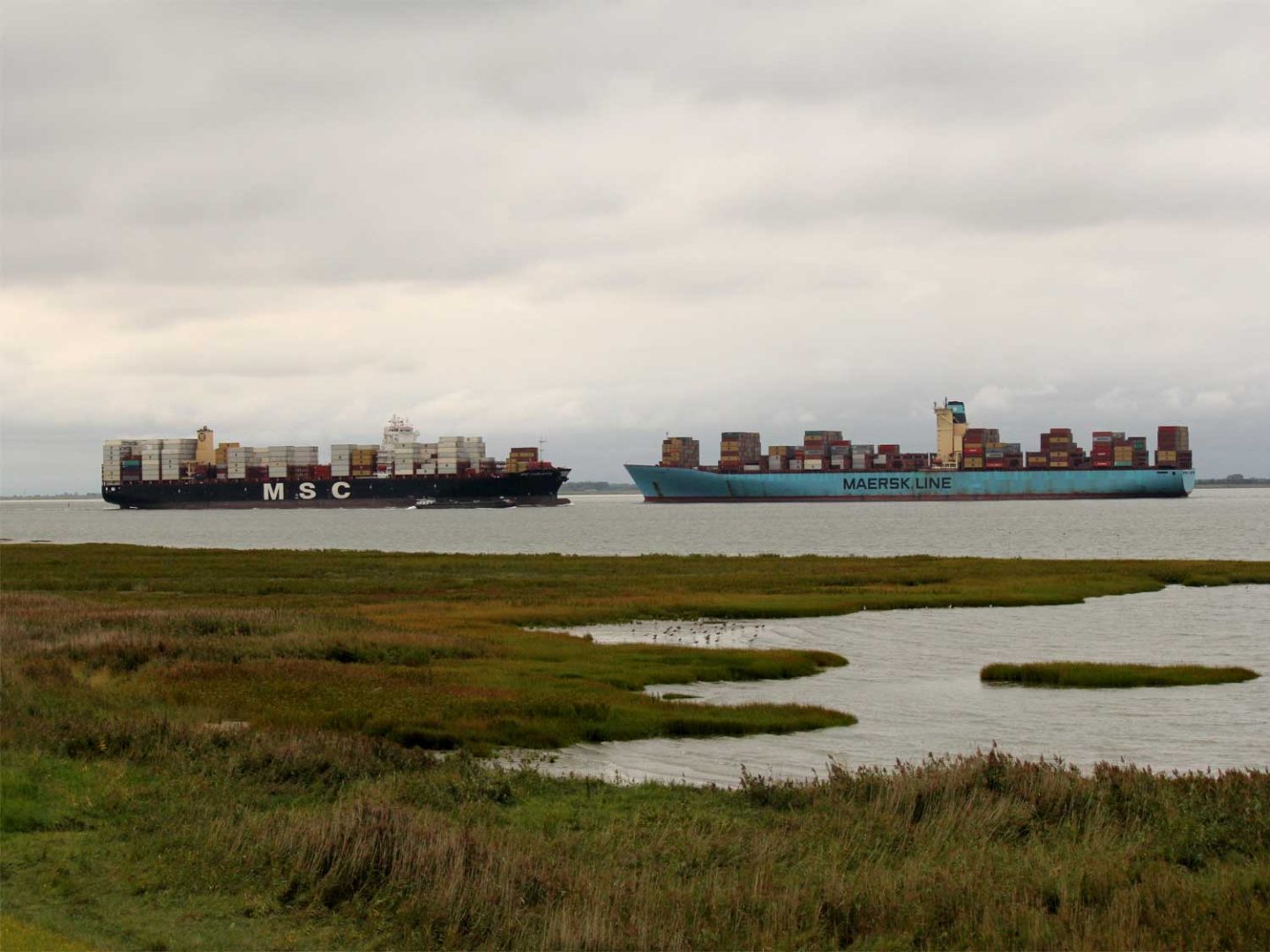
MSC and Maersk 1440x1080 1

New alliances reshape East-West trade container shipping

Container shipping faces a transformative year in 2025, as key East-West and transatlantic shipping routes are set for substantial realignment, with the dissolution of existing alliances and the formation of new ones.

Carriers are optimising their networks to enhance competitiveness and meet the evolving demands of global trade, with the emergence of two new alliances: the Gemini Cooperation, a partnership between Maersk and Hapag-Lloyd, and the Premier Alliance, a collaboration of Yang Ming, HMM, and ONE, alongside new slotting arrangements with MSC.

The Ocean Alliance remains unchanged, continuing with CMA CGM, Evergreen, Cosco, and OOCL. These shifts will impact service offerings, schedules, and direct port-pair connections across major East-West routes, providing shippers with a mix of increased options and competition.

New alliances drive service innovation
MSC’s standalone network, set to operate independently of the previous 2M Alliance with Maersk, offers massive connectivity across five key trade routes: Asia to North Europe, the Mediterranean, North America West Coast, North America East Coast, and the transatlantic. The network promises high direct connectivity through both the Suez and the Cape of Good Hope, featuring over 1,900 direct port pairs, making it a formidable standalone competitor.

In contrast, the newly formed Gemini Cooperation offers few direct port-port pairs, concentrating on transhipment and feeder services to optimise efficiency. On the Asia-Europe route, MSC offers three-and-a-half times more direct connections than Gemini, while the Premier Alliance has structured its services with a high frequency of calls on selected port pairs, adding competitive pressure, especially on the Asia-North America route.

Competitive corridors and service options
For Asia-Europe, key origins including Shanghai and Ningbo will see extensive service coverage, with MSC offering the most direct options, followed closely by Ocean Alliance. MSC’s standalone network is set to offer daily services along some of these high-demand corridors, which will include major destination ports in North Europe, such as Antwerp and Felixstowe.

The Ocean Alliance will leverage its consistent service network with regular calls to European hubs, meeting demand with a steady schedule. In contrast, the Gemini Cooperation will focus on select routes with a more streamlined approach, prioritising efficiency over frequency, while the Premier Alliance positions itself as a flexible choice with direct connectivity to both large and mid-size European ports.

On the transatlantic route, the landscape is also evolving. MSC’s expanded standalone service includes comprehensive transatlantic offerings, with high-frequency connections to both North American and European ports. These routes cater to demand for direct services between major East Coast ports in the US and destinations such as Hamburg, Antwerp, and Rotterdam. The Premier Alliance, through its slot exchanges with MSC, will also deliver enhanced transatlantic options, further enriching service choices on this important corridor. The Gemini Cooperation, however, has chosen to limit its transatlantic service focus, concentrating on key North European ports.

Flexibility and choice
While 36 key port pairs will see direct services from all alliances, offering shippers competitive choices, 139 port pairs will be exclusively serviced by a single alliance, providing unique service propositions.

The distinct approaches taken by each alliance highlight a shift towards service flexibility, with alliances focusing on varying service concepts, transit times, and reliability levels to cater to different market needs.

As new alliances settle into their operational structures and MSC advances as a powerful standalone force, the reshaped East-West trade-lanes, including transatlantic services, will give shippers a broader selection of service configurations.

Metro negotiate rates and volume agreements with a broad portfolio of carriers, including MSC and across the alliances, to offer our shippers the widest range of service offerings, port-pairings and rates.

Our bespoke solutions uniquely reflect our customers requirements and expectations. For further information please EMAIL Chief Commercial Officer, Andy Smith, who would be delighted to review your situation. 

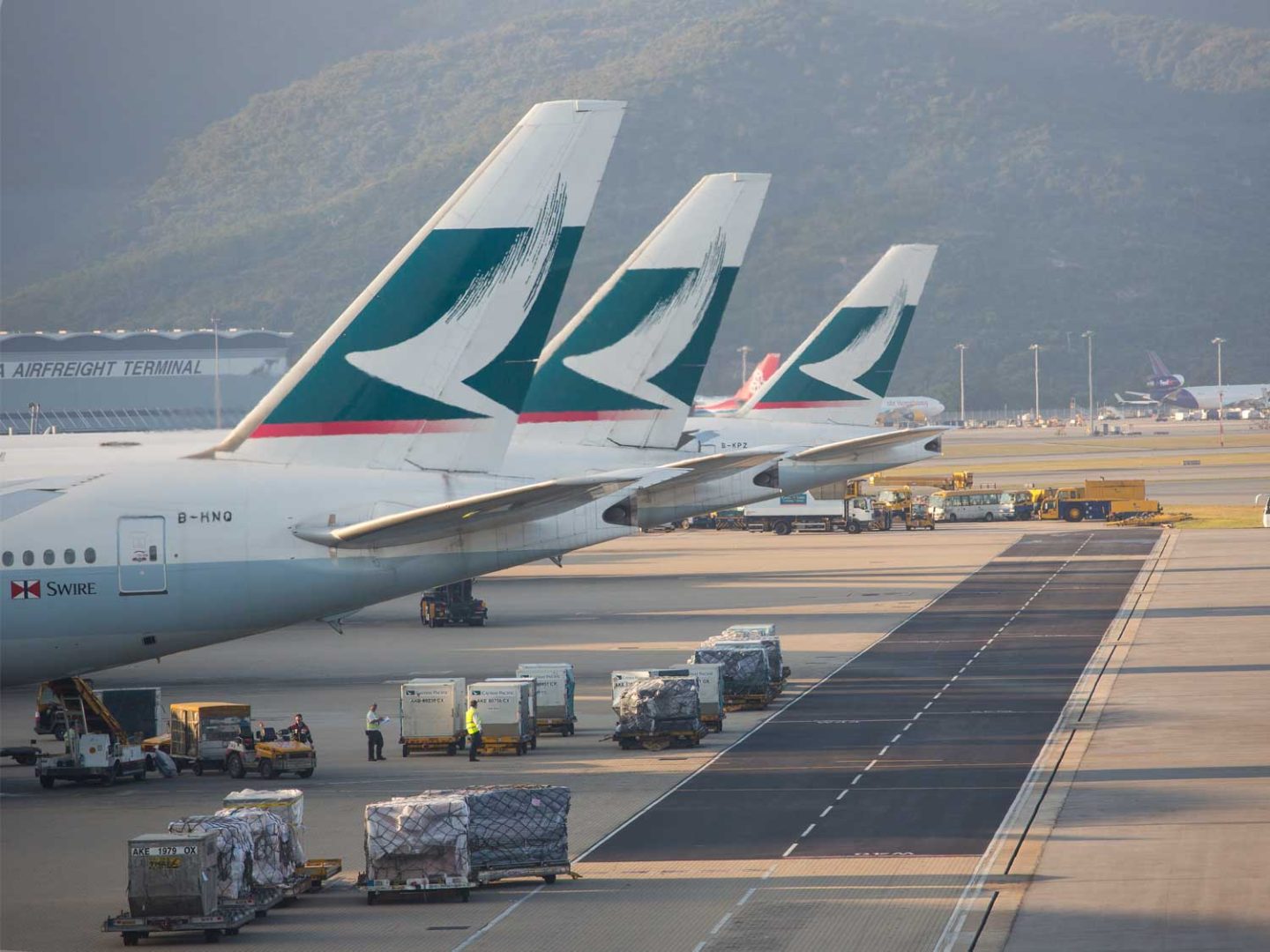
Cathay tailfins 1440x1080 1

Air freight surges from Asia to Europe while trans-Pacific faces regulatory hurdles

As peak season ramps up, air cargo from Asia to Europe is experiencing strong growth, largely driven by rising demand for eCommerce, while new scrutiny on duty exemptions has led to a significant drop in air cargo volumes from Asia to the United States.

In October, tonnage from Hong Kong to Europe rose sharply, with volumes up 25% compared to last year, as Singles Day, Black Friday, and Cyber Monday fuelled eCommerce demand, setting the stage for a robust fourth quarter.

Rates from Asia to Europe have climbed alongside demand, with average spot prices on the Hong Kong-to-Europe route reaching levels 13% higher than in 2023 and with sustained growth over the past six weeks, there is a strong early indication of a significant peak season.

Rates from Shanghai to Northern Europe hit their highest point this year, up by nearly 19% from the same period last year. This sustained demand for air freight, coupled with elevated rates, is a clear signal of a strong seasonal peak for Europe-bound cargo.

US market impacted by regulatory shifts
Since July, the US has tightened customs checks on imports from China, particularly on goods qualifying under the “de minimis” exemption, which allows low-value shipments to enter duty-free, resulting in a significant drop in air cargo volumes.

While the $800 threshold allowing duty-free entry hasn’t yet been lowered, the mere prospect has affected air cargo flows and should the threshold decrease, there could be a further reduction in air freight volumes from China.

Outlook and considerations
With robust air freight demand on the Asia-Europe corridor showing no signs of slowing, shippers are likely to encounter continued pressure on both rates and capacity. Meanwhile, the trans-Pacific market may experience shifts if regulatory changes reshape the landscape for duty-free imports.

As potential regulatory adjustments and compliance measures loom—particularly with the upcoming US presidential elections—proactive preparation can help mitigate impacts on air cargo operations. In a peak season marked by both growth and uncertainty, staying ahead of these changes will be essential for maintaining smooth, cost-effective logistics.

Our block space agreements (BSA) and capacity purchase agreements (CPA) protect space and capacity on the busiest routes, so share your shipping forecasts and we will fly your cargo at the best rates.

Regardless of your cargo type, size and requirements, we have extremely competitive rate and service combinations, to meet every deadline and budget.

EMAIL Elliot Carlile, Operations Director, for insights, prices and advice on our airfreight, charter and sea/air solutions. 

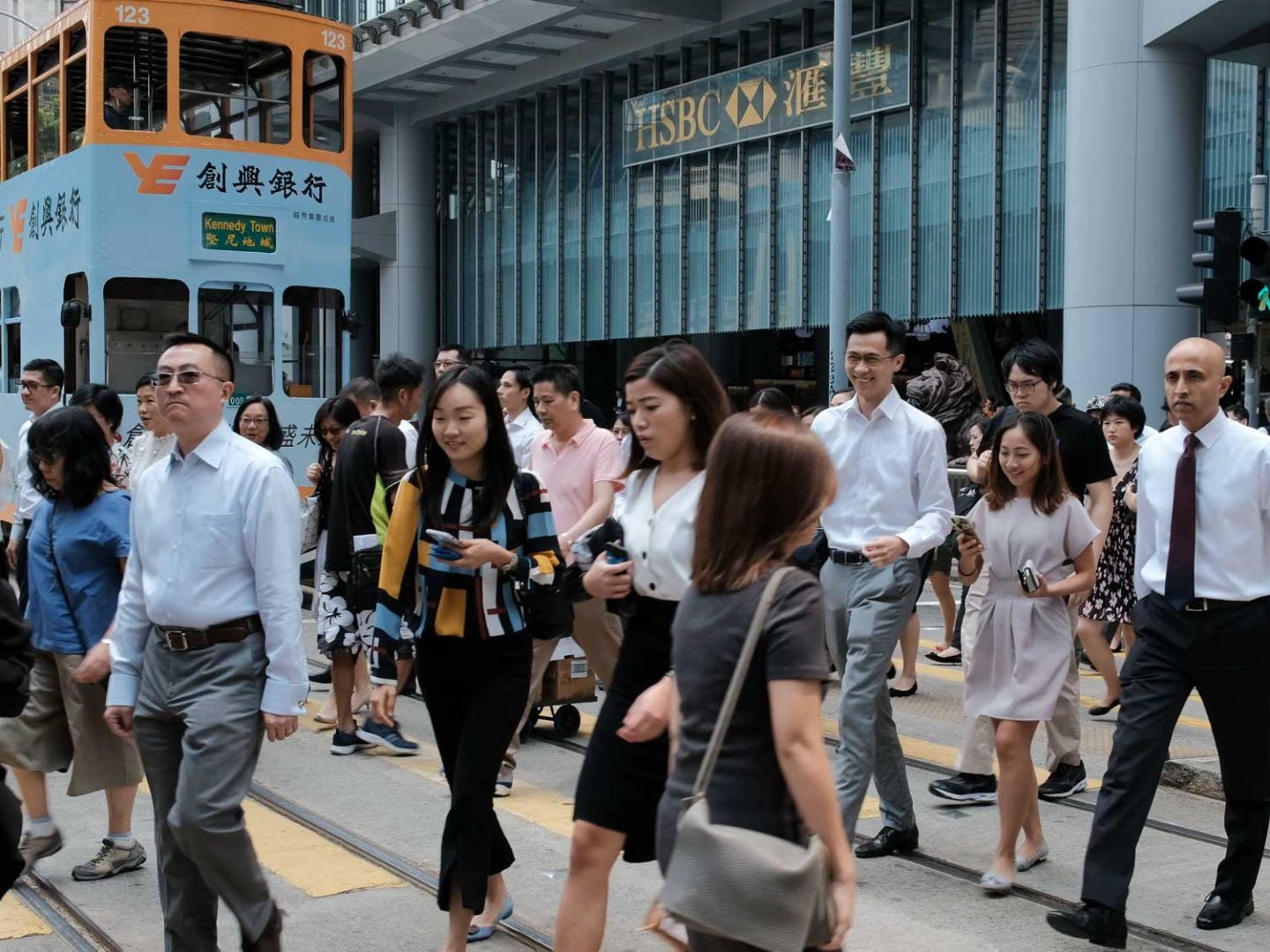
HKG crossing 1440x1080 1

Strengthening Global Network to Address Supply Chain Challenges

Metro’s strategic partner network is central to delivering market-leading logistics services, especially as global supply chains face ongoing challenges. With the appointment of Peter Orange as head of global network development, Metro is deepening its commitment to building robust partnerships worldwide, enhancing collaboration, and strengthening its network’s resilience to meet customer needs.

Highlighting the significance of Metro’s partner network, managing director Grant Liddell and chief commercial officer Andy Smith recently completed a ten-day trip across Asia. During the visit, they met with key partners, carriers, and customers to strengthen relationships and gain valuable insights into regional market dynamics.

This focus on building connections comes at a time when supply chains are under persistent pressure, making agile, strategic partnerships essential to delivering reliable service.

Peter Orange’s new role: Deepening global partnerships
With over three decades of experience spanning airlines and logistics firms across diverse regions—including Australia, Singapore, UAE, and the UK—Peter Orange brings a global perspective to his role as head of global network development. His mandate is clear: to enhance Metro’s engagement with existing partners and explore potential new alliances, particularly those that bring specialised expertise in verticals like automotive and high-tech.

Peter’s appointment reflects Metro’s commitment to fostering like-minded partnerships that prioritise value, service reliability, compliance, and transparent communication. As part of this role, Peter is reviewing existing partner relationships, assessing shared business strategies, and aligning efforts across transport modes—whether air, ocean, or combinations—to ensure Metro’s global partnerships are primed to adapt to dynamic market demands. He is also leading a continuous evaluation process with core partners, holding regular reviews to assess market opportunities and align on growth objectives.

Building on this foundation, Metro plans to expand Peter’s team with route development managers who will focus on key regions, including Asia Pacific and EMEA, alongside the current emphasis on North America. This team will work closely with Metro’s partners to drive sales, share market intelligence, and set clear growth targets, reinforcing Metro’s strategy of data-informed and relationship-driven expansion.

Insights from Metro’s Asia trip
In September, Grant Liddell and Andy Smith travelled to Singapore, Shanghai, and Hong Kong to meet with Metro’s Asian partners, customers, and major carriers. The trip provided valuable insights into the region’s logistics landscape, particularly with regard to the effects of eCommerce growth on airfreight demand and the impact of ocean capacity adjustments driven by regional geopolitical issues.

A notable takeaway from their discussions was the continued strength of eCommerce in driving airfreight demand, particularly on routes from Asia to Europe and North America. This trend is keeping rates elevated and creating heightened capacity needs. In ocean freight, major trade routes are seeing increased rates due to strong demand and capacity constraints, with factors like the Red Sea diversions further tightening supply. The expectation is that these pressures will persist into Q4, reinforcing the need for strong partnerships and agile strategies.

Metro’s commitment to building a resilient partner network ensures that customers benefit from agile, robust global supply chains, capable of adapting to shifts in demand and overcoming potential disruptions.

With Peter Orange leading this effort, alongside Metro’s strengthened ties in Asia, we’re dedicated to adding value and positioning our customers for success in today’s dynamic logistics landscape.

To explore how Metro’s partnerships can support your business needs, please EMAIL Peter Orange for more information.