food study

Air freight situation and outlook for 2025

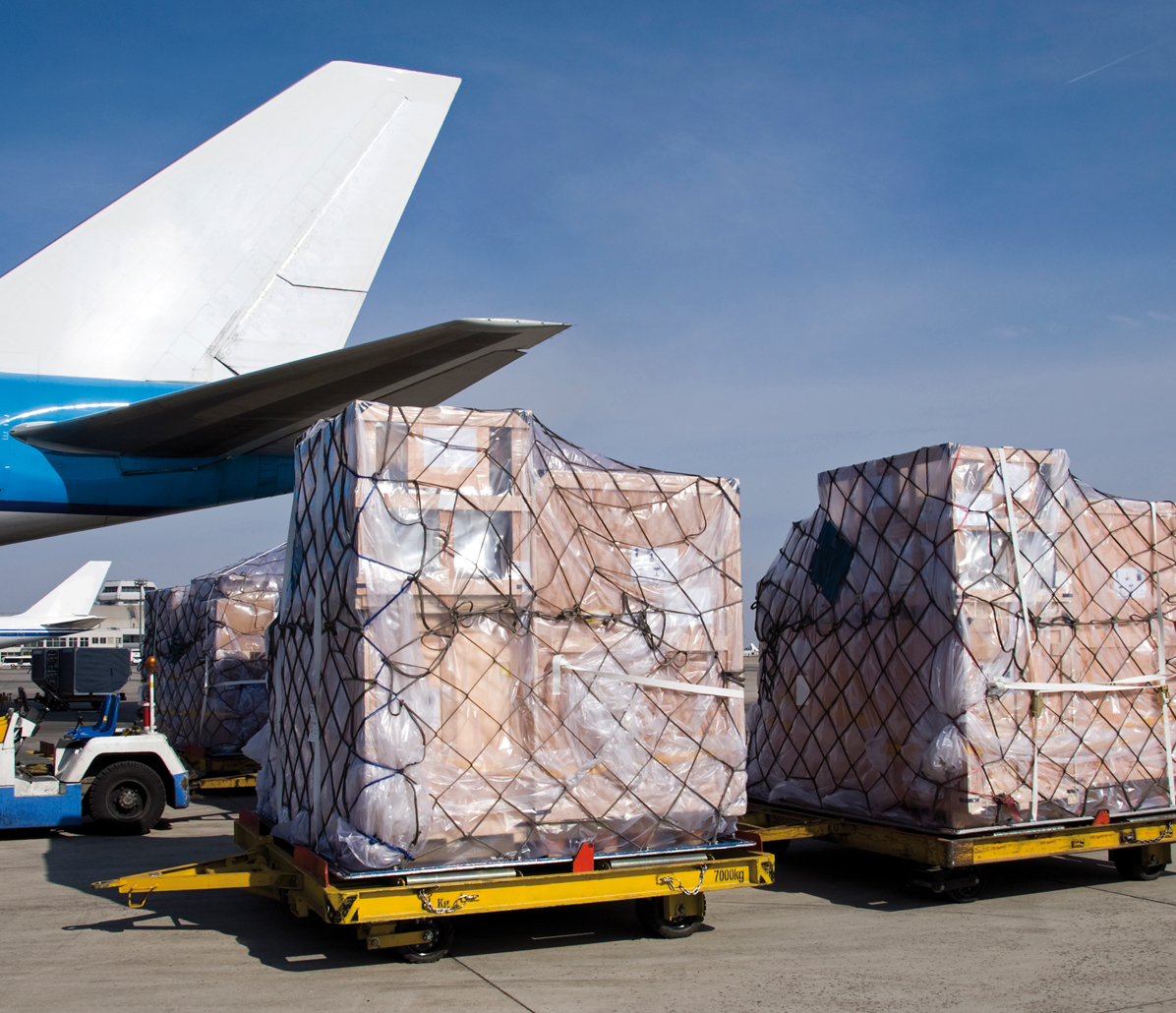
Global air freight market continues to experience robust growth, driven by eCommerce and the peak season, but faces capacity constraints due to reduced belly cargo capacity and a limited supply of wide-body freighters, particularly on key trade routes.

Demand rose 10% year on year in November, marking the 13th consecutive month of double-digit growth. However, capacity has only increased by 2%, pushing the cargo load factor to its highest level in over 30 months at 63%, with average spot rates 22% up year-on-year.

Regional performance
Europe: Transatlantic rates have risen due to capacity cuts in freighter and belly cargo availability, coinciding with the winter season. European imports from the Middle East remain strong, driven by sea-air volumes and Red Sea disruptions.

Asia: Air freight demand is set for double-digit growth in key lanes, particularly between North Asia and Europe, despite elevated rates and tight capacity. The anticipated cargo rush to avoid new US tariffs has not yet materialised, but demand remains buoyant.

Americas: The US is grappling with capacity challenges stemming from South America congestion and redirected EU-to-AML routes. Port strikes in Canada have slightly increased air freight demand, adding further pressure to regional supply chains.

Outlook for 2025
Global air cargo volumes are projected to rise by 5.8% year on year in 2025, reaching 72.5 million tonnes. This growth will be supported by booming eCommerce originating in Asia, although any changes by the U.S. to the current ‘de minimis’ thresholds, could have a profound impact.

Geopolitical uncertainty will continue to play a significant role in shaping air freight dynamics. The Red Sea crisis is expected to persist, influencing routing decisions and costs. Potential tariff changes in the United States could impact trade volumes, though benefits from deregulation under a business-friendly administration may offset some of the negative effects.

Rates and capacity
Air freight rates are likely to remain elevated if demand continues to outpace capacity. Airlines are responding with rate increases and expanding dedicated services to key regions. For example, Air China has announced rate adjustments, reflecting confidence in the strength of the market.

Global available cargo tonne-kilometres (ACTKs) are expected to grow gradually, though at a decelerating rate. Capacity expansion remains constrained by limited availability of freighters and reduced belly cargo options on key routes.

The air freight market is poised for continued growth in 2025, bolstered by strong demand from eCommerce and evolving trade dynamics, while challenges such as capacity constraints and geopolitical uncertainties remain.

For urgent and sensitive shipments, Metro offers tailored airfreight, charter, and sea/air solutions. With block space agreements (BSA) and capacity purchase agreements (CPA), we guarantee space and competitive rates on the busiest routes.

Our Birmingham International Hub and partnerships with regional airports provide significant time and cost benefits, while our global network ensures agility in a dynamic market.

Whatever your cargo size, type, or deadline, we deliver the best rate and service combinations to meet your needs.

EMAIL Elliot Carlile, Operations Director, for insights and pricing today.

Qatar A350 1440x1080 1

Air freight faces prolonged capacity constraints amid rising demand

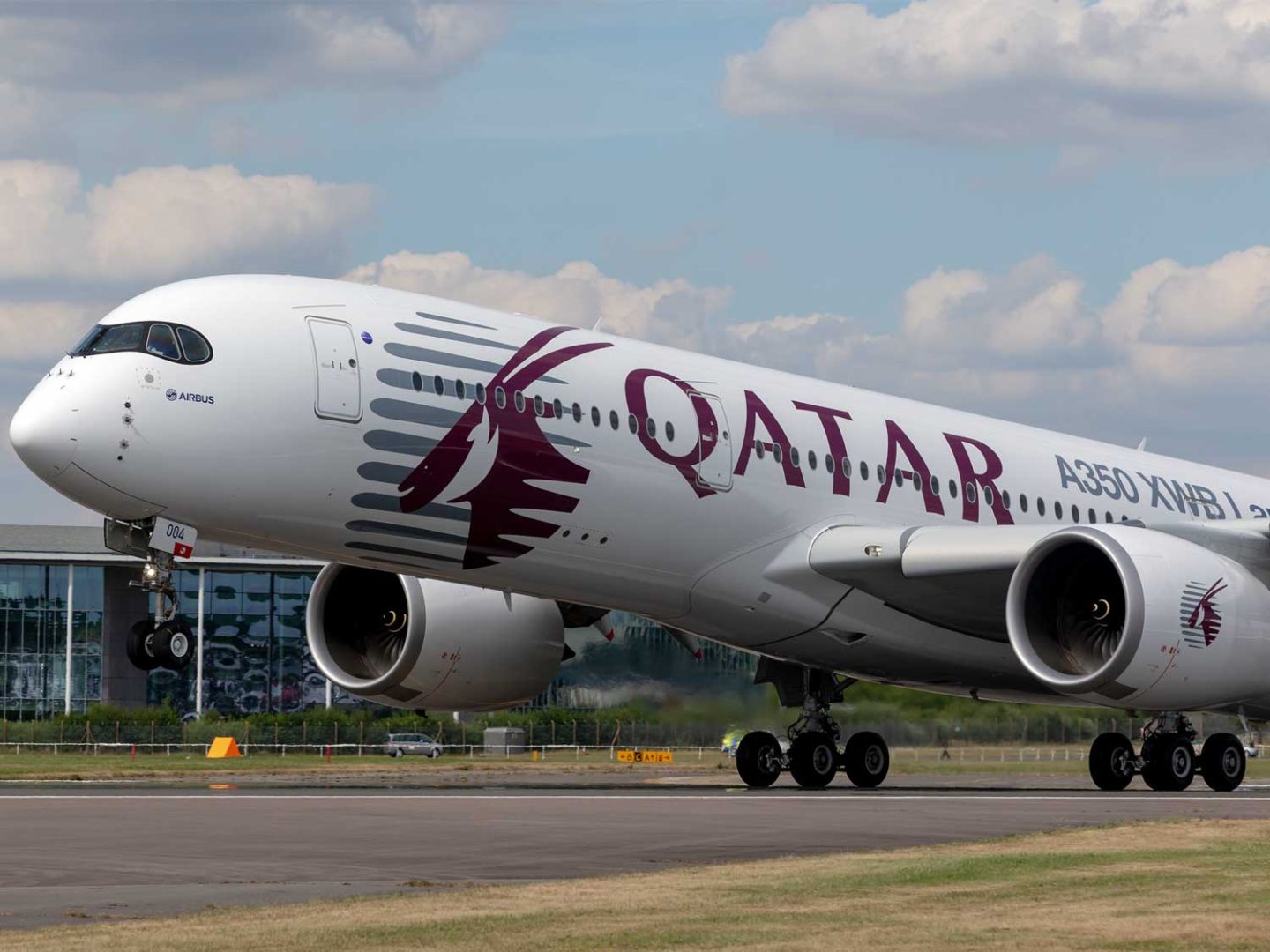
The tightening capacity situation could continue for several years, with constrained availability of freighter aircraft and high demand driving up rates across key routes.

While air cargo demand has not yet surged during this year’s peak season, rates remain elevated due to the limited capacity available, particularly on export lanes from Asia to Europe and North America. Looking ahead, supply chain pressures are expected to persist as new aircraft production delays and sustainability regulations further restrict capacity growth.

Steady rate increases
Despite a quieter-than-anticipated peak season, air freight spot rates have seen steady increases on major trade routes in October. Spot rates out of Asia showed notable increases, with outbound rates from Hong Kong rising by more than 8% month-on-month and over 10% compared to last year. Shanghai showed an even stronger performance, with rates increasing by over 12% month-on-month and over 22% year-on-year. Other Asian markets, including India, Vietnam, and Thailand, have also seen sustained rate increases, reflecting strong export demand and constrained capacity.

While the peak season leading up to major holidays like Thanksgiving and Christmas has not delivered the significant rate spikes anticipated, the rise in prices signals a solid demand foundation.

Long-term capacity shortages expected to intensify
As the air cargo market looks beyond the current year, long-term capacity shortages are likely to become an enduring feature. Boeing’s production challenges and limited feedstock for aircraft conversions have constrained the introduction of new freighter capacity, while delays in new technology, such as Airbus’s A350 freighter and Boeing’s 777-8 freighter, further tighten the timeline for expanded availability. The first A350 freighter is now expected in late 2026, and production of the 777-8 freighter remains uncertain.

Additionally, the International Civil Aviation Organization’s (ICAO) 2028 emissions standards deadline is anticipated to impact freighter availability. These standards will limit the production of certain aircraft types, likely exacerbating the capacity shortage. As capacity remains restricted, competition for available space will drive rates higher.

The air freight sector faces an extended period of rate volatility and capacity restrictions that may last well into the decade.

Our block space agreements (BSA) and capacity purchase agreements (CPA) protect space and capacity on the busiest routes, so we can fly your cargo at the best rates.

Regardless of your cargo type, size and requirements, we have extremely competitive rate and service combinations, to meet every deadline and budget.

EMAIL Elliot Carlile, Operations Director, for insights and prices. 

Cathay tailfins 1440x1080 1

Air freight surges from Asia to Europe while trans-Pacific faces regulatory hurdles

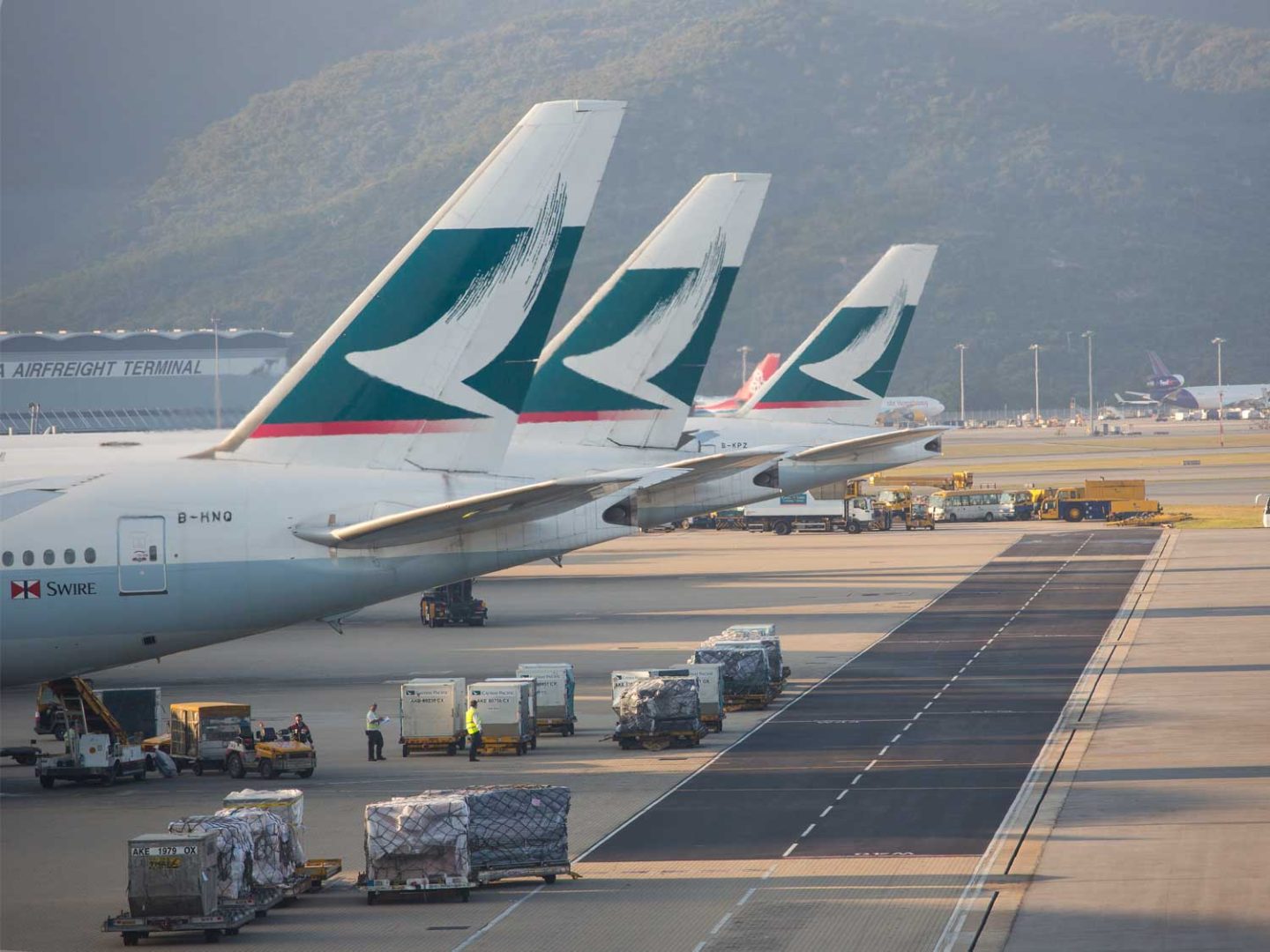
As peak season ramps up, air cargo from Asia to Europe is experiencing strong growth, largely driven by rising demand for eCommerce, while new scrutiny on duty exemptions has led to a significant drop in air cargo volumes from Asia to the United States.

In October, tonnage from Hong Kong to Europe rose sharply, with volumes up 25% compared to last year, as Singles Day, Black Friday, and Cyber Monday fuelled eCommerce demand, setting the stage for a robust fourth quarter.

Rates from Asia to Europe have climbed alongside demand, with average spot prices on the Hong Kong-to-Europe route reaching levels 13% higher than in 2023 and with sustained growth over the past six weeks, there is a strong early indication of a significant peak season.

Rates from Shanghai to Northern Europe hit their highest point this year, up by nearly 19% from the same period last year. This sustained demand for air freight, coupled with elevated rates, is a clear signal of a strong seasonal peak for Europe-bound cargo.

US market impacted by regulatory shifts
Since July, the US has tightened customs checks on imports from China, particularly on goods qualifying under the “de minimis” exemption, which allows low-value shipments to enter duty-free, resulting in a significant drop in air cargo volumes.

While the $800 threshold allowing duty-free entry hasn’t yet been lowered, the mere prospect has affected air cargo flows and should the threshold decrease, there could be a further reduction in air freight volumes from China.

Outlook and considerations
With robust air freight demand on the Asia-Europe corridor showing no signs of slowing, shippers are likely to encounter continued pressure on both rates and capacity. Meanwhile, the trans-Pacific market may experience shifts if regulatory changes reshape the landscape for duty-free imports.

As potential regulatory adjustments and compliance measures loom—particularly with the upcoming US presidential elections—proactive preparation can help mitigate impacts on air cargo operations. In a peak season marked by both growth and uncertainty, staying ahead of these changes will be essential for maintaining smooth, cost-effective logistics.

Our block space agreements (BSA) and capacity purchase agreements (CPA) protect space and capacity on the busiest routes, so share your shipping forecasts and we will fly your cargo at the best rates.

Regardless of your cargo type, size and requirements, we have extremely competitive rate and service combinations, to meet every deadline and budget.

EMAIL Elliot Carlile, Operations Director, for insights, prices and advice on our airfreight, charter and sea/air solutions. 

Ho Chi Minh 1440x1080 1

Air cargo rates surge as Vietnam becomes key export hub

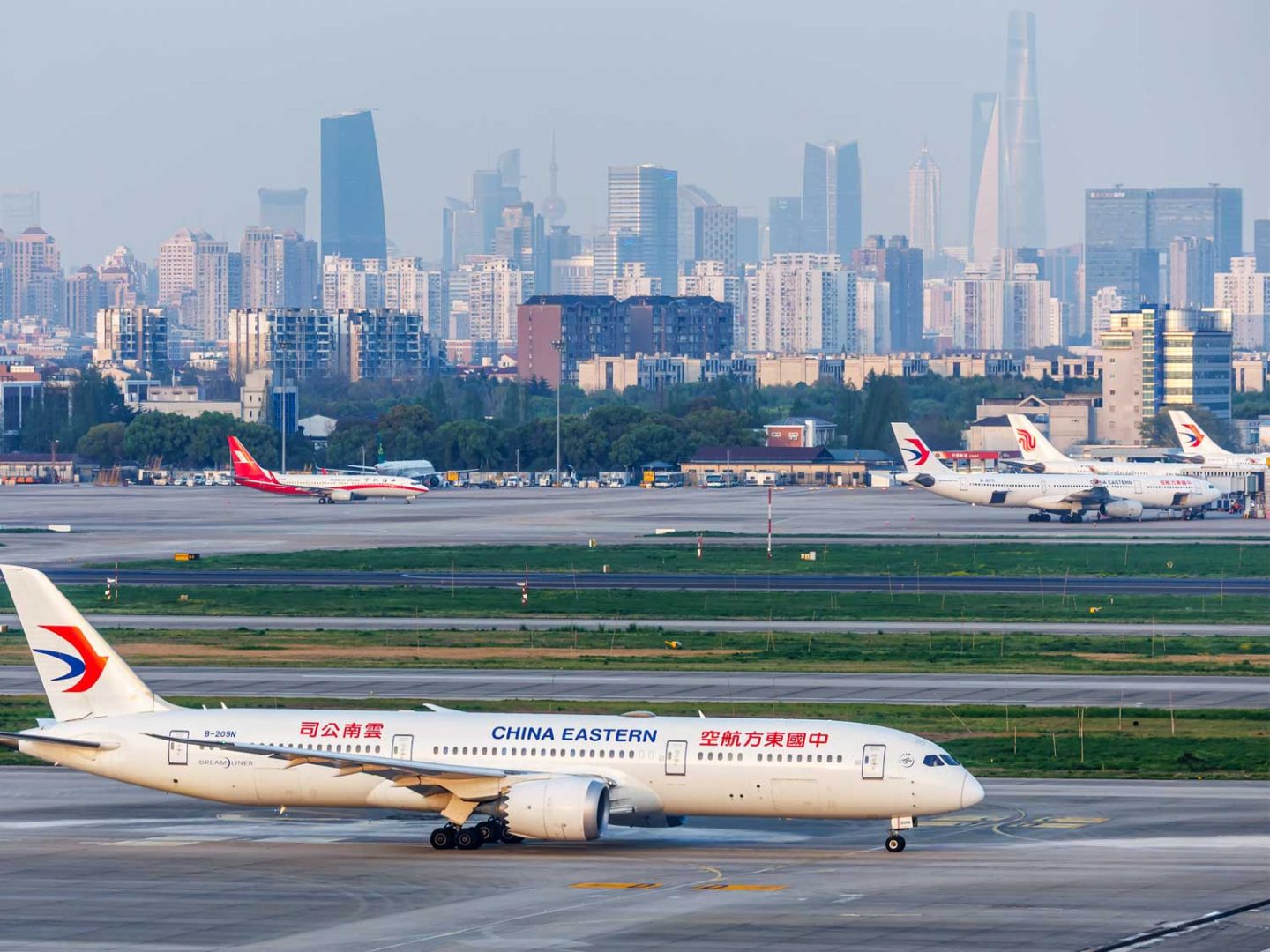
The air cargo market is seeing a significant surge in rates, driven by strong demand and tight capacity, especially on routes from Asia to North America and Europe.

In October, spot rates reached their highest point this year, with rates from Vietnam to the US increasing by 65% and to Europe by nearly 60%. Vietnam has emerged as a hotspot for eCommerce exports, with capacity out of Ho Chi Minh to North America increasing by 360% year-on-year.

Asia-Pacific has been hit hardest by the capacity constraints, with rates rising over 60% year-on-year due to increased demand for holiday shipments and high-tech goods. Despite the added capacity, rates continue to climb, further exacerbated by geopolitical tensions and disruptions in sea freight. The overall airfreight market grew by 10% year-on-year in September, as supply chain challenges forced more businesses to turn to airfreight.

Meanwhile, new security protocols introduced by the US and Canada are increasing the complexity of logistics for air cargo. These regulations, aimed at mitigating risks, require more detailed information from carriers, particularly on routes from Europe to North America. As a result, additional delays and operational hurdles are possible as peak season nears.

In Europe, demand for imports from Asia is forecast to remain strong through the rest of 2024, adding further pressure on already tight capacity. Surcharges have already been announced for Q4, with rates from Asia-Pacific to the US rising sharply. Transatlantic routes have seen a mix of rate movements, with rates increasing on westbound routes.

In response to the capacity crunch, shippers are exploring sea-air options through the Middle East, which has seen strong demand throughout 2024. However, these alternative routes are still subject to rising rates as supply struggles to keep pace with demand.

As the peak season approaches, air cargo rates are expected to continue climbing, and shippers are advised to plan for increased costs and potential delays. With demand surging and capacity remaining constrained, the air cargo market remains volatile, especially on key trade lanes from Asia to North America and Europe.

If you are exploring alternative sourcing strategies or looking for air freight support in Vietnam or Asia, please EMAIL our Chief Commercial Officer, Andy Smith, to schedule a consultation.

With 40 years of experience across Asia and Southeast Asia, we provide expert local assistance and ensure your products move smoothly to their distribution and sales points.

Our in-country specialists add value to your supply chain, offering seamless solutions tailored to meet your unique needs and requirements.