Air freight is coming under growing pressure as disruption in the Middle East continues to reshape capacity, routing and pricing across key global trade lanes.
While the impact varies by origin and destination, the overall pattern is clear: space has tightened, costs have risen and shippers are being forced to make faster, more flexible decisions.
The sharpest changes are being seen on services linking Asia and Europe, as well as on traffic moving out of India and wider South Asia.
Rates from Hong Kong to Europe have risen by almost 30% since the outbreak of the conflict, while pricing from India has moved much more aggressively, with increases of around 60% to the US and approximately 80% to Europe. More broadly, rates from several Asian origins into Europe have risen at double-digit weekly levels as cargo that would previously have moved through Gulf hubs is redirected elsewhere.
This reflects a market where disruption is not affecting all lanes equally. Some routes have seen relatively limited change, while others have tightened quickly as shippers compete for a smaller pool of available uplift.
Capacity loss through Gulf hubs is changing the shape of the market
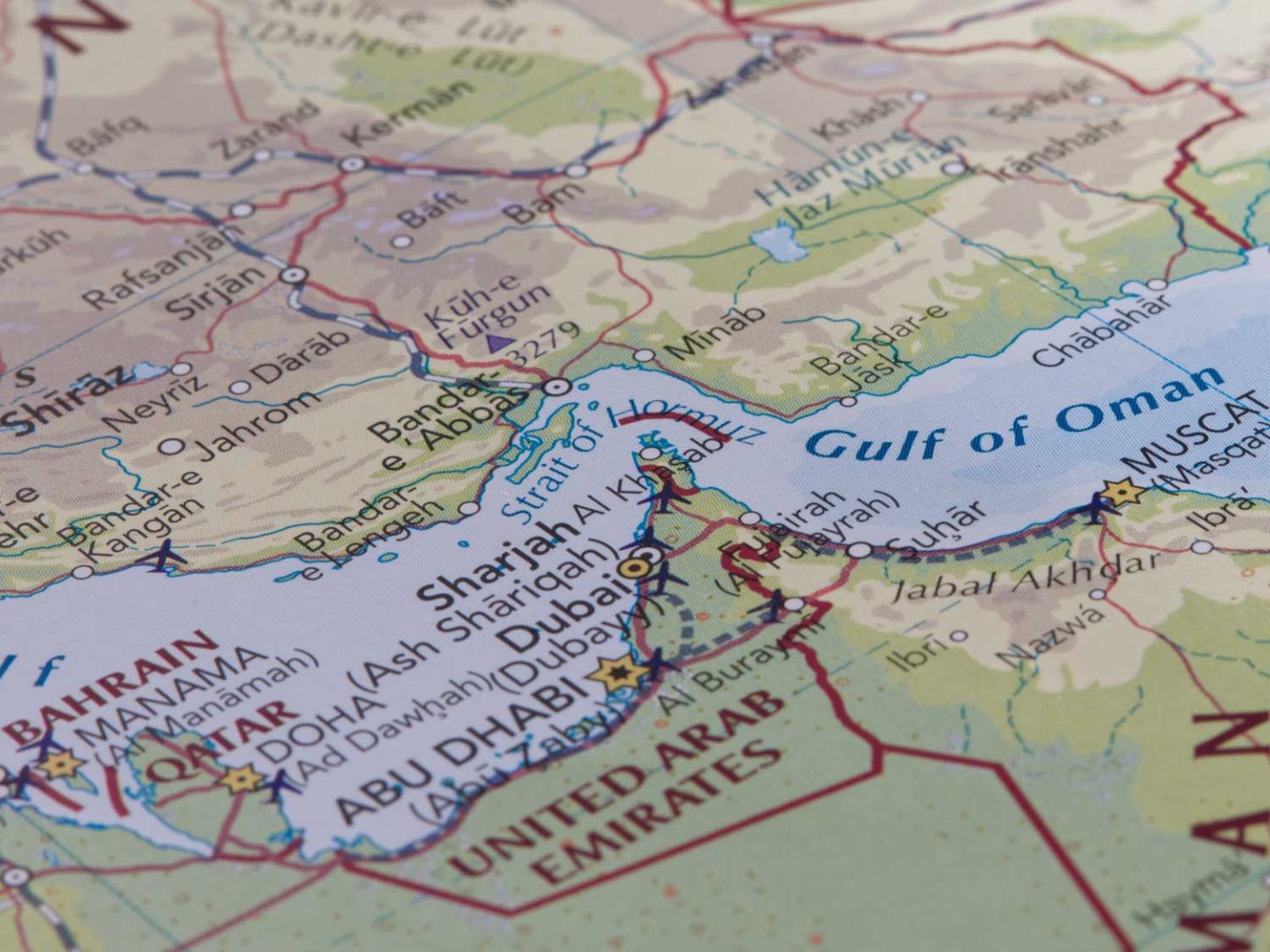
A large share of Asia–Europe air cargo normally moves via the Middle East, so reduced operations at major Gulf hubs are having a wider effect on the global network.
Capacity to and from the most affected Middle Eastern airports has fallen sharply from normal levels, and overall global air cargo capacity remains below pre-conflict norms.
Some of the hardest-hit corridors have seen available space fall by around 40%, particularly on lanes linking Asia Pacific with the Middle East and the Middle East with Europe.
As a result, cargo is being pushed towards direct services or rerouted through Asian hubs such as Hong Kong, Taiwan, Singapore, South Korea and Japan. That is helping to restore some connectivity, but it is also creating fresh pressure on feeder legs, intra-Asia services and selected transpacific flows.
In response, carriers have started adding capacity on some Asia Pacific–Europe routes, with space up by roughly 20% on certain corridors. Even so, the market remains tight, and additional capacity has not been enough to remove the pressure entirely.
Fuel surcharges are adding a second layer of cost pressure
Freight rates are only part of the story. Fuel surcharges are also rising rapidly as airlines deal with higher jet fuel costs and longer routings around restricted airspace.
Jet fuel prices have risen sharply, and in some cases the gap between crude oil and jet fuel has widened significantly, increasing the likelihood of further surcharge adjustments.
Some airlines are now reviewing fuel surcharges weekly rather than monthly, which makes budgeting more difficult, as cost is changing more quickly and with less notice.
This is creating a double cost challenge: higher base freight rates combined with higher fuel-related charges.
The market is reacting with alternative routings
As direct capacity becomes harder to secure, the market is adapting.
Some cargo is being routed on longer, less conventional paths, including via North America, simply because direct Asia–Europe space is too limited or too expensive. These solutions can keep freight moving, but they usually come at a premium and add complexity to planning.
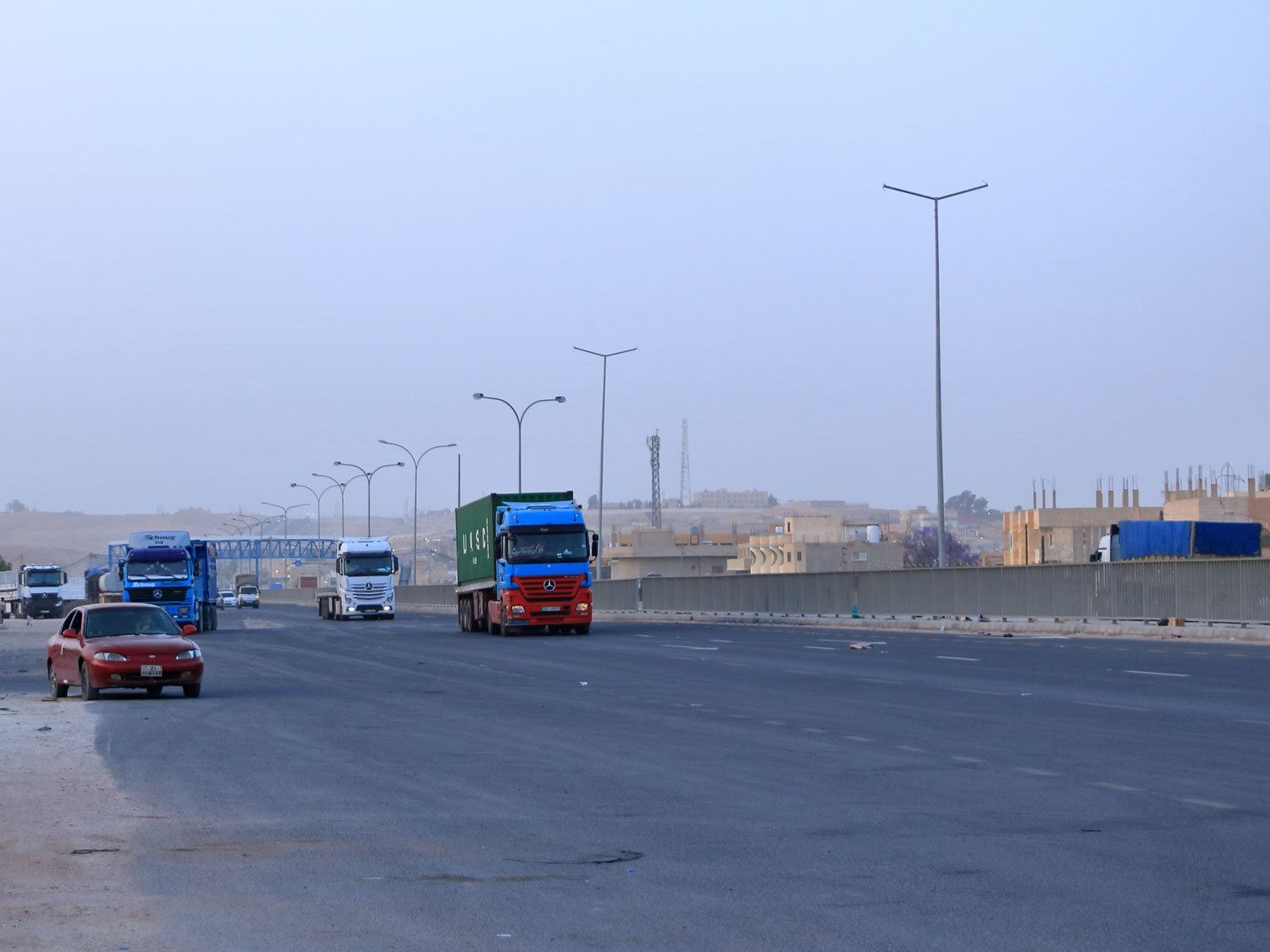
At the same time, demand is increasing for multimodal alternatives. Road connections between airports, regional trucking solutions and other hybrid models are becoming more attractive where they can protect delivery schedules or reduce the cost of a fully airfreight solution.
This is a reminder that the current challenge is not just about price. It is also about network design, transit reliability and how quickly supply chains can adapt when traditional routings become less dependable.
A volatile market is masking very different lane-by-lane realities
Headline air freight indices suggest the global market has moved only modestly overall, with broad average rates rising by only small percentages week on week and remaining close to last year’s levels.
However, those averages disguise major differences between individual trade lanes. Some corridors have posted only limited movement, while others have risen sharply in a matter of days. Outbound Asia has shown particularly wide divergence, with strong gains into Europe from several origins, while some US-bound lanes have softened or remained mixed.
For shippers, that means average market data only tells part of the story. The real challenge is understanding where pressure is building, where capacity is returning, and which routing options remain commercially viable.
Air freight decisions are becoming more time-sensitive, more expensive and more dependent on having the right alternatives ready.
Metro helps customers navigate tight capacity, fuel-driven cost changes and shifting routings by building practical options around urgency, cargo profile and destination requirements.
If you need to assess the most reliable or cost-effective way to move time-critical freight, EMAIL Andrew Smith, Managing Director at Metro. He can help you explore direct air, alternative gateway and routing options in line with current market conditions.