RoRo PCC

A new era for the global RoRo fleet

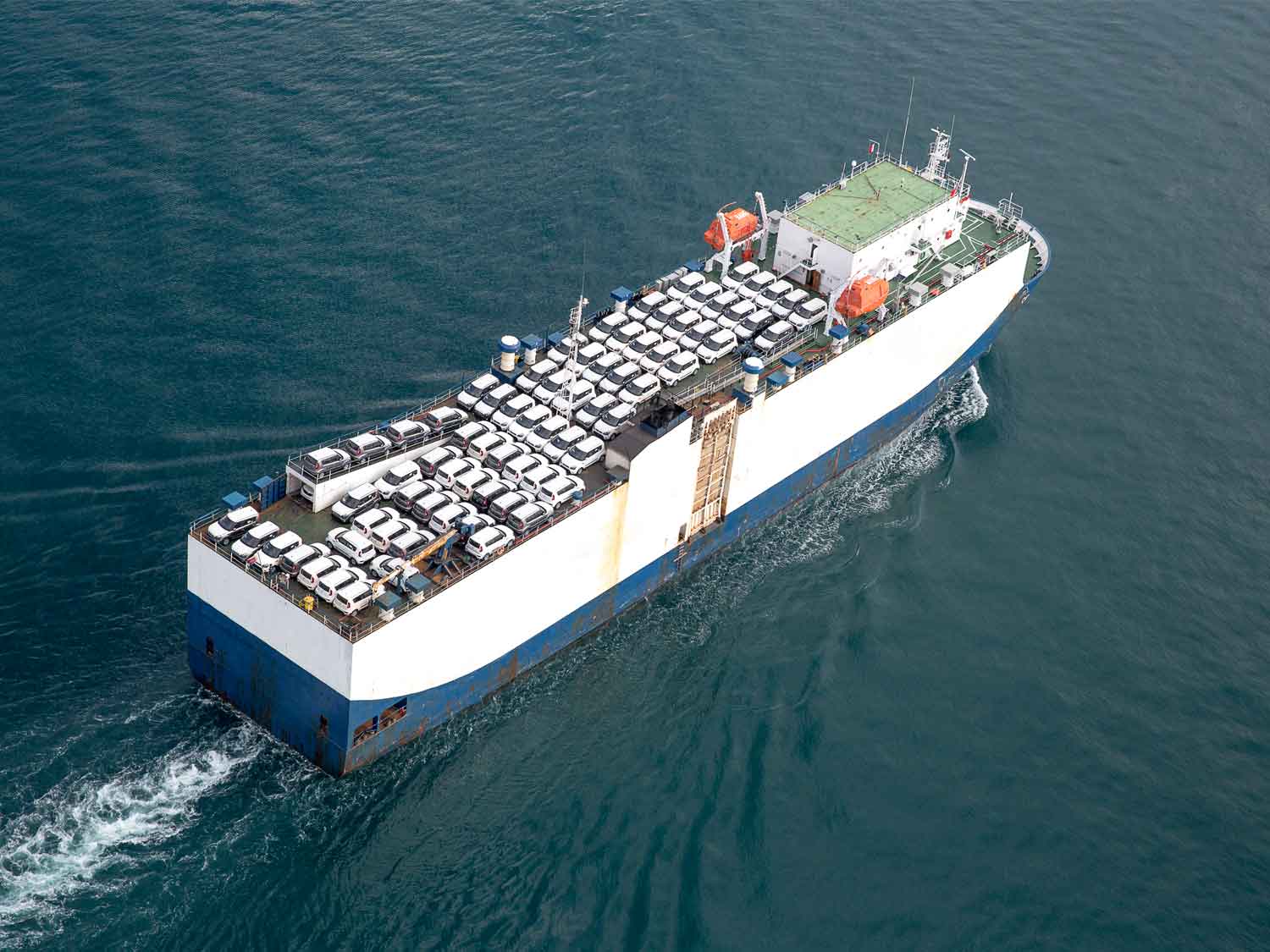
It wasn't long ago that securing space on a RoRo vehicle carrier was one of the biggest challenges facing automotive manufacturers. A shortage of Pure Car and Truck Carriers (PCTCs), soaring charter rates and surging Chinese vehicle exports created an exceptionally tight global market.

That picture is beginning to change. A significant wave of new vessel deliveries is increasing global capacity, charter rates are easing and vehicle production is becoming more regionalised as Chinese manufacturers establish factories closer to overseas markets.

For manufacturers, the challenge is no longer simply securing vessel space. Understanding how changing trade flows, regional production and evolving carrier networks affect future supply chains will be just as important.

Fleet expansion is reshaping capacity

The global PCTC fleet is undergoing its largest expansion for many years. New generations of car carriers, many capable of transporting more than 9,000 car equivalent units, are entering service with dual-fuel propulsion and future-ready designs that support lower-emission operations. 

Overall fleet capacity is expected to increase by around 40%, fundamentally changing the supply-demand balance that drove record charter rates during 2023 and 2024.

As additional vessels enter service, daily charter costs have fallen significantly from their historic highs, easing some of the pressure that has affected vehicle exporters over the past two years.

For automotive manufacturers, this represents a welcome improvement in available capacity, although freight markets remain far from returning to pre-disruption conditions.

Competition is intensifying

China's vehicle exports have surged by more than 60% this year, with Europe emerging as one of its fastest-growing overseas markets. Chinese brands continue to gain market share, particularly in the UK and parts of Southern and Eastern Europe.

However, the next phase of expansion is unlikely to rely solely on long-haul exports.

Faced with higher import tariffs in Europe and North America, Chinese automotive manufacturers are accelerating investment in overseas production. New assembly plants are being established across Europe, South America, Southeast Asia, India and South Africa, allowing vehicles to be built closer to customers while reducing tariff exposure.

For the RoRo sector, this creates a dual dynamic. Long-haul exports from China are expected to moderate over time as production shifts closer to end markets, while regional and short-sea vehicle movements within Europe are likely to grow as new production facilities come online. Investment in new European short-sea vehicle carriers already reflects these changing trade patterns.

Additional investment supports employment, strengthens regional supply chains and creates greater demand for automotive logistics across the continent. At the same time, European manufacturers face increasing competition, making resilient and efficient supply chains even more important.

Project cargo remains under pressure

While finished vehicle logistics should benefit from the expanding fleet, the outlook is less positive for project cargo and other high and heavy freight.

Construction equipment, agricultural machinery, industrial vehicles and oversized project cargo continue to compete for limited specialist deck space. The newest PCTCs are optimised for passenger vehicles rather than abnormal loads, meaning stowage flexibility for oversized freight remains constrained despite overall fleet growth.

Meanwhile, longer voyages around the Cape of Good Hope continue to absorb vessel capacity following disruption in the Red Sea, while higher bunker costs and operating expenses are maintaining commercial pressure on older and smaller RoRo vessels.

For shippers moving specialist equipment, early planning and close coordination with carriers remain essential to securing both space and suitable stowage.

Automotive supply chains need greater agility

The RoRo market is becoming more balanced, but not necessarily simpler. Vehicle production is becoming increasingly regional, trade routes are evolving, environmental regulations continue to influence fleet investment and geopolitical developments remain capable of reshaping shipping patterns with little warning.

For UK and European automotive manufacturers, success will increasingly depend on logistics partners that understand both global vehicle flows and local manufacturing requirements, helping them respond quickly as sourcing patterns and transport networks continue to evolve.

Drive resilience with Metro

Metro has extensive experience supporting OEMs, Tier 1 suppliers and automotive manufacturers with integrated international logistics solutions. 

Our specialist automotive teams work across Europe, Asia and North America to secure RoRo capacity, manage complex vehicle movements and develop contingency plans when market conditions change.

Whether moving finished vehicles, production components or specialist project cargo, Metro combines global carrier relationships with local expertise to keep automotive supply chains moving efficiently and reliably.

To discuss your automotive logistics requirements and discover how Metro can strengthen your supply chain, EMAIL Andrew Smith, Managing Director.
Long Beach 1

Transpacific shipping remains under pressure as demand ripples inland

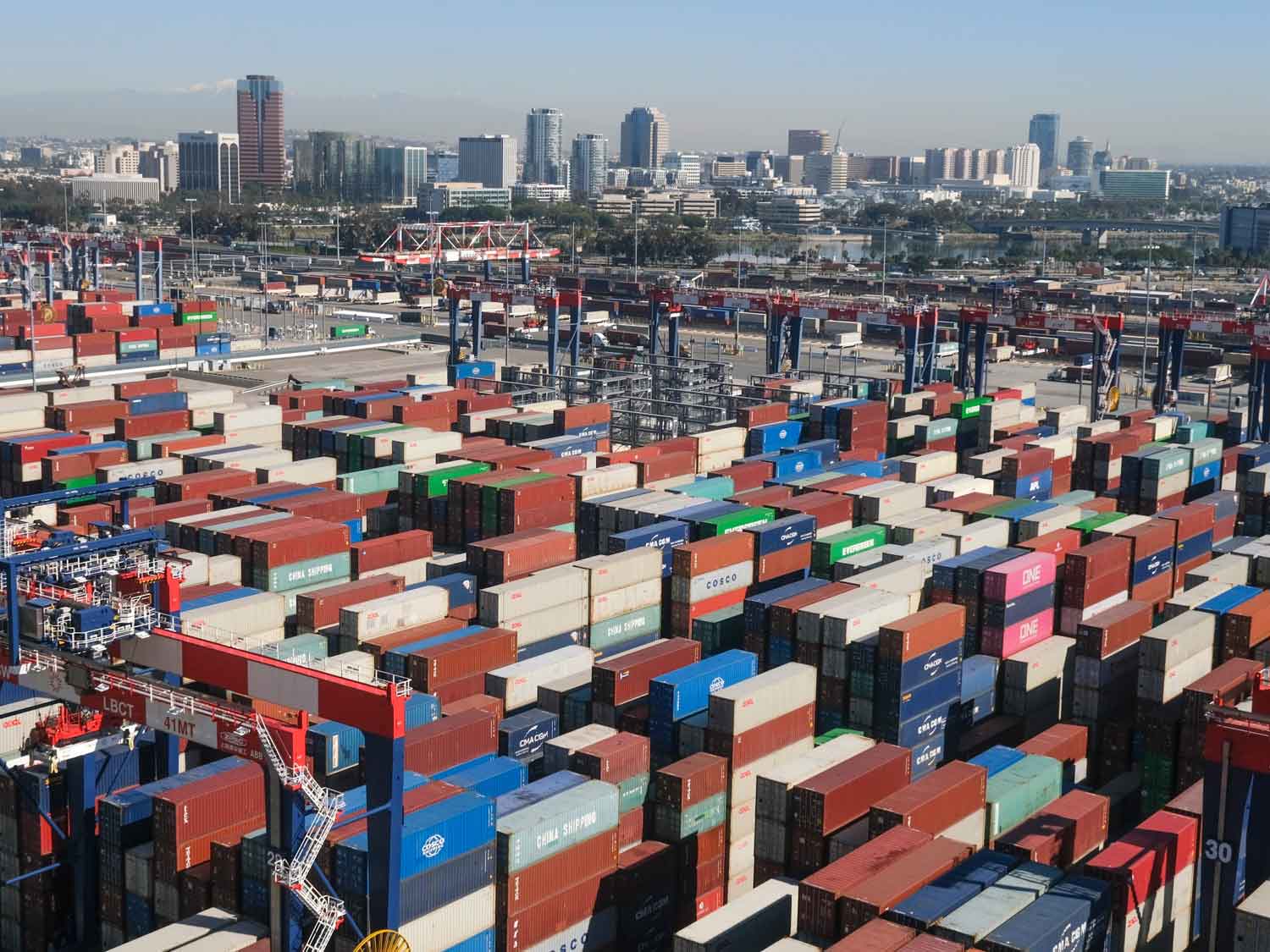
What began as a wave of tariff-driven front-loading has evolved into a broader restocking cycle, keeping container demand elevated, supporting transpacific freight rates and placing increasing pressure on inland transport networks.

While additional vessel capacity is now arriving on some Asia-US services, demand continues to outpace available space on many routes. At the same time, growing cargo volumes moving through major ports are driving higher trucking costs and creating fresh challenges beyond the quayside.

US importers accelerated purchasing during late spring to secure inventory ahead of anticipated tariff changes and higher fuel-related shipping costs. Those earlier buying decisions brought the traditional peak season forward, but stronger-than-expected consumer demand has also forced many retailers to continue replenishing inventories.

Imports from Asia finished the second quarter around 13% higher MoM, reflecting continued confidence in consumer spending despite ongoing trade uncertainty. Booking windows have consequently lengthened, with many importers now securing vessel space several weeks before departure to reduce the risk of delays. 

Although some of the initial front-loading may begin to ease later in the summer, inventory rebuilding is expected to continue supporting healthy cargo volumes well into the third quarter.

Freight rates remain elevated despite more capacity

Spot pricing on both East and West Coast routes has increased by between 70% and 100% over a short period, pushing the market close to multi-year highs. Carriers have continued to layer on general rate increases and peak season surcharges, capitalising on sustained booking pressure.

There are, however, early signs that market conditions may begin to diverge between US coasts.

Additional weekly services, extra-loader vessels and increased deployment are boosting capacity into the US West Coast during July and August. This could gradually ease pressure on west coast pricing if import demand begins to moderate.

The US East Coast presents a different picture. With fewer opportunities to introduce additional vessel strings, available space remains considerably tighter and freight rates are expected to stay firmer for longer, particularly while retailers continue replenishing inventories. 

For shippers, securing capacity early remains the most effective way of protecting supply chain reliability.

Congestion is moving beyond the ports

Higher container volumes moving through ports, rail terminals, distribution centres and warehouses have increased demand for domestic transport capacity, particularly around major gateway locations.

Spot road freight rates have risen sharply on port-related corridors, increasing by around 23% around Savannah and by approximately 12% around both Houston and Los Angeles compared with a year ago. Carriers are also reporting stronger freight demand from both existing and new customers as imported goods move deeper into domestic supply chains. 

The result is a tightening truckload market where inland transport is becoming just as important as securing ocean capacity.

Short-term expectations

There are signals that the initial wave of front-loading will begin to slow toward late July. At the same time, increasing vessel capacity should start to rebalance supply and demand, particularly on the West Coast.

However, several factors could extend the strength of the market:

  • Continued retail restocking into late summer
  • Strong underlying consumer demand
  • Persistent inland congestion and capacity constraints
  • Ongoing geopolitical cost pressures, particularly linked to fuel

Taken together, this points to a market that may soften, but not collapse.

For US importers, the challenge is no longer limited to securing ocean space, their focus must shift to end-to-end execution. Booking earlier to secure vessel space, planning inland transport and managing inventory flows to avoid congestion at destination.

Partner with Metro across the US supply chain

Metro combines global ocean freight expertise with a rapidly expanding US network to deliver fully integrated supply chain solutions from origin to final destination. Our growing presence across North America, supported by experienced local teams, enables us to coordinate ocean freight, customs clearance, inland trucking, rail distribution and warehousing as one seamless operation.

Whether you're importing through the West Coast, Gulf or East Coast, Metro provides the local knowledge, carrier relationships and nationwide capability to keep your cargo moving when markets are under pressure.

To discuss your Asia-US shipping requirements and discover how Metro can strengthen your North American supply chain, EMAIL Andrew Smith, Metro’s Managing Director.

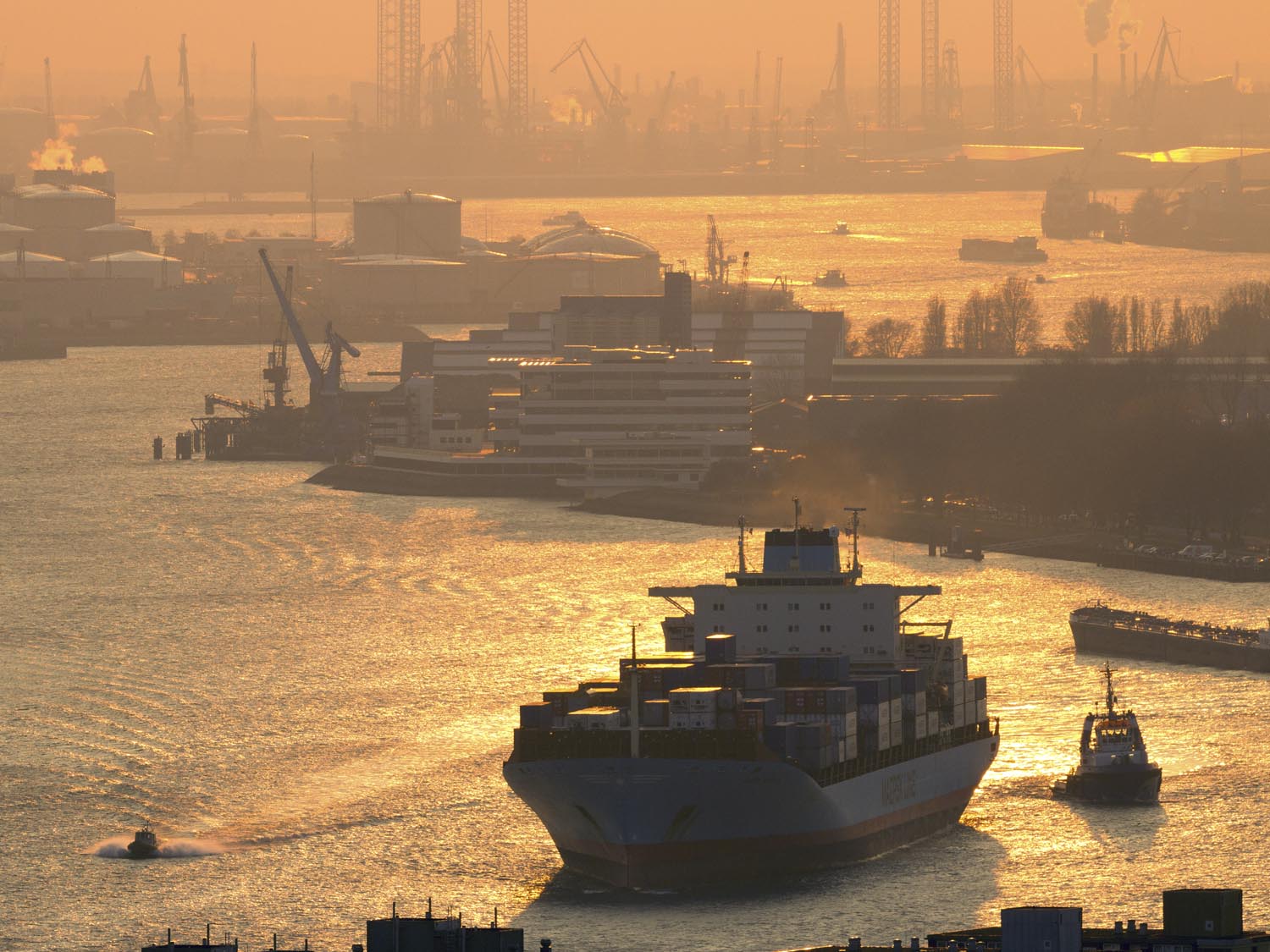
Rotterdam sunset

Port congestion spreads as delays ripple through global supply chains

Port congestion in North Europe and East Asia is increasingly a two-ended problem: weather and capacity issues at origin delay departures, and when those same vessels finally reach port in Europe, they miss their planned berths and are forced to wait again, magnifying disruption throughout supply chains.

Congestion across key container gateways in Asia and Northern Europe is once again creating significant disruption with delays at Shanghai, Ningbo, Rotterdam and Antwerp increasingly feeding into one another and extending transit uncertainty across the entire east-west trade.

While individual delays at a single port are not unusual during peak season, the current challenge is the growing “cascade effect” developing across vessel schedules, inland transport networks and terminal operations.

In simple terms, disruption at one end of the trade lane is now directly increasing congestion at the other.

Weather disruption and vessel bunching hit China exports

Shanghai and Ningbo are both experiencing elevated congestion levels as heavy seasonal demand combines with poor weather, vessel bunching and continued schedule disruption linked to longer Cape routings.

Dense fog and adverse weather conditions around China’s east coast have already caused berth delays ranging from two to seven days at some Shanghai terminals, while Ningbo is also experiencing extended waiting times and increasing yard density pressure.

The knock-on effect quickly spreads through carrier schedules.

When vessels are delayed departing China, they frequently miss planned arrival windows into Northern Europe. Once that happens, carriers can lose their allocated berth slots, forcing vessels to wait offshore for new availability.

That creates a compounding cycle where both origin and destination ports become congested simultaneously.

Container equipment shortages are also worsening across major Asian export hubs as carriers struggle to reposition empty containers back into loading ports quickly enough to meet demand.

Rotterdam and Antwerp under mounting pressure

Northern Europe’s largest container hubs are now facing growing operational strain as delayed vessel arrivals collide with already congested inland transport networks.

Rotterdam and Antwerp are both reporting severe inland barge disruption, with waiting times regularly stretching towards four days. Yard utilisation remains extremely high across several terminals, while reduced crane availability, feeder delays and weather-related stoppages continue limiting operational fluidity.

Strong winds across Northern Europe have added further intermittent disruption, particularly at Antwerp, where terminals are struggling with vessel bunching and rising container dwell times.

The challenge extends far beyond the quayside.

As terminals prioritise delayed deep-sea vessels, inland barges often face secondary status within the operational flow, creating additional delays for hinterland cargo movement. In some cases, containers are remaining on terminals significantly longer than operationally ideal, increasing storage pressure and reducing yard efficiency.

Road and rail networks are also coming under increasing pressure as shippers divert cargo away from delayed barge services to avoid demurrage, detention and missed supply chain deadlines.

Inland transport disruption adds to the congestion cycle

The wider Northern European inland network is also becoming increasingly fragile.

Rail disruption across Germany, including infrastructure works, route closures and operational bottlenecks around Hamburg, is further complicating cargo flows into and out of the ports. Delayed trains, missed vessel connections and network overload are creating additional uncertainty for importers trying to maintain reliable inventory flows during an already volatile peak season environment.

This means delays are no longer isolated to one transport mode.

A weather delay in China can now create missed vessel berthing windows in Europe, which then impacts inland barges, rail schedules, feeder services and final cargo delivery timelines across multiple countries.

What this means for shippers

The current market reinforces how interconnected global container networks have become.

Longer transit times around the Cape of Good Hope have already reduced schedule reliability, while peak season demand and equipment shortages are tightening operational flexibility across both Asia and Europe.

For shippers, this creates growing importance around earlier booking windows, flexible inland transport planning and close coordination across origin, ocean and destination operations.

Importers moving time-sensitive cargo may increasingly need contingency planning around rail, road and barge options as congestion conditions continue evolving across Northern Europe during the summer peak period.

Metro combines global ocean freight expertise, proactive shipment management and integrated inland transport coordination to help customers minimise disruption and maintain cargo flow during volatile market conditions.

To discuss your supply chain planning, routing options or congestion mitigation strategies, EMAIL Managing Director Andrew Smith.

container lorry queue

Capacity tightens and rates surge as peak season pressure builds

Asia–Europe and transpacific market conditions have shifted sharply in recent weeks, as strong demand tightens available space and enables carriers to push through higher spot rates and surcharges, even on shipments moving under long-term contracts.

Recent index data shows steady week-on-week gains, but forward indicators suggest a much steeper rise ahead. Pricing for early June shipments is already high and market signals indicate that rates could climb as high as $6,000–$7,000 per 40ft in the coming weeks, particularly as space tightens in the second half of June.

This demand spike is being driven by large-volume shippers accelerating shipments ahead of new bunker adjustment factors (BAFs) due to take effect from 1 July. These revised fuel charges are expected to increase significantly, prompting a surge in June volumes that is now placing further strain on capacity.

At the same time, carriers are increasing peak season surcharges (PSS) and signalling ongoing reviews. Initial increases are already being implemented in early June, with further upward revisions likely through the summer. Importantly, these surcharges are not being capped, creating continued upward pressure.

On the transpacific, the situation is following a similar trajectory. Capacity reductions, most notably the withdrawal of a key Asia–US East Coast service, have tightened supply, while carriers are taking a more aggressive stance on rate increases. Although recent index movements have been moderate, multiple general rate increases (GRIs) have been announced for June, pointing to a much firmer market ahead.

Contract conditions are also shifting. Previously available rate offers are being withdrawn or replaced with higher-priced agreements, and in some cases, revised terms are becoming commercially unviable. Across both major east–west trades, current expectations are that elevated rate levels and constrained space will persist through June and July, with the potential to extend into August.

For shippers, this creates a highly compressed and competitive freight environment. Securing space is becoming increasingly dependent on rate acceptance, and delays in booking or pricing decisions are likely to result in higher costs or missed sailings.

Metro’s Advice

If you have upcoming shipments, early planning and rapid booking decisions are critical.

  • Expect continued upward pressure on both spot and contract rates through June and into July
  • Allow for additional surcharges, particularly PSS and revised fuel costs
  • Plan for reduced flexibility, with limited space availability on key sailings
  • Anticipate further volatility as carriers adjust pricing in line with demand

Metro’s teams are actively monitoring capacity, pricing movements, and carrier strategies to secure the best possible options for our customers.

Contact your Metro account manager today to review your shipping forecast, secure space, and minimise cost exposure in an increasingly constrained market.

This story was first reported in The Loadstar and can be viewed HERE