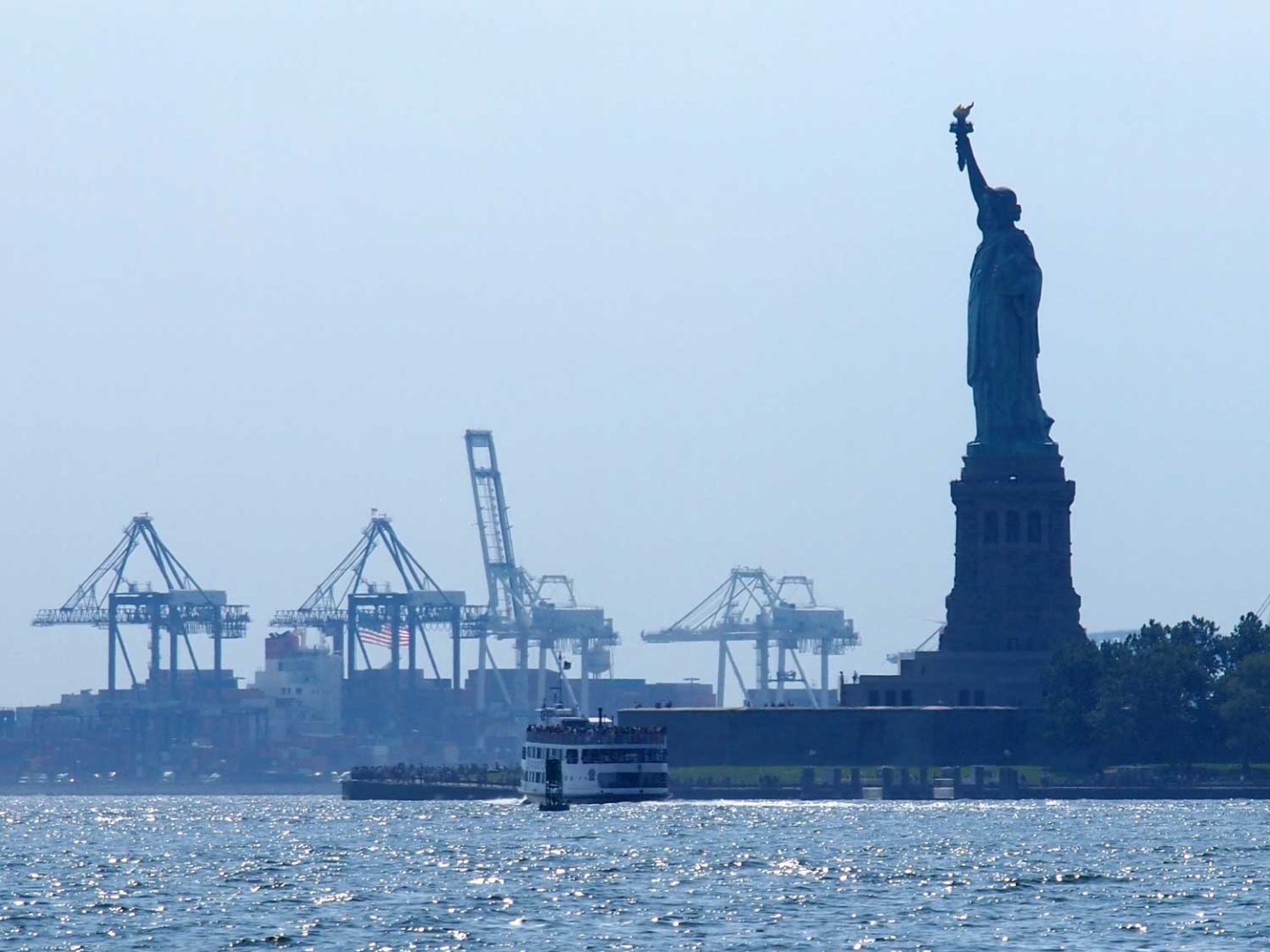
New York port 1440x1080 1

TPM and US review

Organised by the Journal of Commerce, TPM (Transpacific Maritime Conference) is the premier global shipping and supply chain conference, attracting senior executives from all areas of the industry.

Held annually in the port city of Long Beach, California, TPM brings together shippers, carriers, freight forwarders, intermodal operators and technology providers to discuss the most pressing global challenges and developments, for a week of essential networking, seminars, and relationship building.

With over one hundred presentations, interactive speaker sessions and networking events, and almost two hundred speakers, including leaders from the largest brands and carriers on the planet, TPM really is in a league of its own.

Metro’s Chief Commercial Officer, Andrew Smith, joined this year’s conference, to participate in TPM’s insightful panels and forward-thinking discussions to explore the global dynamics and challenges impacting ocean supply chains.

Andrew said “It was important to take the opportunity to travel out to Long Beach for TPM as part of my recent visit to the United States, to meet key customers, partners and carriers. It was a full on trip, encompassing seven cities across the country in just over a week, and the time spent talking to customers in particular was invaluable”.

“The Red Sea crisis was obviously a major talking point among delegates and in particular how to manage a situation which appears to have no immediate solution and is likely to continue for the foreseeable future.”

“TPM was as interesting and insightful as always and I think the key takeaways are well-worth sharing.”

“Keynote speaker Robert Gates, the former CIA director, painted a picture of a world where increasing local conflicts should be anticipated and with the global geopolitical landscape the most challenging it has been for decades, preparedness for future supply chain disruption is essential.”

“In this environment it is perhaps natural that so many shippers are looking at de-risking their supply chains. Resilience and flexibility are at the core of de-risking, with initiatives such as multi-carrier programmes, sourcing diversification, re-shoring and near-shoring.”

“Another takeaway worth highlighting is that despite all the current operational challenges, sustainability still remains top of the agenda for carriers and major shippers, and the TPM programmes reflected this, with nearly a third of the scheduled events featuring environmental, transformation and sustainability issues.”

“My visit to the United States, alongside Metro colleagues regular trips, reiterate our focus and commitment to this important market. This focus will continue and ramp-up further with a new route development role created to expand both customer and partner engagement.”

“To discover how we can support your Transpacific or Transatlantic trade needs, or to discuss any of the issues highlighted here, please reach out to me directly via EMAIL.”
vessels at anchor 1440x1080 1

Research uncovers scale of Red Sea disruption

New research by the British Chambers of Commerce (BCC) has found that over half of importing manufacturers and retailers (53%) have been impacted by the disruption to shipping caused by the Red Sea crisis, with over half of exporters (55%) also experiencing increased costs and delays.

The issues highlighted by responding firms included increased costs of up to 300% for shipping, with transit delays adding up to three to four weeks to delivery times. Knock-on effects include cashflow difficulties and component shortages on production lines.

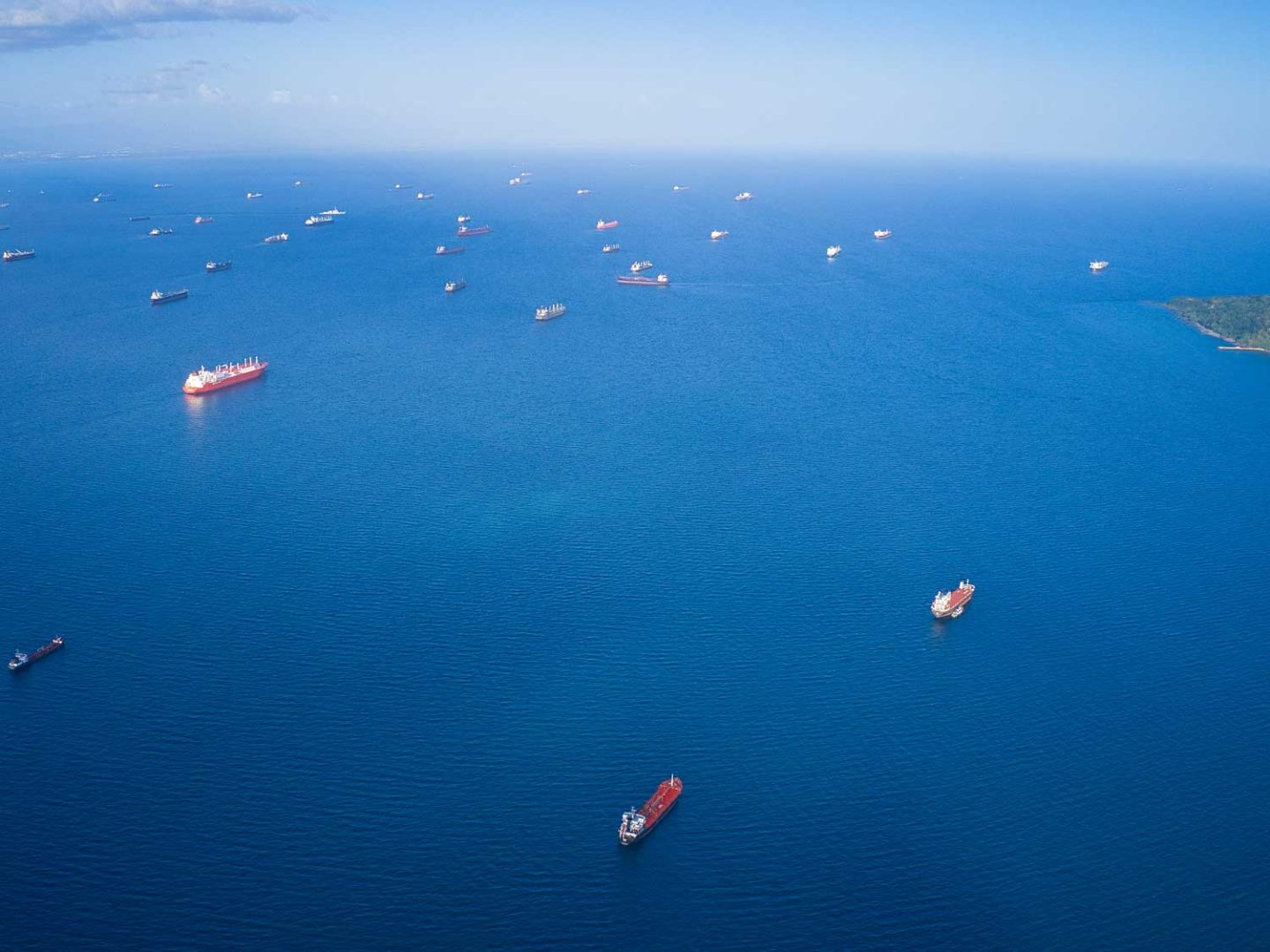
With a record-high new container ship order-book and constrained consumer demand in many markets, the container shipping sector has had ample spare capacity to respond to the challenge of diverting vessels around the southern top of Africa.

The Red Sea transit to the Suez Canal is the fastest sea route between Asia and Europe, but all the major container shipping lines have diverted vessels to the much longer route around Africa’s Cape of Good Hope, increasing costs and creating delays.

Recent ONS data suggest the ‘Red Sea effect’ has yet to filter through to the UK economy, with inflation holding steady in January. However, the longer the current situation persists the more likely it is that the cost pressures will start to build, with some sectors of the economy more exposed than others.

The UK economy saw a drop in its total goods exports for 2023, and with global demand weak, the BCC want the Government to look at providing support in the March Budget, including the establishment of an Exports Council to hone the UK’s trade strategy and a review of government funding for export support.

Week 12 of the Red Sea crisis
The war in Gaza, which according to the Houthis is the reason for their attacks on commercial shipping, shows no sign of abating and on Monday the Rubymar finally sank, the first total loss in the Houthis campaign.

Vessel schedule reliability data for January 2024 confirmed that global reliability dropped sharply due to the Red Sea impact and only slightly more than half of vessels arrived on time, compared to pre-pandemic normality of 70-80%.

Geopolitical risk
The wars in the Middle East and Ukraine are threatening flows of grain, oil and consumer goods, with climate change disrupting the Panama Canal and growing geopolitical tensions are making international supply chains ever more complex.

The World Economic Forum’s Global Risks Report (GRPS) for 2024 highlights how geopolitical tensions in multiple regions is contributing to an unstable global order, eroding trust and security.

GRPS 2024 results highlight a predominantly negative outlook for the world over the next two years, that is expected to worsen over the next decade, with supply chain disruption ranked 19th of severe global risks in the short term (2 years) and 25th for the long term (10 years).

Over the next two years, attention is likely to be focused on the war in Ukraine, the Israel-Gaza conflict and tensions over Taiwan, with any escalation likely to disrupt global supply chains.

All three areas stand at a geopolitical crossroads, where major powers have vested interests: oil and trade routes in the Middle East, stability and the balance of power in Eastern Europe, and advanced technological supply chains in East Asia.

If you have any questions or concerns about the impact of the Suez situation on your Asia supply chain, or would like to discuss its wider global implications, please EMAIL our Chief Commercial Officer, Andy Smith.

Panama COSCO ship

Transpacific container shipping

If we were to try and define a single factor that defined transpacific container shipping (along with most other routes) in 2023, it would probably be shipper complacency brought about by the rebalancing and normalisation of supply chains, following the unprecedented disruption of the COVID years. 

However, ‘normal’ tends have a very limited span in shipping, and the next cycle of disruption is never far away. 

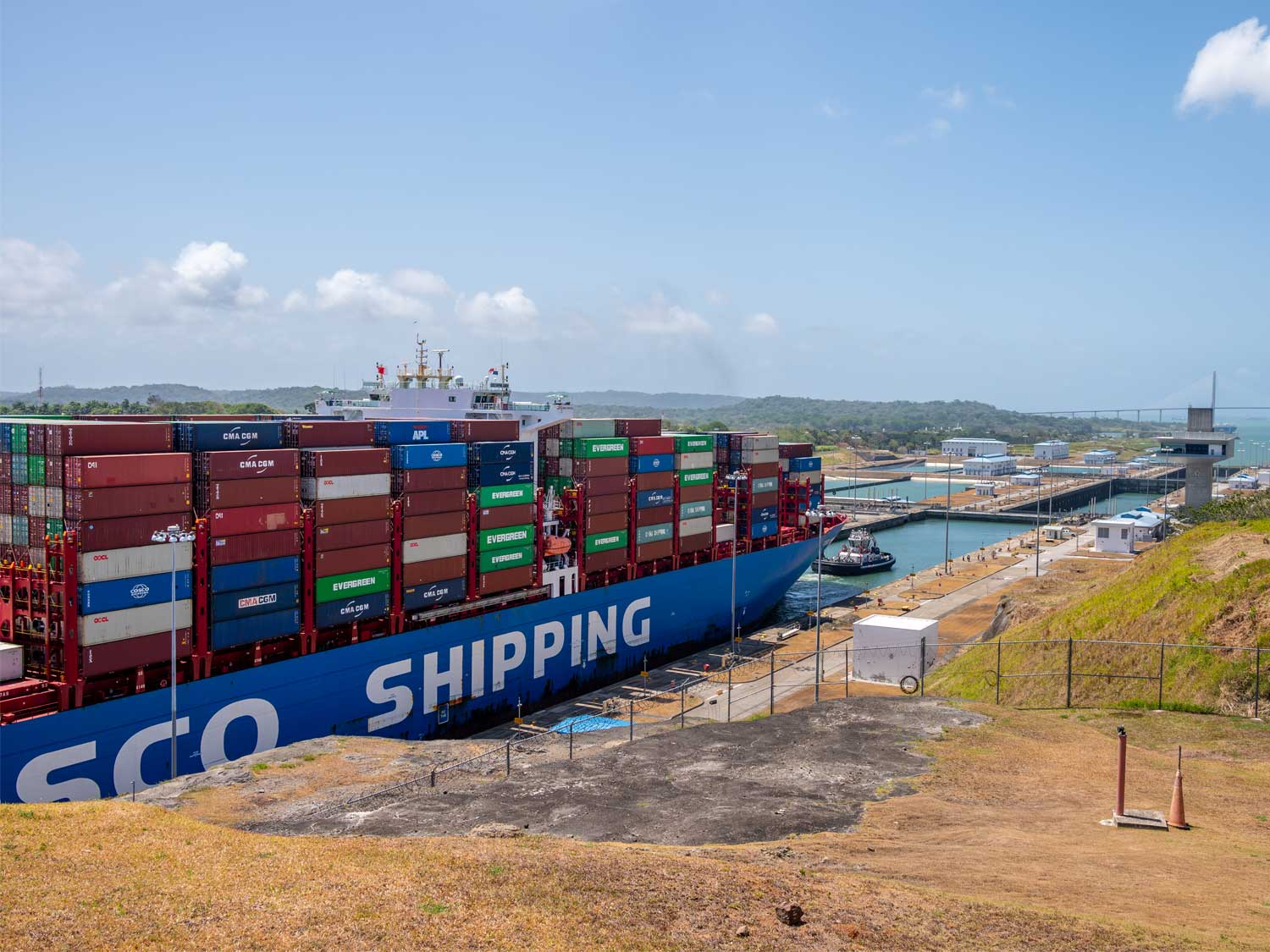
The first warning signs began to emerge last summer when the Panama Canal Authority first began to restrict canal transits due to the historic drought impacting Central America. 

Then in December the Red Sea Crisis first made headlines and within a matter of weeks hundreds of container ships were forced to divert away from the Suez Canal routing to avoid attacks by Houthi rebels off the western coast of Yemen. 

The resulting diversion around southern Africa’s Cape of Good Hope has absorbed much of the capacity carriers had laid up during the lull, delayed cargo deliveries, and doubled rates on some lanes, while also prompting carriers to implement war-risk and other surcharges. 

Cooling spot market
Spot rates from the Far East into the US have softened since the last round of GRIs at the start of February, with FAK rates into both the West Coast and East Coast falling slightly, but remaining at very elevated levels.

But a cooling spot market doesn’t mean the crisis is over, with spot rates from the Far East to the US West Coast still almost 200% higher than the end of 2023, with East Coast rates  up 140% and the shipping lines will be doing everything they can to make the latest mid-February GRIs stick.

How long the Red Sea disruption will continue is unknown, but it’s likely that shippers will face pressure on prices and disruption through the first half of 2024. 

Uncertainty and unease
While the Panama Canal situation did not result in excessive delays during H2 2023, it has created disruption and added cost, encouraging many US importers to seek East Coast services and/or overland rail connections from the West Coast.

And now we learn that, with the drought continuing, water levels in the reservoir that feeds the operation of the Panama Canal will sink below the record low levels seen last year – around 8ft lower than ideal for safe navigation.

If established rainfall trends hold, reservoir water levels will fall well below last year’s record lows, forcing limits on the number of vessels that use the canal, restrictions on vessel utilisations and surcharges of some 6.5%.

Add to that the uncertainty surrounding labour negotiations that will begin in the spring on a new longshore contract on the East and Gulf coasts, and 2024 is shaping up to be a year of great unease for transpacific shippers.

If you have any questions or concerns about the issues raised in this article, we can review your situation and explain your options, including alternative carriers, ports and routes.

To discover how we can support your transpacific or transatlantic trade, or to learn more about our ocean solutions, please EMAIL Metro’s Chief Commercial Officer, Andy Smith. 

China car factory parking lot

China dumping fears growing

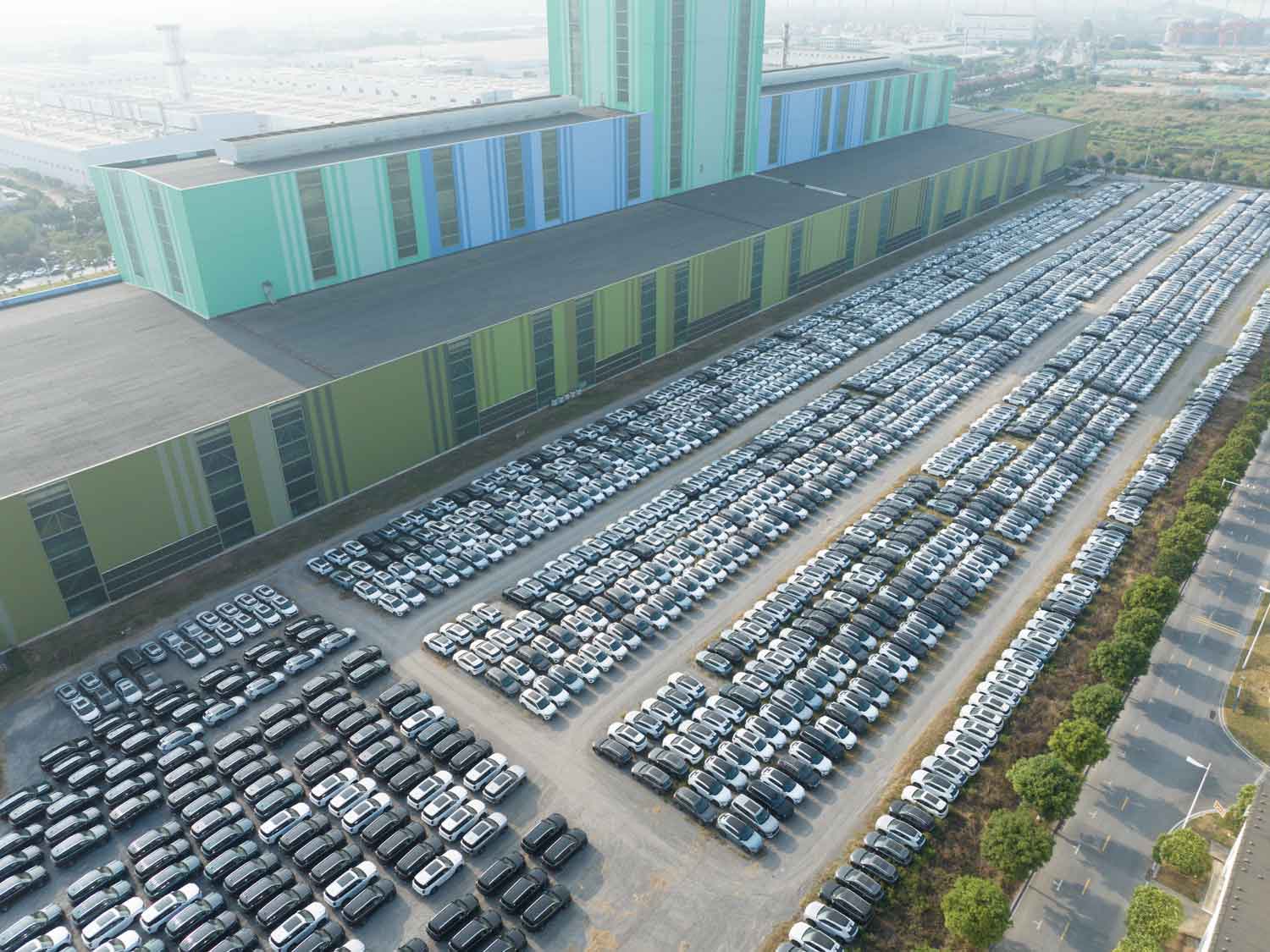
The United States is voicing increasing concerns that Chinese manufacturing overcapacity will hit world markets, while the EU launched an anti-dumping investigation into China’s EV industry last year.

Senior US Treasury officials told the Financial Times this week that a visiting US delegation made its concerns clear that Chinese policies are focused on supply and that overcapacity will hit world markets.

The US is most concerned about advanced manufacturing and clean energy sectors such as electric vehicles, solar panels and lithium-ion batteries, while the EU has already launched its own anti-subsidy probe into imports of Chinese electric vehicles.

Chinese brands exported 280,000 vehicles to the EU in the first ten months of last year, with BYD, China’s biggest EV maker, selling 526,400 EVs globally last year. Yet the carmaker wants to increase its sales in Europe to 10% of global volumes by 2030, equal to 800,000 vehicles a year.

Elon Musk has already gone on record to say that China’s EVs are extremely good and that if there are no trade barriers established, they will pretty much demolish most other car companies in the world.

However, exports from China have been affected by RoRo capacity shortages, with BYD among the manufacturers that have commissioned their own RoRo vessels.

The EU launched its anti-subsidy probe into China’s EV industry last year, alongside several other investigations into allegedly unfair Chinese trade practices, including punitive tariffs on imports of plastic for bottles and opening a probe into suspected dumping of biofuel.

China has launched reciprocal anti-dumping investigations and their commerce ministry this month announced plans to support the healthy development of overseas EV expansion, with BYD planning to build an assembly plant in Hungary.

The Chinese point to the fact that the US Inflation Reduction Act makes it cost-prohibitive to import Chinese lithium batteries and EVs, while nearly one-third of Chinese EV exports last year were cars of Elon Musk’s US company Tesla, produced at its factory in Shanghai.

And while US Treasury secretary Janet Yellen is expected to raise Chinese overcapacity with her G20 counterparts when they meet in São Paulo later this month, western manufacturers are facing US pressure to sever links with China following claims of forced labour in its supply chain.

US Customs impounded several thousand new VW vehicles because a Chinese subcomponent is alleged to have been manufactured in breach of forced labour laws.

And while we have seen significant spikes in demand from Thailand and Vietnam, with fashion brands in particular diversifying sourcing, there is still a huge proportion of the global supply chain reliant on China.

While leading global brands including Apple, Samsung, Sony and Adidas have shifted some production out of China, it only represents an incremental shift and it is clear that they are not leaving the region.

We continue to monitor the diversifying growth in production around south-east Asian countries, Latin America and EMEA, to support our customers’ diversification and sourcing strategies.

We have fixed price and long-term global capacity agreements in place with sea and air carrier partners, to support all your sourcing requirements with resilient, consistent and reliable supply chain solutions.

Our cloud-based supply chain management platform, MVT, simplifies global sourcing and vendor management, by making every milestone and participant in the supply chain transparent and controllable, down to individual SKU level.

EMAIL Andrew Smith to review our current freight profile movements to and from China and Asia.