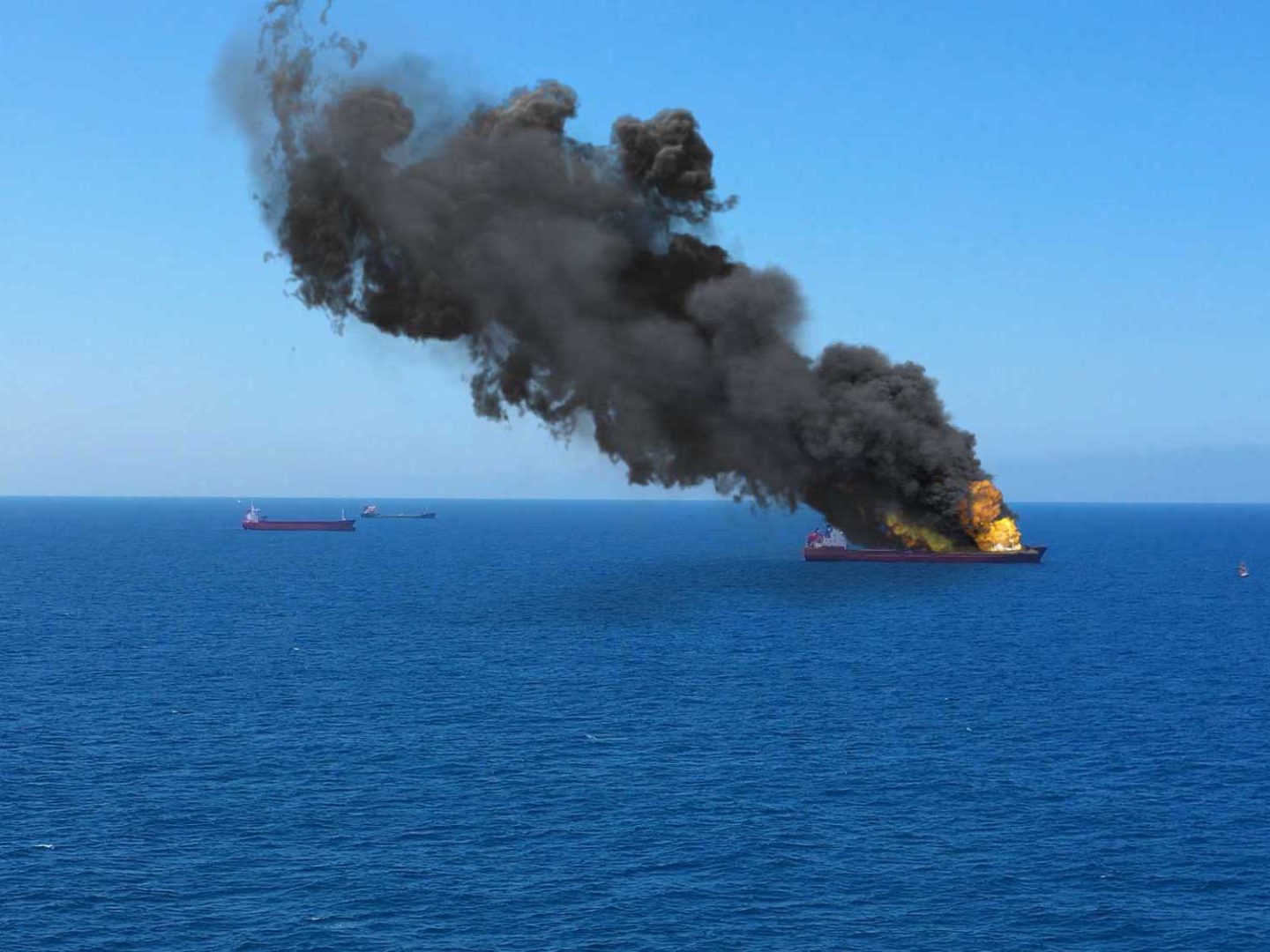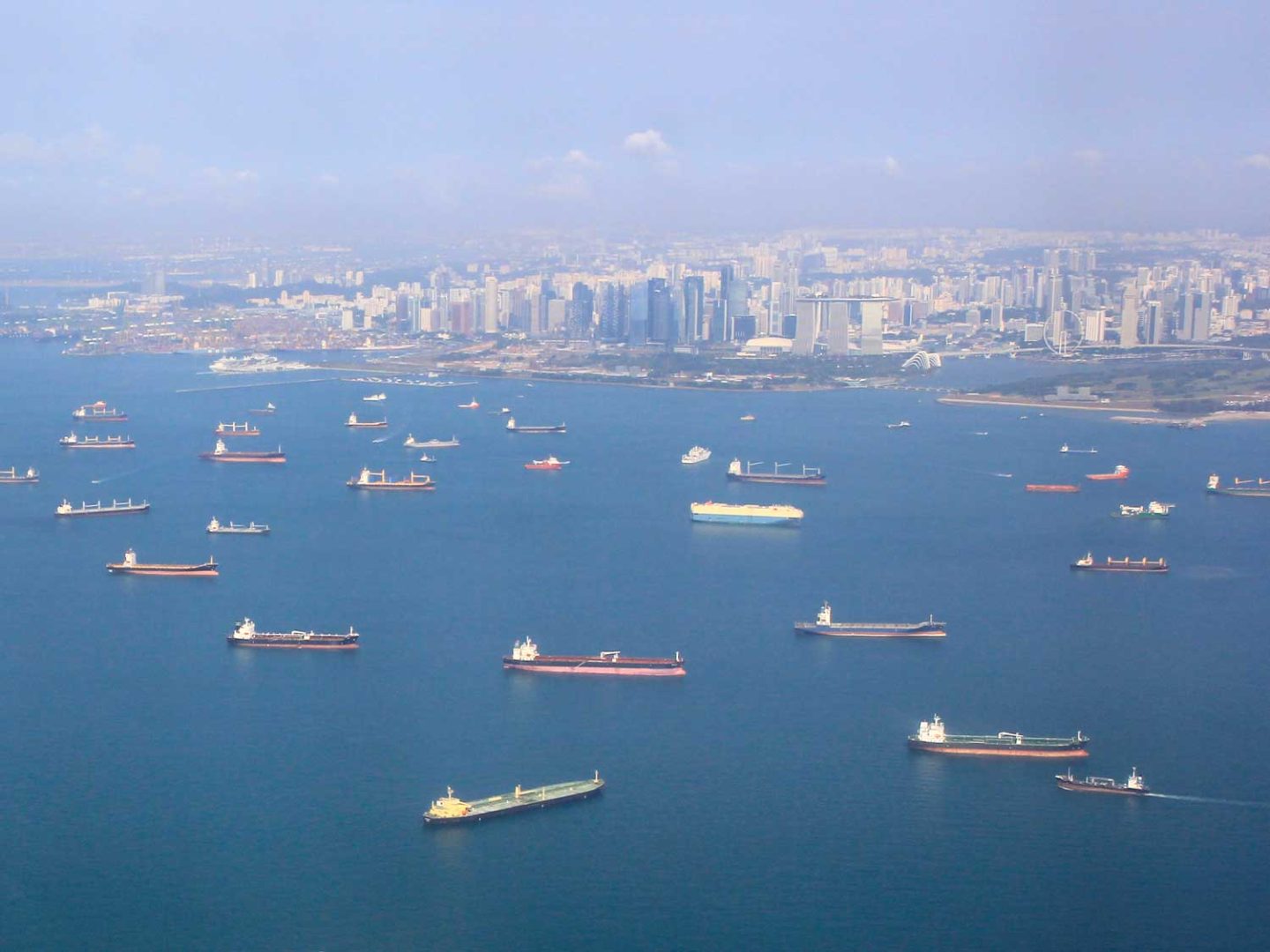
Sea Air aerial

Asia westbound market update

Air and sea freight from Asia continues to demonstrate remarkable resilience and growth, fuelled by robust demand, strategic capacity management, and dynamic trade routes, with India recording significant increases, driven by pro-industry government initiatives, eCommerce, and manufacturing growth.

Air Freight
The latest data from the International Air Transport Association (IATA) for June highlights significant demand for airfreight out of Asia, which has continued, potentially extending well into 2025, fuelled by sustained eCommerce demand.

For exports from the Asia-Pacific region, the World ACD index reported a 25% year-on-year increase, with Asia-Pacific to US shipments up by 67%. However, China-US tonnage declined by 8%, with China-Los Angeles experiencing a 23% drop, marking a three-month trend of decline.

Despite the LA drop, airfreight has largely remained impervious to political and economic challenges, with US customs crackdowns on eCommerce deliveries from China not dampening the market.

India’s air cargo market is particularly bullish. Total volumes at Indian airports in Q2 2024 rose by 14% year-on-year, with international flows up 20%. This growth can be partly attributed to a modal shift from widely disrupted ocean services due to the Red Sea crisis, especially for urgent or time-sensitive shipments. 

Sea Freight
As we progress through the traditional container shipping peak season, analysing demand, prices, planned levels of blank sailings and capacity deployment provides valuable insights into carriers’ confidence in the 2024 peak season.

Ex Asia freight rates are anticipated to stay high until the end of the peak season, at least until the Golden Week, while strong increases in outbound demand from India have led to increased rates and equipment shortages.

For the Asia-North America West Coast route, carriers have planned to blank 4% of capacity, similar to pre-pandemic averages and 2020 levels. This is significantly lower than during the pandemic years when blank sailings were forced due to port congestion.

Capacity growth for the same period in 2024 is set to be 25% higher than in 2023, and 10% higher than in 2020, which saw peak capacity deployed in terms of TEUs. This strong capacity growth and relatively low level of blank sailings suggest that carriers are optimistic about the peak season.

On the Asia-North Europe route, the planned blanked capacity is 6% for the next 10 weeks, slightly higher than in 2020 and pre-pandemic averages, but not by much. There is no year-on-year growth in deployed capacity for 2024. However, in 2023, the trade saw a 13% year-on-year capacity growth, which was high compared to historical averages and exceeded the demand levels at that time.

The willingness of carriers to maintain this elevated capacity level in 2024, along with the relatively low number of blank sailings, indicates a strong and confident outlook.

However, with ocean supply chains still under significant pressure, concerns remain about a capacity crunch in the coming months, especially if disruptions such as the ILA East Coast strikes and China tariffs occur. Carriers flor now have opted to keep capacity elevated.

Port Congestion
The latest port congestion data reveals extensive dwell times as the Red Sea crisis continues to impact operations. The top five congested ports globally include Durban with an average 8 day wait time, Ningbo with 6 days, Vancouver with 4 days, Los Angeles with 4 days, and Chittagong which worsens each day.

Over 60% of the South-east Asian ports analysed saw rising congestion over the quarter, while in Europe, 12 of 18 analysed ports reported increases.

Singapore congestion is improving as ships are skipping the port, though Barcelona and Valencia are still congested and there is an ongoing risk of strikes in Hamburg and Bremerhaven.

With ongoing shortages in empty equipment, high vessel utilisation and port congestion, further exacerbated by shippers front-loading to avoid delays, rates are likely to stabilise at high level in the coming months.

The unprecedented demand for ocean freight, combined with ongoing challenges in equipment, capacity, and costs, suggests that the next few months will be complex and potentially turbulent. 

We encourage you to contact us now if you have any urgent or high-priority orders on the horizon. Sharing your shipping forecasts with us will enable us to secure space on the best services to meet your deadlines and at the most competitive rates.

To discover how we can enhance your ocean freight solutions, please EMAIL our Chief Commercial Officer, Andy Smith.

LA an d Long Beach

US market update: Navigating high demand and looming strikes

Shippers in the US are currently navigating a particularly challenging landscape, marked by elevated air cargo demand and looming threats of labour strikes on the East and Gulf coasts.

Air Cargo
Air cargo on the main trade lanes out of Asia remains in peak season mode. The situation is driven by distressed cargo from the Red Sea and sustained eCommerce demand, keeping spot rates high. The recent global IT outage at Microsoft, which caused massive flight delays, cancellations, and cargo backlogs, did not significantly impact the air freight market. Cargo load factors returned to normal levels within ten days.

Air freight rates from Shanghai to North America are currently 25% higher than last year. Growth in air cargo demand is expected to continue into August and September, with potential for further increases if the peak season extends into the fourth quarter.

Sea freight and the threat of East and Gulf coast strikes
The International Longshoremen’s Association (ILA) is seeking an 80% wage increase over its next six-year contract with maritime employers on the East and Gulf coasts. The ILA has issued a 60-day strike notice to the United States Maritime Alliance (USMX), warning of strike action by its 45,000 members if a new deal is not reached before the current contract expires at the end of September.

The ILA’s wage demand is significantly higher than previous agreements and follows other union victories in contract negotiations. Shippers using container ports along the US East and Gulf coasts have limited options if the ILA begins strike action on 1st October. Importers are advised to front-load cargo to these ports as outbound capacity from Asia has been tight for several weeks. Space on vessels needs to be booked immediately to ensure arrival by 30th September.

Canadian routings for inbound cargo are increasingly uncertain due to the threat of a country-wide rail strike, while diversions through Mexico present significant logistical challenges, including limited vessel space. Short ILA stoppages can be managed with East Coast ports capable of clearing backlogs quickly. However, prolonged stoppages of a week or more could take a month to recover from, causing widespread disruption.

Diverting services to avoid the US East and Gulf coasts poses its own challenges. West Coast capacity and container equipment shortages are likely to worsen, with US imports expected to increase by 14% year-on-year in August and resilient consumer spending maintaining demand. The current rate differential between East and West coasts is the widest since October 2022 but is expected to narrow as East Coast spot rates decline ahead of the potential ILA strike.

Carriers are booked through mid-August to the East Coast, keeping rates high at least for the next few weeks. However, this will change rapidly if the ILA takes action. Spot rates to the West, East, or Gulf coasts are unlikely to fluctuate significantly in the event there is no ILA strike. Additionally, no significant drop in rates is expected during the traditionally slow months of November and December.

Canadian Railways and unions resume contract talks
Canadian National Railway and Canadian Pacific Kansas City have resumed separate contract talks with the Teamsters Canada Rail Conference, representing nearly 10,000 railroad workers. Negotiations began last November but have yet to produce a new contract to replace the agreement that expired at the end of last year.

The Canada Industrial Relations Board is investigating whether a work stoppage would impact Canadians’ health and safety, with an announcement expected by Friday. While railroad workers cannot legally strike until 72 hours after the board’s ruling, the union has indicated that a work stoppage is likely by the end of August. A strike by Canada’s railroad workers would disrupt the daily movement of more than 900,000 metric tons of goods on Canada’s railways.

The US market is experiencing significant challenges in both air and sea freight sectors. With elevated air cargo demand and potential labour strikes on the East and Gulf coasts, strategic planning is more crucial than ever for shippers.

We are here to keep you informed and act proactively to help you navigate these turbulent times, ensuring the smooth movement of goods through your supply chain.

If you have concerns about potential ILA strike action, we can assess your situation and, if necessary, develop contingency plans to safeguard your import traffic. By exploring alternative access ports and adopting a collaborative approach, we will provide optimal solutions to meet your supply chain needs.

To learn how we can support your trade with the United States or for more information about our ocean solutions, please EMAIL our Chief Commercial Officer, Andy Smith.
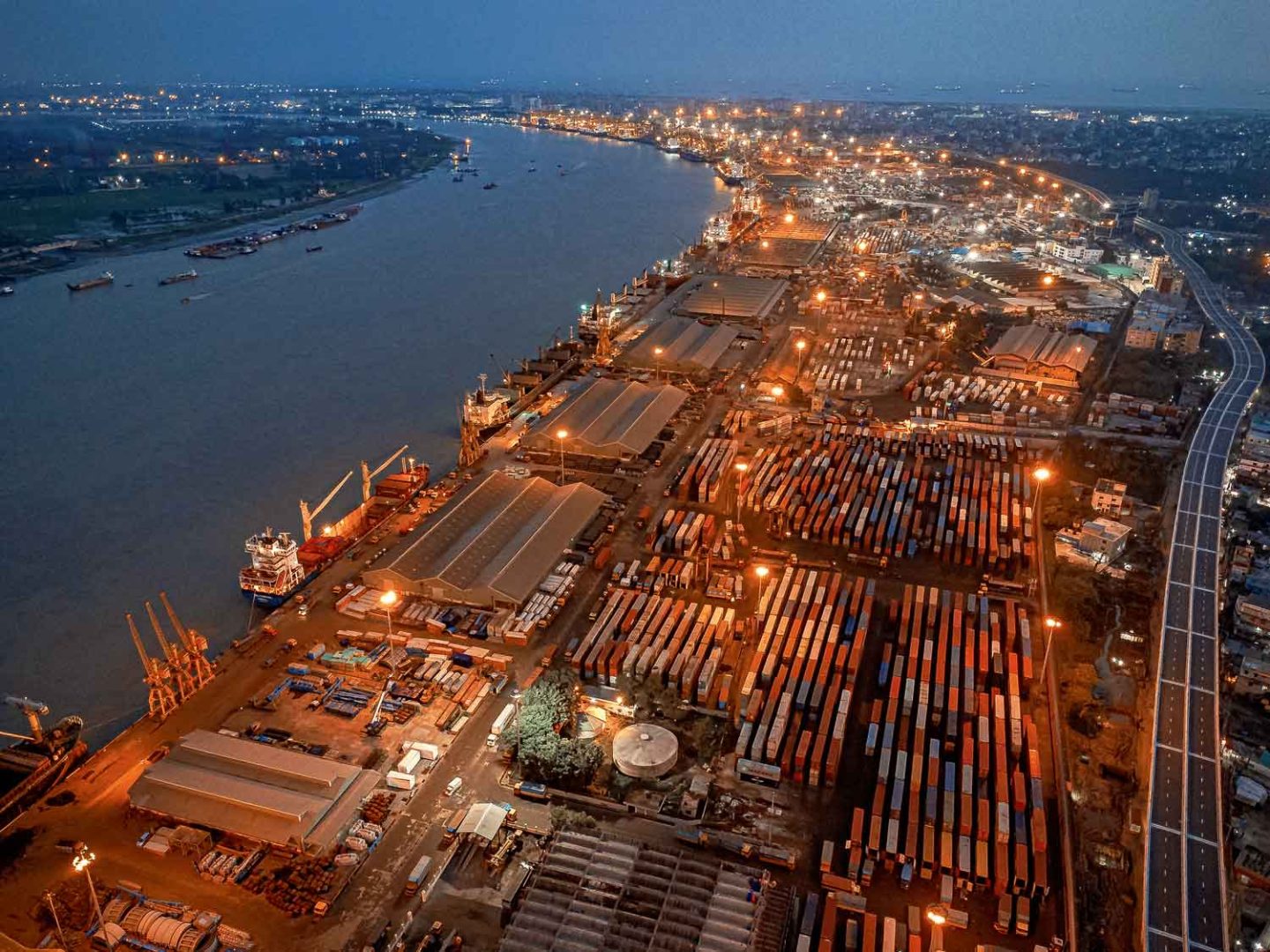
Ellerman boxes

European market review and group developments

The European freight market continues to face a complex landscape, characterised by fluctuating demand and evolving capacity challenges. In this review, we examine the current state of the road freight market and highlight recent group developments, including the acquisition of a Portuguese intermodal specialist and the launch of a new container shipping service.

Road Freight Market
Despite some positive economic developments, the road freight sector remains challenged by uncertain demand, with no indication of a trend reversal over the summer. This persistent issue is also evident in the capacity trends reported by TIMOCOM’s index. Significant capacity bottlenecks were noted in the first quarter, primarily due to reduced truck fleets.

This trend persisted into the second quarter, with the ratio of freight to cargo space standing at 77:23, dropping further to 73:27 in July, which is typical for the summer months. Despite these challenges, freight rates remain high. Although diesel prices have moderated, other costs, such as driver wages, continue to rise.

The TEG Index tracked a 6% year-on-year increase in haulage prices in July 2023, reflecting the rising costs that hauliers face. This index typically shows prices stalling over the summer before recovering in September, indicating that current trends are in line with historical patterns.

Acquisition of Portuguese Intermodal Specialist
We are pleased to announce the acquisition of Portuguese intermodal specialist KLOG. This acquisition allows us to enhance our intermodal transport capabilities, particularly for customers with significant continental volumes or those aiming to meet decarbonisation targets.

KLOG is renowned for its efficient, reliable, and cost-effective intermodal services to and from the Iberian Peninsula, serving some of Europe’s largest retailers, brands, and manufacturers. Their established rail services to and from Germany and Poland, via hubs in Spain and France, present significant opportunities for shippers trading between Northern Europe and Iberia.

KLOG currently operates two block train departures a week to and from their Portuguese rail hub to Poznan in Poland and Duisburg in Germany, routing via France and Spain. 

These services are complemented by short sea/rail connections. Additionally, four block trains run weekly between Entroncamento (Portugal) and Tarragona (Spain), with a further three block trains operating weekly in Spain between Tarragona, Bilbao, Valladolid, and Sevilla.

A wide range of 45’ equipment is available for all services, including curtain-side, dry container, and refrigerated containers, as well as 20’ ISO tanks. Last-mile delivery and/or collection from the Tarragona hub is available with e-trucks as an option.

Key Benefits:
– 24/7 Control Tower Service
– High rail frequency with daily departures
– Reliable lead-time comparable to road transport
– Sustainable solutions available year-round
– Reduction in truck usage and reliance on scarce driver resources
– CO2 emission reductions of 90% compared to road alternatives

New container shipping service connecting Spain, Portugal, and Northern Europe
Ellerman City Liners, a group container shipping line with over 120 years of history, has introduced a new joint service with CMA CGM, connecting Spain, Portugal, and Northern Europe. This service aims to address ocean freight capacity shortages on key trade lanes, providing speed, service, and certainty to supply chains.

The first vessel of the new iNEX service departed Rotterdam on 9th July 2024. This service enhances efficiency, expands geographical scope, and reduces the carbon footprint for shippers. Operated with two 1,400 TEU vessels, the weekly sailing schedule includes the ports of Cadiz, Setubal, Leixoes, Ferrol, Tilbury, Dunkirk, and Rotterdam.

By working closely with partners Ellerman and KLOG, we are expanding the intermodal options available to our customers, delivering cost-effective and sustainable services as part of our commitment to decarbonising the supply chain.

Metro’s integrated transport services streamline import and export product flows across Europe, North Africa, and Turkey. By combining road, intermodal, and short sea modes, we ensure more efficient cargo transportation, reduced delivery times, and cost savings.

Our extensive partner network, multi-modal transport solutions, and MVT supply chain platforms are designed to meet even the most complex requirements across multiple regions, vendors, and customers.

Discover how we can enhance your trans-continental trading. EMAIL our Chief Commercial Officer, Andrew Smith, to arrange a consultation and scoping discussion.

trailer tear copy 1440x1080 1

Rising lorry thefts prompt calls for government action

The Road Haulage Association (RHA) has urged the government to establish a specific offence for freight crime and to develop more secure truck stops. This call comes in response to organised crime gangs (OCGs) increasingly targeting cargo, with over £1 million worth of goods stolen in a single incident this year.

Funded by the logistics industry, the National Vehicle Crime Intelligence Service (NaVCIS) collaborates with police forces across England and Wales to tackle regional lorry theft issues. An officer from NaVCIS described the situation to the BBC as “serious and organised crime,” explaining that these gangs have a deep understanding of supply chains, surveillance, and policing. They use underground networks to handle large quantities of stolen cargo for substantial sums of money.

OCGs often target motorway service stations and truck stops on major routes and their methods include slashing curtains or using bolt cutters on trailer doors until they find valuable loads. Popular items targeted include alcohol, tobacco, electronics, and clothing, which are then sold online, in wholesalers, backstreet cash-and-carries, car boot sales, and markets.

While precise figures for lorry thefts in the UK are unavailable, NaVCIS reported over 5,000 incidents in 2023, equating to about 14 thefts per day and nearly £70 million in losses. Industry experts believe the real figure could be up to seven times higher. Even unsuccessful theft attempts are costly, with each curtain tear repair costing around £100, ultimately driving up consumer prices as these costs ripple through the supply chain.

The need for secure truck stops
NaVCIS, RHA, hauliers, and drivers all emphasise the need for more secure truck stops and upgrading existing sites’ security measures. Only ten sites have received the Park Mark Freight accreditation, launched by the British Parking Association (BPA) in 2022, which requires extensive security measures such as secure perimeters, CCTV, and on-site security staff.

Despite assessing nearly 50 sites, the BPA has only accredited ten truck stops, claiming these sites experience “zero to little crime”, while the low number of accredited sites is reflective of the generally poor standards of truck stops.

In March, the government announced a joint investment of £16.5 million to provide lorry drivers with more parking spaces, better welfare facilities, and safer rest areas. This investment aims to enhance security and reduce the risk of cargo theft.

Our approach to reducing cargo theft
To mitigate the risk of cargo theft during transit, we operate our own fleet of vehicles, deploy two or three-man crews, and use box trailers. Our drivers are trained to:

– Leave vehicles unattended as little as possible
– Choose well-lit, guarded parking areas
– Inspect vehicles and loads after each stop
– Report any deviations from the route or delivery address
– Avoid discussing the route, destination, or load
– Not pick up hitchhikers

We prioritise the safety of your cargo with secure parking areas and advanced trackers for high-value shipments. However, all types of cargo can be targeted by criminals, and standard carrier liability often falls short of covering actual losses.

Protect your investment with our comprehensive All Risk insurance. Metro partners with leading providers to offer All Risk marine insurance, ensuring your cargo is safeguarded throughout transportation and storage, available per-shipment or annually.

For more information on our marine insurance and how to protect your cargo, EMAIL Laurence Burford, CFO at our Birmingham HQ.