Paris grandstand 1440x1080 1

Summer 2024; France supply chain alert

This summer, a number of large-scale sporting events are likely to create some supply chain disruption, with the Olympic and Paralympic Games taking place in Paris between the 26th of July to the 11th of August, and the 28th of August to the 8th of September.

The Paris 2024 Olympic Games, which begin on the 26th July, will take place in 36 locations and are expected to attract about 13.5 million people, with parts of Paris closed off and drivers expected to gain access through online applications.

We are following the situation closely with our French partners, but it is inevitable that the current installation of infrastructure, movement of athletes and visitors and the subsequent dismantling and clearing of temporary traffic routes to the end of October, will require widespread access restrictions to routes in Paris and the wider Metropolitan area during the summer, which will impact local distribution.

OPERATIONAL TIMELINE AND ROAD CLOSURES
April: Infrastructure assembly began at Grand Palais, Point Alexandre III, and Invalides
June: Assembly begins on the docks in the Opening Ceremony area
Early July: Assembly begins on the bridges at the area of the Opening Ceremony
Mid-July: Olympic Village is opened
26th July: Olympic Games begin, accompanied by the introduction of reserved lanes
Early August: Bridges and docks will start to open up again
September – October: Dismantling phase and gradual release of competition sites

As stated above most impacts will be caused due to infrastructure assembly and disassembly operations throughout the 35 Olympic sites, with on-road or road-adjacent sporting events also having impacts on road transportation due to road closures.

Delays and re-routings of cargo moving through this area during the summer are inevitable and we are aware of carriers announcing surcharges for transportation through the Île-de-France area. 

We are reorganising our activities to cope with all the restrictions and will keep you informed as the situation evolves. 

To discuss the potential impact of the Olympics on your French traffic EMAIL Richard Gibbs to begin a conversation.

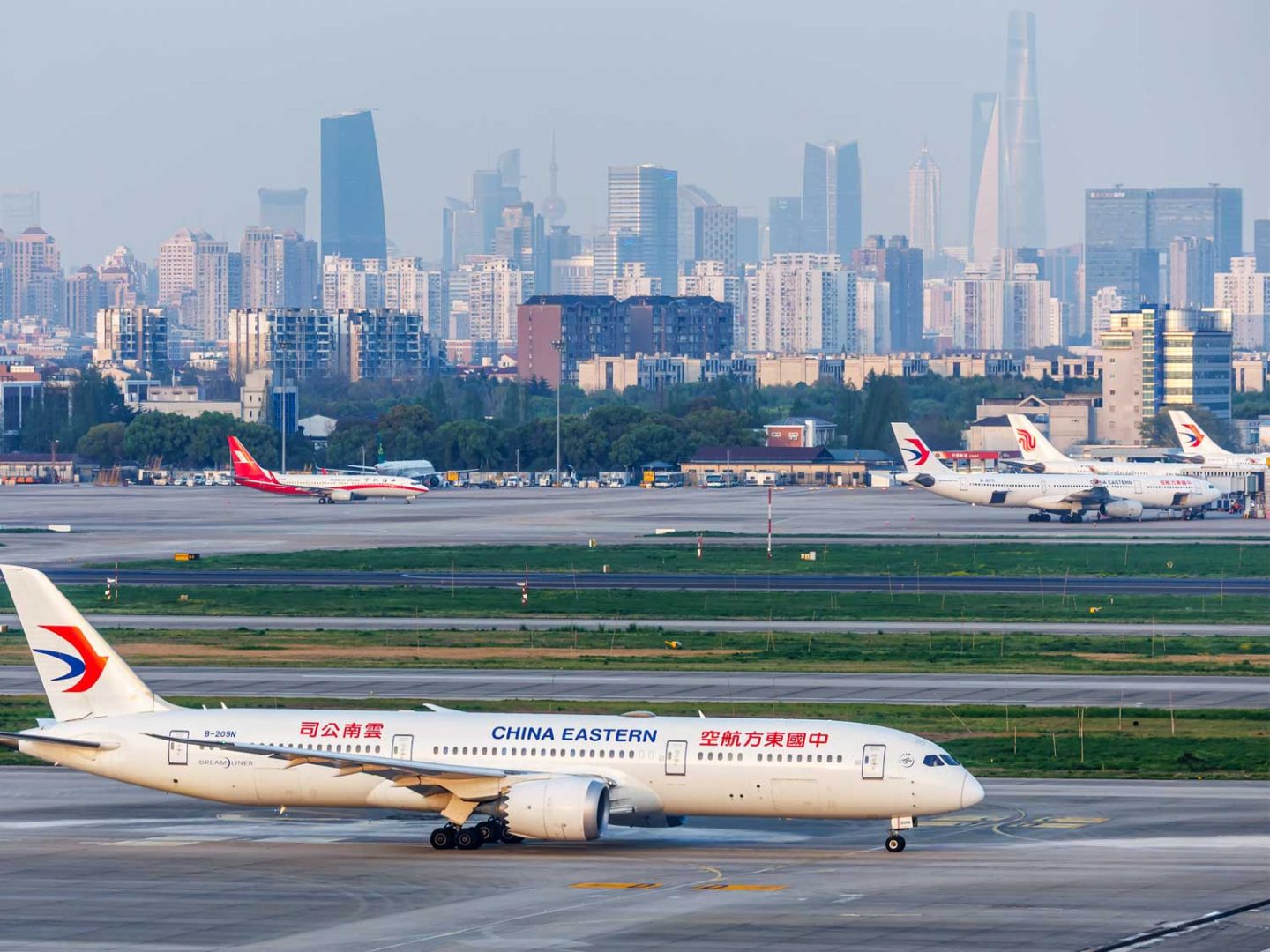
HKG port

Ex-Asia spot rate spiral turned into shooting star

Container shipping lines have announced significant rate hikes on all ex-Asia trade lanes, due to increased demand and increasing equipment challenges in more origins and it would be prudent to expect more of the same.

Effective capacity to North Europe has decreased by 5% compared to a year ago, due to the longer route around Africa, despite the deployment of 18% more vessel capacity. 

One leading carrier has suggested that capacity shortages could be as much as 20% and while the situation is not as grim as the carrier suggests, demand growth of 15% has taken the market by surprise with container equipment and vessels in short supply. 

It is difficult to see what precipitated the steep increase in demand over the last couple of weeks, which have been remarkably strong. It may be buyers pulling orders forward because they have concerns about global geopolitical uncertainties, or they need an additional two-week buffer of stock in transit. Or rates could be driven by a more general restocking to replenish inventories.

The speed and pace of change in the market has been phenomenal, replicating the lead-up to the peak of the pandemic, with demand hugely high. Add to that the early start of the traditional peak season in May, which is now seasonalising to the pre-pandemic model and it’s a potential nightmare scenario for importers.

Carriers are putting rates out and then withdrawing them because they have already been replaced with higher levels. 

FAK and spot rate quotes for most shipping lines are now closed until June, or later, so shippers can’t make a booking even if they are willing to pay premium prices.

Demand has grown consistently over the last two quarters and while new container ship deliveries continue, the diversion around the Cape of Good Hope, strong demand and additional summer service deployments are absorbing this capacity and we expect the lines to continue raising rates into the summer.

The ocean freight market has moved beyond ‘pay to play’, with carriers cutting back on contracts, blanking vessels and not carrying space forward. Shippers may look around and try to ‘play the market’ but everyone is in the same ‘boat’.

Metro are coping relatively well, thanks to our long-standing carrier relationships and sensible annual contracts, which guarantee us space and set rates.

To learn how we can enhance your ocean freight solutions, please EMAIL our Chief Commercial Officer, Andy Smith. 
US flag and port

US importers face multiple challenges

The rapid escalation of transpacific ocean freight spot rates is reminiscent of the spike experienced during the COVID-19 pandemic, while the air freight surge from Asia to the United States, that began late last year, looks likely to continue through the traditionally quiet summer months and into a potentially robust peak season.

Container shipping lines are being accused by the trade press in the US of slashing back or eliminating contracted volume allocations, in favour of carrying higher-yielding cargo at spot rates that have increased by more than 50% in Q2.

It is likely that contracted fixed-rate bookings will diminish even further as spot rates from Asia to the US continue to increase.

Carriers implemented a general rate increase (GRI) on the 15th May, which will double average spot rates (MoM) from Asia to the US West Coast, if successful. And with space on vessels leaving Asia in May extremely tight, and carriers rolling containers onto subsequent voyages, they are likely to be successful.

In anticipation of their success, carriers have already filed a further GRI for the 1st June, mimicking the rapid escalation of pricing that was triggered by the 2021–22 COVID-19 pandemic.

US imports from Asia have already surged over 19% YoY in 2024 and retailers are forecasting continued import growth into the traditional fall peak shipping season.

West Coast congestion
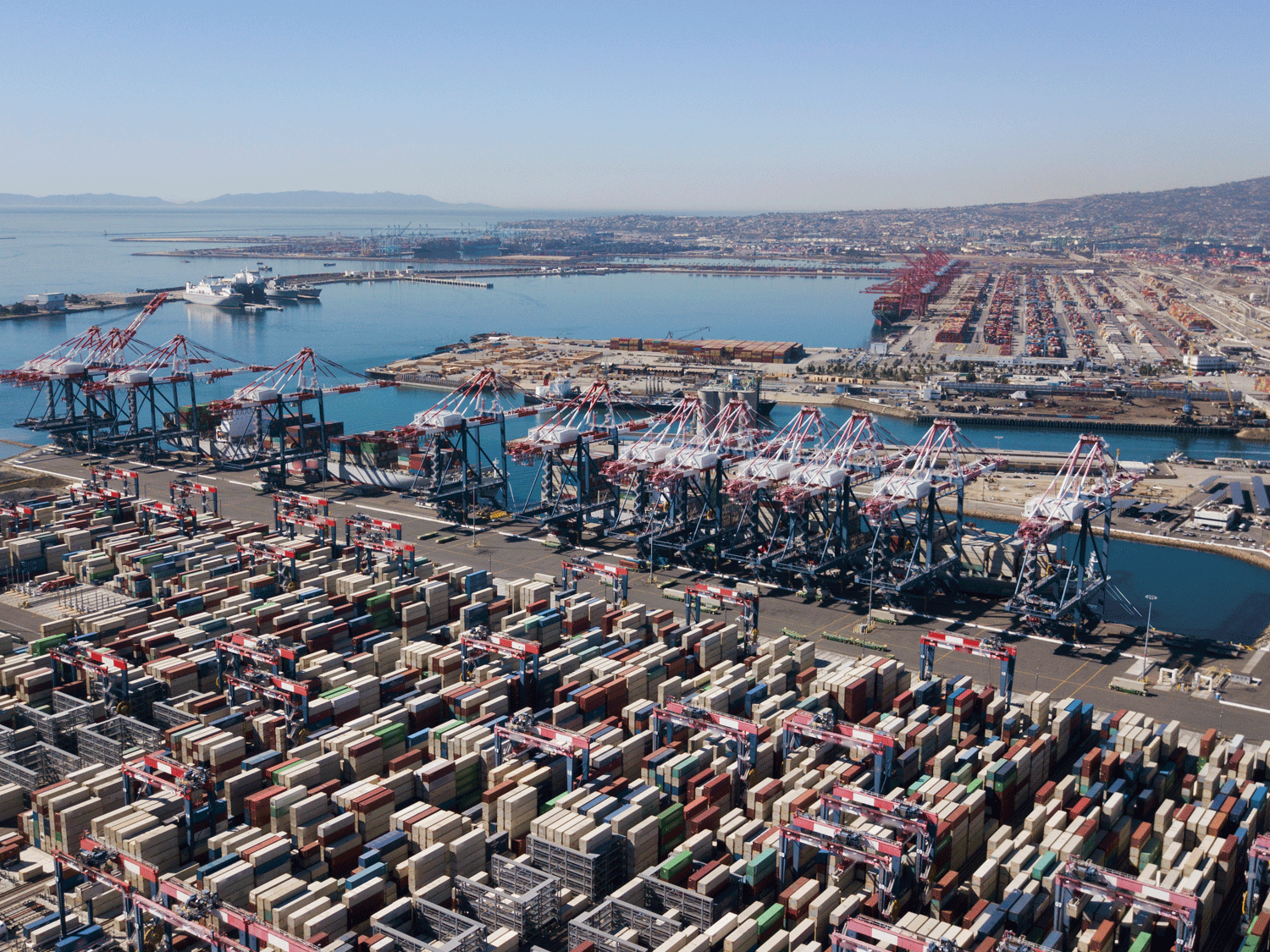
Imports from Asia into Los Angeles-Long Beach increased by almost 1/3 in Q1 2024 to 1.96 million TEUs, creating container backlogs at marine terminals, a sharp increase in eastbound intermodal train movements and a chronic shortage of returning railcars, which exacerbates delays.

Most backlogs have cleared and terminal operators insist they have successfully supported first quarter volumes, but their challenge is not over with imports forecast to increase 5.5% in May, 8.9% in June, 6.6% in July and 6.9% in August.

Baltimore Bridge Accident
The collapse of the Francis Scott Key Bridge in Baltimore created some disruption, but activity pretty swiftly shifted to nearby ports, so its impact has been limited. 

A criminal investigation by the FBI will determine if the crew left port knowing that the ship had serious system problems, while the ship’s owners eventually declared general average, which means that shippers with goods on board become financially jointly and severally liable for the incident, which could be very expensive without appropriate marine cover.

The Port of Baltimore expects to restore normal capacity by the end of May.

Threat of East Coast strikes growing
The International Longshoremen’s Association’s labour contract on the East Coast expires on the 31st September, with the 17th May the cut-off date set by the union for local contracts to be agreed, so an overall master contract can then be negotiated.

No deal has been agreed and the threat of strikes loom closer.

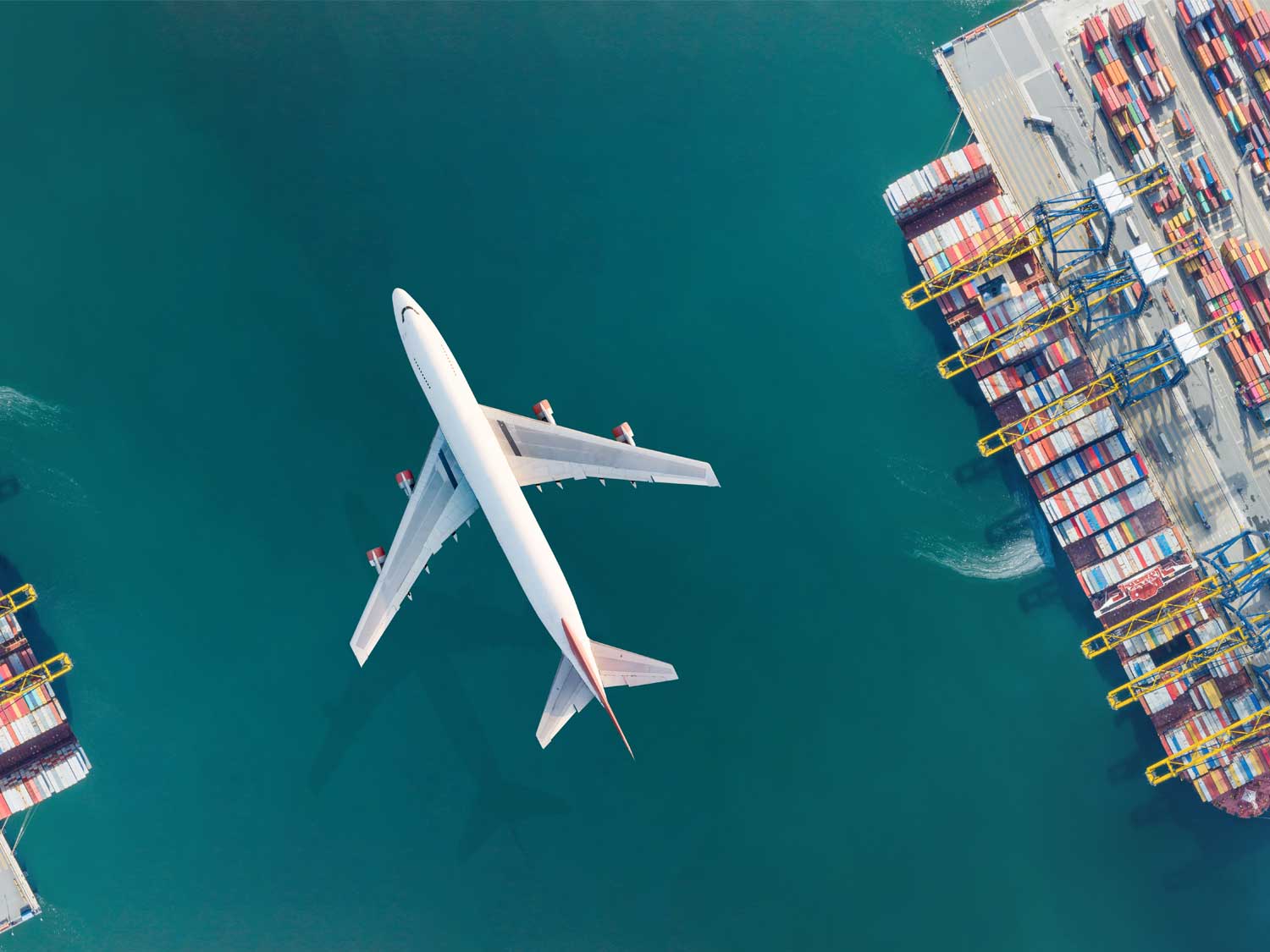
Air freight surge continues
Relentless eCommerce demand from China to the US, which has continued for over six months, shows no signs of letting up as we move into traditionally slower months.

The intense air cargo demand that began late last year is set to extend through the summer and into a robust peak season. Largely driven by modal shift, due to the Red Sea crisis and a huge increase in consumer volumes from eCommerce marketplaces like Shein and Temu, who send over 600,000 packages to the US every day.

Demand for air cargo space out of China to ship eCommerce is absorbing more than half the available outbound capacity, particularly in the southern regions and is so intense that rates on alternative sea/air routes to the US via Taiwan, Japan and Korea are exceeding those from mainland China.

In the UK shipments up to £135 are exempt from duties, although they are always subject to VAT regardless of value.

The US’ de minimis threshold is $800 and it is estimated that 2.5 million de minimis shipments currently arrive at US Customs and Border Protection (CBP) facilities every day.

In 2023, CBP processed more than 1 billion de minimis shipments; in January 2024, CBP had already processed half a billion.

There are calls to close the ‘de minimis loophole, but while it lasts, sustained demand is likely to keep transpacific air freight rates well above prior-year and pre-pandemic levels.

We negotiate long-term and protected contracts with airlines and shipping lines across the alliances to secure space and rates, so that we can provide the best alternatives and options, whatever the situation.

To learn how we can support transpacific and transatlantic trade, or to learn more about our ocean and air solutions, please EMAIL our Chief Commercial Officer, Andy Smith. 
Algeciras 1440x1080 1

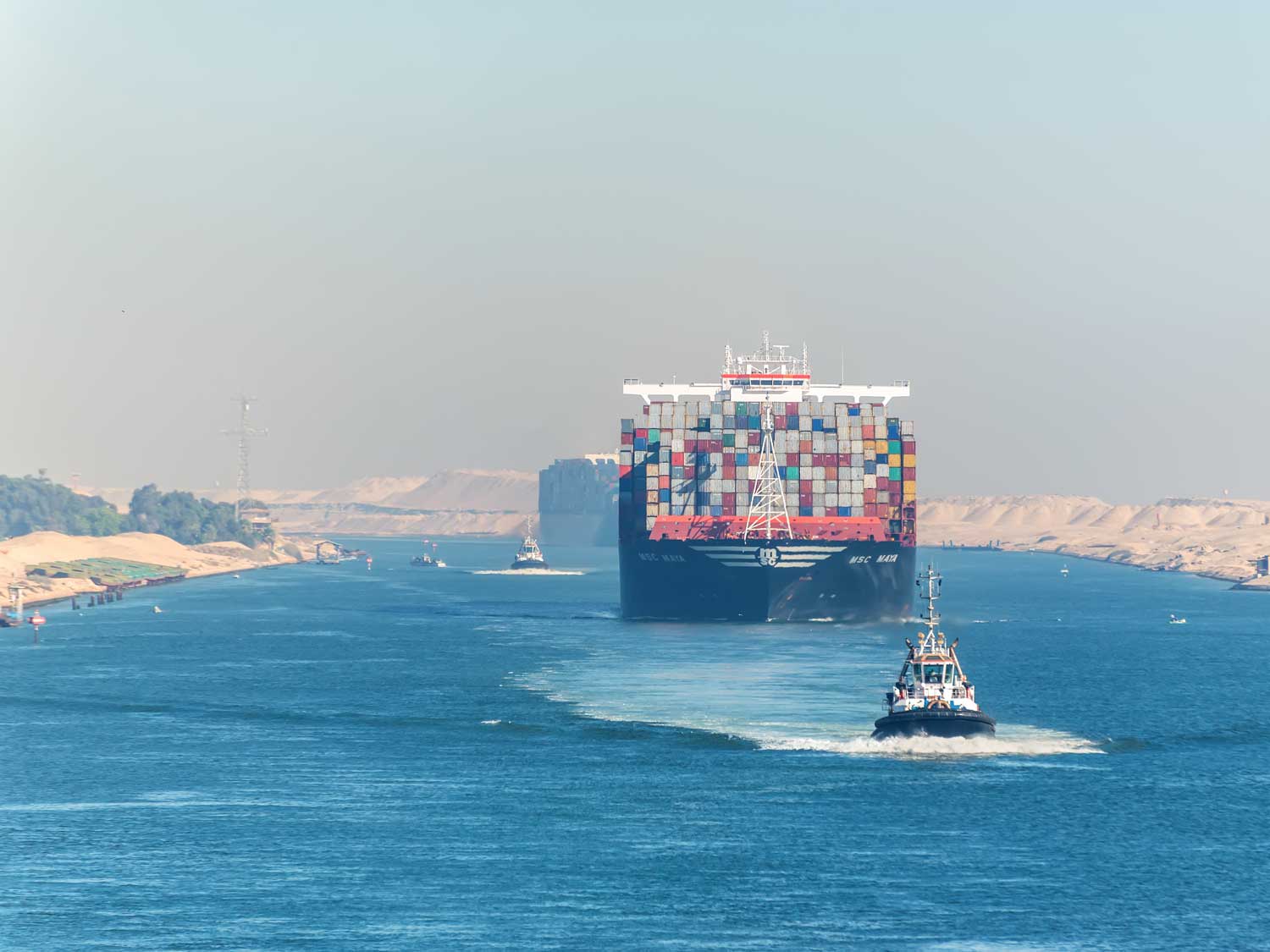
Red Sea diversions create Western Mediterranean port congestion

The mass diversion of container ships away from the Red Sea since December has raised fears of congestion across west Mediterranean container ports, as carriers from Asia drop boxes destined for the eastern Mediterranean.

Instead of entering the Mediterranean Sea dead end, created by the effective closure of the Suez Canal, Ultra-large container ships from the Far East are offloading containers at western Mediterranean ports such as Barcelona, with smaller feeder vessels transporting them to final central and eastern Mediterranean destinations.

Transhipment traffic in Barcelona was up year on year by 22%, 64% and 63% in January, February and March, while Algeciras, Valencia and Las Palmas grew at 7%, 18% and 33% in Q1 2024.

And while the ports managed the first quarter’s throughput, they are operating at (or are close to) operational capacity, which means that any continuation or increase in volumes could lead to a dangerously high level of utilisation and potentially serious congestion.

Alternatives, to spread volumes out, include the Moroccan hub of Tanger Med, but its utilisation is already sitting at 83%, so even a relatively small increase in volumes could fill it up.

The southern Portuguese port of Sines has capacity to handle an additional 1.4m teu, while the ports of Malaga and Castellon may also be worthy of consideration, to avoid a potential supply chain bottleneck, with storage yard capacity drying up at ports in the western Mediterranean.

The seven-day average vessel waiting time at Barcelona increased two days due to increased cargo flow, lowered productivity, IT issues and bad weather. Shipping lines are asking customers to pick up both their import units and empty containers as early as possible, due to congested line-up and increased waiting times.

One of the two container terminals at Algeciras confirmed that their facility was “quite full” and warned that “capacity is very limited”, leading them to restrict the amount of cargo accepted, to avoid severe congestion.

There are two potentially significant negative outcomes due to the current Mediterranean situation:

First, transshipment networks require more ships for the feeder services and carriers may remove ships from other trades, particularly those in North Europe, which could create a capacity squeeze and push rates up.

Second, port congestion creates a de-facto reduction of available vessel capacity, which leads to an increase in blank sailings, because there is a schedule gap when vessels are unavailable, which squeezes capacity and pushes up rates.

If you have any questions or concerns about the issues outlined in this article, or would like to discuss any aspect of your Mediterranean supply chain, please EMAIL our Chief Commercial Officer, Andy Smith.