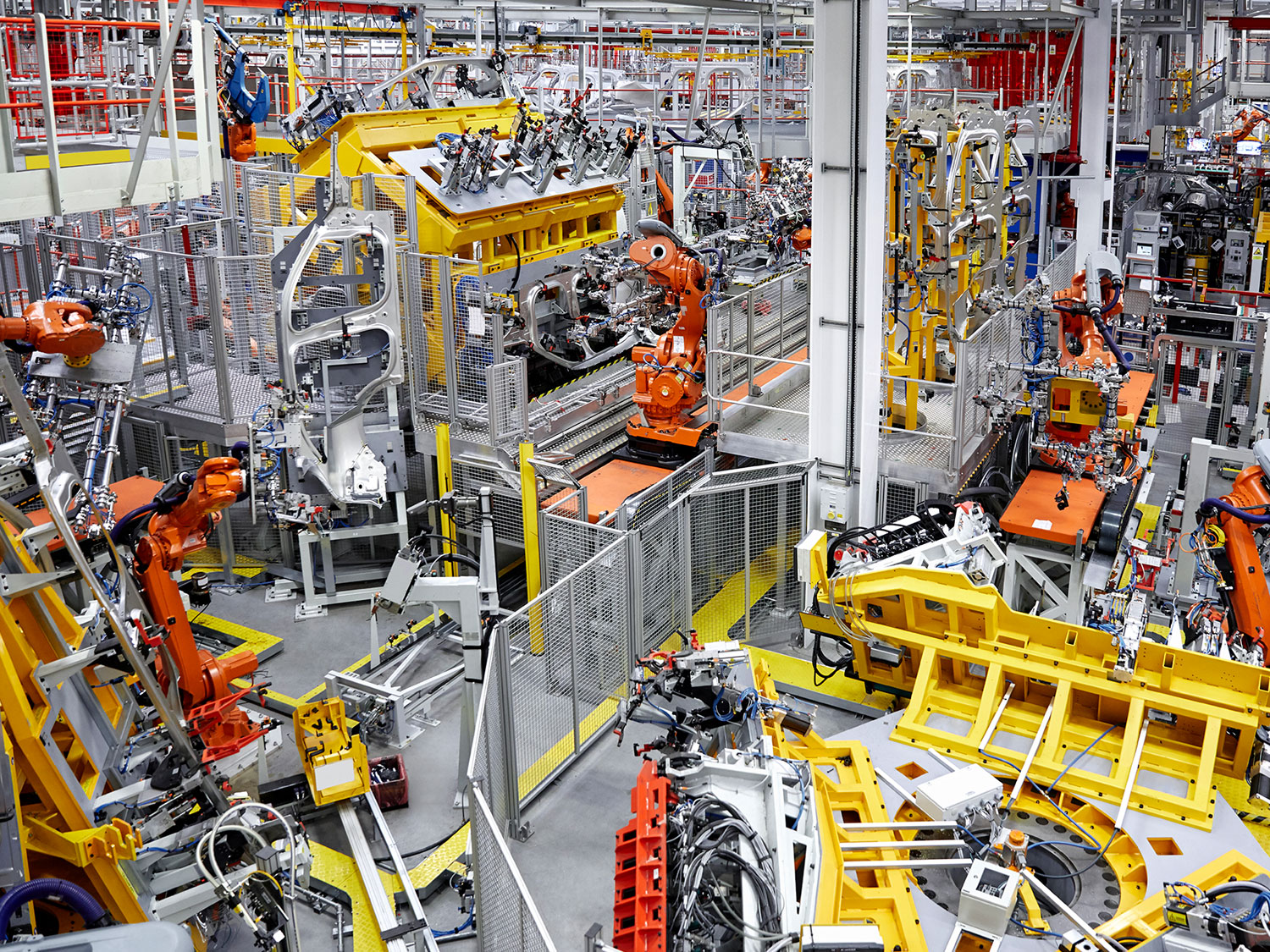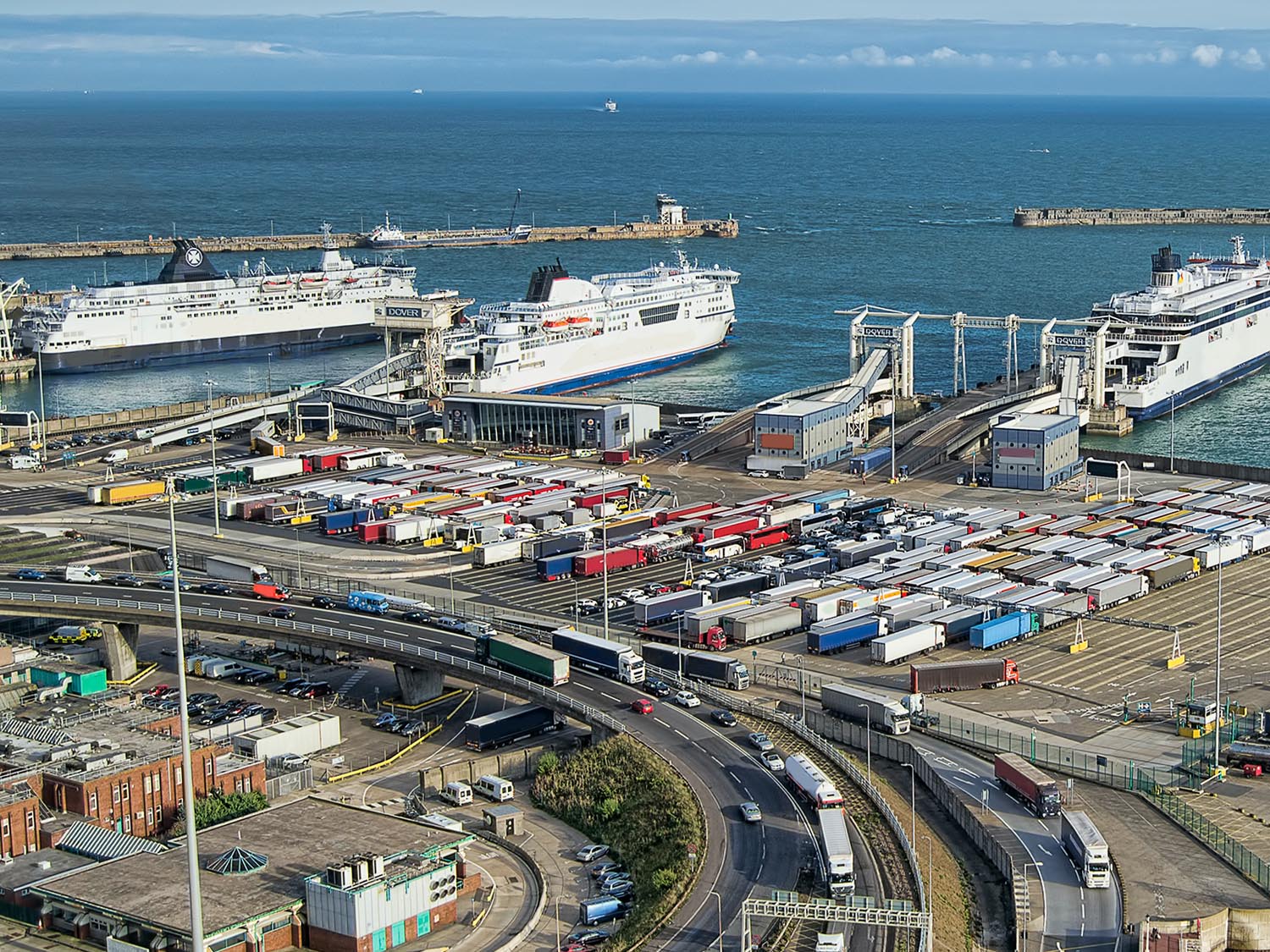
Auto industry Brexit warning

Europe may experience its own near-shoring boom

As planes descend into Monterrey airport, an expanse of warehouses and manufacturing complexes stretches out for miles, exemplifying the near-shoring boom that has swept through Mexico in recent years, as Asian companies and their supply chains move closer to the United States.

Drivers of Mexican Industrial Growth
One might argue that this surge in Mexican industrial production and exports to the US is part of a 30-year evolution, initially driven by the North American Free Trade Agreement (NAFTA), which established a free trade area among Canada, the US, and Mexico.

However, additional factors have recently propelled Mexico to replace China as the US’s most important trading partner.

1. US-China Trade War: Trade has shifted from China to countries like Mexico due to the ongoing trade conflict
2. Biden Administration’s Supply Chain Strategy: Emphasis on near-shoring has highlighted Mexico’s role in the China+1 strategy
3. Production-Sharing Schemes: Mexico’s longstanding expertise in these schemes makes it a valuable partner in regional manufacturing and trade
4. Low Labor Costs: Average manufacturing wages in Mexico are lower than those in China

Ironically, many of the companies that are being set up for manufacturing and transition to Mexico are actually owned by Chinese entities and companies. It is a migration of Chinese manufacturing to Mexico and this also has the benefit of lowering supply chain and shipping costs and the big one – reducing some of the duty and anti-dumping duty that has been, and will likely continue to be, levied on Chinese origin goods and raw materials.

Lessons for Europe
A critical element is the presence of a long-standing free trade agreement, because near-shoring thrives in an environment that fosters supply chain relationships and networks over time and effective near-shoring relies on a regulatory and trading environment that supports such activities. 

Expecting near-shoring to emerge without a developed and supportive environment is unrealistic. The EU, with its well-developed internal free trade and regulatory framework, together with external trade agreements with countries like Egypt and Morocco is well-positioned to adopt near-shoring strategies.

In Europe, geopolitical relations with China are a concern, but recent supply chain disruptions are increasingly driving the adoption of China+1 strategies. Europe has been shifting its manufacturing and supply chain activities eastward and into North Africa.

Opportunity
Countries like Turkey, Hungary, Egypt, Morocco, Poland, and Romania offer compelling near-shoring opportunities due to their lower wage rates and higher productivity compared to Western Europe.

The EU is well-positioned to capitalise on near-shoring activities and so too is the UK, with its close EU ties and inherited trade agreements. This has already been highlighted by the new UK government, as a goal to re-negotiate trade agreements with the EU and could make closer sourcing a more prevalent and cost effective strategy going forward in the next few years.

We are seeing regular migration of manufacturing and sourcing closer to the UK and EU and this has many benefits, as long as the material price is comparable with Far East manufacturing costs, which have been the big incentive.

Metro and our associate companies, are well positioned to give advice, recommendations and adapt supply chains regardless of the areas that you are sourcing from or selling to.

We have a variety of services and solutions covering overland trucking, rail freight, short-sea containerised solutions on our own vessels and local warehousing and distribution at most industrial hubs throughout Europe and North Africa. 

Please arrange a call/meeting and we can go through the current and future options, to add value to your global development strategy. We can guarantee that it will not be time wasted!

Stable, well-regulated trading environments and cost-effective, high-productivity production locations in Central and Eastern Europe and North Africa provide a strong foundation for supporting near-shoring initiatives.

Metro’s integrated transport services are designed to support JIT manufacturing requirements across the EU, North Africa and Turkey and are ideally positioned to support new near-shoring requirements.

Our partner network, multi-modal transport solutions and MVT supply chain platforms are all geared towards supporting an evolving sourcing programme and on-boarding new suppliers. 

If you would like to learn how we can boost your ability to source from alternative manufacturing regions, EMAIL our Chief Commercial Officer, Andrew Smith, to arrange a consultation and scoping discussion.

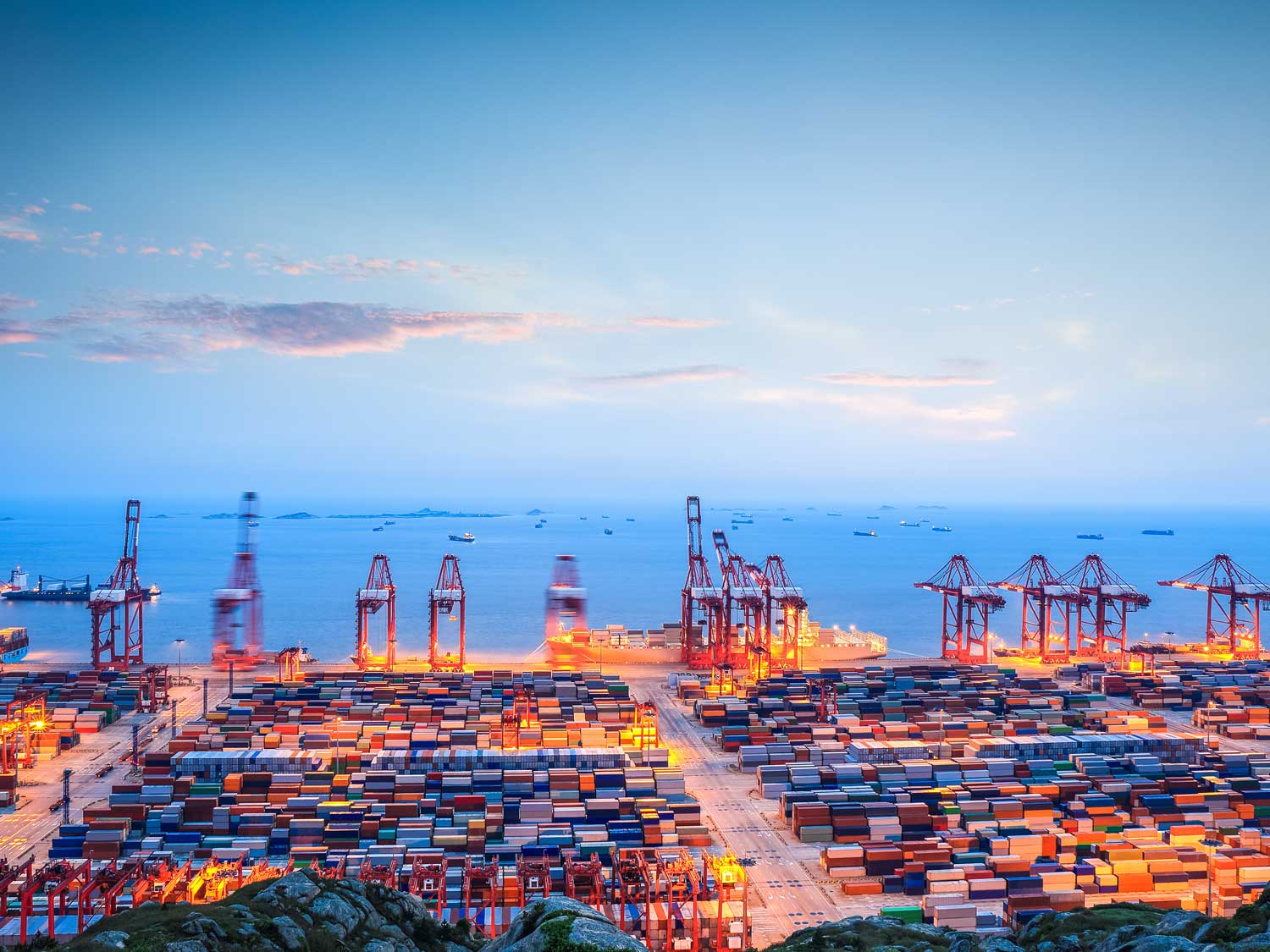
Shanghai port

Port congestion (amongst other things) continues to push rates up

With increasing amounts of ocean freight capacity soaked up by COGH (Cape of Good Hope) diversions and port congestion, spot rates are spiking, with indexes up significantly on 2023 and market led spot/FAK rates up by nearly 500%. Now, carriers desperate for ships and more capacity are setting new chartering records, to try and accommodate the shortfall in supply against demand.

Over 1.6milllion teu of capacity has been added to the global container fleet so far this year, as new vessels have been delivered, and all that new capacity has been fully absorbed by the market’s diversion round the Cape of Good Hope.

So, despite the record-breaking new vessel deliveries, there remains a shortage of capacity and container ships globally, with freight and charter rates continuing to surge ahead as the market enters the traditional summer peak season.

Port disruption and bottlenecks are tying up capacity, which is making already tight vessel availability worse. Analysts suggest that the recent increase in port congestion in Asia and the Mediterranean has taken a further 500,000 teu from circulation, reducing vessel schedule reliability and impacting equipment availability.

The Loadstar reports that 2.5m teu were on ships queueing for berths at ports worldwide last week, which is equivalent to nearly 9% of the global fleet, and the bunching of ships arriving from Asia is creating berthing delays in northern Europe, particularly Rotterdam.

Freight rates from Shanghai to Rotterdam increased 11% per feu, while rates from Shanghai to Los Angeles grew 7% and up 3% to New York.

Drewry expects that freight rates from China will continue to rise, due to congestion issues at Asian ports, the continued ongoing situation in the Red Sea and further port delays now occurring around the globe, as an impact of the market conditions.

Ship bunching and congestion has spread to ports in Asia including Port Klang, Shanghai, Qingdao, Guangzhou and Shenzhen, and while equipment availability has improved vessels have been waiting up to four days to berth at Shanghai, two days at Qingdao and up to three days at Port Klang.

Singapore’s berthing delays have improved, but there are longer dwell times as carriers discharge more containers to forgo subsequent voyages and catch up on sailing schedules.

Routing away from the Suez Canal means that cargo is now being dropped at western Mediterranean ports for transshipment to the east of the region, with ships having to wait longer for a berth.

In the north of Europe, ports and terminals are performing pretty well, though Rotterdam, Hamburg, and Aarhus have experienced increases in yard densities, with customers requesting to pick up import containers as soon as possible after discharge.

Strikes update
Port workers in Germany implemented a ‘warning’ strike which affected the ports of Hamburg, Bremerhaven, Bremen, Emden, and Brake, and the Verdi trade union has threatened more action if negotiations for a new collective labour agreement do not progress.

After 24 hour stoppages at the container ports of Le Havre and Marseille-Fos, French trade union members had been threatening a month of strikes at major ports, but the snap election called by president Macron means that the Fédération Nationale des Ports et Docks CGT (FNPD) has no-one with whom to negotiate and has therefore suspended action until late September.

We are monitoring all the issues outlined here, while working closely with our local partner office network and carrier partners to mitigate any impact on our customers.

We will keep you updated and provide alternative solutions where appropriate or necessary.

If you have any questions, concerns, or would like any further information regarding the situation outlined here, please EMAIL our Chief Commercial Officer, Andy Smith.

BYD Chinese EV 1440x1080 1

US tariff increases on China EV’s have wider ramifications

Only 2% of US electric vehicle (EV) imports come from China and while economists ponder how effective President Biden’s new 100% tariff will be in protecting US markets, it is likely that EV flows will be redirected to Europe by manufacturers eager to exploit profitable markets.

On the 14th May the United States imposed 100% tariffs on Chinese EV’s, tripled the tariff on steel and aluminium, and increased tariffs on solar cells to 50%, with the rate on semiconductors set to be doubled from 2025.

The US president said that the Chinese government had heavily subsidised industries, including semiconductors, EVs and solar panels for years, pushing manufacturers to produce far more than the rest of the world can absorb and then dumping excess products at unfairly low prices.

The US move came as the European Commission is struggling to protect their own green technology industries, with officials stressing that Brussels lacks the powers to compete with Washington and Beijing in a global trade war.

They predicted that the US measures would likely increase an already uncomfortably large trade deficit with China and while Brussels is under pressure to impose countervailing duties to address that imbalance, the fear of a trade war grows.

To recoup steep development costs and to continue growth China’s EV makers have little option but to expand overseas and with the US, the largest auto market after China, more challenging, the next largest market is Europe.

Just a week ago China signalled that it was ready to unleash tariffs of up to 25% on imported cars, as trade tensions escalated with the US and European Union, but Reuters is reporting today that China may be looking at de-escalating tension by lowering tariffs on EU auto imports to 10% from the current level of 15%.

Chinese EV makers can sell cars in Europe for more than twice the China price, which  leaves plenty of room to absorb additional tariffs and the German Chancellor Olaf Scholz has said that it would be better for Europeans to press China on lowering its auto import tariffs than to start a trade dispute.

Manufacturers are also investing in Europe, with BYD building an EV plant in Hungary and eyeing a second, while Chery Auto, China’s largest automaker, is opening its first European plant in Catalonia and SAIC, China’s second-largest auto exporter, is searching for its first European plant.

The CEOs of Mercedes-Benz and BMW have spoken against trade barriers and argued that German automakers can handle Chinese competition.

A joint venture between Stellantis and China’s Leapmotor will see the Franco-Italian automaker sell the Chinese EVs across Europe and shows how established automakers can pivot on whether they see China as a threat or an opportunity.

Stellantis CEO Carlos Tavares, who had previously called for higher tariffs on Chinese EVs before partnering with Leapmotor, said that tariffs were a major trap and that “Instead of being purely defensive vis-à-vis the Chinese offensive, we want to be part of the Chinese offensive.”

If you would like further information, or have questions or concerns about any of the developments outlined here, please EMAIL our Automotive team who are standing by to assist.

Paris grandstand 1440x1080 1

Summer 2024; France supply chain alert

This summer, a number of large-scale sporting events are likely to create some supply chain disruption, with the Olympic and Paralympic Games taking place in Paris between the 26th of July to the 11th of August, and the 28th of August to the 8th of September.

The Paris 2024 Olympic Games, which begin on the 26th July, will take place in 36 locations and are expected to attract about 13.5 million people, with parts of Paris closed off and drivers expected to gain access through online applications.

We are following the situation closely with our French partners, but it is inevitable that the current installation of infrastructure, movement of athletes and visitors and the subsequent dismantling and clearing of temporary traffic routes to the end of October, will require widespread access restrictions to routes in Paris and the wider Metropolitan area during the summer, which will impact local distribution.

OPERATIONAL TIMELINE AND ROAD CLOSURES
April: Infrastructure assembly began at Grand Palais, Point Alexandre III, and Invalides
June: Assembly begins on the docks in the Opening Ceremony area
Early July: Assembly begins on the bridges at the area of the Opening Ceremony
Mid-July: Olympic Village is opened
26th July: Olympic Games begin, accompanied by the introduction of reserved lanes
Early August: Bridges and docks will start to open up again
September – October: Dismantling phase and gradual release of competition sites

As stated above most impacts will be caused due to infrastructure assembly and disassembly operations throughout the 35 Olympic sites, with on-road or road-adjacent sporting events also having impacts on road transportation due to road closures.

Delays and re-routings of cargo moving through this area during the summer are inevitable and we are aware of carriers announcing surcharges for transportation through the Île-de-France area. 

We are reorganising our activities to cope with all the restrictions and will keep you informed as the situation evolves. 

To discuss the potential impact of the Olympics on your French traffic EMAIL Richard Gibbs to begin a conversation.