
dna banner v3

Sustainability focus

When managed effectively, supply chains not only reduce costs and boost profitability but also play a crucial role in sustainability. The impact of climate change has underscored the need to improve supply chains to protect our ecosystem and conserve natural resources for future generations.

As the global push for decarbonisation intensifies, both the maritime and aviation sectors are under pressure to adopt sustainable practices. Metro has been at the forefront of these efforts, investing in new fuel technologies that will support the green transition.

Ocean
In July, the International Maritime Organisation (IMO) set a new climate strategy aiming for net-zero greenhouse gas emissions by around 2050. Interim targets include reducing emissions by 20%-30% by 2030 and 70%-80% by 2040, compared to 2008 levels. To achieve the 2030 target with green fuels alone, over one-third of international shipping would need to transition to low or zero-emission fuels within 5-6 years, which is highly challenging.

However, the IMO could meet its 2030 goal with only 10% of ships using green fuels if it also significantly improves energy efficiency. This would require increasing the energy efficiency target from 22% to 38% by 2030, which could involve widespread adoption of wind technologies and reduced operating speeds.

Shipping CEOs have united to push for faster decarbonisation in global maritime transport, advocating for an end date for fossil fuel-only ships and urging the International Maritime Organization (IMO) to establish regulations that will speed up the shift to green fuels.

Their joint declaration outlines four key regulations:
1. Set an end date for new fossil fuel-only ships and establish a timeline for greenhouse gas (GHG) intensity standards to encourage investment in green technologies
2. Implement GHG pricing to make green fuels competitive with traditional fuels during the transition
3. Allow vessel pooling for GHG compliance, where a group’s overall performance counts, accelerating decarbonisation
4. Adopt a Well-to-Wake (lifecycle) GHG approach to guide investments and avoid stranded assets

LNG is seen as the most practical current solution for decarbonisation, with the ability to transition to net-zero carbon fuels like bio-LNG and e-LNG. LNG-fuelled ships are growing in numbers, with over 1,000 expected by 2027, compared to just 36 a decade ago.

Air
The aviation industry is relying on SAF to achieve 65% of its net-zero emissions target by 2050, but current production is a fraction of the 500 million tonnes needed annually by 2050 and the challenge now lies in financing, not engineering.

Investors are being urged to fund large-scale SAF ventures, as this could lead to a new industry that transforms aviation, creates jobs, and offers substantial financial returns.

Redirecting some of the $7 trillion in fossil fuel government subsidies could significantly accelerate the shift to sustainable fuels, with countries like Japan, Singapore, and the US already incentivising SAF production.

Metro has been investing in Sustainable Aviation Fuel for years, and was the first forwarder to join the Air France KLM Martinair Cargo (AFKLMP Cargo) SAF programme.

Grant Liddell, Metro’s managing director said. “We are proud to take this collaborative approach directly with the airlines. Air France and KLM have been pioneering SAF since 2009 and Metro’s participation will help fund the research and development, which can increase production and make SAF available in greater quantities and in more locations.”

Metro has been certified carbon neutral for three years and is committed to extending this zero-emission strategy as far down customers’ supply chains as possible. 

The same toolkit we use to measure, reporting and offset our emissions, to achieve carbon neutrality, is available ‘free of charge’ to our customers.

Part of our MVT supply chain platform, the ECO module monitors the energy emissions, emission costs and CO2 equivalent emissions, of customers’ consignments, by every mode. 

Reports and key eco statistics related to their movements, allow them to see which areas will benefit most from emissions offsetting and where efforts can have the most impact.

To request a demo or discuss your requirements, please EMAIL Ian Powell.
BAR Tech

Environment matters

Managed well, supply chains reduce costs and enhance profitability, but the impact of climate change has highlighted the importance of sustainability and the need to improve supply chains to protect our ecosystem and preserve natural resources for future generations.  

The supply chain plays a critical role in supporting environmental protection, by reducing its carbon footprint, with transportation alone a significant factor because it is a major user of energy and producer of pollution.

Sea freight carbon emissions increased by 63% in Q1 2024 compared to Q4 2023 largely due to containers being shipped from the Far East diverting away form the Suez Canal and around the the Cape of Good Hope, sailing an additional 5,800 nautical miles.

According to the United Nations, maritime shipping accounts for nearly 3% of global greenhouse gas emissions and the need to reduce emissions and move away from traditional fossil fuels is inspiring some amazing innovations.

Robot ships
Autonomy, robotics remote operation and artificial intelligence is already transforming shipping, with an an 80m (262ft) electric container ship running back and forth between a fertiliser plant and local port in Norway, while in Belgium and Japan there are ferries autonomously navigating between destinations and in China big autonomous container ships shuttle between coastal cities.

Ocean Infinity, a US/UK company, is building a fleet of 23 robot vessels which are prepared for green ammonia as a fuel with fuel cell and battery technology designed for an ultra-low carbon footprint.

Their fleet will survey the seabed for offshore wind farm operators and check underwater infrastructure for the oil and gas industry, with a 78m (255ft) vessel crewed by just 16, when a traditional ship carrying out the same kind of work would need a crew of 40 or 50.

The International Maritime Organisation (IMO) is currently considering the issues surrounding autonomy at sea and will introduce voluntary codes defining best practice by 2028.

The UK government has already taken a view on this topic and desires to incorporate the idea of remote masters into legislation.

Sail-power
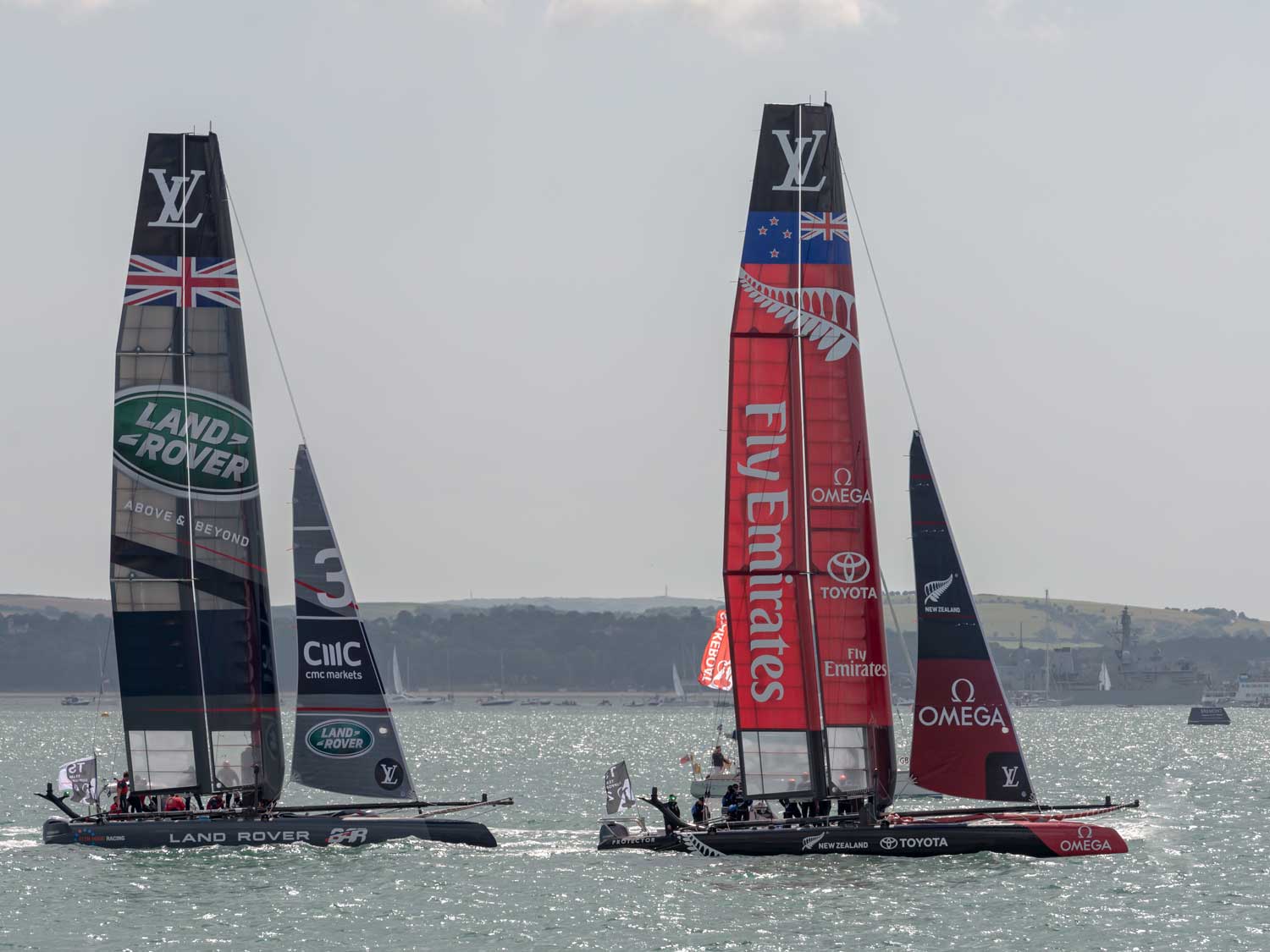
Fitted with giant, rigid British-designed sails (or wings), the cargo ship Pyxis Ocean has been conducting sea trials for six months, with 11.2 tonnes of C02 emissions saved for each day the sails were up.

BAR Technologies, the UK firm which designed the wings, is seeking other ships to fit and the option to retrofit to an existing fleet could be appealing, but it will take decades to deliver the new ships needed for decarbonisation, with shipyards globally full and lead times averaging 3.5 years.

Certified carbon neutral for three years, Metro also supports the West Midlands Net Zero Business Pledge and the drive to make the West Midlands a net zero carbon economy by 2041. 

Metro is leading the way, by taking positive action on proactive carbon reduction initiatives and offsetting projects, with ISO 14001 accreditation and membership of the Air France KLM Martinair Cargo Sustainable Aviation Fuel Partnership.

Metro is measuring and monitoring the emissions of every shipment, by every mode, for all of our customers, with offsetting alternatives, so they can work towards carbon neutrality in their global supply chain. 

MVT Eco uses reporting methodology that is in conformance with the Global Logistics Emissions Council (GLEC) and incorporates 30 pre-built charts and downloadable statements, to simplify Scope 3 reporting compliance for customers in the EU and UK.

The MVT ECO module is available free-of-charge to customers on their MVT dashboard. To request a demo or discuss your requirements, please EMAIL Ian Powell.
factory emissions

The Carbon Border Adjustment Mechanism

There are 195 signatories to the Paris Agreement to limit their greenhouse gas (GHG) emissions, though some including the EU and UK have undertaken to cut carbon emissions faster than others.

The EU’s Emissions Trading System (ETS) continuously expands to include new sectors to encourage industrial decarbonisation. However, it also drives carbon prices upwards, which risks carbon leakage if consumers switch from buying EU-produced goods to purchasing substitutes from non-EU countries, that have lower emission requirements.

To combat this, the Carbon Border Adjustment Mechanism (CBAM) came into place on 17th May 2023 and is expected to be fully implemented by 2026. It is designed to counter the risk of carbon leakage by imposing a charge on the embedded carbon content of certain imports that is equal to the charge imposed on domestic goods under the ETS.

The UK CBAM is about a year behind the EU’s version and means that specified goods imported into the UK from countries with a lower or no carbon price will have to pay a levy by 2027.

Like the EU CBAM, unprepared businesses who import or export to the UK could face higher costs and carbon reporting challenges.

The UK CBAM is designed to tackle the most carbon-intensive industrial goods imported to the UK, by putting a price on the carbon footprint of the manufacture of products in the aluminium, cement, ceramics, fertiliser, glass, hydrogen, iron and steel sectors, with a consultation currently determining the precise list of products in the CBAM’s scope.

The consultation launched on 21st March 2024 and seeks views on proposals for the design and administration of CBAM. It is available on this LINK and closes on 13th of June.

The calculation of UK CBAM certificate price will be based on the carbon footprint of imported goods. Companies exporting to the UK will be required to pay a carbon price, reflecting the difference between the carbon price in the country of origin (if applicable) and the UK’s carbon price (which is currently one of the highest of all major trading partners).

The measurement of emissions for UK CBAM reporting is likely to be similar to the EU’s methodology for calculating CBAM emissions and declaring CBAM emissions.

In addition to the upcoming UK CBAM for imported goods, the UK already requires companies to report their carbon information through the Streamlined Energy and Carbon Reporting (SECR) policy.

Our MVT Eco module measures and monitors the emissions of every shipment, by every mode, with offsetting alternatives, so our customers can work towards carbon neutrality in their global supply chain. 

The MVT Eco module incorporates powerful reporting tools, which may be adapted to measure liabilities under the ETS and CBAM regimes.

To request an MVT Eco demo or to discuss any of the issues raised here, please EMAIL our CCO Andrew Smith.

ECO globe

Sustainable business growth

Differentiation, innovation, technology, profitability, customer focus and partnership building are all key components in business growth and are all inherently linked to sustainable businesses, which underlines the value that environmental strategies can add to your business.

Sustainability is good for business, because it builds brand value, meets consumer expectations, attracts talent and creates new opportunities, which is why Metro has been certified Carbon Neutral for five years, supports sustainable initiatives and drives innovation to help our customers monitor and mitigate their carbon footprint.

The vast majority of C-level executives agree that they can achieve growth while also protecting the environment, but they remain slow in implementing actions that embed sustainability into their strategies and operations, and cultures.

We lead the way by taking positive action, with proactive carbon reduction planning, offsetting projects, ISO 14001 accreditation and membership of the Air France KLM Martinair Cargo Sustainable Aviation Fuel Partnership.

Members of the West Midlands Net Zero Business Pledge, we support efforts to make the region a net zero carbon economy, with commitment to zero landfill waste, new recycling bins at our Birmingham HQ, together with more electric charging points and fleet replacement with electric vehicles.

Metro is measuring and monitoring the emissions of every shipment, by every mode, for all of our customers, with offsetting alternatives, so they can work towards carbon neutrality in their global supply chain.

Our MVT Eco module has reported over 250,000 shipments, with a total CO2 equivalent of more than 1M tonnes measured.

The EU adopted the Corporate Sustainability Reporting Directive (CSRD) act in November, with fines and penalties for those failing to disclose their indirect Scope 3 emissions.

MVT Eco uses reporting methodology that is in conformance with the Global Logistics Emissions Council (GLEC) and incorporates 30 pre-built charts and downloadable statements, to simplify Scope 3 reporting compliance for customers.

In 2024 Metro are expanding our sustainability team and are seeking individuals that could add value to this critical area.

If you, or someone you know are committed to the environment and making a difference that counts, we want an individual that has the confidence to work closely with our leadership team in setting strategic objectives and targets, and in ensuring the business meets these on an ongoing basis.

In the first instance visit our careers page and submit your CV with a covering letter.