Global air freight markets continue to outperform expectations, but the balance between supply and demand remains fragile.
What began as a short-term disruption following renewed conflict in the Middle East has evolved into a more structural capacity challenge, keeping rates elevated and limiting available space on key trade lanes.
Although airlines have adapted their networks and capacity is gradually returning, the market has yet to recover the capacity lost earlier this year. At the same time, resilient demand, particularly from the technology sector, continues to absorb available space, leaving shippers facing higher transport costs and reduced flexibility.
Middle East disruption continues to shape the market
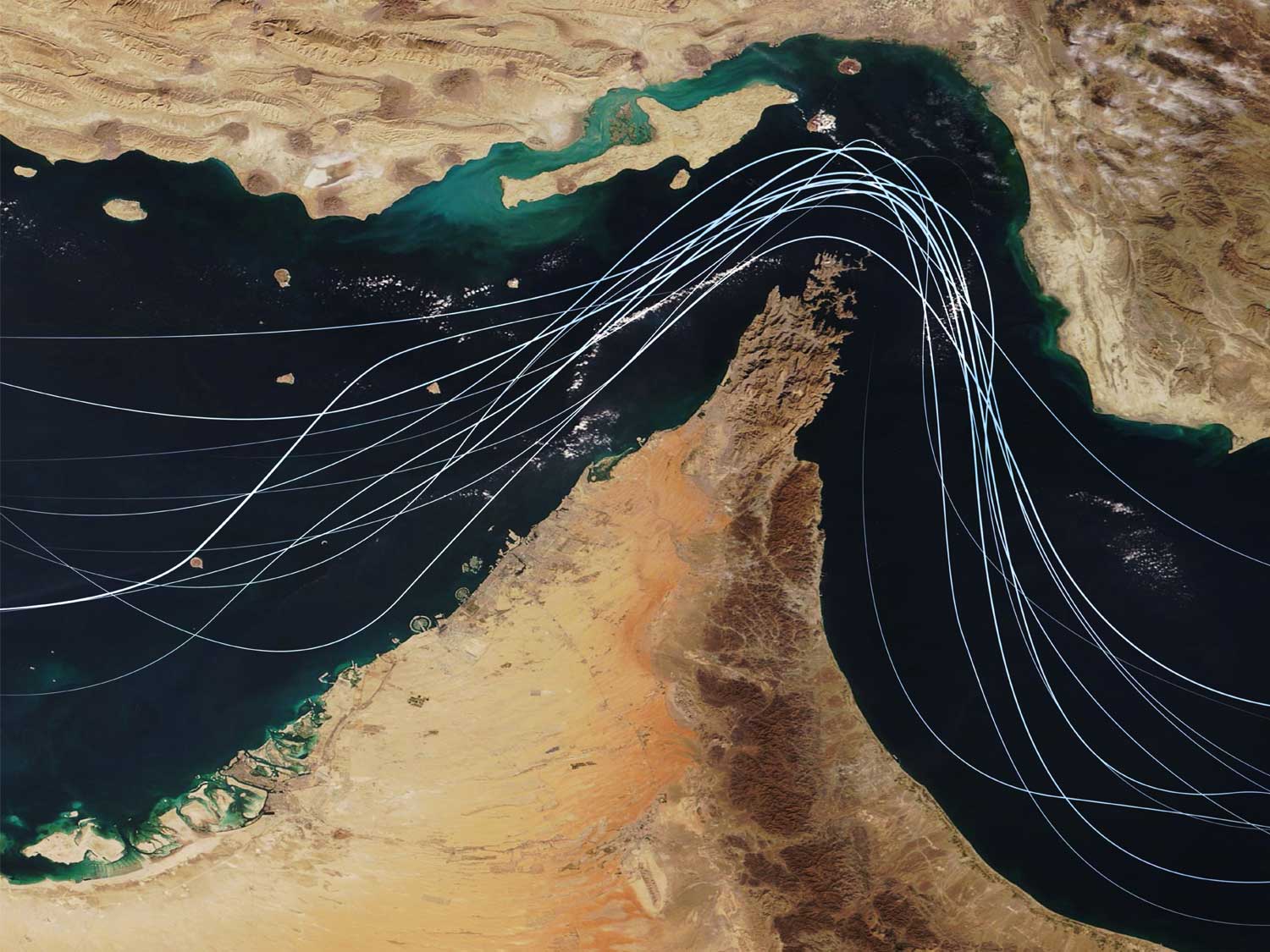
The collapse of the ceasefire between the United States and Iran has extended disruption across international air cargo networks well beyond initial expectations.
Several major international airlines have postponed the planned resumption of passenger and freighter services to the Gulf until at least late October, delaying the return of valuable belly-hold and freighter capacity that traditionally supports Asia-Europe cargo flows.
Before the conflict, around one-third of Asia-Europe air freight transited through Middle Eastern hubs. The loss of those services removed approximately 12% of global air cargo capacity almost overnight, forcing airlines to reroute shipments through alternative gateways and deploy additional direct freighter services wherever possible.
Despite these adjustments, capacity growth has lagged behind demand throughout 2026. Global air cargo demand increased by around 4% during the first half of the year, while available capacity expanded by only around 1%, creating the imbalance that continues to support elevated freight rates.
As a result, industry forecasts have changed significantly. Expectations that freight rates would fall during 2026 have been replaced by forecasts of annual increases up to 15%, reflecting the ongoing supply constraints affecting the market.
Demand remains resilient as market dynamics evolve
While geopolitical disruption has constrained capacity, changing demand patterns are also reshaping global air freight.
The rapid growth of artificial intelligence infrastructure is generating exceptional demand for semiconductor and data centre equipment, particularly on Transpacific services. Global semiconductor sales more than doubled year on year during the spring, creating sustained demand for premium air freight capacity.
Although AI-related shipments still represent a relatively small proportion of total air cargo volumes, they are highly concentrated on key trade lanes and typically require fast, reliable transport, placing additional pressure on available freighter capacity.
By contrast, the extraordinary growth in cross-border e-commerce that has supported air freight markets in recent years is beginning to moderate.
Changes to low-value import rules in both the United States and the European Union have reduced demand for some e-commerce shipments, with exports of low-value goods from China continuing to decline. While this has eased pressure on certain trade lanes, the reduction has been more than offset by continued strength in industrial manufacturing, technology exports and higher-value cargo.
Airlines continue to compete for scarce freighter capacity
The industry's ability to respond to changing demand remains constrained by a shortage of dedicated freighter aircraft.
Delays to new passenger aircraft deliveries continue to limit passenger-to-freighter conversion programmes, restricting the supply of additional cargo aircraft entering the market. As a result, airlines are increasingly competing not only for freight but also for access to aircraft.
Rather than expanding fleets rapidly, many operators are pursuing partnerships, aircraft acquisitions and strategic investments to secure long-term capacity. Others are repositioning aircraft between markets as demand changes, with freighter deployment shifting rapidly between Asia, Europe and the Americas in response to geopolitical events, humanitarian operations and changing trade flows.
This lack of spare capacity means the market remains particularly vulnerable to further disruption. Any significant geopolitical event, weather-related disruption or operational shock has the potential to tighten capacity quickly and place renewed upward pressure on rates.
Planning ahead remains the best strategy
Although capacity is expected to improve gradually during the second half of the year, market conditions remain unpredictable.
For shippers moving time-critical or high-value cargo, securing capacity early, maintaining flexible transport options and working closely with dependable logistics partners will remain essential. Businesses that rely on just-in-time supply chains or seasonal inventory should continue to allow additional planning time while airlines rebuild network resilience.
The market has demonstrated remarkable resilience throughout 2026, but it also highlights how quickly global air freight can be reshaped by geopolitical events, changing technology demand and structural capacity constraints.
Keeping your supply chain moving
When capacity is tight, reliability, experience, network strength and proactive planning make the difference.
Metro works with leading airlines and global carrier partners to secure stable air freight capacity across key international trade lanes. Our experienced teams provide tailored routing solutions, customs expertise and end-to-end shipment management, helping customers minimise disruption and keep critical cargo moving, even in challenging market conditions.
To discuss how Metro can strengthen your global air freight strategy and support your international supply chain, EMAIL Managing Director Andrew Smith today.