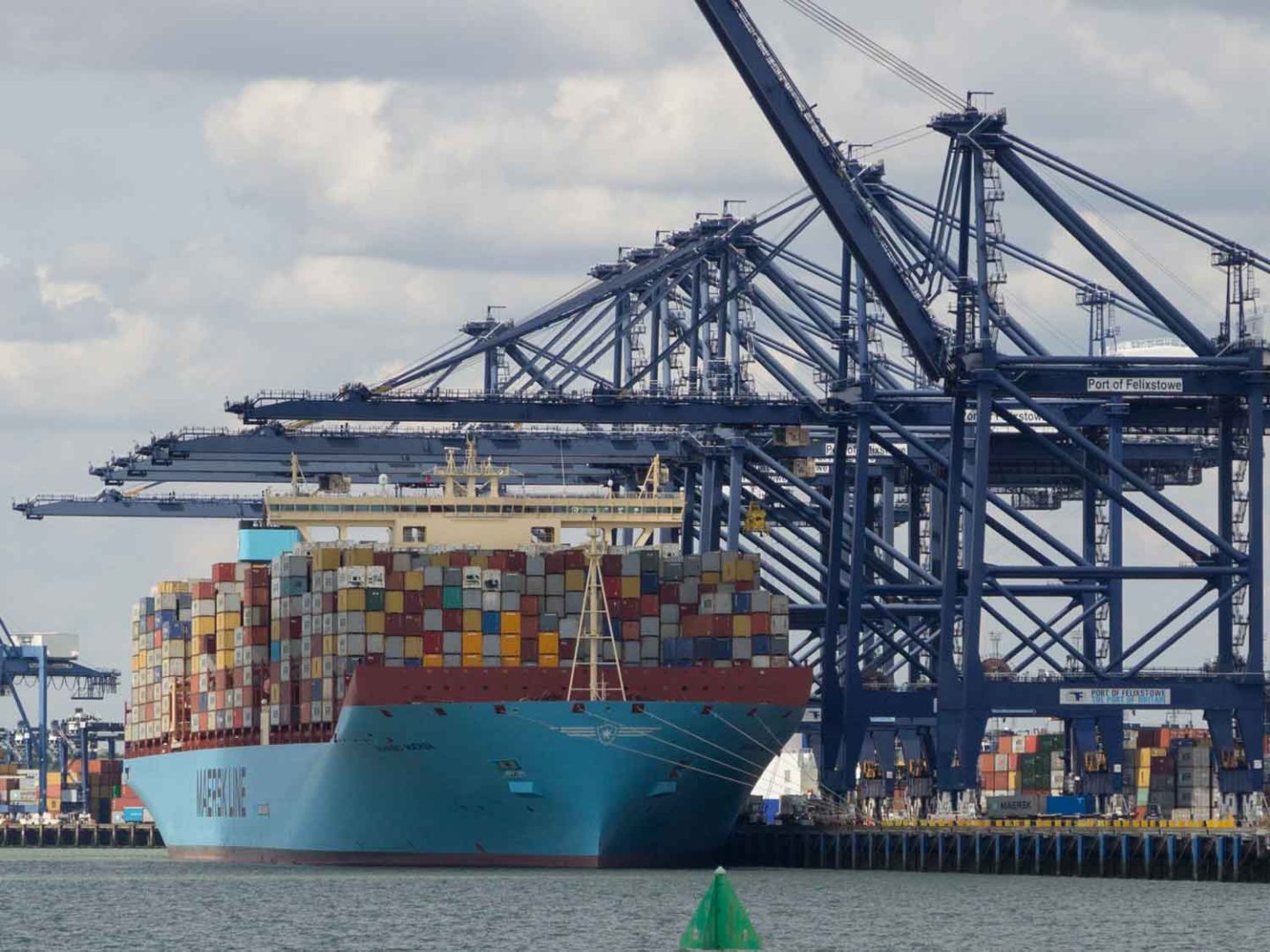
Container shipping normally follows a traditional demand curve, with rates climbing into Chinese New Year, softening through spring, and then building towards a Q3 peak. But not this year.
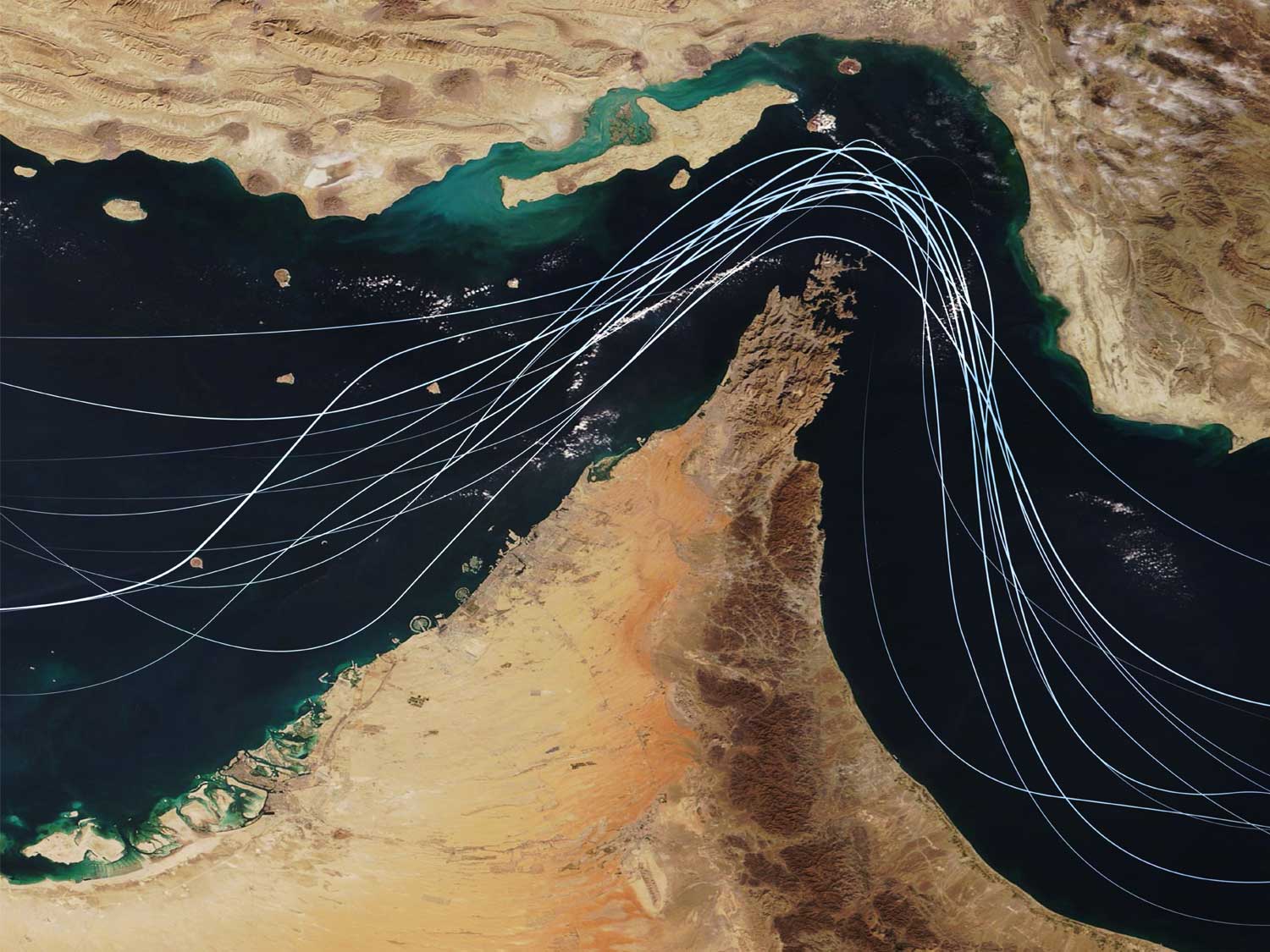
The crisis around the Strait of Hormuz is introducing an extra layer of cost and volatility, which means that instead of a gentle spring lull, the market is moving into peak‑like conditions earlier, and from a higher baseline.
Analysis of more than a decade of data shows how sharply 2026 has diverged from normal patterns on key trade lanes.
Shanghai–Los Angeles rates typically peak three weeks before Chinese New Year as shippers rush orders out, then fall into a sustained post‑holiday slump. This year, the usual pre‑CNY dip was deeper than normal and was followed by an unusually sharp post‑holiday drop. Instead of then drifting sideways, spot rates turned and climbed steeply, with east and west coast transpacific spot rates well above where they would usually sit at this point in the cycle.
On Asia–North Europe, the deviation from normal seasonality emerged slightly earlier, with a two‑week offset, and post‑CNY declines less severe than on the transpacific. The premium over “normal” seasonal levels initially surged, then faded, only to re‑emerge as rates climbed again and remain elevated. The Mediterranean trade has swung even more sharply, with early premiums peaking, dropping back to zero and then returning close to the highest levels.
Analysts are cautious about attributing every dollar of these increases to Hormuz, acknowledging that localised supply‑and‑demand factors also play a role. But the break from normal seasonality coincides closely with the crisis, and there is now a clear correlation between Gulf risk and an extra layer of cost in spot pricing.
Early peak, fuel pressure and front‑loading
Since carriers began diverting away from the Red Sea, importers have tended to order earlier to make sure boxes arrive before China’s Golden Week at the start of October. With longer transit times, containers loaded after mid‑October may not reach destination in time for the main holiday season, so some of the traditional late‑Q3 peak has already been brought forward into late Q2 and early Q3 in recent years.
In 2024, Asia–Europe rates started climbing in early May and peaked by mid‑July. In 2025, after seeing that the previous year’s May start was probably earlier than necessary, prices picked up in early June and again peaked in mid‑July. This year, some carriers are already reporting an uptick in demand on Asia–North Europe and Asia–Med, with daily prices already reacting to mid‑May general rate increase attempts and further rate hikes announced for June.
On top of that, bunker costs jumped after the latest Middle East escalation at the end of February. Emergency fuel surcharges quickly appeared on spot shipments, but contract cargo is tied to quarterly bunker adjustment factors. That has created a powerful timing incentive, with exceptionally strong shipper demand through late May and into June from larger cargo owners looking to move as much as possible before 1 July, when the next quarterly BAF reset will automatically push up contract freight rates.
Capacity constraints and blankings
Higher oil prices and longer routes via the Cape or alternative legs around the region have increased bunker and operating costs and tied up a large slice of global container capacity in longer voyage cycles.
At the same time, the supply side is tight. Few new ships are being delivered directly into the main Asia–Europe and transpacific loops in the near term, keeping the market “short of ships” and charter rates firm. Alliance partners are also using blanked sailings more actively. Instead of restricting blankings to Chinese New Year and Golden Week, carriers are using blankings as a flexible tool to match capacity to demand and support higher rate levels.
New alliance structures and more tactical service adjustments allow carriers to shift capacity more quickly between trades. For shippers, that can translate into sudden changes in available space and short‑notice rate moves, even outside the traditional peak window.
What this means for the 2026 ocean peak
Taken together, these factors are pulling peak‑season conditions forward and widening the window of risk:
- Rates on key east–west trades are already running several hundred dollars per 40ft above where they would normally be for this stage in the year, even before the usual late‑Q3 build‑up.
- Bookings and volumes on Asia–Europe trades are strengthening earlier, as shippers bring orders forward to secure space, get ahead of bunker‑linked increases on 1 July and hedge against further Gulf‑related shocks.
- With limited new capacity entering the market, more dynamic blanking strategies and ongoing uncertainty around Hormuz and the wider Middle East, the system has less slack to absorb sudden volume surges later in the year.
For UK importers, the practical message is that the “traditional” Q3 ocean peak is being replaced by a longer, more uncertain high‑risk period, starting in late spring and running through to the autumn.
Some of the early‑season rate increases may not fully stick, but geopolitical risk and fuel cost pressure are now baked into the market rather than being a passing anomaly.
Through proactive capacity planning and contingency-focused supply chain support, Metro helps customers respond effectively to disruption, changing demand patterns and peak season uncertainty. EMAIL Managing Director, Andrew Smith, to learn more.