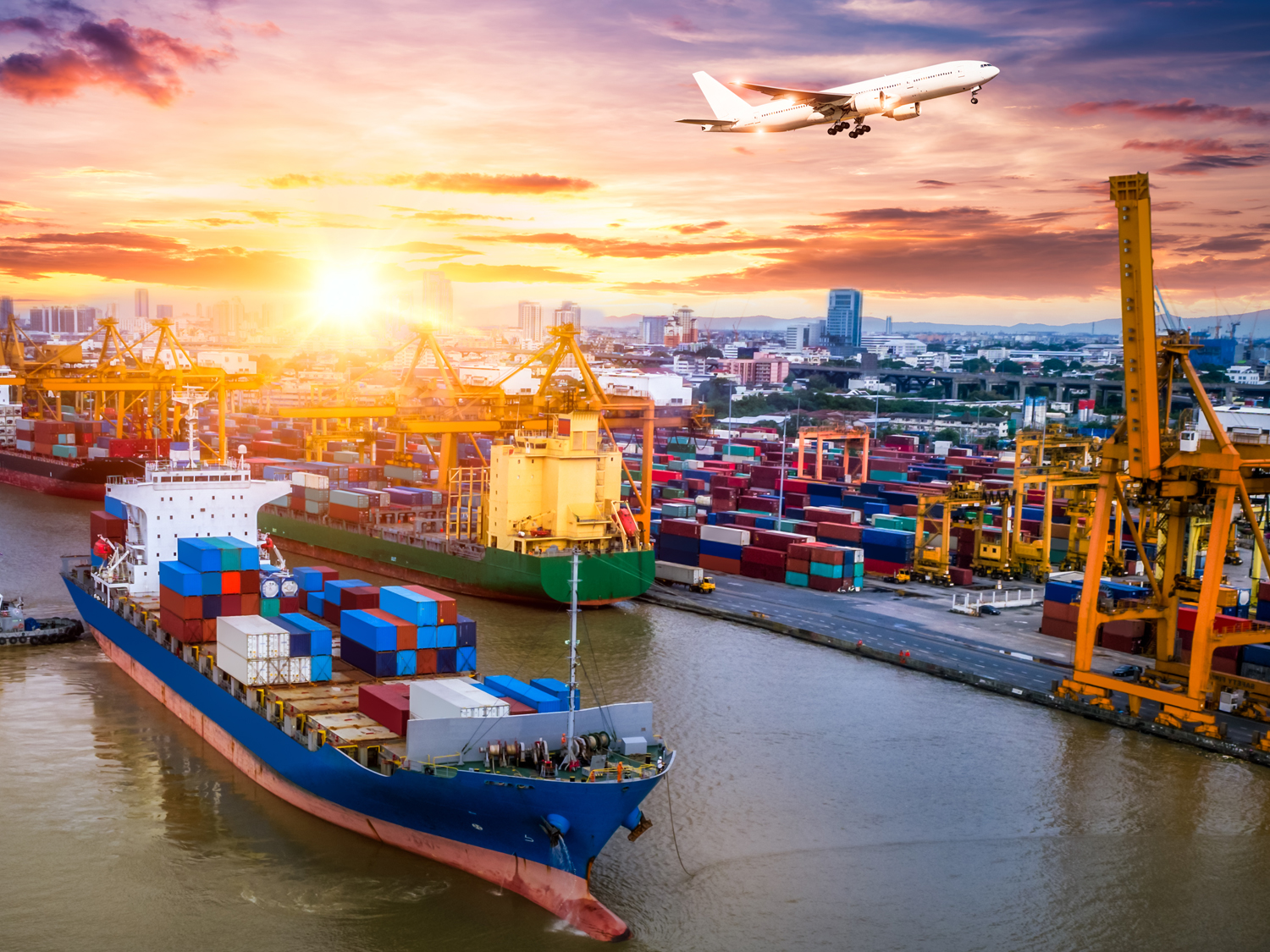
Coronavirus impacts air and sea freight

The sea and air alternative from China

China to Europe rail freight services have grown massively since the advent of the COVID pandemic, with volumes surging 29% last year. But with services transiting Russia and Belarus sanctioned and the Ukraine route halted, the equivalent of 1.46 million TEU needs alternative solutions.

Trains are still running along the Trans-Siberian route, but Russian Railways has been sanctioned so bookings have been suspended, with much cargo diverting to slower ocean services.

While cargo is not directly targeted, the uncertainty surrounding sanctions against Russia and Belarus means there is a very real risk of shipments getting stuck in either country during transit and there is no evidence yet of the impact of sanctions on insurance and settlements.

The China-Europe rail freight service from Shanghai has reportedly seen a 40% drop in bookings and its frequency has been reduced, while the Silk Road freight train from Vietnam, which operates via Zhengzhou, has been suspended. 

Alternative rail routes operate below the Trans-Siberian, through Kazakhstan, Azerbaijan, Georgia and Turkey via the Caspian Sea, or Romania via the Black Sea.

These routes mean longer transit times however, and could potentially face increased congestion, with seven or eight reloading processes before arrival in Europe.

The southern lane via Baku and Istanbul is likely to be a popular choice for rail enthusiasts, departing from Xian, with a mooted transit of 35 days to Germany, although this is likely to be longer and another 5+ days need to be added up to arrival terminal.

In practice sea freight rates are less and the transit time to main European ports faster and arguably safer than rail. Any substantial volume shift from rail to sea is likely to increase congestion, with demand increasing over 5% on an already over-subscribed trade route.

The effective alternative

Avoid the uncertainties and inefficiencies of sea and rail, by combining effective and reliable sea services, with dependable and rapid air cargo services, for reliable time-sensitive freight solutions from Asia.

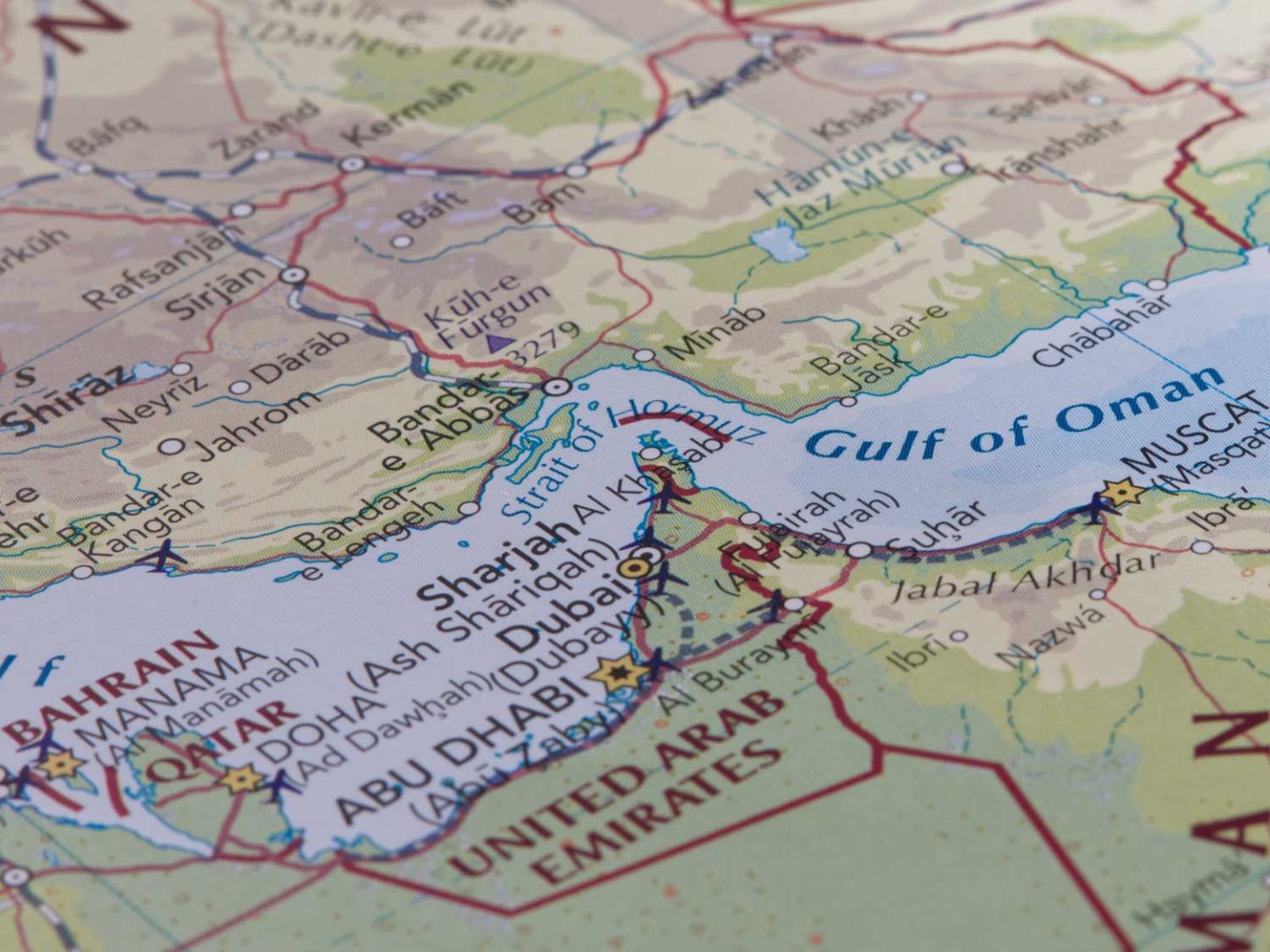
Metro sea/air services operate via established and proven hubs in Singapore and Dubai, together with a selection of secondary transhipment hubs, to provide greater resilience against disruption and additional routing options for speed and cost options.

The most effective sea/air solutions use feeder vessels to move the freight to where the most appropriate air freight capacity and routing is available, at the most attractive cost. 

The first leg of transit is undertaken in a conventional ocean freight container, often on low-cost feeder vessels, but always on a direct and much shorter transit than would be the case on an all-ocean service.

This reduces the impact of incidents at ports and avoids delays, because short-sea transits have not been impacted by the service disruption and cost increases seen on deep-sea services.

Singapore and Dubai are two of the biggest pure freighter and passenger freighter airports globally, which means they retain a relatively high number of passenger flights, and consequently critical belly-hold capacity.

We continue to receive daily booking and departure requests and have the capacity, ability and reliability needed to deliver within timelines and to your deadlines.

We operate regular services from all major areas of manufacture; with Singapore servicing the Far East and South East Asia trades and Dubai geographically well located to serve suppliers in the Indian Sub-continent and further afield. Expert solutions that work, and have done for decades, when the market needs them – as they do now.

We recommend sea/air as a standard component in your supply chain toolkit, to plug gaps and fix delays. Elliot Carlie and Andy Brooks head the sea/air team and are available to discuss your situation and requirements.

businessman stressed

2021; a year of supply chain challenges

All around the world, companies have been impacted by supply chain challenges in 2021. With the pandemic’s disruption exacerbated by ‘Black Swan events', from Brexit, to the Suez Canal blockage, we have been working tirelessly to help our customers overcome these challenges and share critical information, so that they are always informed of what lies ahead.

Ensuring the right product is available for delivery, to the right customer, at the right time, in the right quantity and in the right condition becomes increasingly difficult when supply chains are pressured and unforeseen events impact operations.

To keep our customers and followers informed during 2021 we have been approached for our opinions regularly by the trade and national press, contributed to countless articles and shared breaking supply chain news, guides and insights, including:

  • 40 supply chain bulletins, to a combined audience of 32,000
  • 200 news updates on our web site attracting >100K page views
  • 1000+ social media posts, reaching over a quarter of a million users

Our first bulletin of 2021 highlighted early Brexit-related issues and outlined the rates, vessel space and equipment availability challenges that lay ahead.

A few bulletins in and we were considering the supply chain impact of the UK’s vaccine programme and, in preparation for the anticipated volume increases, were adding new personnel in key operational departments.

US port operations, particularly on the West Coast began to buckle under relentless volumes in early March, while European, North American and UK ports were anticipating a lull after the Evergreen EverGiven blocked the Suez Canal for six days, from the 23rd March. 

Lockdowns continued to ripple across Asia from April and container equipment shortages really began to bite, exacerbated by the ‘Suez Effect’, driving desperate shippers to move urgent cargo to air freight, with massive rate increases impacting many trade lanes and Metro’s Sea/Air services proving very popular with increasing numbers of smarter shippers.

May; and the same week we’re urging shippers to start planning their Christmas shipping schedules, the key Chinese port of Yantian stops accepting containers, after a coronavirus outbreak in the port area. Within weeks and the impact of the port’s closure has spread way beyond southern China, with carriers recording their worst ever transit times and rates at historic highs - 1,000% higher than 2020!

News of the heavy goods vehicle (HGV) driver shortage made mainstream news in June and Yantian finally opened, though Ningbo was to close just weeks later, after a single port worker tested positive for COVID-19, contributing to further sea freight rates increases, pushing increasing quantities of ‘distressed’ ocean cargo to air freight.

Throughout the year, while air freight has been uncertain, it has proven stable in comparison to shipping, with airlines being reactive and agile, switching on flights quickly to meet demand, where they have perceived a reasonable return on the investment and we have been ready to add charter capacity, to ensure that our customers’ expectations are met and delivery deadlines achieved.

Into the 3rd quarter and vessel space and the container equipment crunch continues, with market demand exceeding supply and rates skyrocketing. HGV drivers are considering strikes for better conditions, while demand for haulage is more than twice the 2019 level and 70% of hauliers are concerned about EU border checks due to come into force at the beginning of next year.

Metro’s technology team, meanwhile, have been integrating HMRC’s Customs Declaration Service (CDS), which will serve as the UK’s single customs platform, with our market-leading MVT supply chain platform and the CuDoS system, which automates and submits customs declarations in line with HMRC and EU regimes.

Our team also supported the development and adoption of emerging technology, across the shipping industry, by participating in the successful testing of new e-Bill of Lading (eFBL) standards, with FIATA , the trade association for 40,000 freight forwarding and logistics firms in 150 countries.

The final quarter of 2021 and the HGV driver shortage is intensified by further losses to the retail sector, factories in China are forced to close, due to power shortages, container carrier reliability drops to all-time lows, with ports subsequently omitted, to try and restore schedules.

Passenger airlines finally begin to convert and reduce the number of aircraft operated in ‘preighter’ configurations and return to flying scheduled passenger services on European, transatlantic and long-haul routes. 

As the year draws to a close, experts warn that the UK may run out of warehouse space, many shippers are still not ready for full UK border controls, manufacturing costs reach a three decade high, Omicron makes its debut and we share some Critical Christmas considerations.

This year we have also welcomed 60 new colleagues, to our Birmingham HQ and expanded our operations and platforms significantly, to ensure we deliver continued excellence, proactive communication and essential planning to customers. It’s what we do, to ensure we remain at the forefront of the industry, leading the evolution of freight and the dynamic solutions that benefit your supply chains.

However this year ends and whatever next year brings, you can rest assured that we will be available and ready to keep your supply chain running. Let’s keep talking and evolving as partners in an unpredictable environment and world. You are in safe hands!

Thank you for your support, Merry Christmas and Happy New Year.

Sea Air 1

Freight market report – December 2021

With supply chains battling through overwhelmed transport systems, material shortages, and infrastructure disruptions for close on two years, we asked our partners in seven key markets to share their thoughts on critical operational elements, including demand, capacity and rates. 

BANGLADESH | CHINA | DUBAI | INDIA | PAKISTAN | SRI LANKA | USA

AIR

In most regions airports are operating normally, or are improving, though there is uncertainty about the impact of Omicron and there are backlogs and operational challenges at Indian hubs.

Shanghai is a notable exception, with strict quarantine regulations in place for ground handling since September, restricting number of flights flown and the airport’s operational capability, which has been massively exacerbated by a PPE and test-kit peak lasting till early November. 

Continuing congestion at key European and US gateways are highlighted as a particular issue by the origins and in the UK there is limited handling capacity in BHX, GLA, NCL, LHR and MAN, though clearances are being done on time.

While no new capacity has been added, most origins noted the resumption of passenger flights, but the return of belly-hold space for passenger luggage has been at the expense of cargo capacity.

Freighters are operating from all origins, but at many they are ‘Preighter’ conversions and from China - and particularly Shanghai - are almost exclusively committed to eCommerce and rapid-test kit cargo.

Perhaps unsurprisingly rates ex Shanghai are soaring, with increases of 10-15% in the last week.

Rates from Sri Lanka have softened, but are expected to harden, bringing them into line with every other major trade route.

SEA / AIR

It is worth highlighting the situation at Dubai, where airports are operating to 90% capacity, with efficient handling and no delays.

The air freight market is particularly buoyant, with no sign of the peak season slowing and multiple carriers serving airports across Europe and the UK, with scheduled flights, including a new gateway at London Gatwick.

The high yield to US destinations is encouraging many direct carriers to divert services away from Europe to serve trans-Pacific routes, which is hugely increasing the popularity of our Sea Air and Air to air options via SIN / CMB / DXB /AUH/ DOH for shippers seeking more economical options.

OCEAN

The availability of equipment, which has been such a problem for 12 months or so, has been improving at many origins, though India, Sri Lanka and Bangladesh prefer some time to position specific equipment and Dubai need advance notice of bulk shipments of ten containers, or more.

Transhipment ports in Asia are facing some delays, with Singapore and India ports experiencing berthing delays of two days and Sri Lanka three to four days.

Earlier in the year the US ports of Los Angeles/Long Beach had 25-30 vessels waiting in the harbour and today there is approximately 80-90, with the East Coast (NYC, SAV, MIA) seeing between 20-40 vessels. 

With port operations elsewhere largely improving, we would hope to see carrier schedule reliability follow suit, but nothing can be taken for granted.

Demand from China is still high and carriers are keeping rates high, as they are expecting demand to stay strong till Lunar New Year and we can only expect rate levels to reduce should there be a drop in demand.

From other origins demand varies, but is consistently strong enough to keep rates elevated and the lines deferring contracts in favour of FAK spot rates.

RAIL

Despite the launch of new services and routes, and plans to modernise infrastructure, rail services from Asia have been increasingly overwhelmed by volumes, suffering catastrophic congestion and delays at key points.

The only SE Asian origin that has a potential rail freight service to Europe is from Vietnam (Hanoi/Haiphong) but that service is so oversubscribed, due to very limited capacity, that we would not consider it a viable option.

In summary, inflated prices and transit times that have doubled (35 days + 7 to 14 days for transfer to UK), due to congestion everywhere, mean that rail is taking as long as sea freight and costing considerably more. It is not worth considering at this time.

The supply chain impact of Omicron is still to be felt, which is why we continue to monitor the emerging situation closely with our network partners.

We will share important news and developments, often before it is in the public domain, so that you can make informed decisions and protect your supply chain.

For further information, or to discuss any particular concerns, please contact Elliot Carlile or Grant Liddell.

Metro will always provide you with the best alternatives and options, supported by a proactive team, leading-edge technology and open communication. Supply chain solutions that are designed around you, your situation and needs. 

Coronavirus update 27th March

Air freight market more than challenging

Despite the massive challenges, our air freight team continue to find solutions for critical cargo and our Sea/Air services are invaluable for time-sensitive shipments. With options from across Asia, via a choice of hubs including Singapore, Colombo and Dubai, we offer the widest choice of service, transit and rates.

There is a massive surge in demand for air freight globally, but particularly across Asia, due to continued shipping disruption. Vessel and loading delays at loading ports are negatively impacting transport from origins, that are further compounded throughout transit to arrival port, with haulage issues added to the mix, when they do eventually get released to destination. 

The same scenario is being experienced to some extent globally and particularly across the USA, which has endured more turbulence than the UK.

Despite this massive and sustained demand, air capacity from China and Hong Kong continues to suffer due to COVID restrictions, as Cathay’s August volumes confirmed, at just 66% of the same period in 2019. 

Enhanced Covid rules at Chinese airports are impacting ground handlers and air crew, which drives down capacity and as a result rates are climbing daily on all routes driven by supply versus demand dynamics, with China-US air cargo rates reaching new highs, even beyond those experienced in 2020 during the PPE supply crisis.

The absence of passengers - and scheduled flights - is creating challenges in capacity, as shippers gear up for peak season. Goods continue to fill fewer planes, but worsening long haul passenger demand hinders freight growth, in particular between Asia and Europe and the Americas.

Converted ‘Preighters’ are unlikely to offset rising air cargo demand and there is a finite number of pure freighters available in the market which will add delays as peak season continues to build.

Retailers, as widely publicised in the national and international press, are desperate to ensure that shelves are stocked for the Christmas period, but reliance on time critical air freight increases pressure on global air cargo supply chains. 

And this pressure will increase even further when the traditional air freight peak season picks up pace, with tech product launches and manufacturers trying to restore reduced stock and inventory levels.

Shippers are increasingly turning to our Sea/Air services, with demand up 25% over the last week, and climbing at all major hubs including Singapore, Colombo and Dubai, as shippers move urgent consignments to gateway airports where they can be transferred to air freight.

The traditional ‘go to’ charter option is increasingly difficult to obtain, with three to four week lead time weeks and the North American market draining capacity, by paying much higher rates and making transpacific routes more lucrative.

Scheduled flights are still very limited and even though freight rates are high airlines are still losing money, without revenue from passengers, which means that cargo is the prime income for many, as it has been for the last 18 months, which is keeping pricing high and forcing it higher.

Airlines are not negotiating like shipping lines, by seeking longer term contracts, but are leveraging the supply chain versus demand imbalance to create a ‘pay to play’ environment, that maximises revenue potential.

Despite the massive challenges, our air freight team continue to find solutions for time-sensitive shipments, but it can take up to three weeks to get lifted from some origins. 

We work closely with our global network to monitor market capacity and identify service opportunities that might benefit our customers.

Evaluating and blocking space on viable services early, is a critical factor in achieving deadlines based on customers’ requirements and expectations, including the constant recalibration of our hybrid sea/air platforms and hub services. 

Please call Elliot Carlie or Grant Liddell for further insights and advice. 

As much visibility and planning into the final quarter that you can provide will ensure that we can create a tailored and bespoke solution, to deliver your product to market – at the right time.