The latest Global Trade Observatory Outlook, based on insights from more than 3,500 senior supply chain executives, highlights a contradictory confidence in trade growth, while the conditions that support growth are increasingly fragile.
Global goods trade reached record levels in 2025, exceeding $26 trillion, but growth is expected to in 2026 slow as cost pressures and operational complexity increase.
Recent developments underline how fluid the global trade environment has become.
The European Union has approved a trade agreement with the United States, but only with strict safeguards in place. Conditional clauses and review mechanisms have been built in to protect against policy shifts and ensure compliance.
At the same time, the UK’s own trade position with the US remains under review, creating uncertainty around tariffs, market access and regulatory alignment.
For businesses, this introduces a more complex planning environment, because trade agreements are no longer fixed frameworks, but are increasingly conditional and subject to change.
Disruption Is now continuous
Alongside policy uncertainty, operational disruption continues to reshape supply chains.
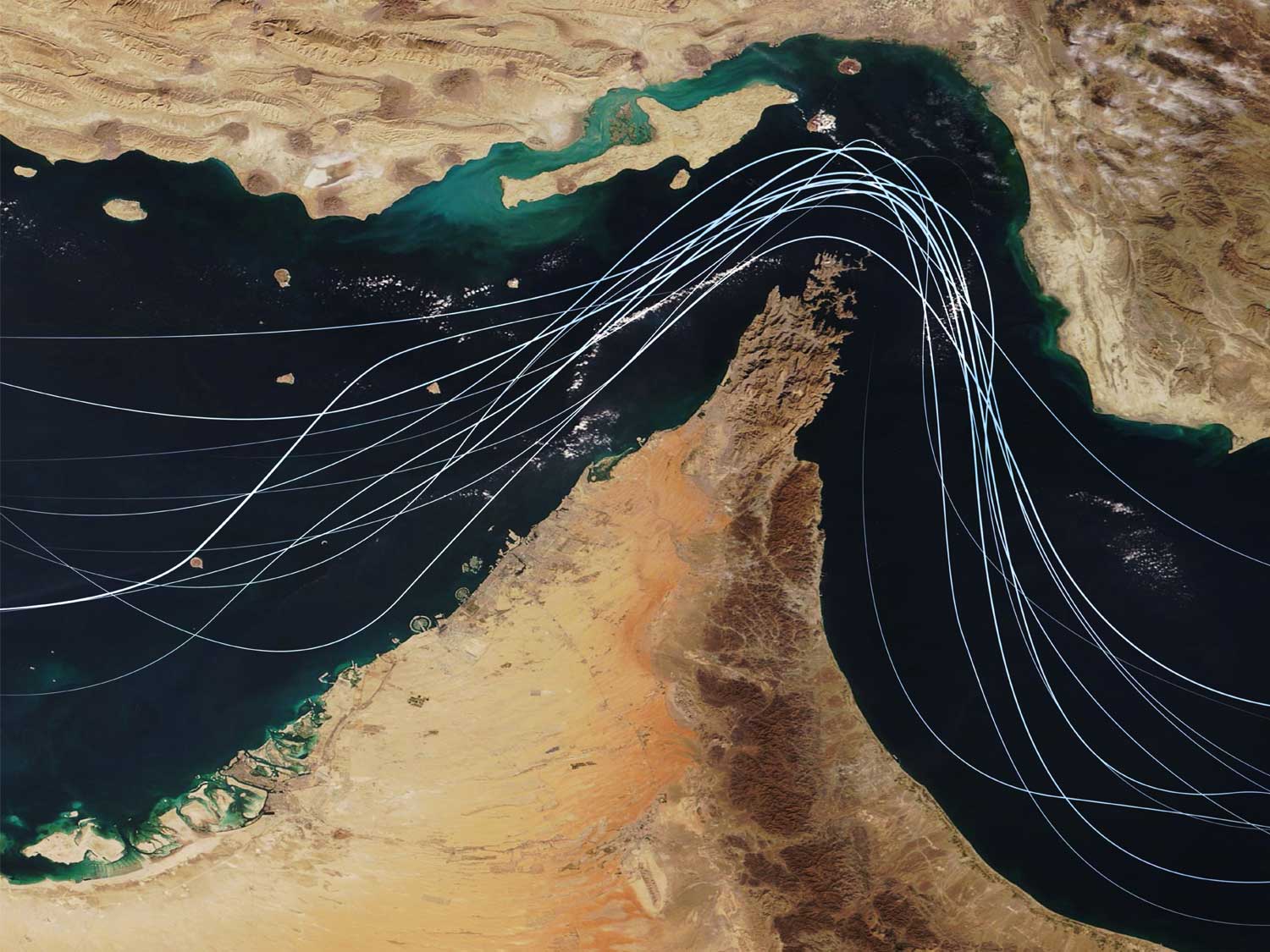
The Middle East situation has already tightened capacity, extended transit times and increased reliance on alternative routing. Air freight availability has reduced in certain markets, while multimodal and inland solutions are absorbing diverted volumes.
At the same time, cost pressure is building across the supply chain, though nearly half of supply chain executives had been expecting moderate or sharp cost increases, with transport, labour and customs compliance costs rising.
These pressures are no longer isolated. They are systemic.
Inventory strategies are also shifting. With 44% of businesses increasing stock levels, delays today risk translating into availability gaps in the coming weeks.
Buying cycles are tightening, with orders placed later but expected to arrive faster. The tolerance for delay is reducing, because there is less margin for error.
Confidence Is now built on capability
Despite these challenges, businesses remain confident.
This confidence is not reliant on improving conditions. It is based on improved capability, with 46% of businesses planning to use new trade routes, and a further 23% actively evaluating alternatives.
It is this ability to adapt, rather than the expectation of stability, which will drive growth, with success depending on:
- Rapid route adjustment
- Cost control under pressure
- Maintaining flow during disruption
- Navigating changing regulatory conditions
Logistics is no longer a support function. It is a performance driver.
Supporting Trade in Volatile Conditions
The companies that succeed will be those that can absorb disruption, adapt quickly and maintain control across increasingly complex supply chains.
Metro works with UK importers and exporters to maintain control in exactly this environment.
Multimodal Flexibility
Integrated sea, air, road and rail solutions allow rapid adjustment to changing capacity and cost dynamics.
Route Optimisation & Corridor Expertise
Dynamic routing strategies avoid congestion, mitigate risk and maintain transit reliability as conditions shift.
Carrier Relationships & Capacity Access
Established partnerships help secure space and maintain flow when availability tightens.
Cost & Performance Control
Consolidation, mode optimisation and advisory support help manage inflationary pressure while protecting service levels.
Visibility & Decision-Making
Real-time tracking and performance insight enable faster, more informed decisions when disruption occurs.
If your supply chain is being impacted by regulatory change, rising costs or network disruption, EMAIL Andrew Smith, Managing Director to learn how we can help you adapt and continue to grow with confidence.