Chinese New Year 2026 falls on Tuesday, 17 February, marking the start of the Year of the Fire Horse. While the official public holiday in China runs from 17–23 February, the operational impact on global supply chains is far longer.
In practice, factories, trucking networks and export operations begin winding down weeks before the holiday. Full production and logistics capacity typically does not return until early March, meaning the effective disruption window stretches across six to eight weeks.
In the run-up to Chinese New Year, ocean carriers are releasing significantly more bookings than they can physically load. This reflects the need to honour minimum quantity commitments (MQCs) while simultaneously building vessel pools ahead of the holiday shutdown.
The consequence is a sharp rise in rolled cargo at ports of loading and transhipment hubs. Confirmed bookings are increasingly failing to convert into loaded containers, particularly where space has been secured on standard spot terms. Even services that previously offered a degree of loading assurance are now seeing rollovers as pressure builds.
“Guaranteed” loading is increasingly limited to premium, prepaid options, while some previously protected spot services are now also experiencing rollovers. For shippers, this means booking confirmation alone no longer equates to reliability during the pre-CNY window.
Congestion is building at key Chinese ports
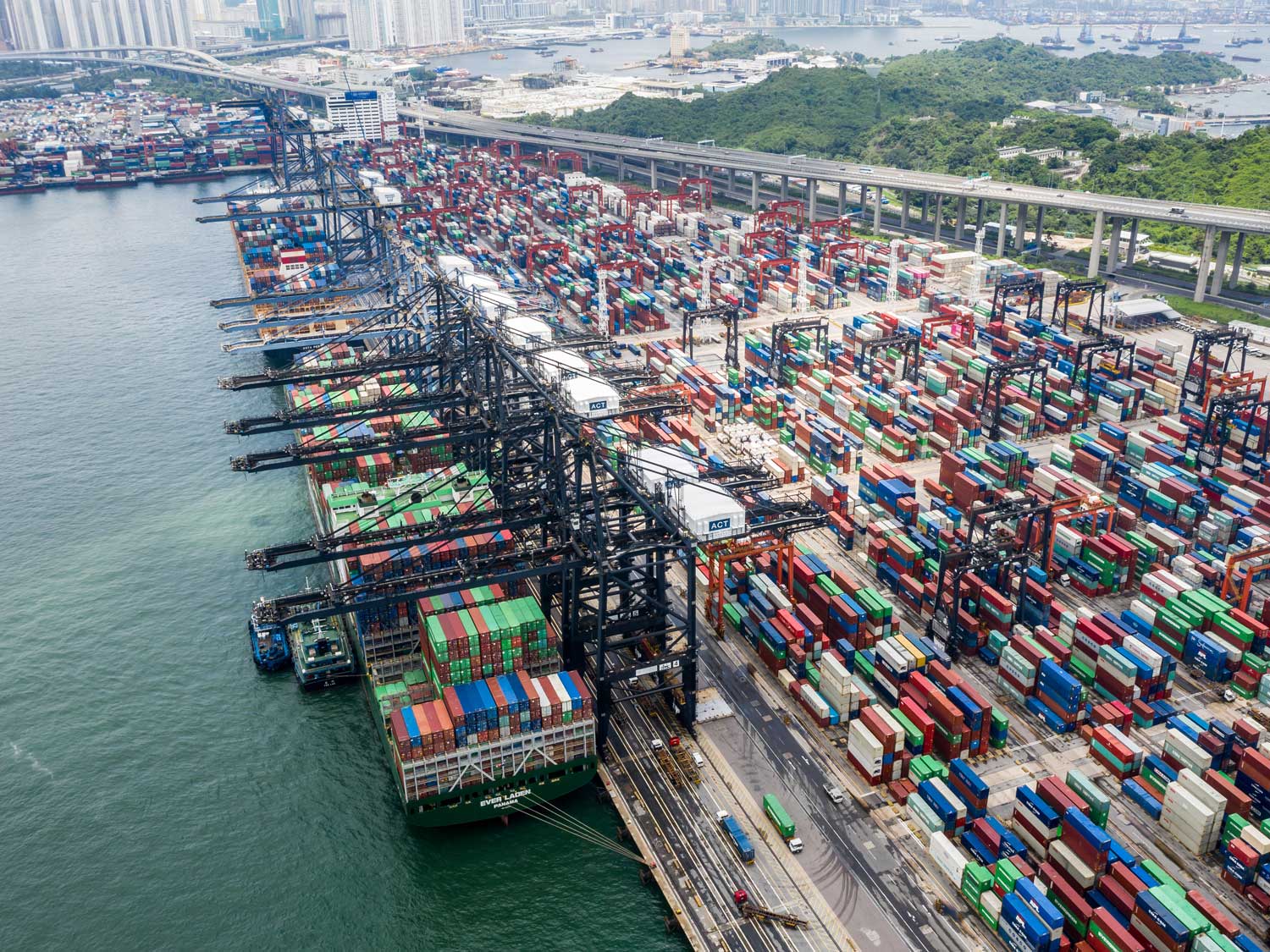
The impact of overbooking is being felt most acutely at Chinese ports of loading, where inbound container volumes are exceeding what terminals can process or load onto vessels.
Ports such as Ningbo and Nansha are already experiencing severe congestion, with vessel delays compounding the problem. In some locations, terminals are restricting gate-in to containers with pre-booked slots only. Once a vessel’s allocation is reached, additional containers are rejected, forcing cargo to wait for later sailings and triggering extra storage, trucking and handling costs.
Even where shippers deliver cargo early, there is no guarantee it will be accepted or loaded as planned.
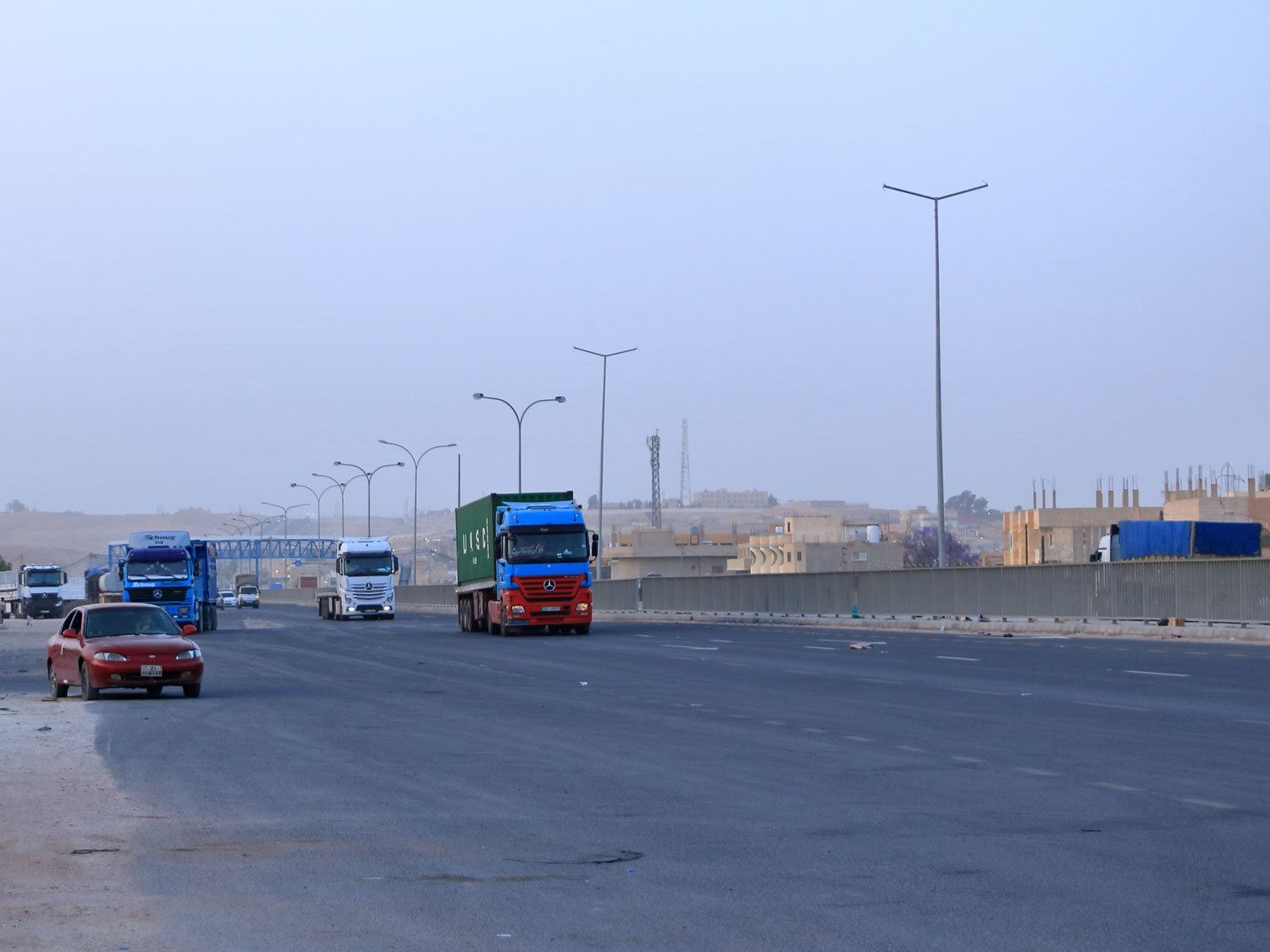
Alongside port congestion, a series of inland constraints are converging. Equipment shortages, delayed EIR release, limited truck availability and labour shortages are all becoming more pronounced as workers begin leaving ahead of the holiday.
Access to gate-in slots is tightening, CY cut-offs are less flexible, and minor delays can quickly cascade into missed sailings. These constraints mean that execution risk is now driven as much by inland logistics as by vessel capacity itself.
What this means for shippers
The key challenge for 2026 is that Chinese New Year disruption is not a single event, but a prolonged period of reduced reliability. In the Year of the Fire Horse — traditionally associated with speed, intensity and unpredictability — supply chains are feeling the effects in real time.
Some shipments will be rolled repeatedly. Others will ultimately miss the pre-holiday window altogether. As the holiday itself approaches, the focus shifts from optimisation to prioritisation: deciding which cargo must move and which can wait.
Planning beyond the holiday
Risk does not end on 23 February. Cargo that fails to ship before the holiday is likely to face a post-CNY gap of two to three weeks, as factories, terminals and trucking networks restart gradually. Many operations do not return to full capacity until early March, creating a temporary vacuum and renewed pressure on early post-holiday sailings.
If you are shipping from Asia ahead of Chinese New Year — or planning post-holiday restart volumes — now is the time to review priorities and timelines. EMAIL our Managing Director, Andrew Smith, to assess options and manage risk across your supply chain.