Shanghai lockdown

China Update; Testing prompts Shanghai lockdown scare

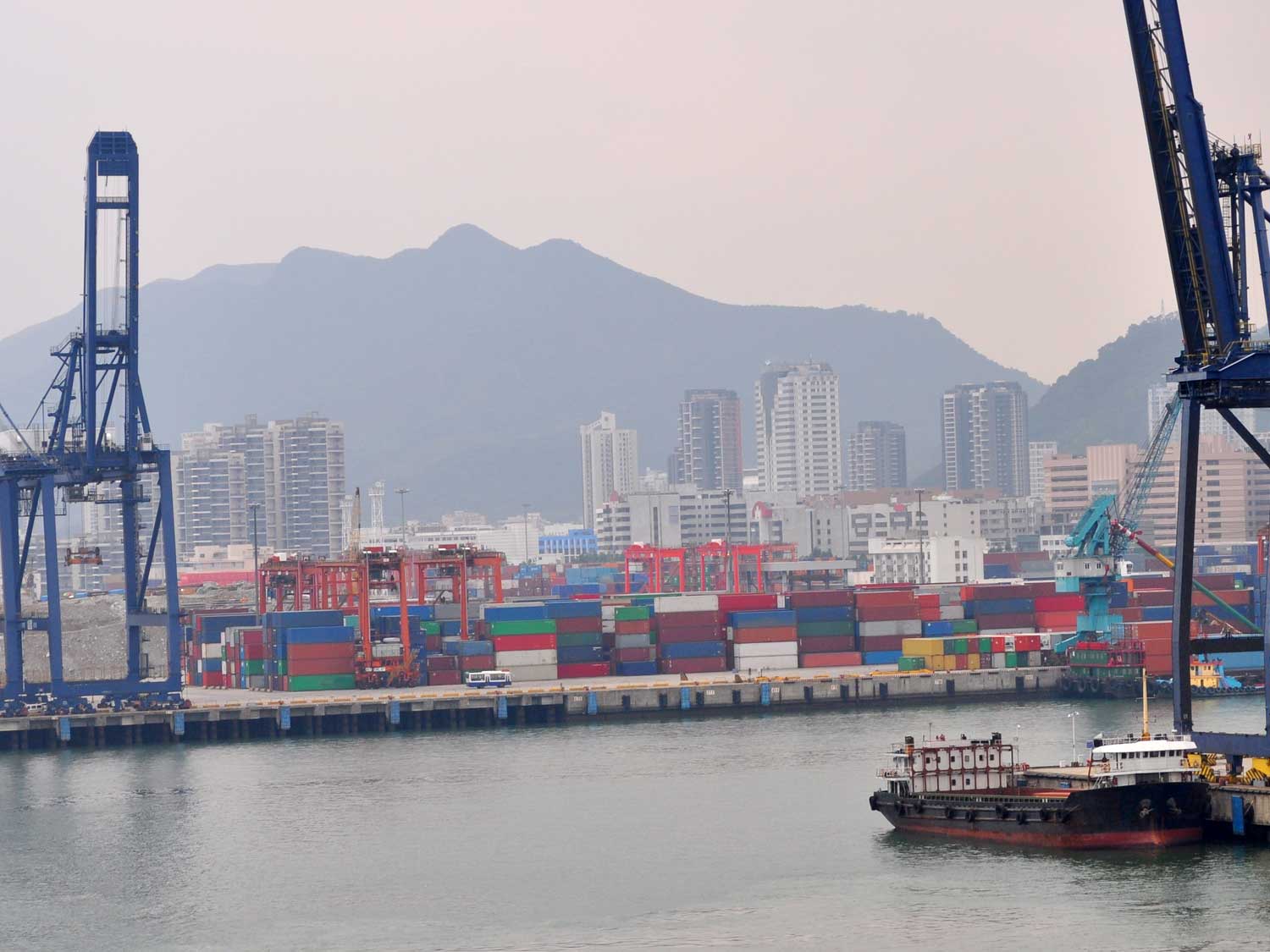
With individual district lockdowns and mass testing again underway, the trade press have been reporting that Shanghai could go back into lockdown, which would be a major disruption as we enter the traditional peak season.

It’s been just six weeks since Shanghai emerged from its two-month zero-COVID lockdown and several districts have been subjected to lockdowns and mass testing again.

Officials said the measures were needed to avert another citywide lockdown, but the press highlighted that mass testing has generally been the precursor to further lockdown restrictions in China.

Our colleagues in Shanghai confirm that localised short-term lockdowns and testing did take place in a number of districts, but they are not experiencing any issues moving sea or air cargo.

And even with more widespread testing this week, in nine of 16 districts, they think that a total lockdown is unlikely. They anticipate more focused lockdowns, that concentrate on specific districts, which would be far less disruptive to supply chains.

The lockdown threat is not limited to Shanghai, with 30m people currently under some form of COVID restrictions, with hot spots in Henan province and Guangzhou, which is also carrying out mass testing again.

The latest Covid scare comes at a time when China’s ports and supply chains are already under pressure and raises fears that local lockdowns will result in further congestion in already strained ports.

Container ships visiting China have already been affected by recent typhoons, impacting operations in Ningbo, Shenzhen and Hong Kong, with fewer vessels berthing.

The average waiting time for vessels to berth at Shanghai last week was up from 12 to 24 hours and most terminals experienced severe congestion at Ningbo, due to the bad weather.

COVID testing requirements haven seen longer berthing times at Yantian and Qingdao had been impacted by fog and bad weather, with average waiting times increasing 48 to 96 hours.

Peak season, expected from late July and August, could see worsening congestion leading to potential delayed or blank sailings, if the situation deteriorates, which will continue to put pressure on capacity and rates.

We are working closely with our local partners to follow the evolving situation in Shanghai and around the country and will continue to share any important developments.

With the long term fixed price and capacity agreements we have in place with our partner carriers, we are well positioned to continue to deliver resilient, consistent and reliable supply chain solutions, however the situation in Shanghai develops.
Our cloud-based supply chain management platform, MVT, makes every milestone and participant in the supply chain transparent and controllable, down to individual SKU level, which means you can adapt and flex your supply chain, as the local situation changes. 

To discuss how our technology could support your supply chain, please contact Simon George our Technical Solutions Director or Elliot Carlile.

strike at port

Strikes put sea freight capacity  and reliability under further strain

Despite the UK’s recent rail strikes having little impact on container movements, the global increase in workplace militancy will inevitably start to disrupt supply chain operations, adding to port congestion.

In the same week that the RMT union ran its first week of strikes, road, rail and sea cargo operations were halted by strikes at the ports of Bremerhaven, Hamburg and Wilhelmshaven, and talks between unions and employers are increasingly acrimonious, which does not bode well.

Trucker strikes in South Korea ended the week before the RMT walkouts, after drivers agreed to extend a freight rate system that guarantees minimum wages, with the government providing subsidies to alleviate pressure on surging fuel costs. In the seven day strike, dwell times at Busan port quadrupled to 14 days and the backlog of containers is still being cleared.

After a two-week strike, signals and communications workers at Canadian National Rail have agreed to end their dispute and enter binding arbitrations, while major railroads in the US including Union Pacific and BNSF remain at an impasse with their unions.

After government mediation failed to reach a settlement with the railroads and unions, President Biden’s administration may need to intervene and prevent a strike that could cripple already-strained intermodal supply chains.

Also in the United States, the PMA and ILWU are continuing negotiations, despite the current labour contract expiring last Friday, and concerns are growing about the potential for West Coast port disruption.

No one expected a new contract to be in place by the time the existing contract expired, but with negotiations entering a more unpredictable phase, work stoppages, or informal slowdowns could materialise any time. Insiders insist that none are expected in the immediate future and that negotiations will continue, with a new contract possible, as early as August.

In addition to the strikes in Germany and the UK, a one-day national strike in Belgium closed Brussels airport and created some disruption at the port of Antwerp and strike action has been announced in Italy, Spain, Portugal, France, and Malta.

Industrial action is increasing sharply as the effect of rising inflation and the cost-of-living crisis is felt, with inflation in Europe rising above 8% and with wage increase offers typically below inflation levels, unions are turning up the pressure on employers, many of whom are making record profits.

Strikes, go-slows and lockouts reduce operational capability, which results in disruption, bottle-necks and congestion. High freight rates are caused by lack of capacity and lack of capacity is caused by vessels waiting, which is in turn caused by port congestion. If rates are to normalise any time soon, we need container equipment to flow normally through landslide supply chains and port congestion to be fixed. 

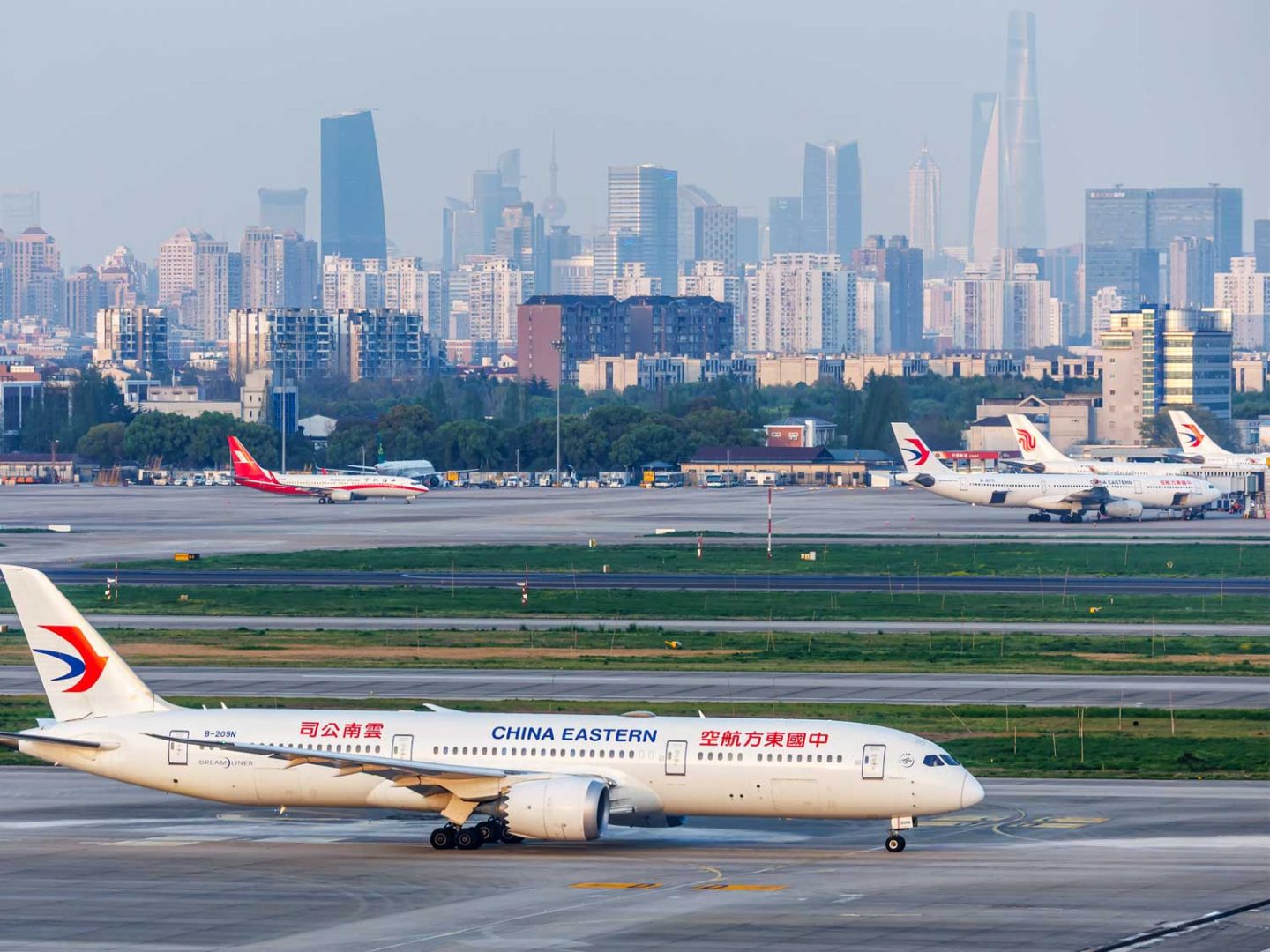
And then there is the impact on air cargo. Caused through potential direct strikes, by cargo handling operations and personnel, and more general strike activity throughout the UK and Europe, at airports and within airlines. And indirectly, by the cancellation of thousands of flights each week, to try to deal with the delays and failures within the sector.

No mode is currently untouched by world events, which continue to unwind, with resulting consequences.

The long-term agreements we have in place with partner carriers across all three alliances means that, whenever possible, we can adapt port pairs and routings, to work around bottlenecks, to maintain resilient and reliable supply chains.

Metro’s cloud-based supply chain management platform, MVT, supports flexible supply chains, by making it easy to adapt milestones and events on-the-fly, down to individual SKU level.

To discuss how our technology could support your supply chain, please contact Simon George our Technical Solutions Director or Elliot Carlile.

US flag and port

Interpreting mixed US peak season signals

With the Asia/Europe trade typically mirroring trans-pacific trends within weeks, we are watching how much US importers are pulling back on orders from Asia, and the degree to which container lines will adjust capacity, if demand suggests a slack US peak season, or alternatively a hectic and congested one.
 
The market had been expecting a hike in Trans-Pacific rates, with an early peak season beginning in late June, but with capacity and rates remaining stable, the peak season hasn’t yet materialised as anticipated. Shippers have been pulling back or even cancelling orders, while others have possibly shipped cargo early, to avoid a spike in spot rates, preferring the alternative of higher storage costs on arrival within the US.
 
Orders for Asian imports to the US have been rising since February, with the highest monthly volume of new orders suggesting very strong demand. Yet rates remain basically unchanged and premium rates imposed last year, when demand exceeded vessel supply, have faded, which suggests there is excess capacity in the trade for the first time in two years.
 
Some US retailers are reportedly pulling back on their purchase orders with Asian factories due to uncertainties over the direction of the economy and consumer spending from goods to services including dining out and travel. In addition the influence of foreign exchange, reliability of supply from Asian factories, delays within the logistics platform with shipping lines and ports and a trend for on-shoring are also having an impact.
 
With some US retailers slowing down orders until the direction of the economy becomes clearer, it is possible that the peak will be pushed back to late summer and be relatively compressed.
 
While spot rates may have softened the carriers have demonstrated that they are capable of managing capacity against sustained volume softness so it is likely we will continue to see elevated rates regardless of volume uncertainty.
 
That said, blank sailings haven’t been the issue this year, because vessel schedules have been so disrupted by congestion in Asian and US ports that the transpacific has experienced “structural” blank sailings, with vessel on-time performance from Asia to the US West and East coasts in April only about 20%, with capacity reduced by similar percentages.
 
Another significant issue has been shippers moving marchandise in from Asia early this year, to protect against possible west coast supply chain disruptions, if talks between the ILWM and PMA break down. The changes of which appear to be increasing.
 
So how does this effect you? The Trans-Pacific situation is very frequently a forerunner to the westbound Asia to Europe trades and they are intangibly linked with The European lanes generally following the same model a month or so later. So, as a precursor for the European market, it is worth being aware of the spot rate, schedule reliability, port congestion at origin and destination and any other influences on the US market, because invariably they filter through to the European trade.
 
We are working closely with our offices and network partners in North America to ensure product is delivered to market, without delay, however the peak season develops. We will also always have the most reliable services available in the market with our fixed validity contracted capacity model. In addition we have access to our own dedicated fleet of vessels to further enhance the access to container slots.
 
Contact Elliot Carlile to learn more about our US capabilities, or to discuss your supply chain requirements or the up and coming peak season so that we can ensure that you are prepared for the expected increased market activity. Bespoke and tailored services are what we deliver – based on knowledge, collaboration and partnership of all the links in your supply chain.

container lorry queue

Ports struggle to clear congestion ahead of peak

The re-opening of Shanghai after its extended COVID lockdown has not triggered the surge of sea freight that had been feared, but while volumes softened as a consequence, many UK and North European ports are still struggling with congestion.

High yard densities at container terminals and inland transport bottlenecks continue to aggravate port congestion problems, which are exacerbated by lack of port labour and shortage of truck drivers, that lead to increased dwell times for import containers.

Container ships deployed on the Asia-North Europe trade are still massively delayed to complete voyages, arriving in Europe 10 days late and up to 20 days late in China for their next round trip, forcing carriers to blank some sailings as there are no vessels available.

The time needed to discharge and load at the three biggest European container ports was a total of 36 days between arrival at Rotterdam and departure from Hamburg, largely as a result of a surge in ultra-large container vessels (ULCVs) from Asia. Such delays cannot be caught up by sailing back to Asia at full speed.

Delays for feeder vessels and inland waterway operators have been particularly bad, with delays at Rotterdam climbing from 66 hours to 89, with Antwerp’s hovering at the 37-hour mark, but delays in excess of a week are commonplace.

Several COVID infections have been reported within the Rotterdam workforce, with less gangs being deployed and the start of the school holidays next week will put operational capability under further pressure.

Long dwell times for transshipment and import cargo continue and off yard storage for custom blocked Russian cargo and long stay imports is now being fully utilised, with no empty containers being accepted until further notice, as a yard protection measure. Regular feeder calls in-between main liners are necessary to cope with the high yard utilisation.

The congestion in Antwerp and Rotterdam is impacting inland situation, with less trucking capacity - approximately 50% of usual transport capacity.

Yard utilisation stands at 90% in Hamburg and operations have been severely impacted by strikes and low productivity due to labour shortages, resulting in extreme waiting times for vessels.

Labour disputes are impacting French ports too and while train capacities are OK, local haulage is full at Toulouse, Bordeaux, Lyon and Gevrey for up to two weeks.

We are closely monitoring the situation throughout all European ports. You may think that delay and congestion in a European port does not have impact on your container movements, but it does. The consequences are delays for UK vessel calls and and extended overall transit time.

Metro try to work with the most reliable partner shipping lines, but with only 19% on-time reliability on the Asia to Europe trades (across all carriers) as reported in the trade press in 2022, this is not an easy task.
 
Metro issue regular market reports, including comprehensive statistics and we are happy to share these with our clients for transparency and visibility, on the current market situation and conditions. If you would like to receive this report please email your usual contact or call Grant Liddell who will be delighted to discuss and provide the detailed document.

To learn how we can help you avoid European/UK disruption and port congestion, please get in touch with our sea freight director, Andy Smith, who can advise on the best solutions for your ocean supply chain.