New York port 1440x1080 1

TPM and US review

Organised by the Journal of Commerce, TPM (Transpacific Maritime Conference) is the premier global shipping and supply chain conference, attracting senior executives from all areas of the industry.

Held annually in the port city of Long Beach, California, TPM brings together shippers, carriers, freight forwarders, intermodal operators and technology providers to discuss the most pressing global challenges and developments, for a week of essential networking, seminars, and relationship building.

With over one hundred presentations, interactive speaker sessions and networking events, and almost two hundred speakers, including leaders from the largest brands and carriers on the planet, TPM really is in a league of its own.

Metro’s Chief Commercial Officer, Andrew Smith, joined this year’s conference, to participate in TPM’s insightful panels and forward-thinking discussions to explore the global dynamics and challenges impacting ocean supply chains.

Andrew said “It was important to take the opportunity to travel out to Long Beach for TPM as part of my recent visit to the United States, to meet key customers, partners and carriers. It was a full on trip, encompassing seven cities across the country in just over a week, and the time spent talking to customers in particular was invaluable”.

“The Red Sea crisis was obviously a major talking point among delegates and in particular how to manage a situation which appears to have no immediate solution and is likely to continue for the foreseeable future.”

“TPM was as interesting and insightful as always and I think the key takeaways are well-worth sharing.”

“Keynote speaker Robert Gates, the former CIA director, painted a picture of a world where increasing local conflicts should be anticipated and with the global geopolitical landscape the most challenging it has been for decades, preparedness for future supply chain disruption is essential.”

“In this environment it is perhaps natural that so many shippers are looking at de-risking their supply chains. Resilience and flexibility are at the core of de-risking, with initiatives such as multi-carrier programmes, sourcing diversification, re-shoring and near-shoring.”

“Another takeaway worth highlighting is that despite all the current operational challenges, sustainability still remains top of the agenda for carriers and major shippers, and the TPM programmes reflected this, with nearly a third of the scheduled events featuring environmental, transformation and sustainability issues.”

“My visit to the United States, alongside Metro colleagues regular trips, reiterate our focus and commitment to this important market. This focus will continue and ramp-up further with a new route development role created to expand both customer and partner engagement.”

“To discover how we can support your Transpacific or Transatlantic trade needs, or to discuss any of the issues highlighted here, please reach out to me directly via EMAIL.”

Panama Canal

Sustainability key to long-term Panama Canal

With 5% of global maritime trade and 40% of US container traffic using the Atlantic-Pacific shortcut, the Panama Canal is a critical link in global supply chains and the drought-driven disruption which started last year is finally relenting, with the key waterway expected to be operating at full capacity by September.

In the first 10 weeks of the year, nearly five million TEU left the Far East for the USA, an increase of 16% compared to 2023, with lines increasing capacity by 24% to meet demand and with capacity for the East Coast up 15% the Canal’s operational capacity is critical.

The Panama Canal transports ships 26 metres above sea level across the mountains and unlike the Suez Canal is reliant on fresh water, but lack of rain and the El Nino weather phenomenon have contributed to the second driest year in the canal’s 110-year history.

Since last summer the Panama Canal Authority (ACP) has had to introduce water-saving measures, which has meant fewer ships can pass through the canal each day, eventually cutting transits by over a third.

Deputy Administrator Ilya Espino de Marotta was appointed as the Panama Canal’s first Chief Sustainability Officer in January, emphasising their ongoing commitment to sustainability.

Ms De Marotta has said that the rainy season starts in late April to early May and they are hoping to increase transits to 34 by the end of May, returning to the normal 38 transits by September.

The ACP is looking to ensure that the restrictions in place since last summer and the subsequent delays will not be repeated, with projects currently underway to ensure reservoir levels are stabilised for the coming year, including the reuse of water from one lock chamber to another, which is saving the equivalent of six daily crossings.

The authority is also considering building reservoirs, its first major project since it completed the new set of locks in 2016.

Another option is to build desalination plants, but it is costly and requires a huge amount of energy. Even seeding clouds to create more rain isn’t off the table and in the medium term ACP is proposing an additional lake, so water levels can be maintained and add between 11 and 15 passings each day, elevating daily transits to around 50.

The project is reliant on government approval and the existing Panamanian government is not supportive, but in May Panama is holding a general election and the ACP is optimistic that the new administration will ratify the project.

If you have any concerns relating to the Panama Canal or your transpacific trade, we can review your situation and outline your options, including road and rail transhipment, and alternative carriers, ports and routes.

Whatever your challenges, our long-term ocean carrier relationships deliver cost-effective, resilient and reliable ocean solutions. EMAIL Andrew Smith, Chief Commercial Officer to learn more.

vessels at anchor 1440x1080 1

Research uncovers scale of Red Sea disruption

New research by the British Chambers of Commerce (BCC) has found that over half of importing manufacturers and retailers (53%) have been impacted by the disruption to shipping caused by the Red Sea crisis, with over half of exporters (55%) also experiencing increased costs and delays.

The issues highlighted by responding firms included increased costs of up to 300% for shipping, with transit delays adding up to three to four weeks to delivery times. Knock-on effects include cashflow difficulties and component shortages on production lines.

With a record-high new container ship order-book and constrained consumer demand in many markets, the container shipping sector has had ample spare capacity to respond to the challenge of diverting vessels around the southern top of Africa.

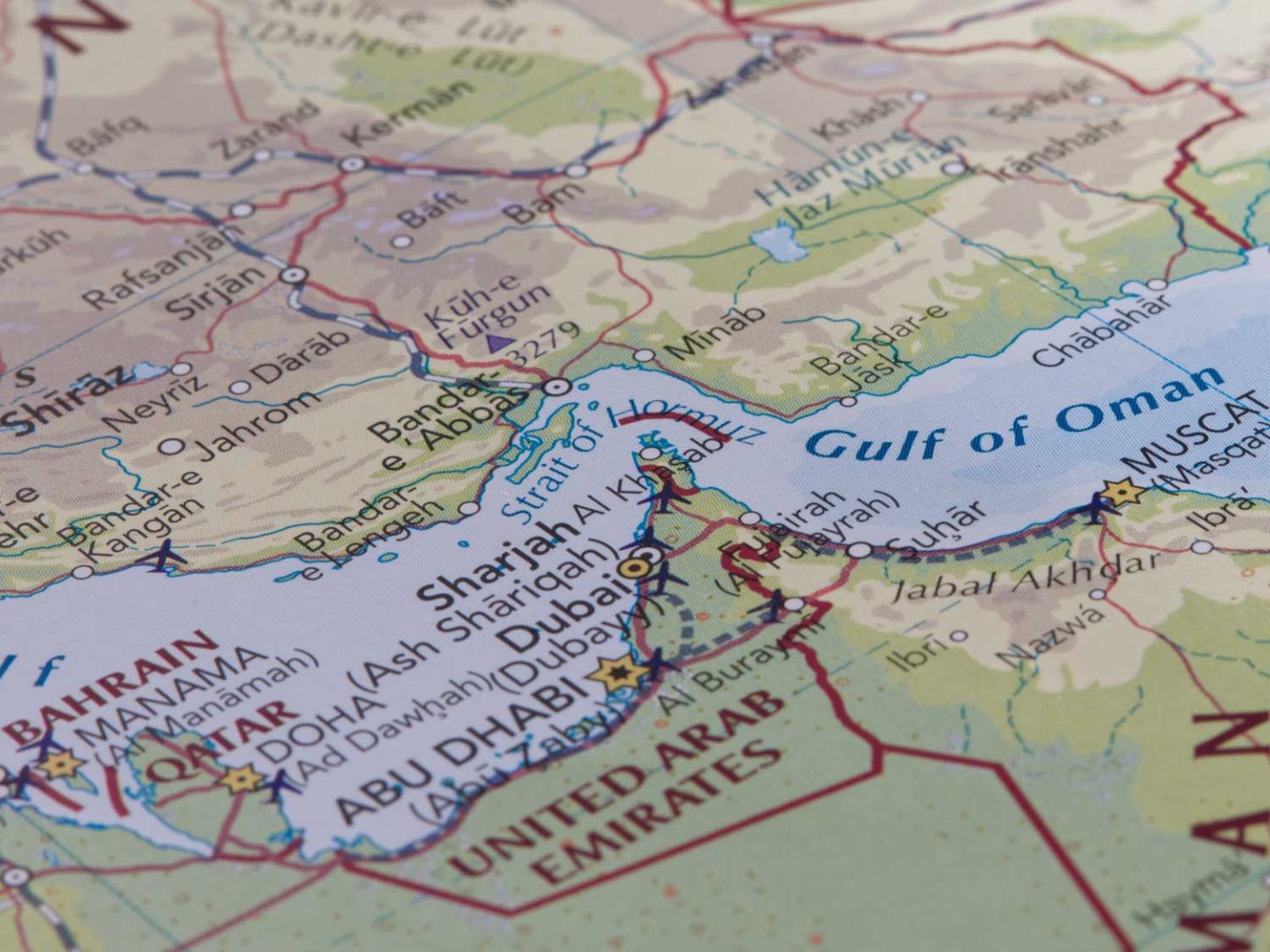
The Red Sea transit to the Suez Canal is the fastest sea route between Asia and Europe, but all the major container shipping lines have diverted vessels to the much longer route around Africa’s Cape of Good Hope, increasing costs and creating delays.

Recent ONS data suggest the ‘Red Sea effect’ has yet to filter through to the UK economy, with inflation holding steady in January. However, the longer the current situation persists the more likely it is that the cost pressures will start to build, with some sectors of the economy more exposed than others.

The UK economy saw a drop in its total goods exports for 2023, and with global demand weak, the BCC want the Government to look at providing support in the March Budget, including the establishment of an Exports Council to hone the UK’s trade strategy and a review of government funding for export support.

Week 12 of the Red Sea crisis
The war in Gaza, which according to the Houthis is the reason for their attacks on commercial shipping, shows no sign of abating and on Monday the Rubymar finally sank, the first total loss in the Houthis campaign.

Vessel schedule reliability data for January 2024 confirmed that global reliability dropped sharply due to the Red Sea impact and only slightly more than half of vessels arrived on time, compared to pre-pandemic normality of 70-80%.

Geopolitical risk
The wars in the Middle East and Ukraine are threatening flows of grain, oil and consumer goods, with climate change disrupting the Panama Canal and growing geopolitical tensions are making international supply chains ever more complex.

The World Economic Forum’s Global Risks Report (GRPS) for 2024 highlights how geopolitical tensions in multiple regions is contributing to an unstable global order, eroding trust and security.

GRPS 2024 results highlight a predominantly negative outlook for the world over the next two years, that is expected to worsen over the next decade, with supply chain disruption ranked 19th of severe global risks in the short term (2 years) and 25th for the long term (10 years).

Over the next two years, attention is likely to be focused on the war in Ukraine, the Israel-Gaza conflict and tensions over Taiwan, with any escalation likely to disrupt global supply chains.

All three areas stand at a geopolitical crossroads, where major powers have vested interests: oil and trade routes in the Middle East, stability and the balance of power in Eastern Europe, and advanced technological supply chains in East Asia.

If you have any questions or concerns about the impact of the Suez situation on your Asia supply chain, or would like to discuss its wider global implications, please EMAIL our Chief Commercial Officer, Andy Smith.

Manhattan skyline 1440x1080 1

US importers face inventory replenishment quandary

Many US companies, including big retailers, were successful over the course of 2023 in clearing out the stockpiles of inventory, that they built up during the pandemic to cope with shipping disruptions and changing buying patterns.

During the pandemic many retailers and manufacturers flipped from a “just-in-time” strategy to a “just-in-case” strategy of hoarding inventory to avoid losing sales.

The broad measure of inventories to sales ratio across US retailers stood at 1.30 for the last three quarters of 2023 and while this is still relatively high by historic levels it does suggest retailers have achieved some stability after the roller-coaster pandemic years.

With most inventories back to pre-pandemic levels, importers are pulling in fresh orders, but high interest rates make it more expensive to carry large inventories and could push some companies back toward a ”just in time” strategy, even as supply risks grow.

US holiday sales were up over 3% and many retailers have reported leaner inventories that reflected restraint rather than a rush to restock, but many now want to quickly adjust to new trends.

However the persistent lack of rainfall in Panama since early last summer has been forcing authorities there to reduce the number of vessel transits on the Panama Canal, a key corridor for trade between Asia and the US East Coast.

The Houthi rebel attacks on commercial shipping, that began last December continue, with container shipping lines diverting away from the Suez Canal, which also feeds routes to the US East Coast, with around 12% of US-bound cargo moving through the Canal.

The diversions past the Cape of Good Hope to avoid Red Sea attacks extend voyages by almost two weeks, and although the reroutings are having an impact on inventories, the situation will become increasingly manageable as schedule reliability recovers.

These disruptions are already reshaping inbound US freight flows, and the domestic supply chains that move goods from ports to factories and retail markets.

The National Retail Federation forecasts that US imports in February will increase 20.4% over February 2023, with March expected to grow over 5% and April up 3%.

Cargo volumes surged into West Coast ports during the final months of 2023, posting double-digit year on year gains as shipments into East and Gulf Coast gateways sagged.

West Coast ports in October handled almost 34% of worldwide container trade into the US up 3% on 2022.

That share could accelerate in 2024. The head of the union representing dockworkers at East Coast and Gulf Coast ports has warned members to prepare for a possible strike unless a new labor agreement can be reached to replace the current contract which expires in September.

If you have any questions or concerns about the issues raised in this article, we can review your situation and explain your options, including alternative carriers, ports and routes.

To discover how we can support your transpacific or transatlantic trade, or to learn more about our ocean solutions, please EMAIL Metro’s Chief Commercial Officer, Andy Smith.