
ships at anchor

Hundreds of vessels waiting for berths, as congestion continues on a Global scale

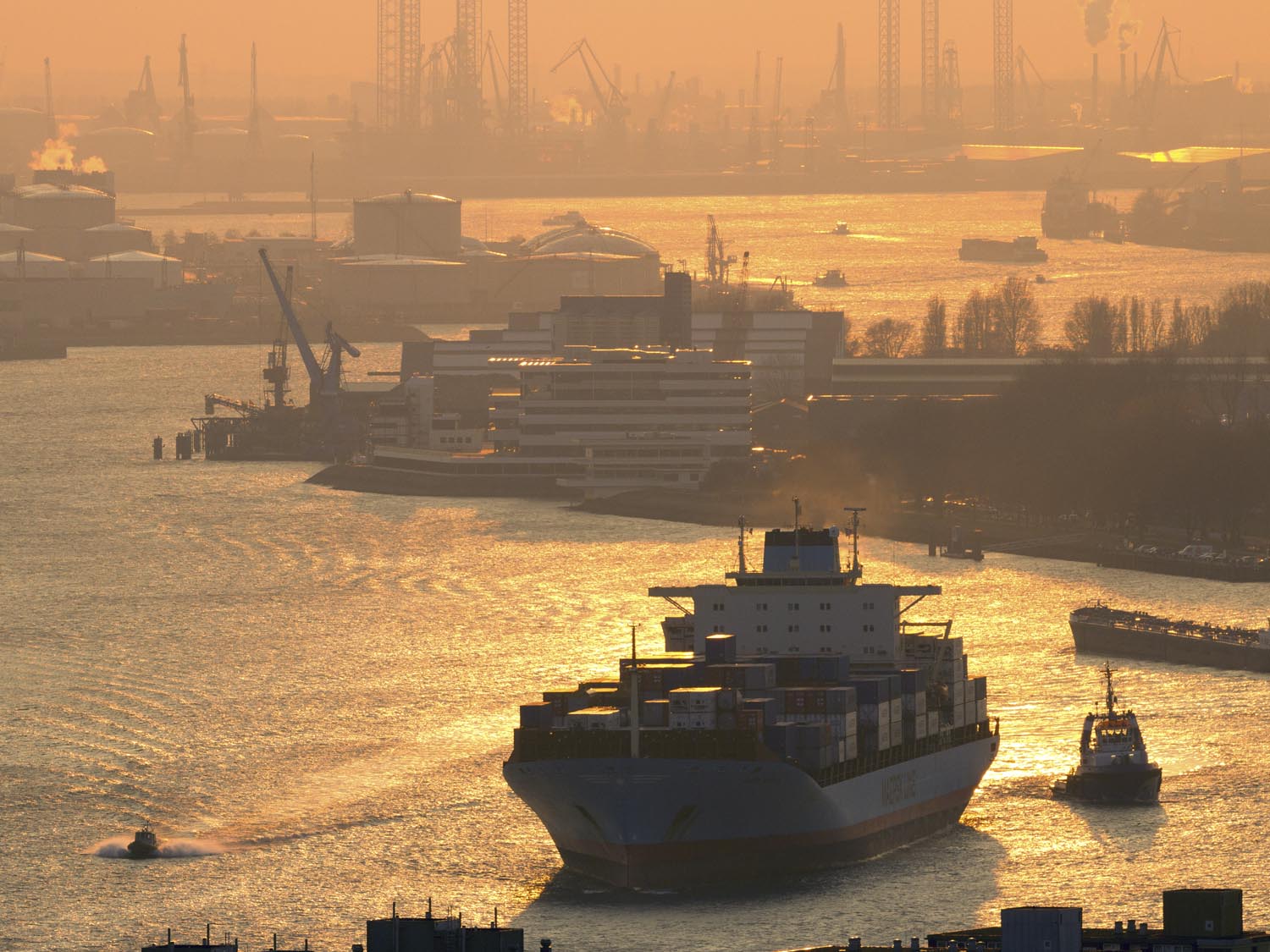
Over 300 vessels, the most in the history of container shipping, are currently waiting for berths around the globe, as the industry continues to struggle with the operational impacts of COVID-19 and sustained demand at unprecedented levels.

While we have reported many times on port congestion, highlighting issues in the UK, US and across Asia, most recently at ports in South China, the reality is that container ship congestion is a global issue in 2021 and with the build up to the Christmas season and an early Chinese New Year on the horizon, there will not be much improvement soon.

The below SeaExplorer graphic illustrates how the spread of vessel clusters (red) and congested/disrupted ports (yellow) are currently touching every continent and region, with more than 300 containerships waiting for berth spaces to open up around the world.

With container shipping networks stretched thinner than any time in the past and port congestion and network disruptions tying up vessels and boxes all over the world, just in time supply chains do not work effectively and shippers continue to struggle to replenish inventories.

The hope that things would start to ease during the second quarter were dashed by the blocking of the Suez Canal by the Ever Given and now we have the situation in Yantian, which will multiply the COVID impacts and congested terminals.

While the situation at Yantian port is slowly recovering, with productivity rising to 45% of normal, that still means at average waiting time of 16 days per vessel.

With capacity on the Asia to North Europe trade skewed towards larger vessels, those waiting in line for their berth, will place massive demand on port infrastructure that is already over-stretched and inefficient, creating ever more disruption, until COVID-safe working practices are finally lifted.

Without slack or overcapacity to act as a buffer, in overcoming these issues globally, every single additional disruption is adding further to the backlog. It’s not going to go away soon as carriers try to recover schedules from the impact and consequences of added delays throughout the port network.

The bottlenecks and delays at ports that the chart shows around the world are the symptom of the wider breakdown in the supply chain infrastructure, all related to the pandemic that spurred changes in consumption habits and reduced port and inland productivity.

As a global problem, it is going to take time to resolve and the industry will need to take along hard look at itself, to ensure that this calamitous situation is never repeated.

While the global port congestion continues, our commercial and operations teams are working tirelessly to mitigate its impact and provide alternative solutions where it is appropriate or necessary. 

The key to effective planning is visibility, which is why we request your three month forecasts of movements, so that we can manage your cargo flows and business expectations. Please continue to send us all data and information relating to the timelines and expectations for your products globally – this is an essential ingredient in managing both cargo transit, deadlines and your expectations.

If you have any questions, concerns, or would like any further information regarding the situation in Yantian, please don’t hesitate to contact Elliot Carlile or Grant Liddell.
Coronavirus update 31st March

Sea freight rates from China 1,000% higher than a year ago into UK/ Europe

With the container shipping lines imposing yet another round of general rate increases (GRI), FAK (freight all kind) rates from China are looking at passing $20,000 per 40’ container, while calls are rising for the industry to be regulated as a utility to prevent it restricting capacity and making global trade unsustainable.

The FBX Baltic index reading this week for Asia to North Europe climbed a further 5%, to $11,006 per 40’, representing an astonishing 1,000% increase on the spot rate of a year ago, which is resulting in many traders cancelling orders from China, because their margins are being swallowed up by the cost of importing.

Traders that have contracted sales at fixed prices face significant trouble, with such highly elevated freight rates and there are real fears that many smaller importers may go out of business.

Exports from the UK are also facing challenges, with vessel space issues, due to blanked sailings and rate increases on all export trades from the UK, although our primary carrier partner have been very supportive.

The main driver for the latest round of rate increases across is the Covid crisis at the southern China ports, particularly Yantian, which will have a much larger impact on the flow of goods to the US and Europe than the Suez Canal blockage and importers will be severely impacted as their containers sit in South China for weeks on end with little or no access to vessels.

Expectations are that when the backlog finally in China eases, pressure will rise on North European and US west coast ports, with congestion at southern Californian ports shifting from shipside to landside, due to rail carriers being unable to clear the terminals of containers.

Transatlantic shippers are also feeling the pain of rate hike contagion with week-on-week increases and this week’s FNI index for North Europe to US jumping 17%.

Meanwhile the Global Shippers’ Forum (GSF) has renewed its call for the removal of the shipping industry’s consortia block exemption regulation.

The GSF believe that (market) supply has matched demand a bit too closely and the co-ordination that is permitted by the block exemption has allowed the lines to manage capacity such that pre-pandemic capacity was running slightly ahead of demand and has now dropped behind.

GSF is calling for a system closer to that which manages airline code-sharing agreements, which are regulated, reviewed and transparent, so that it is understood what information is exchanged.

The current exemptions were provided by the European Union and jurisdictions all around the world and with a number starting to look hard at exactly why the shipping industry has behaved in the way it has, the shipping lines and their alliances may have some explaining to do.

Metro negotiate rate and volume agreements with a wide range of carriers across all three alliances, which means we can access the widest pool of equipment and offer shippers the biggest range of service offerings, port-pairings and rates.

Our fixed validity contracts provide supply chain security and peace of mind, but with space and equipment in such short supply, we recommend a minimum of four weeks visibility and booking window, to secure space on the vessel and get the right equipment positioned.

Please contact Elliot Carlile or Grant Liddell to learn how we can support your supply chains, even in the most challenging market conditions.

Qatar unloading

Air Freight Update; Central UK hub re-opens for Metro air freight arrivals

With increased support from key carrier partners, Metro has recommenced routing air freight traffic directly to our Birmingham Airport hub, from key Middle East and Asia origins, as well as trucking consignments directly from southern airports and mainland Europe.

Alongside Heathrow, Gatwick and City airports, Birmingham International is one of the UK’s only designated airports for direct flights from red-list countries, which has been critical in maintaining passenger aircraft belly-hold freight capacity into our Midlands air freight hub. 

Emirates SkyCargo and Qatar Airways will be operating three weekly direct scheduled flights into Birmingham Airport from June, using wide-bodied aircraft for greater cargo capacity, that will add significantly to inbound volumes, making the gateway airport even more attractive to passengers and air cargo and providing a strategic alternative in avoiding more congested routes.

The scale and efficiency of the airport and cargo handling operations at Birmingham, together with with our long-standing strategic partnerships with these operators, enables us to process and collect cargo very quickly, after aircraft arrival, avoiding the delays and congestion experienced in peak periods at other UK hubs.

Selecting Birmingham International, the UK’s fastest-growing airport, as our central air freight hub, was the natural choice for four key reasons: proximity to major clients and manufacturing regions; speed of first mile/ final mile logistics; access to key carrier partners and growing services; and proximity to London, with 90% of the UK population within a few hours drive.

With our Heathrow operation moving to a a larger freight centre, we are even better positioned to help our air freight customers benefit from route/rate choices, expedite inbound freight and proactively avoid congestion, by dividing volumes between Heathrow and Birmingham and moving sealed air freight units (under bond) directly to our ETSF (bonded warehouse) facilities from Europe’s air freight hubs.

We continue to expand our air freight platform and products, including the operation of regular charters from China into the UK and European mainland. Subject to demand remaining strong, we will increase charter services to a minimum of two pure freighters a week from Q3 into the UK directly.

We will be looking at additional origins, based on the demand from our customers, as we enter traditional peak season later this year.

By working closely with key partner airlines over many years, we have developed the strong strategic relationship necessary to share critical data on cargo flows, that gives the carriers the confidence to increase capacity on existing route and introduce new services, which offers our customers reliable and cost effective air freight solutions, even during the pandemic. Which means that, even with restricted bellyhold capacity, we continue to deliver reliable schedules and consistent time critical services, in what is expected to be a very busy air freight market in the back half of 2021.

For further information on our air freight solution please contact Elliot Carlile or Grant Liddell to arrange a meeting or discussion with regard to your air freight requirements and we will provide further detail and a bespoke service and offering in the current global logistics market ensuring that goods that may have been delayed through ocean freight delays, production failures or high demand reach your markets when required.

HGV driver

Severe driver shortage threatens freight collections & deliveries

The mass departure of EU lorry drivers from the UK since Brexit has left hauliers facing an acute staff shortage of qualified drivers, that has been compounded by a backlog of driving tests due to the pandemic and is a looming crisis for the UK transport industry, with an impact on container movements.

While the road haulage sector’s driver shortages have been rising over recent decades, these have accelerated massively with the ending of recruitment from the EU, a backlog of driving tests caused by COVID-19 and self-employment tax reforms, that have intensified the outflow of EU drivers returning to the continent.

The cancellation of an estimated 28,000 HGV driver tests as a result of COVID-19 restrictions has undermined efforts to grow the pool of 300,000 qualified lorry drivers in the UK, that is desperately needed to cope with post-lockdown consumer demand, particularly as a third of those drivers are over 55 and heading for retirement.

The ending of the COVID-19 lockdown, has been followed by sharp increases in demand from retail, construction and hospitality, exposing the lack of available haulage resource within the supply chain.

One major trucking company, with 2,300 lorries, has a driver workforce which is made up of 40% Europeans and are concerned that within a few months, goods won’t get delivered. This is unquestionably becoming a crisis.

Another major contractor, with a pool of 700 trucks said that driver shortages were real and  are forcing up hourly wage rates by 10 to 30%, depending on the region and type of haulage involved, which will filter into the cost of transport and therefore the rates being offered to customers.

Quite simply we don’t have enough drivers to drive our trucks and it is a challenge every day to cover off the volumes. It’s a struggle to constantly keep delivering loads on time and to customers’ schedules.

The driver shortage is an early test and ‘barometer’ for labour availability of the government’s post-Brexit immigration polices, which prioritise high-skilled immigration and make it legally impossible to recruit foreign HGV drivers, an occupation that is not deemed sufficiently skilled to be eligible for the skilled worker visa. Yet not necessarily desirable for the number of UK residing applicants in the current environment.

Industry associations have lobbied government for HGV drivers to be put on the skilled occupations list but the government will not move, indicating that businesses must “adjust” to the post-Brexit immigration regime.

Leading hauliers suggest that if the government is not going to change its position, then it may potentially add 15 to 20% to transport costs, through the supply and demand balance.

The government has started a campaign to recruit 300 more driving examiners, with the DVSA, the testing agency, now making 4,000 tests available each week, but there are doubts that domestic recruitment will fill the gaps and it is also not certain that UK workers will embrace the long working hours and tough working conditions.

Drivers are critical to the European and domestic supply chain. Container movements and UK haulage and transport cannot be avoided as part of the international movement of goods with the first/ final mile component of all collections and deliveries.

We work with a roster of approved proven long term haulage partners, to give us access to the widest pool of equipment, located around the primary ports, railheads and across the country. We will keep you advised of this developing situation which is being experienced on a global level including mainland Europe and North America, so there is a common theme.

For further information on our road transport operations please contact Grant Liddell or Simon Balfe who leads our UK multimodal transport operations.