Long Beach 1

US supply chains face multiple threats

Importers are entering a critical period, with looming labour disputes, capacity pressures, and surges in maritime and airfreight volumes are creating challenges that could disrupt supply chains well into the fourth quarter.

Demand surge
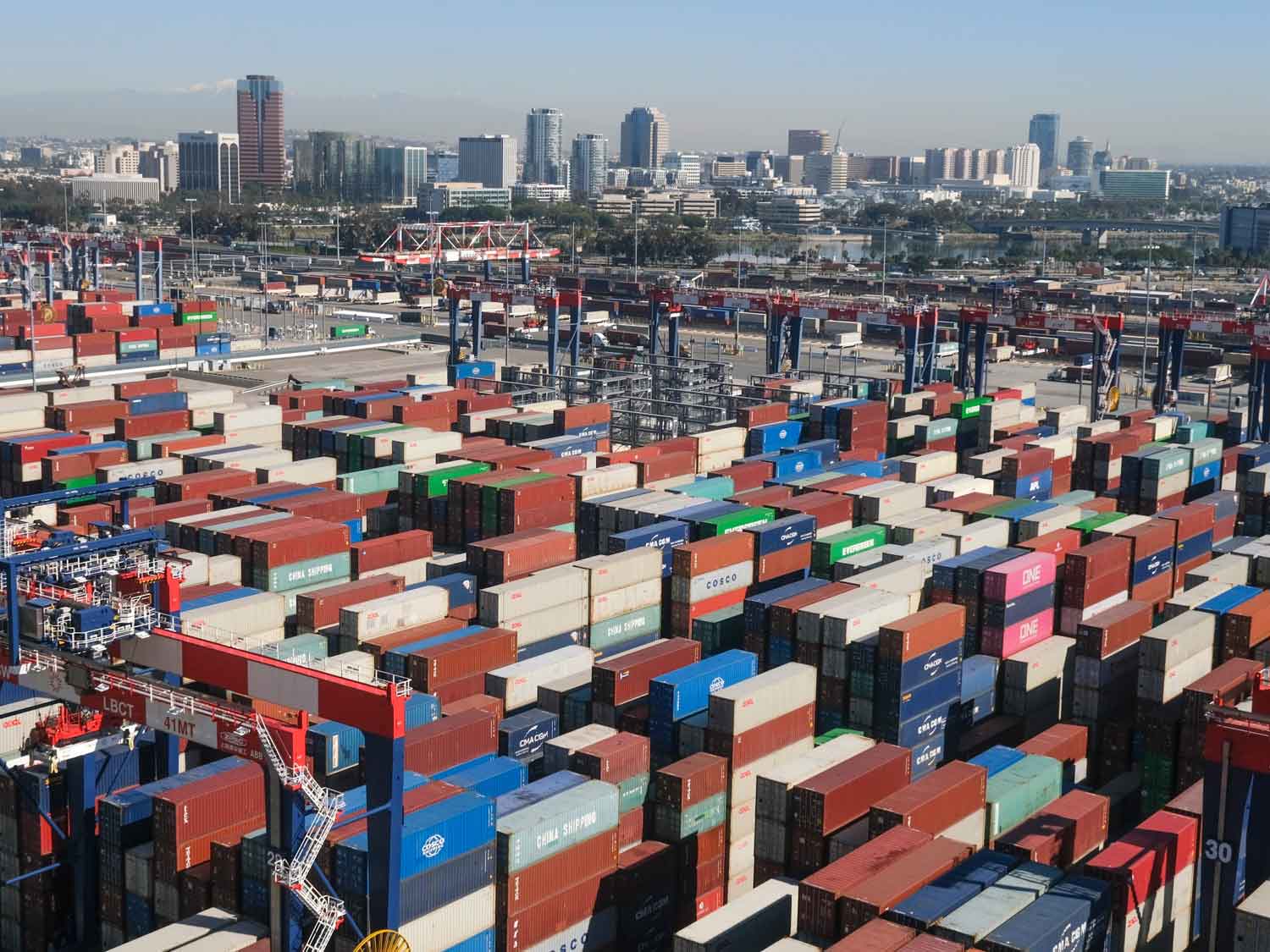
The Port of Los Angeles handled a record-breaking 940k TEU in July, up 37% YoY, with the US’ largest container gateway 18% ahead of 2023 volumes.

US imports from Asia have been climbing for 10 consecutive months, with no sign of slowing down. A surge in import volumes is expected in August as businesses have been front-loading shipments ahead of a potential ILA strike.

Analysts had originally predicted a tapering of imports during the traditional peak season from August to October, but the market is now expecting year-over-year increases in monthly imports through the end of 2024.

The increase in trans-Atlantic import volumes has not completely eased pressure for space, with a 7% growth in volume during H1 2024 and the container shipping lines announcing peak season surcharges (PSS) for 1st September.

Ocean capacity
Since early July, capacity constraints on the West Coast have begun to ease, thanks to the launch and reintroduction of at least ten services. This shift has widened the rate differential between East and West coast ports, with East Coast rates now nearly 50% higher, the largest gap seen since October 2022.

However, East Coast spot rates may soften in the latter half of August if demand drops, because importers have been front-loading shipments to leave Asia in time for Black Friday sales and to avoid disruption posed by a looming strike. The International Longshoremen’s Association (ILA) contract with East and Gulf Coast maritime employers is set to expire on 30th September, and nothing has been agreed to take its place.

ILA strike
The potential for an ILA strike has become a major concern for the shipping industry. The ILA is demanding a nearly 80% wage increase over the next six years, a proposal that maritime employers have yet to agree upon.

With the union issuing a 60-day strike notice, the possibility of industrial action is growing, with ILA locals from the East and Gulf coasts expected to meet early September to finalise strike strategies. ILA President Harold Daggett has made it clear that members will not continue working beyond the contract’s expiration if their demands are not met.

Canadian rail strike
Canada faces potential industrial action at its two main freight rail companies, Canadian National Railway (CN) and Canadian Pacific Kansas City (CPKC), starting Thursday 22nd August. Both companies plan to lock out union workers due to stalled labour negotiations.

The Teamsters union has issued strike notices, and without last-minute agreements, a work stoppage is expected. US operations will continue.

From 20th August, CPKC has said it will stop all shipments that start in Canada and all shipments originating in the US that are headed for Canada, while CN, meanwhile, has barred container imports from US partner railroads.

Both rail companies have said that their trains running in the US will continue to work.

The shutdown will disrupt freight movements to and from the West Coast ports of Vancouver and Prince Rupert. Contingency plans include using long-haul trucks or rerouting cargo through US railroads via Seattle.

Airfreight pressure
If port strikes do occur, they will inevitably spill over into the airfreight sector, leading to a significant spike in demand. However, with airfreight is already under massive pressure from heightened eCommerce activity driven by platforms like Shein and Temu.

Shein alone now accounts for about 20% of global fast-fashion sales, filling 50 to 80 freighter aircraft daily with shipments from China to the US.

An ILA strike would likely exacerbate these capacity constraints, as “distressed” ocean cargo seeks expedited transport, further tightening airfreight capacity. Rates are already surging, with trans-Pacific spot rates up 70% year over year, levels typically seen during Q4 and carriers considering peak season surcharges at the beginning of September.

With all these factors in play, Q4 is shaping up to be a challenging period for US supply chains. If you have any concerns about these potential disruptions, we are available to review your situation, explore your options, and develop contingency plans where necessary.

To learn how we can support your trade with the United States or for more information about our ocean solutions, please EMAIL our Chief Commercial Officer, Andy Smith.

Chittagong port 1440x1080 1

Bangladesh’s garment industry determined to rebuild global confidence

As factories reopen, truck movements increase, and key logistics operations resume, Bangladesh’s garment industry is determined to recover and win back their customers’ confidence.

Rail freight operations resumed on Monday, 12th August, and airports, container freight stations, terminals, and ports remain operational with essential personnel working to process cargo.

Truck and container movements have seen an uptick, reflecting the country’s determination to get back on track despite the recent turmoil. However, the situation remains fluid, and our local partners are working tirelessly to find solutions to keep cargo moving.

The political unrest, which culminated in the fall of Prime Minister Sheikh Hasina’s government, has shaken buyer confidence, with factories forced to close during curfews triggered by weeks of violence in July, causing significant disruptions to production and supply chains.

As a result, clothes and shoe deliveries to Europe and North America for the winter season have been delayed, with backlogs still being cleared at ports and airports.

In an effort to mitigate the damage, factories have turned to air freight and extended working hours to make up for production delays, with some backlogs stretching as far as a month.

However, this has not been enough to prevent some retailers from diverting a percentage of their orders to other suppliers in countries like Cambodia, Indonesia, India, and Turkey.

Despite this setback, Bangladeshi manufacturers are intent on regaining the confidence of global retailers. The new interim government, led by Nobel Peace Prize-winning economist Muhammad Yunus, has made reestablishing law and order a top priority. A new industrial security task force has been created, and the army has been deployed to guard factories.

Yunus has also pledged to tackle corruption and reform key institutions such as the bureaucracy and judiciary, which industry executives believe will make Bangladesh’s export sectors more competitive in the long run.

Garment and footwear producers continue to benefit from the country’s plentiful and low-cost labour, which remains an advantage that is difficult for rival suppliers to match.

As factories reopen and gradually ramp up production, some of the world’s largest fashion retailers have expressed cautious optimism, welcoming the steps taken towards greater stability. And while business may have temporarily shifted to other countries, Bangladeshi exporters are hopeful that the situation will improve soon and that the country will regain its position as a leading supplier of garments and footwear.

We are working closely with clients impacted by the evolving situation in Bangladesh to avoid disruption to their supply chains.

Our operations teams and local partners are expertly managing the challenges at Chittagong Port and Dhaka Airport, ensuring the stability of our customers’ supply chains despite ongoing regional tensions.

If you have any concerns or would like to discuss our contingency services, please reach out to our Chief Commercial Officer, Andy Smith, via EMAIL.

Bangladesh label

Bangladesh supply chain disruptions

Bangladesh’s Prime Minister, Sheikh Hasina, arrived in India this week following the army’s seizure of power after violent riots. This development adds another challenge to global supply chains, with the world’s third-largest garment exporter now experiencing the world’s longest vessel berthing delays. 

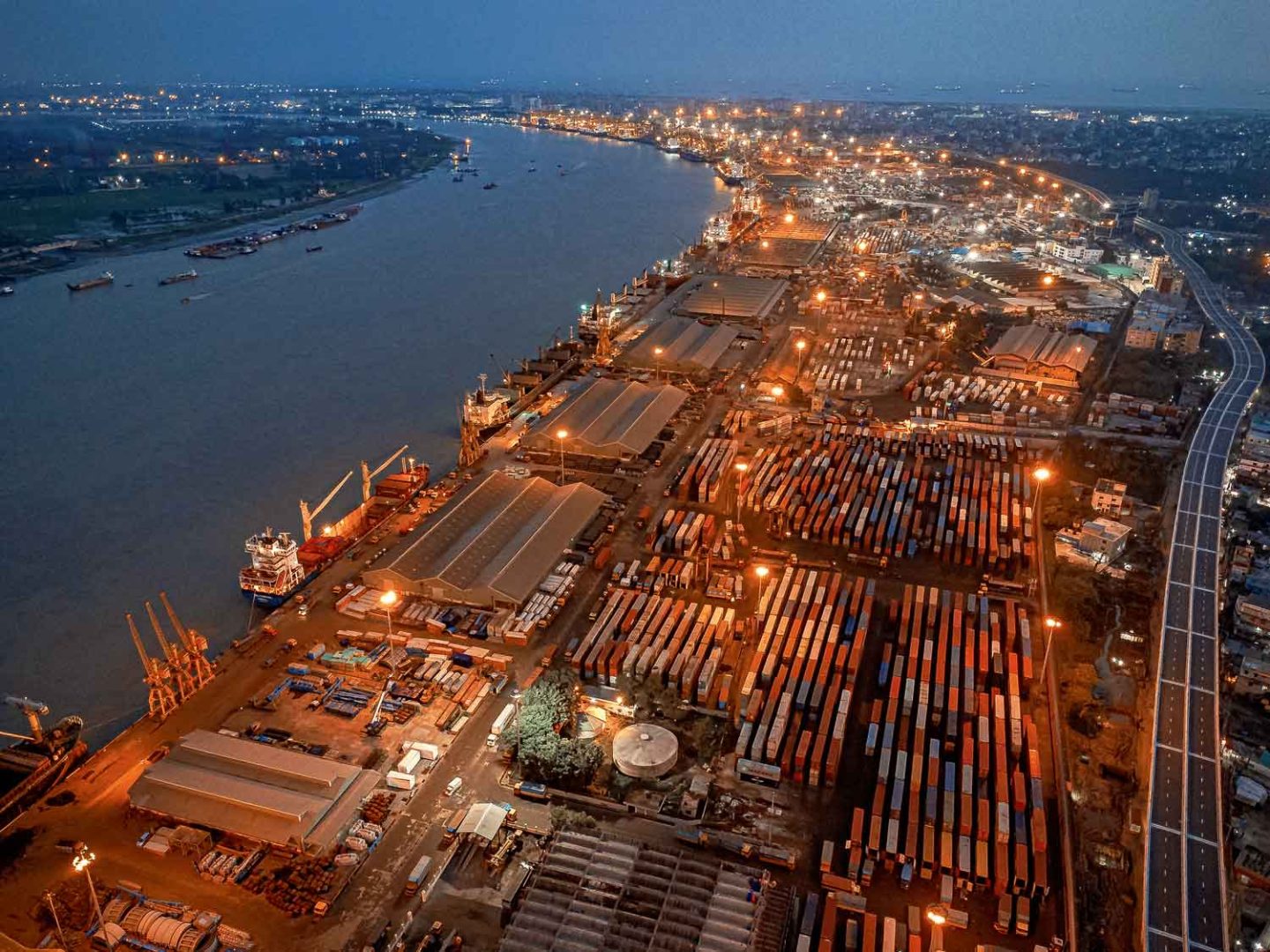
Around 50 ships are queuing outside Chittagong port following weeks of protests, curfews and internet outages, all of which culminated on the 5th August with the resignation and flight of the Prime Minister, as protesters stormed her palace in Dhaka.

Chittagong, which handles over 90% of the country’s international trade, now has the worst berthing delays in the world, with many ships forced to wait in the Bay of Bengal for a week or longer.

The port is overwhelmed with tens of thousands of containers filled with imports and exports, with import boxes incurring substantial demurrage charges after four days, which the Federation of Bangladesh Chambers of Commerce and Industry has urged the government to waive.

The massive stockpile of containers now occupies about 80% of available yard space and typically, congestion begins to impede port operations when yard space usage reaches 60%, but with customs clearances at the port falling by 85%, the backlog is not being cleared.

Disruptions in rail transport have also impeded the flow of imported products, while cross-border links with neighbours including India and Bhutan have been closed for the past couple of days.

Bangladesh exports approximately $47 billion worth of garments annually to global clients. Any potential sanctions or trade restrictions could severely impact the economy. Therefore, maintaining diplomatic balance with Western countries is essential for Bangladesh’s interim leaders.

Meanwhile, airfreight rates from Bangladesh to major Western destinations have skyrocketed over the past two weeks, as 3,000 tonnes of export cargo have accumulated at Dhaka, the country’s main airfreight gateway. 

Exporters claim that carriers are exploiting the demand surge, increasing rates by up to 20% to various destinations. With airfreight rates at Dhaka significantly higher than those at Kolkata.

Despite the delays, no additional freighters have yet been deployed at Dhaka to help clear the backlog, and relying solely on the belly-hold capacity of passenger planes means only 600 to 700 tonnes of cargo are being transported each day.

It is clearly going to take a little time to clear the cargo bottleneck and shippers may want to consider alternative services to direct air in the short-term, including air/air via Colombo, Singapore or Dubai. Road/air via Delhi, or sea/air via Colombo and Dubai.

We are closely collaborating with clients affected by the evolving situation in Bangladesh to ensure minimal disruption to their air and sea traffic. 

Our dedicated operations teams and local partners are navigating the complex challenges at Chittagong and Dhaka, maintaining the integrity of our customers’ supply chains amidst ongoing regional tensions.

If you have any concerns about the issues discussed or would like to explore our range of contingency services, please EMAIL our Chief Commercial Officer, Andy Smith.

Sea Air aerial

Asia westbound market update

Air and sea freight from Asia continues to demonstrate remarkable resilience and growth, fuelled by robust demand, strategic capacity management, and dynamic trade routes, with India recording significant increases, driven by pro-industry government initiatives, eCommerce, and manufacturing growth.

Air Freight
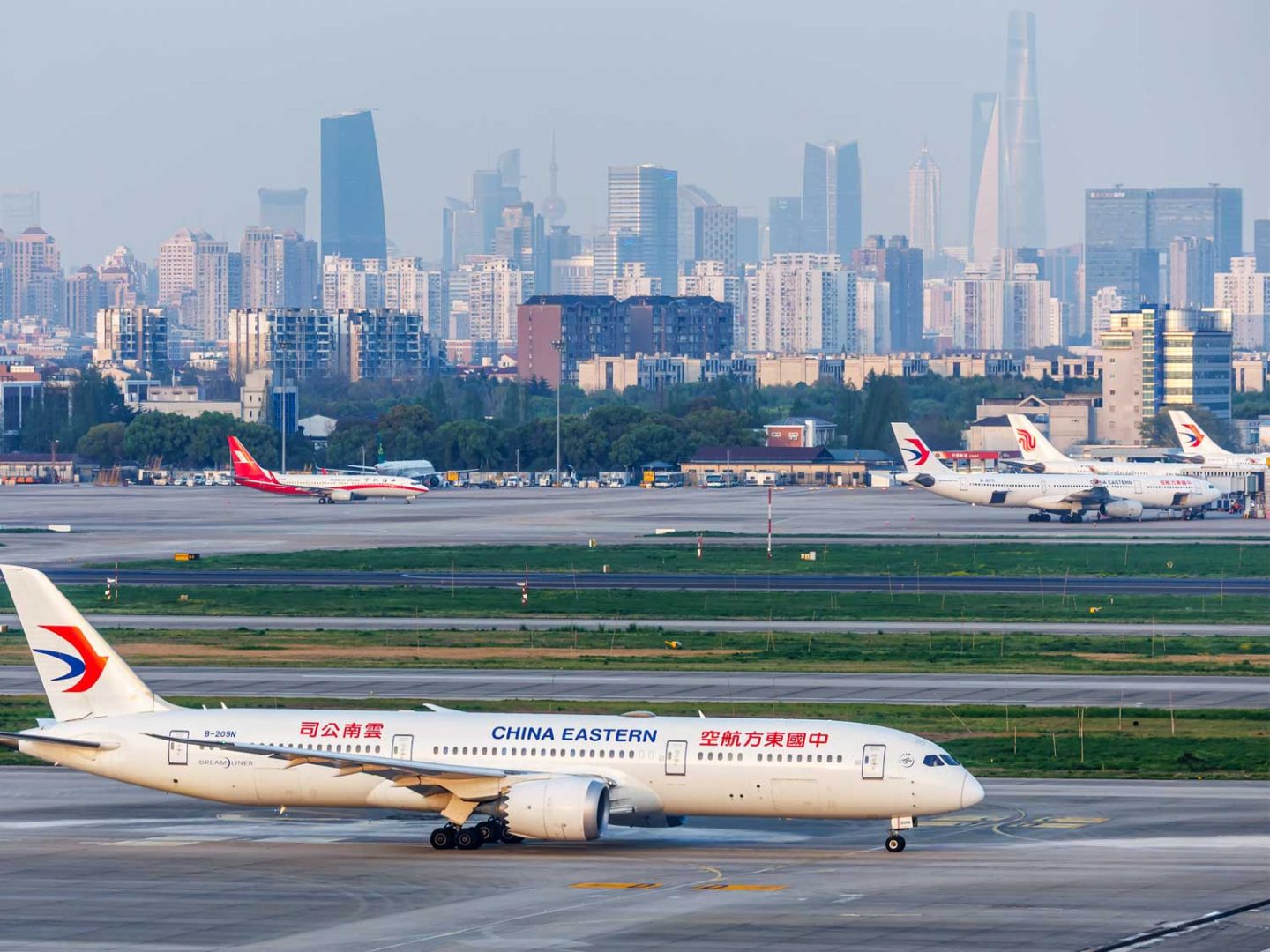
The latest data from the International Air Transport Association (IATA) for June highlights significant demand for airfreight out of Asia, which has continued, potentially extending well into 2025, fuelled by sustained eCommerce demand.

For exports from the Asia-Pacific region, the World ACD index reported a 25% year-on-year increase, with Asia-Pacific to US shipments up by 67%. However, China-US tonnage declined by 8%, with China-Los Angeles experiencing a 23% drop, marking a three-month trend of decline.

Despite the LA drop, airfreight has largely remained impervious to political and economic challenges, with US customs crackdowns on eCommerce deliveries from China not dampening the market.

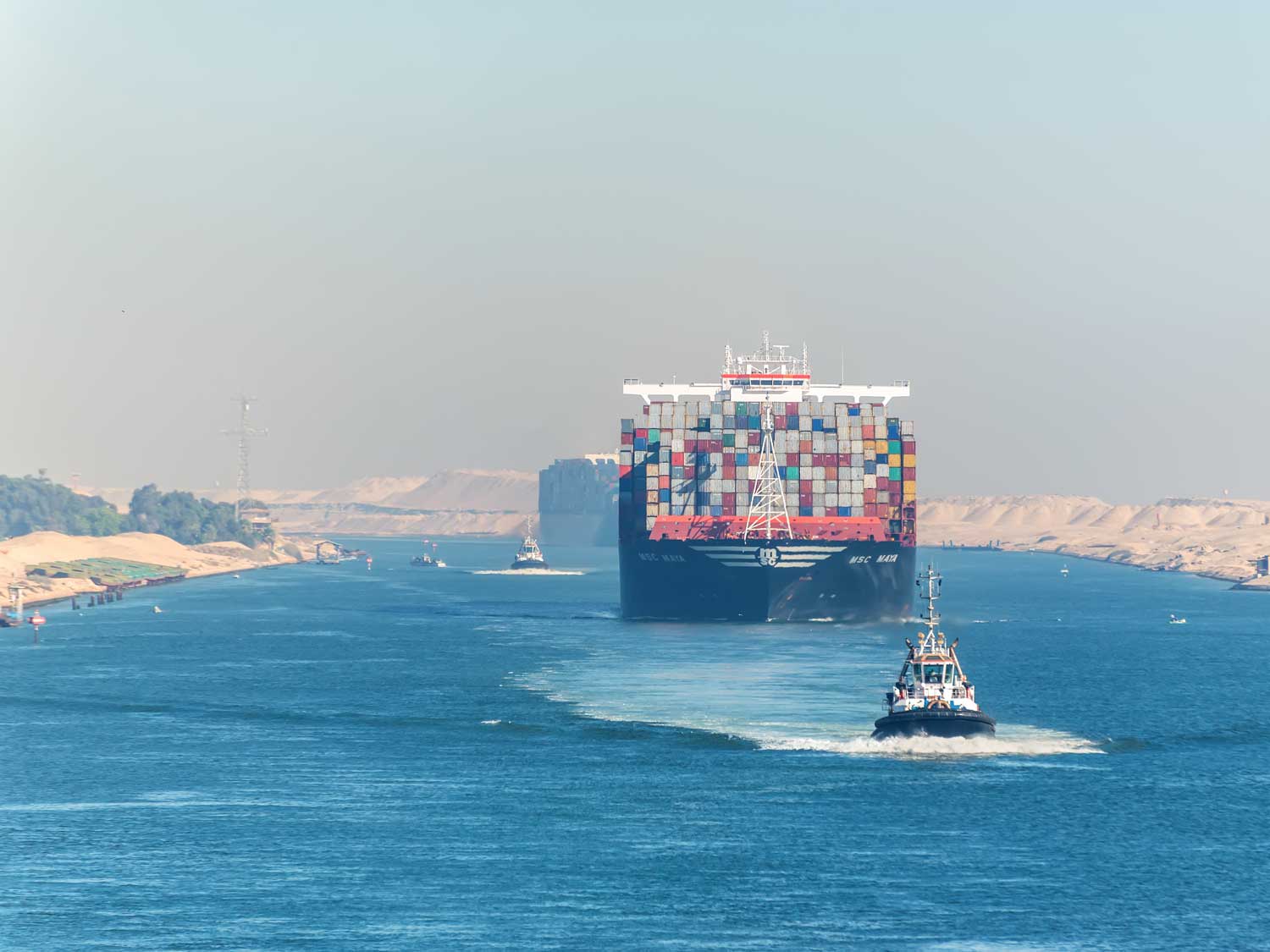
India’s air cargo market is particularly bullish. Total volumes at Indian airports in Q2 2024 rose by 14% year-on-year, with international flows up 20%. This growth can be partly attributed to a modal shift from widely disrupted ocean services due to the Red Sea crisis, especially for urgent or time-sensitive shipments. 

Sea Freight
As we progress through the traditional container shipping peak season, analysing demand, prices, planned levels of blank sailings and capacity deployment provides valuable insights into carriers’ confidence in the 2024 peak season.

Ex Asia freight rates are anticipated to stay high until the end of the peak season, at least until the Golden Week, while strong increases in outbound demand from India have led to increased rates and equipment shortages.

For the Asia-North America West Coast route, carriers have planned to blank 4% of capacity, similar to pre-pandemic averages and 2020 levels. This is significantly lower than during the pandemic years when blank sailings were forced due to port congestion.

Capacity growth for the same period in 2024 is set to be 25% higher than in 2023, and 10% higher than in 2020, which saw peak capacity deployed in terms of TEUs. This strong capacity growth and relatively low level of blank sailings suggest that carriers are optimistic about the peak season.

On the Asia-North Europe route, the planned blanked capacity is 6% for the next 10 weeks, slightly higher than in 2020 and pre-pandemic averages, but not by much. There is no year-on-year growth in deployed capacity for 2024. However, in 2023, the trade saw a 13% year-on-year capacity growth, which was high compared to historical averages and exceeded the demand levels at that time.

The willingness of carriers to maintain this elevated capacity level in 2024, along with the relatively low number of blank sailings, indicates a strong and confident outlook.

However, with ocean supply chains still under significant pressure, concerns remain about a capacity crunch in the coming months, especially if disruptions such as the ILA East Coast strikes and China tariffs occur. Carriers flor now have opted to keep capacity elevated.

Port Congestion
The latest port congestion data reveals extensive dwell times as the Red Sea crisis continues to impact operations. The top five congested ports globally include Durban with an average 8 day wait time, Ningbo with 6 days, Vancouver with 4 days, Los Angeles with 4 days, and Chittagong which worsens each day.

Over 60% of the South-east Asian ports analysed saw rising congestion over the quarter, while in Europe, 12 of 18 analysed ports reported increases.

Singapore congestion is improving as ships are skipping the port, though Barcelona and Valencia are still congested and there is an ongoing risk of strikes in Hamburg and Bremerhaven.

With ongoing shortages in empty equipment, high vessel utilisation and port congestion, further exacerbated by shippers front-loading to avoid delays, rates are likely to stabilise at high level in the coming months.

The unprecedented demand for ocean freight, combined with ongoing challenges in equipment, capacity, and costs, suggests that the next few months will be complex and potentially turbulent. 

We encourage you to contact us now if you have any urgent or high-priority orders on the horizon. Sharing your shipping forecasts with us will enable us to secure space on the best services to meet your deadlines and at the most competitive rates.

To discover how we can enhance your ocean freight solutions, please EMAIL our Chief Commercial Officer, Andy Smith.