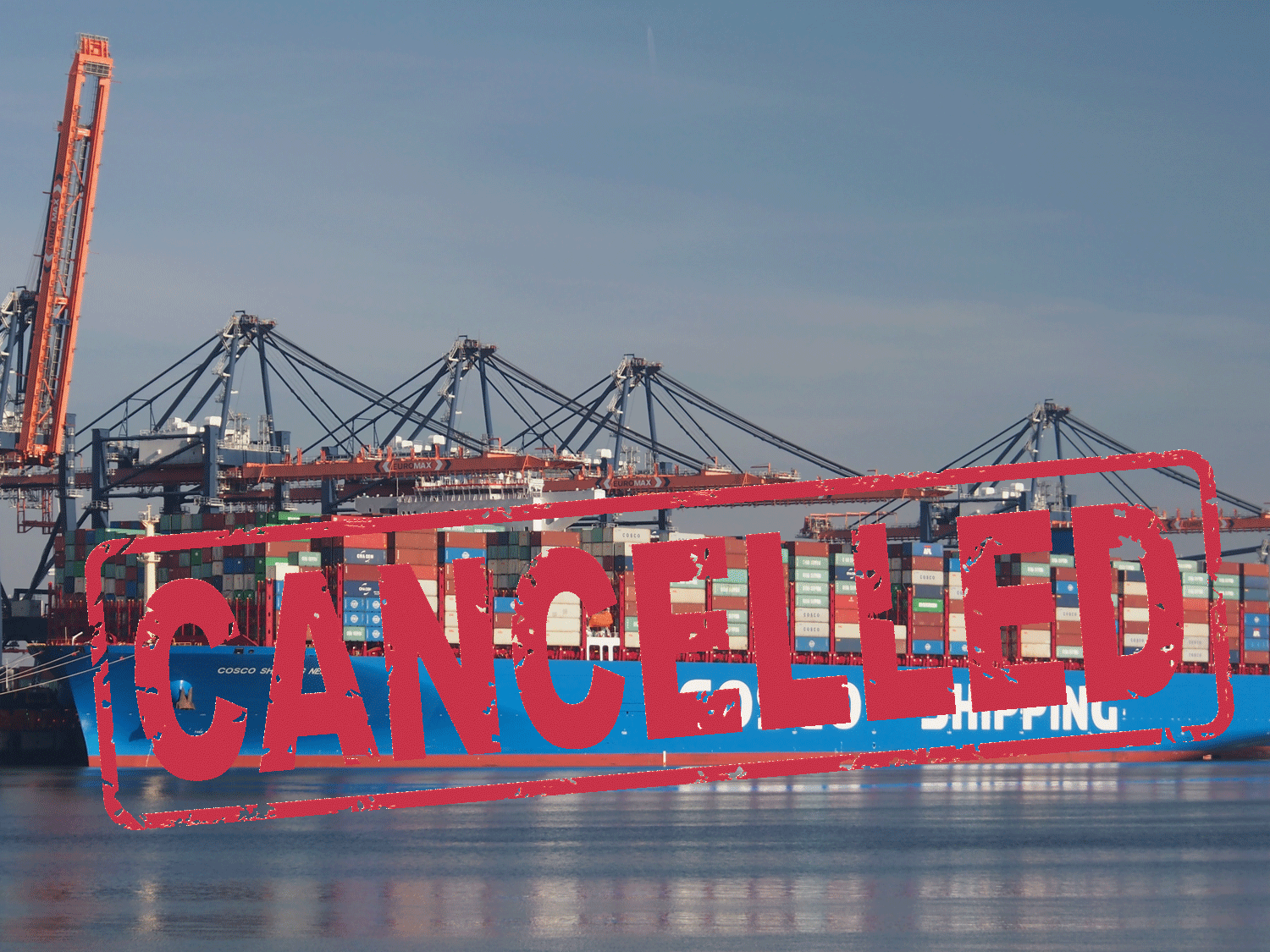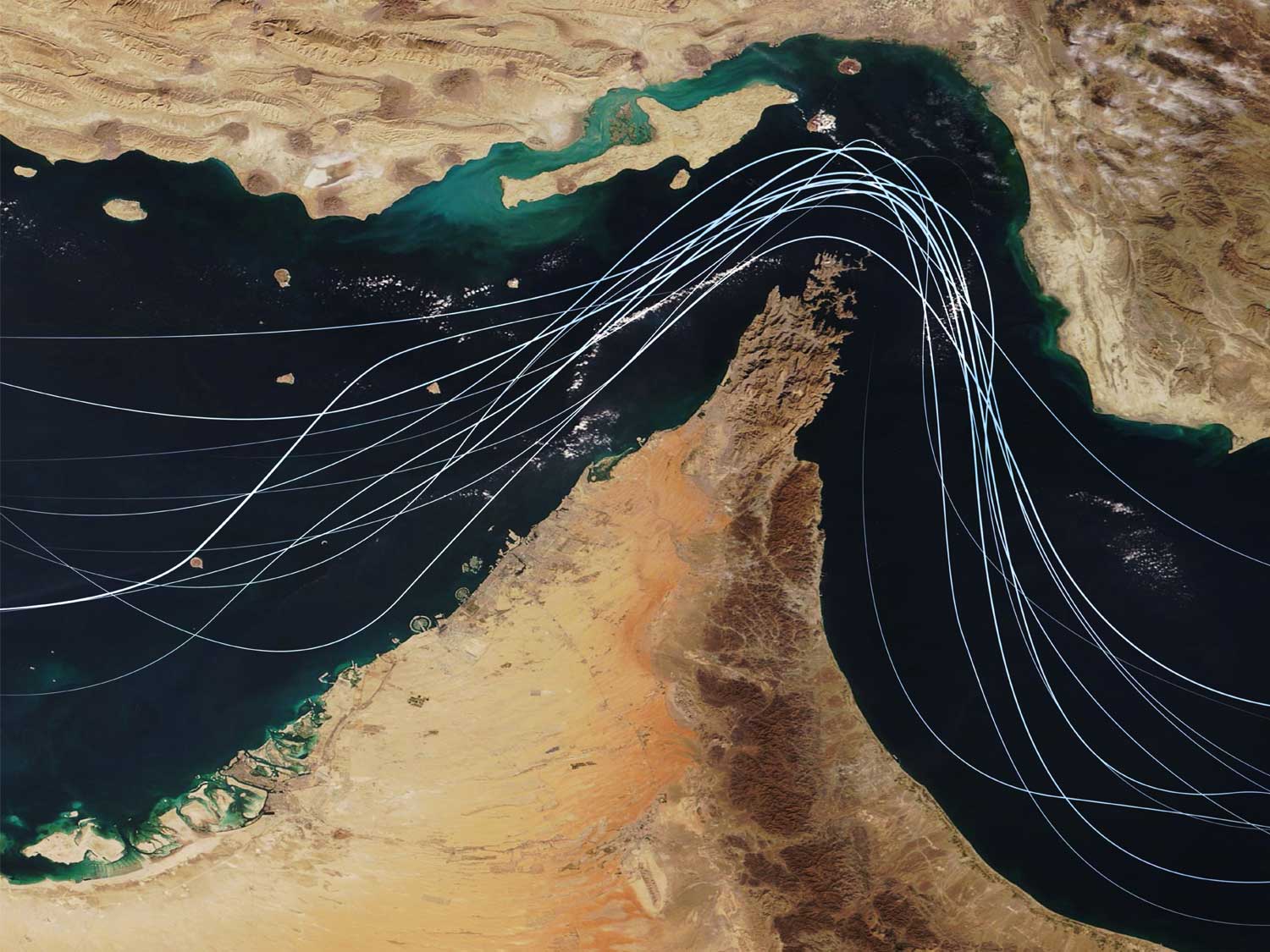
The extension of the US–Iran ceasefire has done little to stabilise operating conditions in the region, with last week’s seizure of two MSC-managed container vessels by Iran’s Islamic Revolutionary Guard Corps in the Strait of Hormuz.
The incident highlight the ongoing risk to commercial shipping and reinforces the reality that access through Hormuz remains severely constrained, with container flows through the Strait largely suspended.
Land-bridge solutions under pressure as demand surges
As traditional shipping routes have been disrupted, supply chains have shifted rapidly towards alternative solutions, particularly land-bridge routes across the Gulf.
However, these corridors are now under significant strain. Demand for trucking capacity has surged well beyond available supply, with rates on key lanes such as Jeddah to the UAE rising four to five times above pre-conflict levels.
Jeddah has become the primary gateway following security concerns at Khor Fakkan and Salalah, concentrating volumes into a single entry point and creating further bottlenecks. In some cases, demand for road capacity has reached multiples of available supply, driving sharp price escalation and limiting flexibility for shippers.
Operational disruption now outweighs capacity availability
One of the defining characteristics of the current market is that disruption is being driven less by a lack of physical assets and more by how networks are operating.
Ocean carriers are navigating around both the Red Sea and Hormuz, adding 15–20% to voyage distances, increasing fuel consumption and reducing effective capacity. At the same time, global port congestion has exceeded 3 million TEU, further impacting reliability.
Airfreight networks are also adjusting to restricted airspace and reduced Gulf capacity, while road freight is absorbing increased volumes through regional corridors, adding complexity and extending transit times.
The result is a market where capacity exists, but is harder to access, less predictable and more expensive to deploy.
Pricing volatility accelerates as fuel and disruption outpace contracts
Freight pricing is struggling to keep pace with the speed of change.
Across ocean freight, emergency bunker surcharges are now widely applied, while traditional fuel adjustment mechanisms lag behind real-time cost increases. In airfreight, fuel surcharges are being revised more frequently as jet fuel prices continue to rise. In road freight, fuels costs typically represent over 30% of operator costs, placing short-term pressure on carriers and increasing the likelihood of further cost pass-through.
The situation is further complicated by simultaneous pressure across multiple global chokepoints.
Disruption linked to the Strait of Hormuz is occurring alongside continued Red Sea instability and wider geopolitical friction across key corridors. This has created a structurally higher-risk operating environment, where any escalation can quickly remove capacity, extend transit times and increase costs across all modes.
Scaling solutions to maintain cargo flow
In response, Metro has significantly increased its operational focus on the region, with time dedicated to resolving Middle East-linked problems rising by more than 1000%.
The focus is on execution: ensuring cargo continues to move and that shipments already in transit are delivered using the most effective available solution.
Metro is actively supporting customers through:
- Dynamic re-routing of in-transit cargo, avoiding disruption hotspots
- Alternative gateway strategies, identifying viable entry points outside high-risk zones
- Airfreight deployment, where speed and reliability are critical
- Land-bridge and multimodal solutions, maintaining flow where ocean routes are constrained
This flexible, hands-on approach is essential in a market where conditions are changing rapidly and pre-planned routes are no longer sufficient.
If you have cargo moving to, from or through the Middle East, or shipments currently held en route, Metro can help you identify and implement the most effective resolutions.
EMAIL Managing Director, Andrew Smith, today to secure capacity, protect transit times and keep your supply chain moving in a rapidly changing environment.