HKG truck

China/Hong Kong update; cross-border trucking capacity cut

Increasing COVID case numbers in China are cutting cross-border trucking capacity, prompting carriers to drop calls at Hong Kong, raising fears that the city is losing shipping line favour as a transhipment hub.

With almost one million people in lockdown in Wuhan, where COVID was first detected, the Politburo confirmed last Thursday that China will maintain its “zero-COVID” policy. And with increasing numbers of COVID cases on the mainland, regional authorities have cut cross-border truck movements with Hong Kong, from 3,500 to 1,500 a day until further notice.

The significant reduction in trucking capacity and stricter testing policies (with truck drivers required to show proof of a negative test result within 24 hours, rather than 48 hours)  is creating substantial fluctuations in cross-border traffic and we are expecting to see demand for feeder, barge and air solutions spike again.

Hong Kong is moving toward greater relaxation of COVID restrictions, but this may not align with mainland requirements, which complicates the situation and reduced capacity may extend lead times for any shipments coming over the border, to ship from Hong Kong.

The number of ships calling at Kwai Chung container terminal fell 21% in the first quarter, compared to 2021, while the number of Hong Kong calls for Europe services dropped 36%, with a 22% drop on intra-Asia services and calls on trans-Pacific trades down nearly 5%, prompting fears that Hong Kong will lose its position as a leading transshipment hub.

Hong Kong handled about 17.8 million TEU last year, of which around 60% was transshipment. But with so much cargo now shipping through terminals in China or, for regional cargo, transshipping at other ports, Hong Kong may see less transshipment cargo, which would mean fewer calls and fewer calls would mean even less containerised cargo, in a downward spiral.

Container exports are down 12% and imports down 6.6% year on year through June which, terminal operator (and Felixstowe port owner) Hutchison Port Holdings said, negatively affects shipping lines’ preference to use Hong Kong as one of their hubs for transshipment.

In a possible demonstration of this new reality, Hutchison said throughput at Shenzhen’s Yantian International Container Terminal was up 7% year-on-year, but volumes at its Kwai Tsing terminals in Hong Kong were down 7%, which it attributed to “lower local and transhipment cargo”.

We will continue to monitor the situation with our local colleagues and offices throughout China and keep you advised immediately of any new lockdowns or COVID related events that may have an impact on global logistics and your supply chains. We are very close to the market and the intelligence available and will share updates as they occur.

Cuts to Hong Kong border trucking capacity reflect an ongoing situation, with curbs and relaxations fluctuating constantly, that our local team have become adept at handling. 

Despite these challenges we continue to secure trucking capacity and barge capacity is currently sufficient, but if the situation does deteriorate delays to transit times may increase to around five-to-six days.

Our cloud-based supply chain management platform, MVT, makes every milestone and participant in the supply chain transparent and controllable, which means you can adapt and flex your supply chain, to react to local changes dynamically. 

To discuss how our technology could support your supply chain, please contact Simon George our Technical Solutions Director or Elliot Carlile.

FXT entrance

92% of Felixstowe port workers vote for August strike

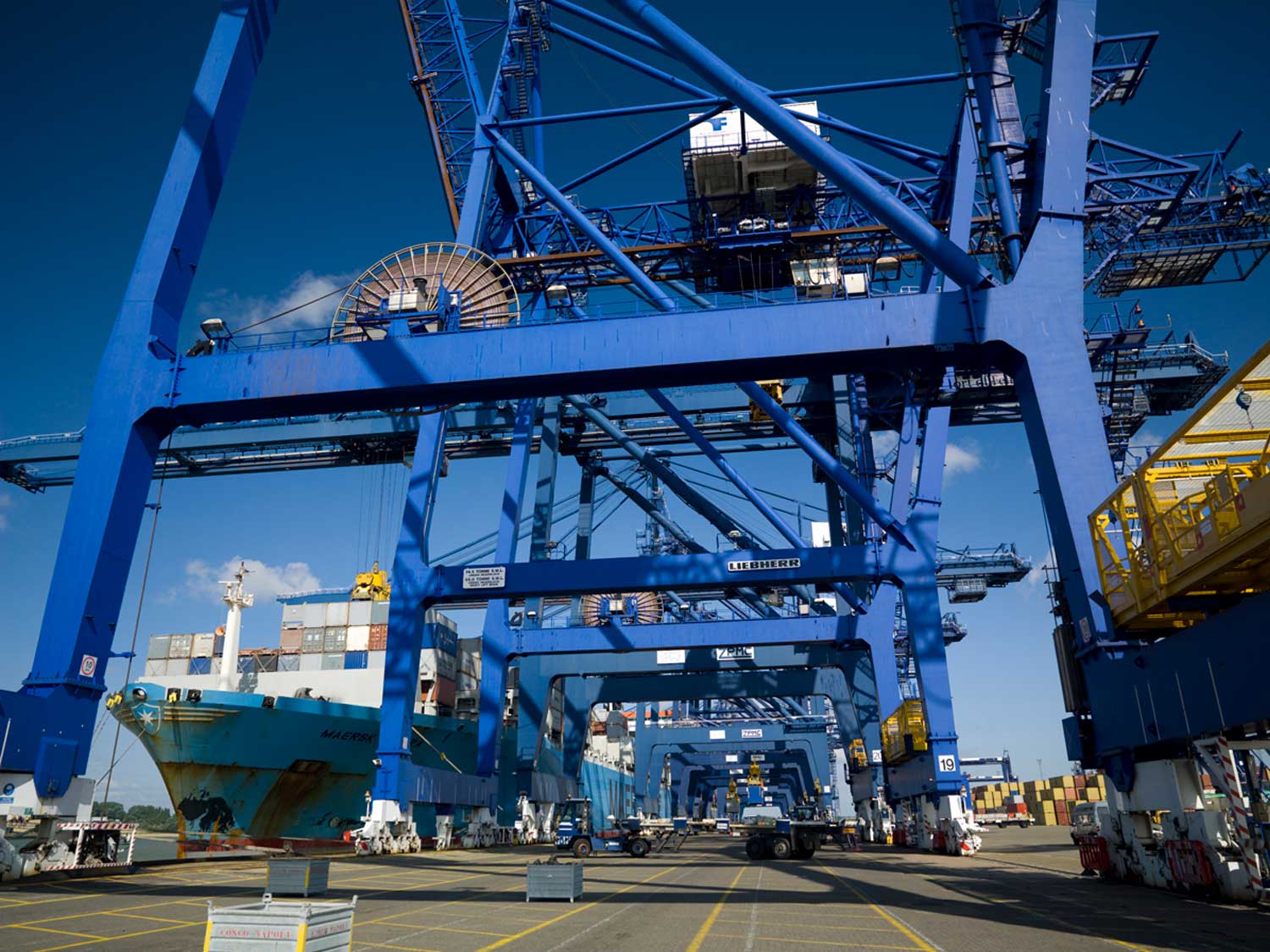
The vote in favour of strike action in August, in a dispute over pay, would bring Felixstowe to a standstill and cause major disruption to port operations and road haulage transport of containers to and from terminals.

The Unite Union’s 1900 members at the port voted overwhelmingly in favour of a strike next month, rejecting a 5% pay rise offer and raising concerns that any stoppage at the UK’s largest container port could further fuel inflation by pushing up overall logistics costs.

UPDATE 5TH AUGUST -  Strike confirmed for eight days from Sunday 21st August until Monday 29th August. The union said that employer Felixstowe Dock and Railway Company had failed to improve on an offer of a 7% pay increase.

UPDATE 9TH AUGUST -  Felixstowe port employers improved its offer with a lump sum payment of £500, but this was rejected by the Unite union last night and with no further meetings planned, the eight-day strike will start on the 21st August. Shipping lines plan to reschedule calls and some will bring ships in earlier to discharge UK imports.

Felixstowe handles in excess of 45,000 containers each week, and the strike’s timing coincides with the traditional increase in traffic that follows the traditional peak season.

The vote for action came as the Port of Liverpool and London Gateway recorded their best ever half year figures, with the latter handling more than one million TEU. 

A senior union official predicted rolling strikes across the economy for the rest of the year beginning with a “summer of solidarity”, as workers become emboldened to protest in the face of rising living costs.

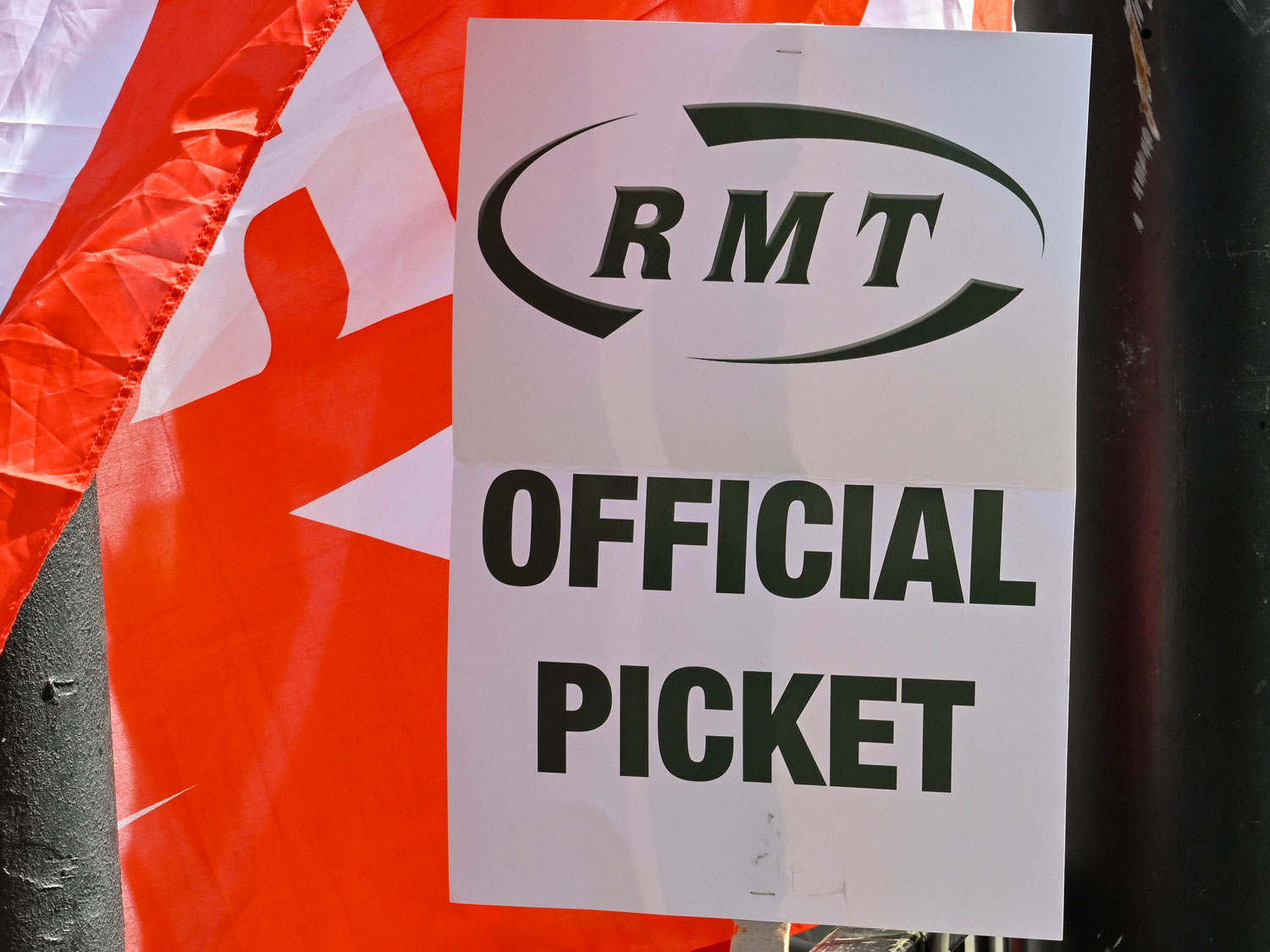
After last Wednesday’s rail-worker strikes, train drivers will also strike at nine rail companies on the 13th August, while members of the RMT are planning strikes on the 18th and 20th August alongside members of the TSSA at Avanti West Coast.

More coordinated action like this is likely, to keep protests in the public eye for longer, but mass politicised stoppages are unlikely, as each strike needs to be based on a specific dispute with an employer to be legal.

The prospect of Felixstowe stoppages follow similar walkouts at Antwerp and major German ports including Hamburg, Bremerhaven and Wilhelmshaven, with unions now agreeing that there will be no further strikes before late August, under a deal which calls for three further dates for negotiations up to the 26th August.

On the air mode, Lufthansa had to cancel 1,000s of flights last week week and cargo operations were affected in Germany, due to strike action that impacted the Frankfurt and Munich hubs. 

Consignments booked to be transported during the strike period as belly cargo had to be rebooked, but no further strikes are planned, as talks between the airline and union were scheduled to resume yesterday and today.

In a separate dispute, members of Germany's pilot union Vereinigung Cockpit (VC) voted overwhelmingly on Sunday in favour of industrial action, paving the way for additional strike action at Lufthansa.

We flex cargo volumes through a variety of UK and continental ports and airports, to take advantage of rate fluctuations, port pairing benefits and to avoid delays at congested ports.

To learn how we  work around disruption and port congestion, please get in touch with our sea freight director, Andy Smith, who can advise on our preparation ahead of any potential strike at Felixstowe.

ship and graph

Shipping line profits just keep growing

The operational efficiency of shipping lines are reaching dizzying levels, with the leading carriers generating an average operating margin of 57.4%, versus an average of just -0.2% in the decade preceding the pandemic.

All carriers reported higher margins in the latest quarter, compared to 55.6% in the third quarter of 2021, with Taiwan’s Evergreen achieving the highest operating margin of 68.6%.

Basically the carriers are making a return before interest and tax of 57 cents on every dollar of sales, with some carriers generating almost 70 cents on every dollar. That is immense, unprecedented and pretty much unmatched in any industry, especially when you consider the scale and size of global container shipping around the globe.

Though Hapag-Lloyd has said that it expects its second quarter results to come in slightly lower than the last quarter, it remains to be seen if the 57.4% margin is the peak of profitability for the container shipping industry, or if they will continue to post extraordinarily strong results.

May saw the highest monthly increase in long-term contracted ocean freight rates, as the cost of locking in container shipments soared by 30.1% and means that long-term rates are now 150.6% up year-on-year.

With 2022 long-term contract rates more than doubling year-on-year, it is possible that those contract prices could offset spot rates, should they soften later in the year. Which means that 2022 financial carrier results could still potentially exceed 2021.

By the end of 2022, the container shipping industry will have earned an unprecedented half a trillion dollars of operating profit, from two years of supply chain disruption and record freight rates.

The container shipping industry profits in the first quarter of 2022 beat Facebook, Amazon, Netflix and Google by 103%, expanding the gap from last year’s fourth quarter when liner industry profits beat the quartet by 14%.

Probably none of this is new news to you – but it is worth headlining and highlighting as it is a vital constituent in the price of goods and therefore a major contribution to the domestic and global inflation pressures and issues that are being experienced currently and for the foreseeable future. Someone has to ultimately pay for these higher costs and that is the consumer.

The container shipping lines are profiting from the perfect storm of demand and disruption, limiting effective capacity. Their pay-day comes after decades of meagre returns and one must hope that we will see a fair equilibrium, for shippers and carriers, eventually emerge.

Global supply chains are going to be under pressure for a while yet, and we will continue to share with you the most important developments so that you are informed and prepared to make critical decisions ahead of potential issues. 

We negotiate rate and volume agreements with carriers across all three alliances, which means we have the freedom to react to market conditions and changes. 

Please contact Elliot Carlile to discuss your supply chain expectations and deadlines to ensure your business is ‘future proofed’ for the rest of 2022.

Shanghai lockdown

China Update; Testing prompts Shanghai lockdown scare

With individual district lockdowns and mass testing again underway, the trade press have been reporting that Shanghai could go back into lockdown, which would be a major disruption as we enter the traditional peak season.

It’s been just six weeks since Shanghai emerged from its two-month zero-COVID lockdown and several districts have been subjected to lockdowns and mass testing again.

Officials said the measures were needed to avert another citywide lockdown, but the press highlighted that mass testing has generally been the precursor to further lockdown restrictions in China.

Our colleagues in Shanghai confirm that localised short-term lockdowns and testing did take place in a number of districts, but they are not experiencing any issues moving sea or air cargo.

And even with more widespread testing this week, in nine of 16 districts, they think that a total lockdown is unlikely. They anticipate more focused lockdowns, that concentrate on specific districts, which would be far less disruptive to supply chains.

The lockdown threat is not limited to Shanghai, with 30m people currently under some form of COVID restrictions, with hot spots in Henan province and Guangzhou, which is also carrying out mass testing again.

The latest Covid scare comes at a time when China’s ports and supply chains are already under pressure and raises fears that local lockdowns will result in further congestion in already strained ports.

Container ships visiting China have already been affected by recent typhoons, impacting operations in Ningbo, Shenzhen and Hong Kong, with fewer vessels berthing.

The average waiting time for vessels to berth at Shanghai last week was up from 12 to 24 hours and most terminals experienced severe congestion at Ningbo, due to the bad weather.

COVID testing requirements haven seen longer berthing times at Yantian and Qingdao had been impacted by fog and bad weather, with average waiting times increasing 48 to 96 hours.

Peak season, expected from late July and August, could see worsening congestion leading to potential delayed or blank sailings, if the situation deteriorates, which will continue to put pressure on capacity and rates.

We are working closely with our local partners to follow the evolving situation in Shanghai and around the country and will continue to share any important developments.

With the long term fixed price and capacity agreements we have in place with our partner carriers, we are well positioned to continue to deliver resilient, consistent and reliable supply chain solutions, however the situation in Shanghai develops.
Our cloud-based supply chain management platform, MVT, makes every milestone and participant in the supply chain transparent and controllable, down to individual SKU level, which means you can adapt and flex your supply chain, as the local situation changes. 

To discuss how our technology could support your supply chain, please contact Simon George our Technical Solutions Director or Elliot Carlile.