BIFA trophies

Freight industry award finalists

The British International Freight Association (BIFA) is the trade association for the freight, logistics and supply chain management sector. Their annual Freight Service Awards are the industry’s most contested and highly sought trade awards, because peer recognition is the ultimate accolade.

BIFA’s 35th and biggest Freight Service Awards – with over 500 attendees and a 30% increase in award entries – took place three weeks ago in the City of London, with Metro overcoming the increased competition, to be selected as finalists in the Sustainable Logistics and Specialist Services categories.

Grant Liddell, Metro’s Managing Director. “Our solutions, technology and customer focus are truly leading-edge and being selected as finalists in BIFA’s Freight Service awards yet again is recognition of that capability and is an independent endorsement of the value that we deliver consistently.”

Metro’s submission for the Sustainable Logistics Award described how a client’s commitment to create more sustainable supply chains was supported by three Metro initiatives, that focused on their critical air freight channel.

Over a two-year span Metro created:
1. A cloud-based tool to measure and monitor the CO2 emissions of every shipment
2. Became the first UK forwarder to invest in the Sustainable Aviation Fuel (SAF) programme
3. Participated in Sustainable Flight Challenges to generate CO2 savings exceeding 37%

The critical insights gained from the Sustainable Flight Challenges were invaluable in developing the operational templates that are now paving the way for a more sustainable air freight channel for the featured client.

Metro’s focus in the Specialist Services Award category was to highlight the value that we add, to enhance the freight element, and the difference that makes to our customers.

The Metro entry, chosen by the judges as a finalist, outlined how, at a time of limited transport capacity, a car manufacturing client’s finished vehicles were safely shipped to international markets, using a solution that reduced transit times, cut costs, lowered emissions and avoided disruption at destination.

By building connectivity between Metro’s supply chain management platform and the client’s ERP system, together with visibility of critical supply chain milestones, the client could grant their dealers direct access to Metro’s visibility tools, providing reassurance on vehicle orders in transit.

With Metro’s solutions the client could continue delivering customer orders in a challenging environment, with the solution running for over 12 months, to protect tens of millions in sales.

If you would like to learn more about the solutions highlighted here, please EMAIL Andrew Smith, Metro’s Chief Commercial Officer. 

steel in car manufacturing

Red Sea diversions disrupt China’s car supply chains

Carmakers had been struggling with a lack of car carrier RoRo capacity before the Houthi attacks began in the Red Sea and now with NYK and K Line suspending sailings via the Suez Canal nearly all big car car-carrier operators are diverting round the Cape of Good Hope, further reducing already squeezed capacity on the key trade route.

The boxlike RoRo car carriers ship thousands of vehicles and are vital in transporting cars between key Japan, China, South Korea and European markets, with long-distance ocean car shipments up 17% in 2023, largely because of big increases in exports from China and comes after large numbers of car carriers were scrapped during a market downturn in 2020. 

The extra 3,500 miles around the Cape means car makers will be able to transport fewer vehicles annually, as the global fleet’s effective capacity is cut and the 185 new vessels on order with shipyards this year are expected to increase fleet capacity by only 7%.

China may have overtaken Japan as the world’s largest auto exporter in 2023, with car exports jumping 62% to a record 3.83 million vehicles last year, but the shortage of seaborne capacity is putting the brakes on their ambitions in the UK and Europe.

With a few exceptions there is no immediate prospect that car carriers will return to their traditional Suez Canal route until they believe there’s a safe transit and with the current threat in Yemen, it is not felt that any military protection will be sufficient.

With about 25% of global, long-distance RoRo seaborne movements of cars typically moving through the Suez Canal, only container shipping is suffering bigger a upheaval as a result of the current problems in the Red Sea. 

However, the challenges for car-carrier operators are fundamentally different from those for container lines because there was a global excess of container ships before the latest crisis and container shipping lines have been able to reactivate idle ships to replace the capacity lost to longer journeys. 

While car companies have built up some extra inventory in key markets over the past year, they will run those stocks down as new vehicle deliveries from Asia are cut.

If you have questions or concerns about your automotive supply chain, trade with the Middle East, Africa, Indian Sub and beyond or any of the issues outlined here, please EMAIL our Automotive team who are standing by to assist.

City of London

Economic impact of Suez Canal diversions

For the UK and Europe fears are growing that any prolonged denial of access to the Suez Canal could impact faltering economies and derail plans to start cutting interest rates later this year.

Despite the confidence of European and UK central banks, uncertainties about the Red Sea crisis' impact remain and prolonged denial of access to the Suez Canal could derail plans to start cutting interest rates this year.

No major impact from the Houthi attacks in the Red Sea has yet turned up in main economic indicators, including December inflation numbers, which ticked up only slightly.

The global economy is still performing below par, suggesting plenty of slack around the system.

Oil prices were the most obvious commodity to hit economies in Europe and beyond, but they haven't surged because supplies haven’t been impacted and demand is slowing.

Less sanguine, the World Bank says the Middle East crisis, with the war in Ukraine, could still lead to surging energy prices, with broader implications for global activity and inflation.

Bangladesh is the world’s second-largest apparel exporter and garments are its main foreign currency earner. Ocean freight rates have gone up 40% from Chittagong to Europe and America, as a direct result of the security crisis in the Red Sea, with fears growing that buyers will begin to look for alternative sourcing.

Sea freight rates from India to the UK and Europe are up an astonishing 500% and there are some signs that the extended equipment turnarounds are leading to equipment scarcity, with fewer 40’ HC empties at busy ports, including Mundra and some inland container depots in northern India.  

Oxford Economics estimates that gains in container transport prices would add just 0.6% to UK inflation in a year. The ECB is expecting Euro zone inflation to fall from 5.4% in 2023 to 2.7% this year, with the BoE expecting UK inflation to average 2.4% in 2024, which suggests that a sustained closure of the Red Sea wouldn't prevent inflation from falling, though it would slow the speed at which it returns to normal.

In the longer term, some companies may advance plans for alternative, more predictable supply routes, which could involve longer but more secure trade paths or "near-shoring" to bring production closer. 

Whichever options are considered, the likelihood is they will involve higher costs, and supply chain risk by its very nature is unpredictable.

Metro support our customers continuing success, by protecting their supply chains, with innovation and resilience, whatever the economic or operational challenges.  

Our unique blend of experience, systems and processes means that we can react quickly to overcome challenges or exploit opportunities; optimising global inventory, reducing costs and streamlining the supply chain. 

Please EMAIL Andy Smith to discuss how we can optimise your supply chain and help you overcome the issues you currently face.

Lloyds

Insurers withdraw war risk cover

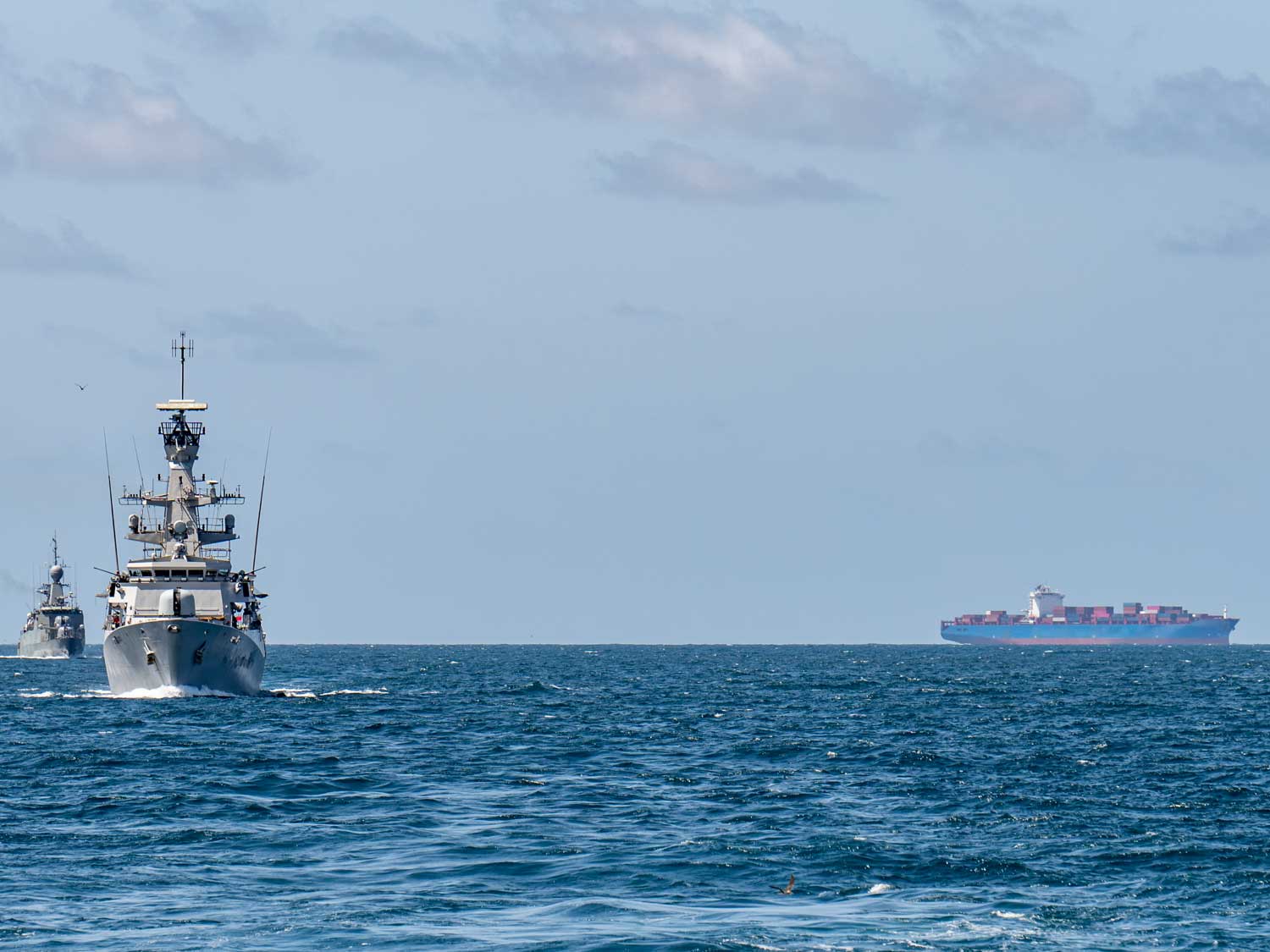
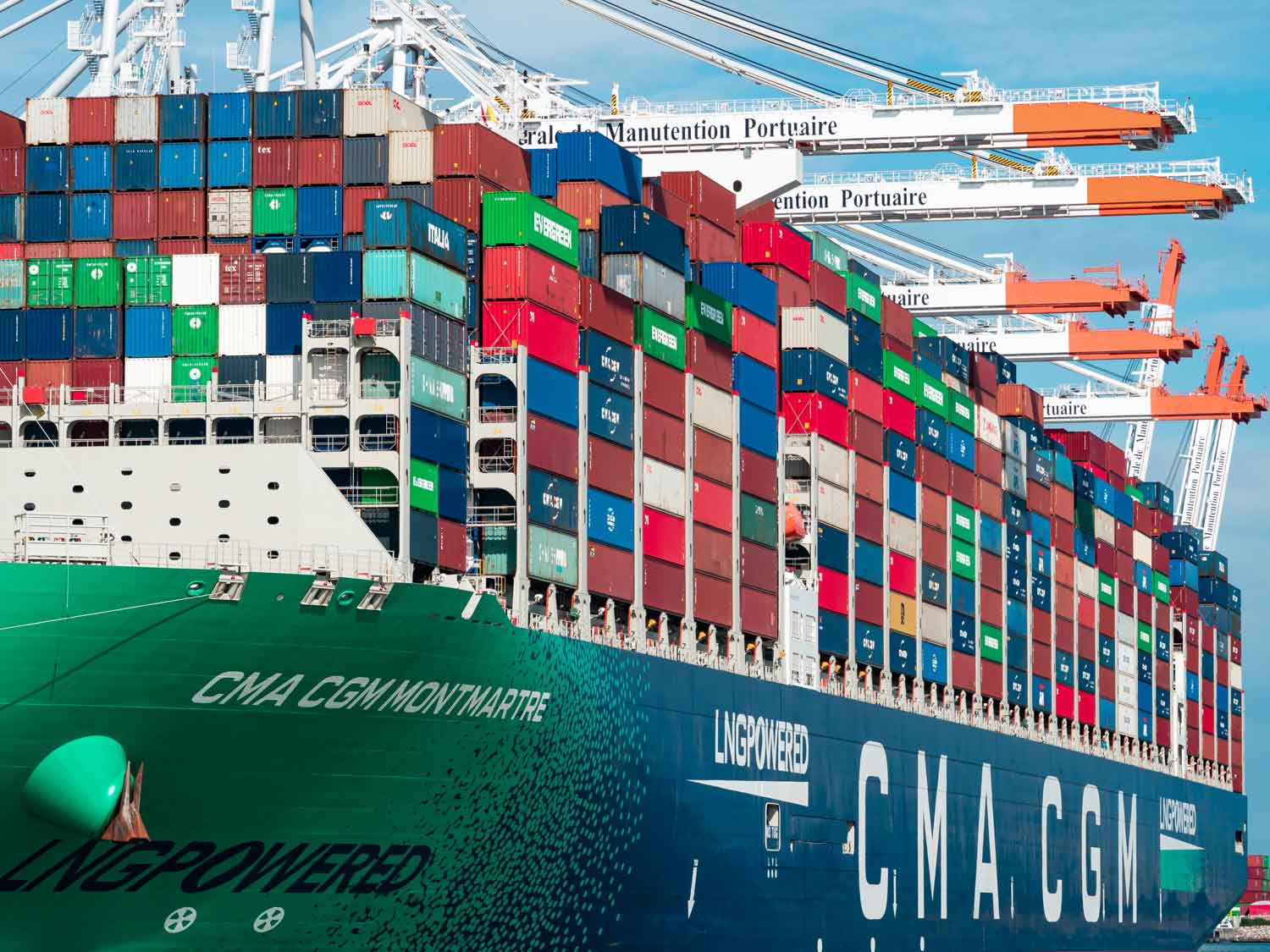
Since December 2023, nearly 30 commercial vessels transiting the Red Sea have faced missile strikes or near misses from the Yemen-based Houthis, including container ships owned by Maersk, MSC and CMA CGM.

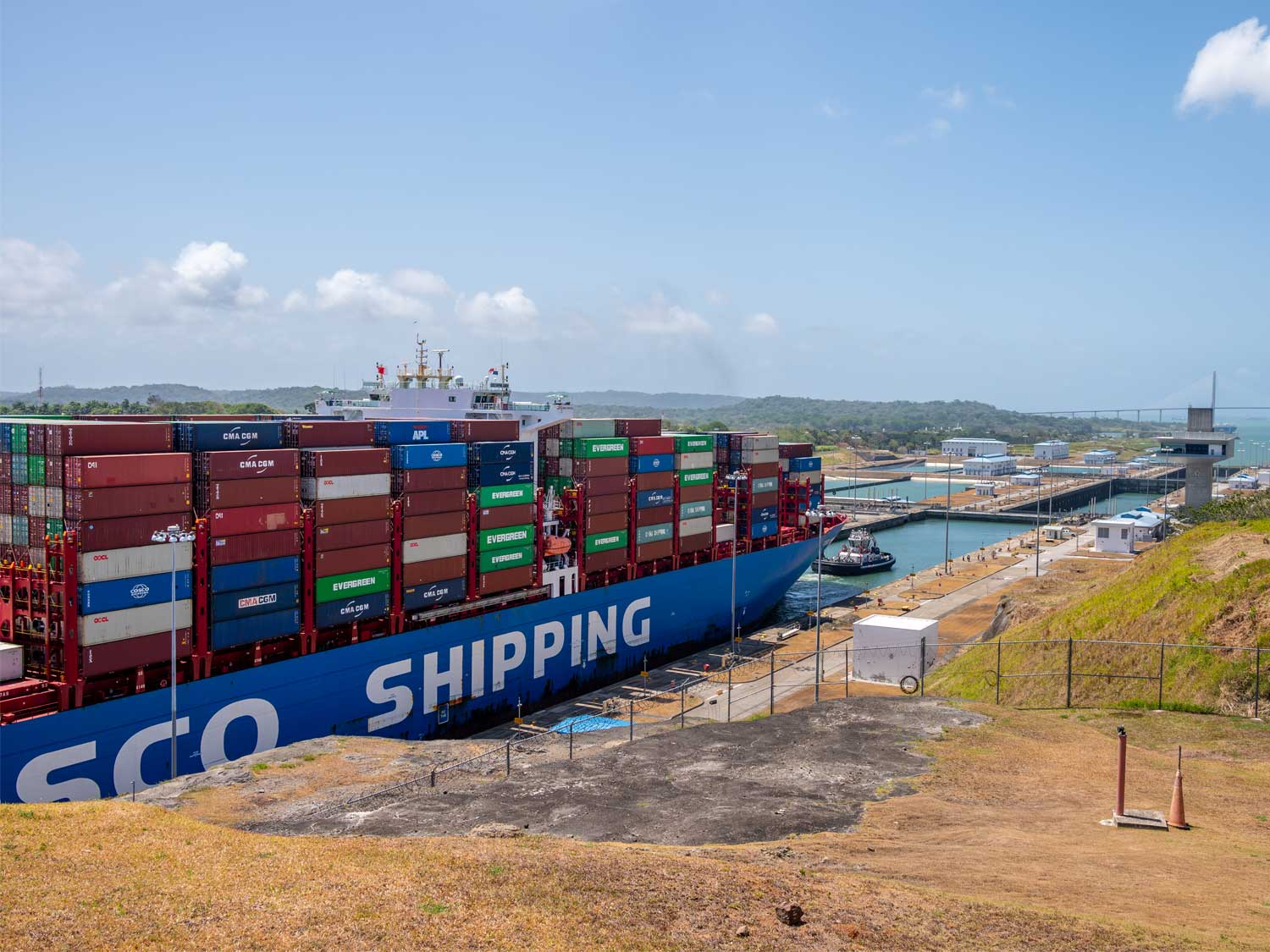
As of last week, 550 container ships have been diverted away from the Suez Canal or are planning to reroute around the south of Africa via the Cape of Good Hope to avoid Red Sea attacks.

Some ships are still travelling through the Suez Canal. Beijing has been neutral on the Houthi attacks but the disruption has raised freight rates, while France’s CMA CGM is still sending some ships through the canal when they can get French warship escorts.

Last week Lloyd’s and London market marine insurers confirmed that they are continuing to maintain cover for cargo and ships transiting the Red Sea despite increasing tensions, but some ship insurers are starting to avoid covering commercial ships against war risks when they navigate the southern Red Sea.

War-risk insurance premiums have already climbed from 0.75-1% of the vessel's value, which means, shipowners will now have to pay $millions for war-risk insurance cover, depending on vessel age, size and type, with underwriters seeking exclusions for vessels with links to the UK, US and Israel, when issuing cover for ships transiting the Red Sea.

In addition to the soaring annual premium, shipowners will also have to pay an additional premium if they want to transit via the Red Sea. It is because several Protection and Indemnity (P&I) clubs have expanded their additional premium zones across the Indian Ocean, Gulf of Aden and Southern Red Sea.

We have seen evidence however, that some insurers won’t cover anything from a war risk perspective around the Horn of Africa and the Red Sea, which means even more commercial shipping companies will be rerouting through The Cape of Good Hope in the near future.

The massive boost to insurance rates is likely to make the Cape of Good Hope routing more cost effective for carriers relative to the Suez Canal, even with the higher fuel costs.

Metro recommends All Risk marine insurance to protect you against all loss of cargo, to the full value of the goods.

Carriers and other supply chain participants operate under conditions that limit their liability and may even require you to compensate them, in certain circumstances, which means that any compensation you receive is likely to be considerably lower than your actual loss.

Metro work with selected partners to offer All Risk marine insurance cover that protects your cargo during every stage of transportation and storage, on a per shipment or annual cover basis.

Please contact your Metro Account Manager for further information.