Coronavirus update 24th March

Low speed containerships are propping up rates

Last year the shipping analyst Drewry’s forecast that the container shipping lines earnings would be down 64% for 2023, but added that there were strategic choices available to the carriers, to protect their revenues, with slow steaming a proven method of removing capacity, to protect rates and comply with environmental regulations.

In the first quarter of 2023, the global container fleet accordingly moved at all-time slow speeds, with analysts suggesting that vessels could go slower still which, despite massive falls, will help carriers keep rates higher than pre-pandemic levels.

During the covid pandemic the container shipping lines increased average sailing speed by 4% to meet strong demand and create spare time, because of widespread port congestion. 

In the first quarter of 2023 the average sailing speed has come back down 4% year-on-year and could drop a further by 10% before 2025, to absorb capacity that would otherwise be surplus. 

Across the global container fleet average speeds went down by about one knot, in the last two years, which does not sound like much, but Alphaliner data shows that is about 6% slower overall, which means you need proportionately more tonnage to carry the same cargo volume. 

For the past couple of decades carriers have adopted slow-steaming whenever there is structural overcapacity or high fuel prices - or both - as is the current situation.

At the same time the shipping lines have ordered record amounts of new vessels and additional capacity is now being delivered into a market with minimal demand growth, new environmental regulations, carbon taxes and rising fuel prices.

Maersk and MSC announced last month they would be adding nine new vessels into the Asia-Europe trade, but that these services would be moving up to three days slower than before, thus absorbing all the new capacity. 

As part of plans to conduct field tests of an onboard carbon capture system (OCCS) for container ships in 2024, South Korea’s HMM will replace the propellers on six of its containerships with more efficient ones specially designed for slow steaming, with HMM also expecting to increase energy efficiency by 8-9%.

The transition to new fuels such as LNG, methanol and ammonia also favours slow speeds, since these fuels will be much more expensive than current ones, which makes sense to deploy extra ships and save fuel.  

Despite a 70-80% fall in freight rates over the last two years, and a worsening of the supply/demand balance, it is quite clear that the container shipping lines have been successful in matching capacity to cargo demand, in keeping rates higher than pre-pandemic levels.

Slow-steaming and evolutions in shipping alliances change competitive dynamics on all the major trade-lanes, which is why we stay close to our carrier partners and contacts, to keep track of changes and identify opportunities for our customers.

If you have any questions or concerns about the developments outlined in this eBulletin, please EMAIL our Chief Commercial Officer, Andy Smith, for the latest insights and intelligence.
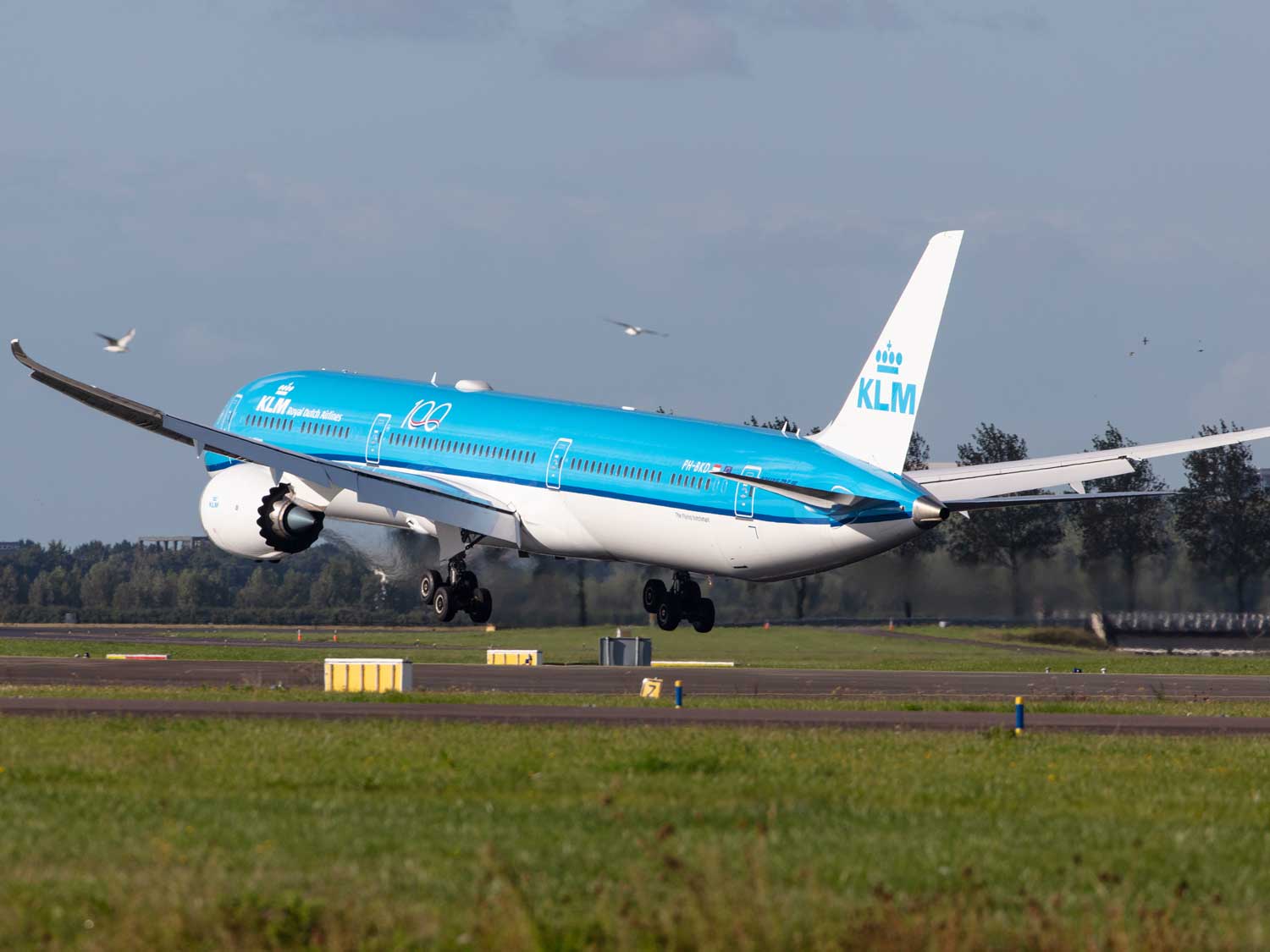
KLM Boeing 787 10 Dreamliner

Metro support successful sustainable flight challenge

Having joined the Air France KLM Martinair Cargo Sustainable Aviation Fuel (SAF) programme in December, we are extremely pleased to support their second sustainable flight challenge, which will generate new insights in accelerating the transition to a more sustainable airline industry.

On the 17th May KLM operated a Boeing 787-10 Dreamliner flight from Amsterdam to Los Angeles and on the 23rd May Air France embarked an Airbus A350-900 from Paris to Atlanta, with both flights carrying Metro client cargo in the most sustainable manner possible.

The Sustainable Flight Challenge seeks new ways to make flying more sustainable, under the SkyTeam alliance umbrella, to encourage member airlines and partners to take part. 

The first Sustainable Flight Challenge was organised in 2022, with 17 of the 19 affiliated SkyTeam airlines operate the most sustainable flight possible. 

This year’s sustainable flight challenge will see 24 affiliated and non-affiliated partner airlines joining the Challenge to conduct flights in the most sustainable manner possible. 

All of the knowledge and insight acquired will be shared with the stakeholders, fostering cooperation and enabling the entire industry to work together towards creating a more sustainable future.

In addition to using Sustainable Aviation Fuel, the KLM and Air France flights implemented a variety of initiatives to boost sustainability, which is of critical importance to our participating, automotive brand customers.

Optimise cargo load
The position of the centre of load gravity has a direct impact on fuel consumption, which means that effective cargo load planning reduces overall aircraft weight, because less fuel is carried, which further reduces emissions.

HVO Trucks
Hydro-treated Vegetable Oil (HVO) fuel reduces carbon footprint.

Sustainable cargo operations
Paperless handling (eAWB), with electric transport in the warehouse and electric tractors to transport cargo to the aircraft.

Weight reduction
Cargo operations use lightweight nets, cardboard board cases, cardboard beams, lightweight unit load devices (ULD), and re-usable covers for cargo pallets.

Eco paperboard pallets
Using cardboard pallets instead of wooden ones generates weight savings of 5 to 8 kilograms per pallet. The pallets are made from recycled paper (94%) and are easy to recycle.

Running the individual elements through the MVT ECO module shows that Flight One to Los Angeles achieved a 37.2% reduction in CO2, while Flight Two to Atlanta achieved a 37.5% reduction in CO2.

Metro is achieving CO2 neutrality by measuring, reporting and offsetting our CO2 emissions and the same ECO technology we use is available ‘free of charge’ to our customers.

The ‘free of charge’ ECO module, that sits in our MVT supply chain platform, monitors the energy emissions, emission costs and CO2 equivalent emissions, of every Metro consignment, by every mode, globally.

To request a demo or discuss your requirements, please EMAIL Simon George, who can outline our proven carbon reduction strategies and the availability of offset projects.

SMMT electric

Setting the environmental auto supply chain benchmark

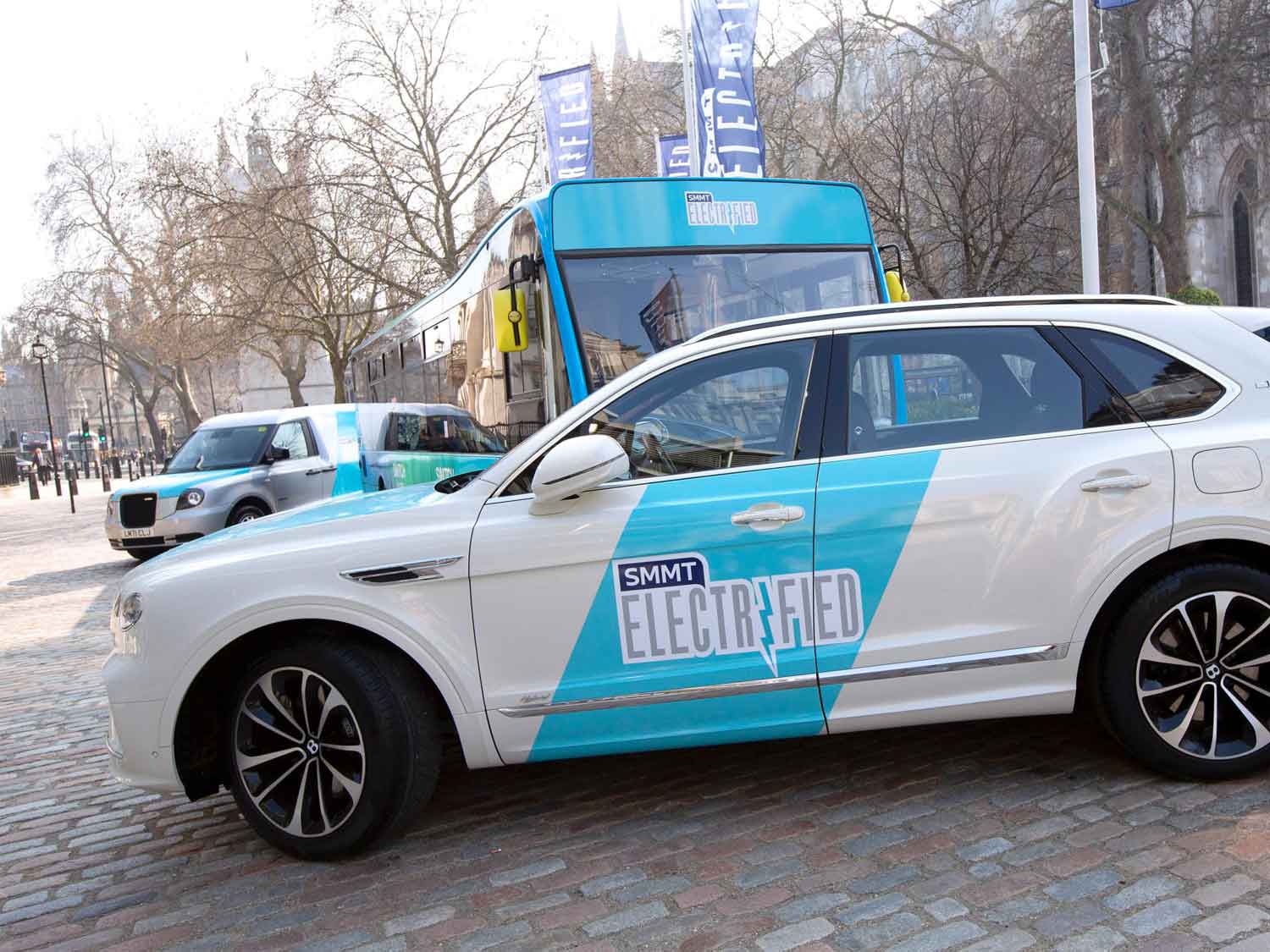
The Society of Motor Manufacturers and Traders (SMMT) represents more than 800 automotive companies, manufacturers and brands, and is one of the most influential trade associations in the UK, shaping policy and legislation across the UK and Europe.

Metro is a member of key vertical trade associations, like the SMMT to be an active industry participant and to share best supply chain practice, to optimise manufacturing, assembly and despatch – to accelerate global success.

SMMT provides members with a forum to share insights on issues affecting the sector, helping them to develop strategies and build positive relationships with key suppliers and partners.

Senior Key Account Manager, Ian Tubbs, recently delivered a supply chain sustainability presentation to SMMT members and outlined the emissions monitoring, reporting and offsetting solutions developed by Metro, with reporting protocols that are in use with leading car manufacturers. 

Ian set the scene by highlighting the scale of emissions generated by sea and air freight carriage and the manufacturing of cars, and the cost of decarbonising vehicles.

He also highlighted specific actions and developments, which Metro undertake, that are making a positive environmental contribution today, including container load optimising, use of rail freight and LPG, Electric and Hydrogen fuels for commercial vehicles, and Sustainable Aviation Fuel for aircraft.

Metro was the first freight forwarder to join Air France KLM Martinair’s SAF programme, investing in the sustainable alternative fuel.

Ian demonstrated the MVT ECO module, which Metro customers can use to view live energy consumption, carbon emission and offset cost data for all their shipments, across all transport modes and trade-lanes, with easy export of data for further internal analysis.

The CO2 output in MVT ECO is calculated using the GLEC Framework, a standard already employed by Jaguar Land Rover, which was developed by the Global Logistics Emissions Council and is the only globally recognised methodology for harmonised calculation and reporting of logistics green house gasses.

MVT ECO enables monitoring and reporting of any mode of transport and goes a step further by providing offsetting and avoidance costs, with the opportunity to invest in sustainability projects, which have already attracted leading manufacturers including Ford, JCB and Toyota.

The screen-grabs below show carbon footprint reporting by month, which can be viewed by mode and trade-lane. Energy emissions can be viewed in joules, CO2 equivalent emissions in tonnes, and avoidance costs to offset emissions.

The ECO statement reports at consignment level and is fully downloadable into an easily digestible excel format to analyse offline, with multiple data points like, references, shipment dates, location or port pairings, weight, distance travelled and the emissions calculations.

It can also provide you with a partial offsetting cost in line with sustainability projects you’re looking to invest in, with a slider at the top of the page to choose how many Pounds per carbon tonne you wish to calculate.

The emissions calculator compares carbon output by mode, by inputting consignment details such as number of containers, weight in kg or tonnes, or pallets quantity and then specifying origin and destination.

The MVT ECO module is available free-of-charge to customers on their MVT dashboard, where they can view key eco statistics related to their movements, to see which areas will benefit most from emissions offsetting and where efforts can have the most impact.

To request a demo or discuss your requirements, please EMAIL Ian Tubbs.

Banner image courtesy of SMMT

European roadmap to recovery

New EU emissions trading system for road transport

EU Member States formally adopted the new emissions trading system in road transport (ETS II) last month, but the road freight industry insist 2027 is “too soon to launch”, given the absence of refueling and EV charging infrastructure.

The Council of the EU in April, adopted a new emissions trading system for road transport (ETS II). The system will apply to road transport fuel suppliers starting 2027 unless oil and gas prices are exceptionally high and while the International Road Transport Union (IRU) welcomes the later date - having originally been set for 2024 - they think it is still too early.

Industry pundits believe that the EU’s decision reflects a lack of understanding of the make-up of the haulage sector. While larger road transport firms would adapt to meet the new system, over 70% of capacity comes from SME hauliers, who will see their slender margins squeezed to the point that business may no longer be profitable for them.

The IRU think that the compromise to launch ETS II in 2027 – compared to 2024, as initially supported in the European Parliament, or even 2025 and 2026, as first proposed by the European Commission – is significantly more realistic, given the expected pace of infrastructure and technological development.

The IRU argued throughout the legislative process that 2027 is too soon and are glad that the EU demonstrated some pragmatism, by not settling for an even earlier date, considering earlier proposals had unrealistic start dates or impractical distinctions between private and commercial vehicles.

The road transport sector’s call to charge carbon emissions as efficiently as possible is reflected in the text formally adopted by the Council. ETS II will generally supersede existing national schemes, unless national schemes set higher prices for allowances.

The IRU maintain that when it comes to decarbonisation, ETS II is not particularly effective and it is unlikely that the necessary conditions, such as EU-wide charging and refueling infrastructure, for a substantial transition to zero-emission heavy-duty vehicles, will be in place for years.

Metro’s European road transport solutions incorporate dedicated vehicles moving on set routes, with defined delivery deadlines, using GPS tracked trucks, to provide full transparency on transit schedules throughout the UK and mainland Europe.

Metro’s reliable services, specialised equipment and operational excellence, develop resilient road freight solutions for the most complex and demanding supply chains.

To explore the potential of our short-sea container, unaccompanied trailer and road transport services EMAIL Matt Paxton-Rhodes to begin a conversation.