Coronavirus impacts air and sea freight

Excessive demand likely to mean higher contract rates next year on all modes

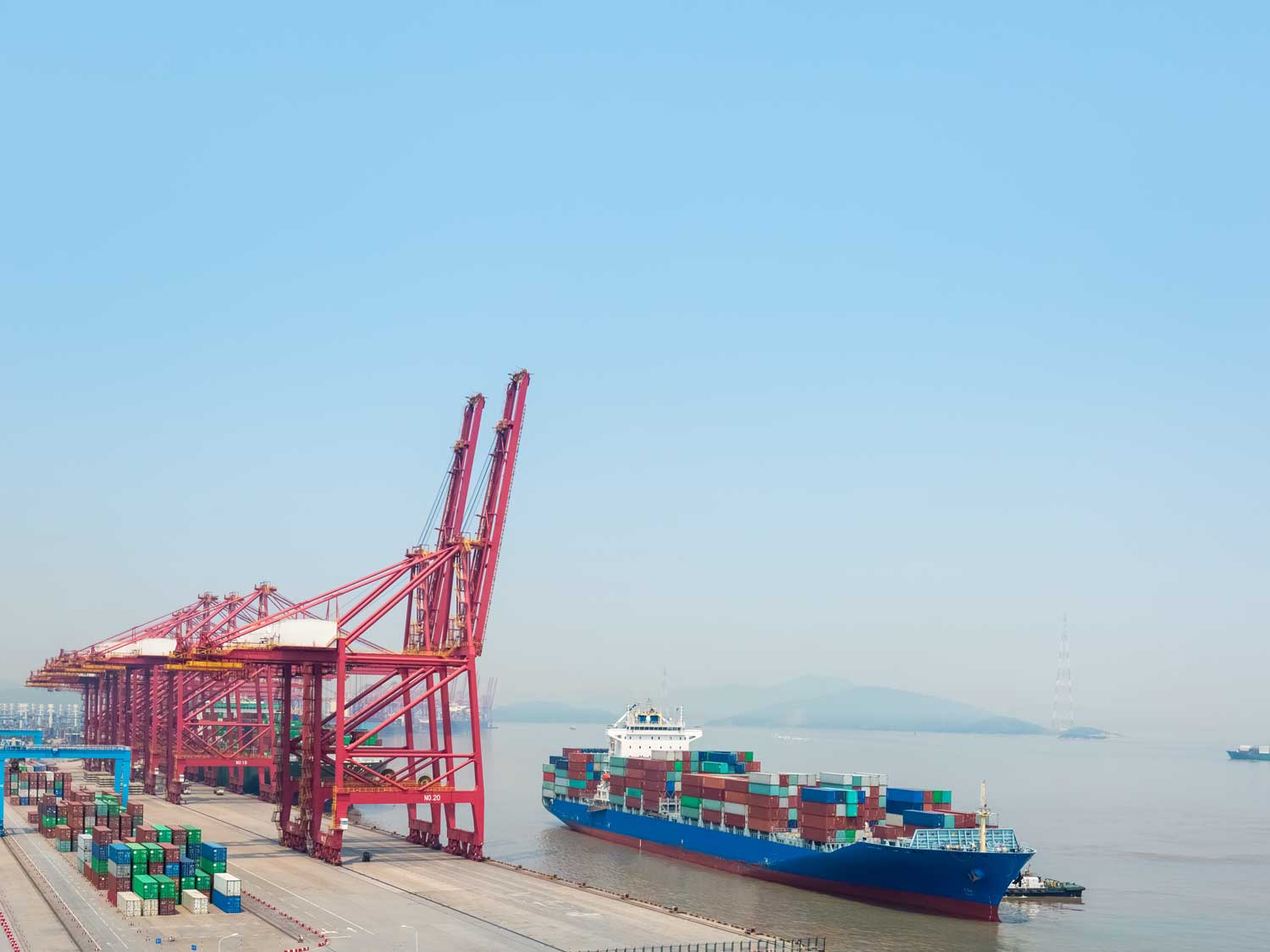
The early start of the sea freight peak season and its likely extension through 2021 and possibly up to the Lunar New Year in 2022 means the chance of current market rates softening significantly are slender, particularly as disruption in any region creates more congestion and delays, pressuring prices as shippers try to secure scarcer slots.

If they have the chance to ship, many importers have already started to move Christmas orders, to get their goods in the warehouse early, or at least on time. However this is coming with a premium to the budgeted cost.

This COVID-driven phenomenon is contributing to the early peak season we are seeing and means a continuation of high freight rates, and increased demand as shippers struggle to find space for their cargoes, whether by ocean freight, air freight, rail or overland.

And with the supply chain disruptions from the Suez Canal blockage and Yantian port partial-closure continuing to impact pricing and equipment availability, more incidents, accidents or disruptions will have disproportionate impacts.

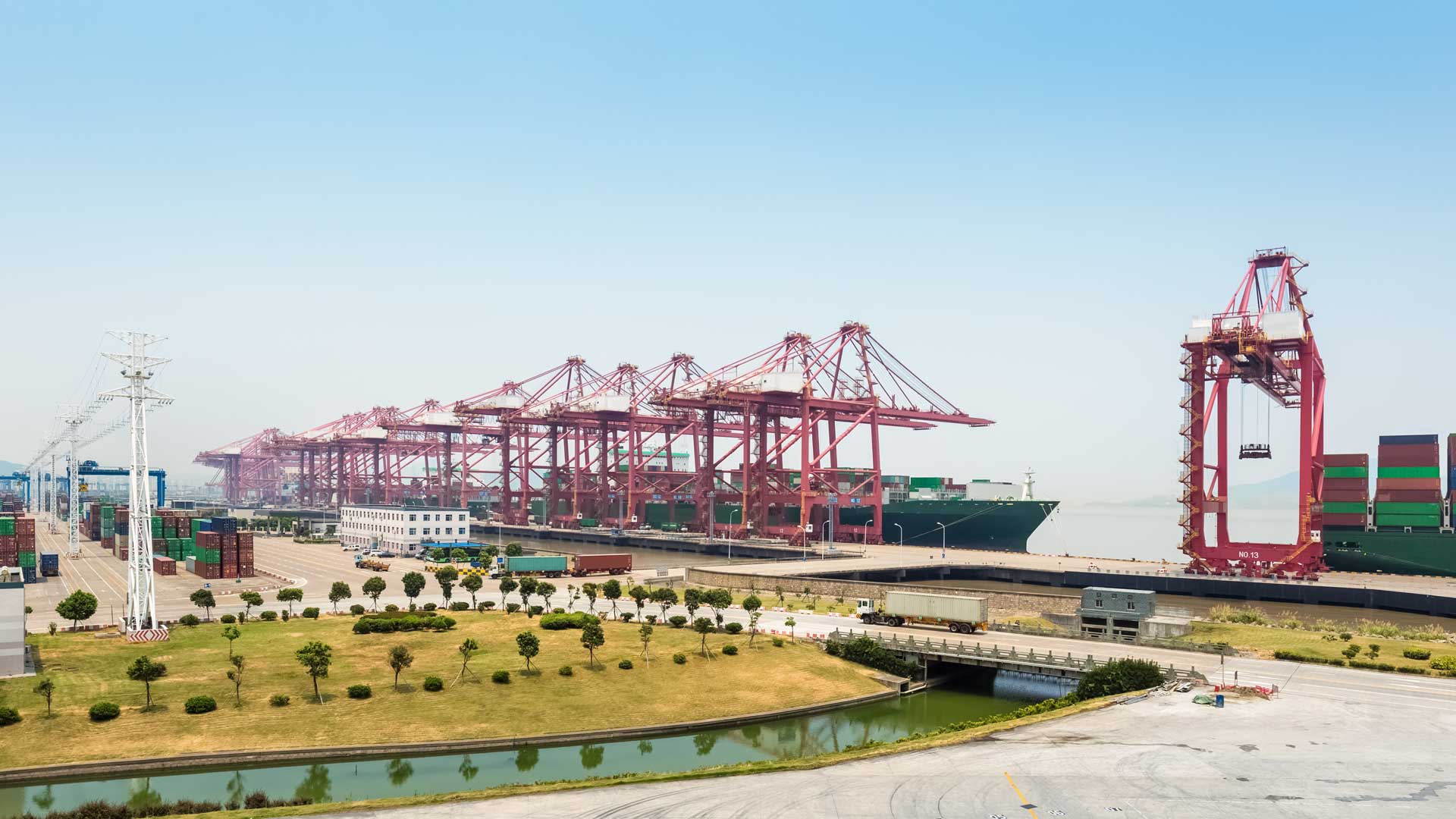
With global port and inland infrastructure already at full capacity or exceeded, at many locations there is simply no possibility of handling more volume and the lines continue to struggle to recover equipment or even get a berthing window. It is easier for them to take a vessel out and blank a sailing, rather than operate all their vessels and add to the congestion. Many shipping lines are struggling to get their schedules realigned which has a significant impact on consistency and predictability of service.

The record-breaking rates being seen on the spot market are not expected to come down, as long as shippers are willing to pay premiums to secure space, in a restrained environment.

Even the biggest shippers (beneficial cargo owners - BCO) and forwarders with contracted volumes are impacted.

Although contracts are being honoured by most carrier partners, there is limited, to no, flexibility on the volume side. In the worst cases carriers are only honouring agreements for a percentage of the agreed volume, meaning further negotiation and alternative solutions need to be sought.

While the very largest shippers, such as the supermarket retailers, will generally be secure - even they will not get additional boxes moved against the tender rate - smaller volume contract holders have been cut off by the lines and forced onto the spot market completely, alongside those shippers who held off contract negotiations this year in the hope that freight rates might fall after Chinese New Year in 2021. It did not happen.

Both groups have been badly hit by higher rates in 2021 and will now be trying to guess what next year might offer.

With no signs of the situation easing, contracts will be agreed in a sellers’ market, where the carriers have no inclination to negotiate, and are quite happy to push BCO’s into the FAK market and 1,000 boxes a year is now considered paltry.

With strong demand for space and limited capacity likely to extend into next year, we encourage shippers with pending orders to contact us now, to get the most attractive options and protect their supply chain.

As we enter the traditional peak season for ocean and air freight it is critical that you book your shipments at the earliest opportunity, which is why forecasting is a key component within the current market.

Please contact us immediately to see how we can support the movement of your products to market or manufacturing locations globally. Metro will always provide you with all options and transparency in how to achieve your expectations and deadlines.

container shortage

Available container equipment shortage continues

Containers continue to be in short supply - particularly in the places where they’re needed most - with wait times varying region to region, country to country and port to port. And even the world’s biggest shipping lines are not sure when their containers will be available, or where.

Despite relationships going back decades, long-standing contracts and priority agreements, our ocean commercial team continue to face massive challenges in locating, booking and positioning the right container equipment, at the right place, at the required time, with particularly profound shortages across China.

Whatever challenges they face, Emma Hulbert and her team, always get the equipment that is needed, or find alternatives to work around the problem.

The continuing shortage of shipping containers is a symptom of the havoc wreaked by the COVID pandemic on global supply chains.

The problem isn’t that there are not enough containers, it’s that the containers are in the wrong places, with stacks of containers in areas where they really shouldn’t be as they cannot be loaded with products due to the imbalance of trade.

When the initial outbreak of COVID-19 forced China into national lockdowns at the end of 2019, the region’s manufacturing sector shut down and cargo ships that were already en route out of Asia dropped off hundreds of thousands of containers full of goods, but because of pandemic restrictions, those containers were not re-loaded with exports to send back to Asia. Instead, the containers simply piled up at ports and inland terminals.

Unable to spend their money on restaurants, pubs and entertainment, consumers turned to buying manufactured goods and the massive upturn in demand that began late in 2020 meant that origin and destinations ports struggled to load and unload containers fast enough to keep up with the queues of ships anchored offshore. 

Many ships, already running behind schedule because of congestion at the ports, decided to leave their empty containers behind rather than wait days to load them back onboard. Or they simply did not call at the ports intended as they were omitting them from their schedules.

As containers continued to pile up at import ports across the UK, Europe and the US, their supply dwindled at major export hubs across Asia.

Despite factories ramping up container production activity at the end of last year and beginning of this year, inventories of new containers remain very low and it is unlikely that the shipping lines will be able to end the shortage by simply making more containers.

The shipping lines’ expectation is that the container shortage will sort itself out over time, and bottlenecks will be relieved as buying patterns return to normal. Additional vessels and containers are entering the market in 2021, which will also help to alleviate the issue.

How long that will take to unwind is unfortunately a guess and we are working to the assumption that the shortages will be resolved sometime towards the end of this year or early next year.

But of course any assumption for how the shortage will end can be undone in an instant, if we have another ‘Suez’ or ‘Yantian’ incident.

While shortages remain, locating and booking equipment is particularly challenging, which is why we request four weeks visibility and booking window from vendors and shippers, to secure space on the vessel and get the right equipment positioned.

Global supply chains are likely to be under intense and sustained pressure for some time yet and we will continue to share with you the most important developments, so that you are informed and prepared to make critical decisions, ahead of potential issues. 

Please contact Elliot Carlile or Grant Liddell to learn how we can support your supply chains, even in the most challenging market conditions.

Suez MSC vessel

Soaring India freight rates fuel demand for government backed national shipping line

The Federation of Indian Export Organisations (FIEO), the official body responsible for representing and assisting Indian exporters, has submitted a formal request to the Indian government to invest in developing its own shipping line, in response to ‘exorbitant’ freight rates.

As we have updated you weekly, the cost of freight by all modes and on all trade lanes continues to remain high, operationally disrupted and administratively challenging, including the Indian Subcontinent.

According FIEO, there has been an “exorbitant” rise in rates since the COVID crisis began exacerbated by container shortages, inaccessible vessels availability and high container freight rates all affecting Indian exports and the profitability of exporters, said newly elected FIEO President.

FIEO highlighted that India is moving towards a trillion-dollar economy which will lead the payment due for freight to US$100 billion and if Indian shipping lines got just 25% of the business, they would have a captive market of over US$25 billion.

"The Government may provide some financial support either through liberal lending or through tax benefits to facilitate the same”, stated FIEO.

The FIEO statement come in light of rising freight rates since the beginning of the pandemic in 2020, with a huge demand and supply gap which has led many exporters to put regular bookings on hold while containers are being allocated only to those exporters who are paying a 100% premium.

Indian exporters are already worried about the escalating freight rates, and now they face huge challenges securing bookings, with the waiting period increasing drastically, with no bookings available on some routes until the 15th July.

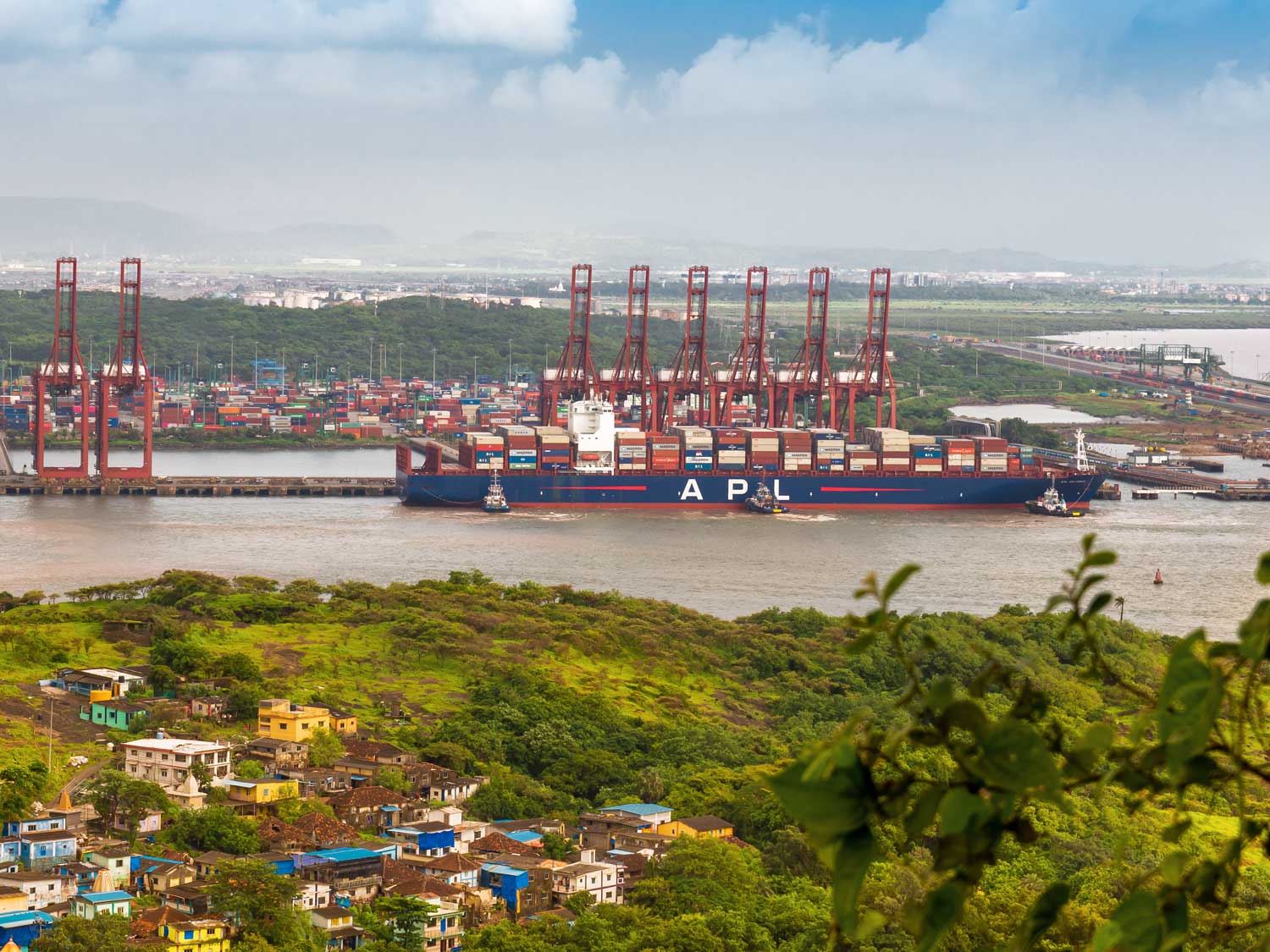
All the major lines are reporting very limited space ex-Indian ports, especially to Africa, Oceania and South America, with peak season surcharges being imposed on some routes.

Having indigenous shipping lines may not solve the problem completely, the FIEO admit, but they believe it could command a fair share of India’s trade and soften freight rates.

The optimistic view for India freight rates is that they will begin to plateau by October-November 2021, providing efficiency at ports has been restored by then.

Metros network and expertise extends across the Indian subcontinent, with many customers sourcing from and exporting to the region, including leading brands and manufacturers across a variety of verticals. 

We continue to monitor the local situation and will update you on significant developments as they occur. Metro are experts in moving freight from and to the Indian Subcontinent and have the network and credibility to support all of your needs and requirements with the region.

If you are currently exporting to, or importing from any Asian subregion – or are thinking of developing these regions – please speak to Grant Liddell, who will be delighted to offer assistance, guidance and recommendations on the best solutions for the movement of your goods and associated supply chain issues.

Asia sea rates peaking

Sea freight rates to remain elevated into 2022 – and likely beyond

Economists are convinced that global sea freight demand will continue to outstrip container shipping capacity for the rest of this year and into next year, which is good news for the shipping lines’ bottom line, but not so much for shippers, who continue to pay premiums in order to get their product moved.

Consumer and business demand for goods and materials remains very strong, while a limited supply of new vessels entering the market this year and early next will not make a lot of difference, following which the record new-vessel order book running into 2023, should see substantial additional volume begin to appear.

Global demand is forecast to outstrip container shipping capacity this year and into next, with volume growth of between 5 and 7% against capacity growth of 4%, with the potential for port and landside disruption expected for most of 2021 and into next year.

The supply-demand imbalance has been in the shipping lines’ favour for months, with operating profits for the carriers, for the first quarter of 2021, greater than the sum of the previous ten years' first quarters combined!

Second quarter announcements are due to be announced soon and they will be even greater than Q1.

This highly positive start to the year followed a lucrative 2020 in which operating profits for the lines totalled $26.6 billion, up from $5 billion in 2019, with expectations for profits of $35 billion in 2021. (Though this likely to grow significantly). Some analysts have cited levels at $100 billion for the shipping industry this year!

Compared with the same week in 2019: spot rates from China to the US West Coast last week were up 400%; while China to North Europe were up 636%; and North Europe to the US East Coast up 218%.

Despite the record rate levels, demand is so strong and capacity so limited that carriers are requiring shippers to pay significant premiums to guarantee space. Additional charges that can into thousands of dollars per container, without any real guarantees that space will follow.

The disruption from congestion, as a consequence of the partially-closed Yantian International Container Terminals (YICT) over the last six weeks, combined with persistent demand, is making availability of available empty containers even more scarce, which is putting even more upward pressure on rates.

While in the UK and Europe port congestion and disruption continues, across the Atlantic, the USA are experiencing extreme capacity issues too - affecting rail, trucking and chassis availability in turn slowing down the repositioning of equipment enormously. As a consequence this issue is now also being experienced in the UK. It’s been widely reported that costs for haulage are increasing, alongside the issues of driver retention as the majority of the workforce head to retirement and Brexit implications, compounded by the lack of new vehicles and infrastructure all modes of international transport.

The continuing record numbers of inbound volume from Asia is resulting in delays due to lack of rail cars, delays in delivering cargo as truckers are booked two to three weeks out and chassis are at a deficit, with manufacturers in Europe and North America most affected by delivery delays.

With strong demand for space and limited capacity likely to extend into next year, we encourage shippers with pending orders to contact us now, to get the most attractive options and protect their supply chain.

As we enter the traditional peak season for ocean and air freight it is critical that you book your shipments at the earliest opportunity, which is why forecasting is a key component within the current market.

Please contact us immediately to see how we can support the movement of your products to market or manufacturing locations globally. Metro will always provide you with all options and transparency in how to achieve your expectations and deadlines.