Father Christmas

Critical Christmas considerations

Current supply chain stresses and Christmas holiday dates are combining to create specific festive challenges, that may impact your supply chain, which is why we have compiled those most likely to have an operational or financial impact. 

As we come towards the close of the year we are faced with challenges across the board, on all modes of transport, in all directions. With this year’s festive holiday period basically offering a two day delivery window, between the 24th December and 4th January. 

Issues that are being experienced and expected to escalate during the 10 day holiday period include:

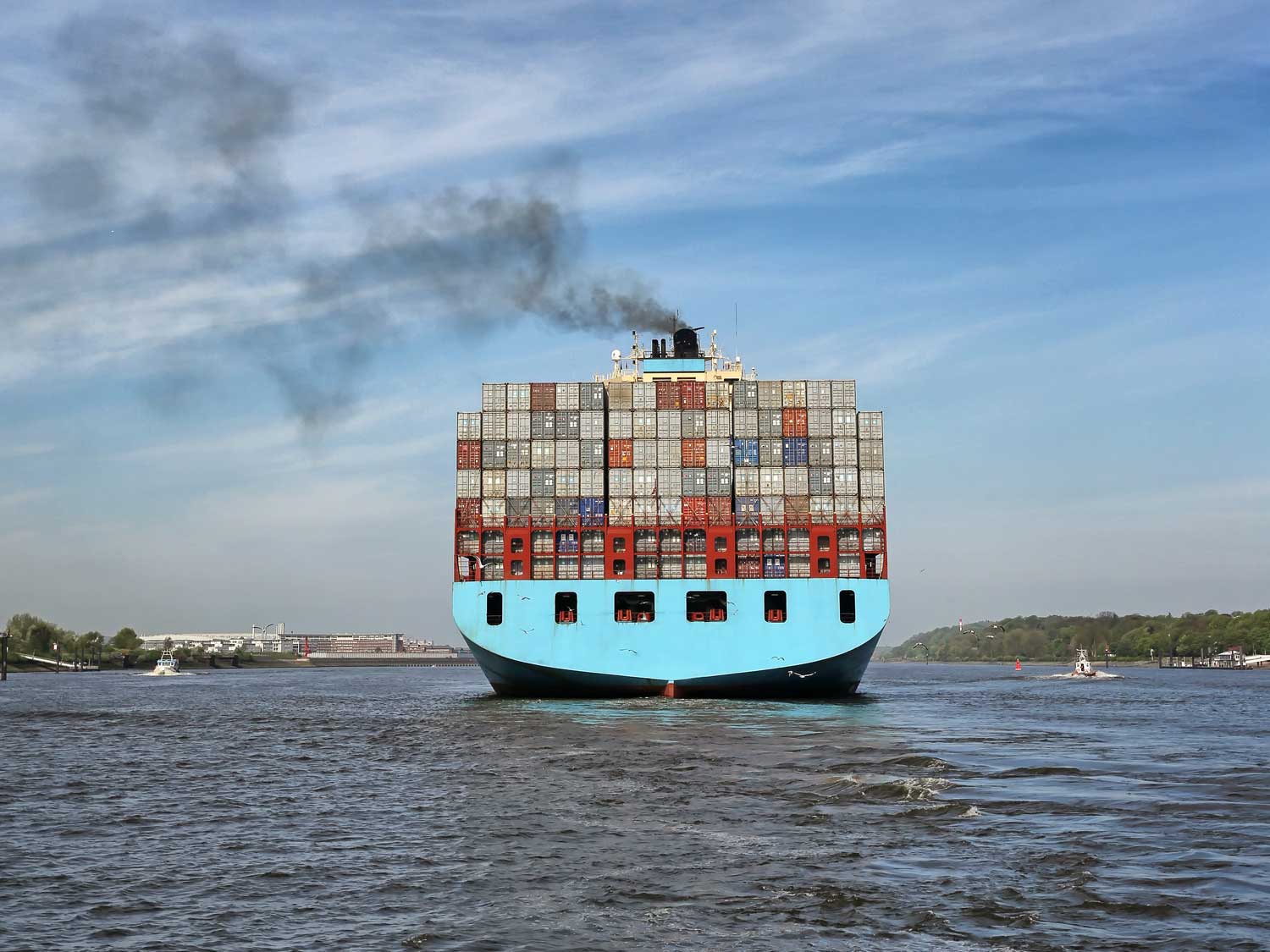
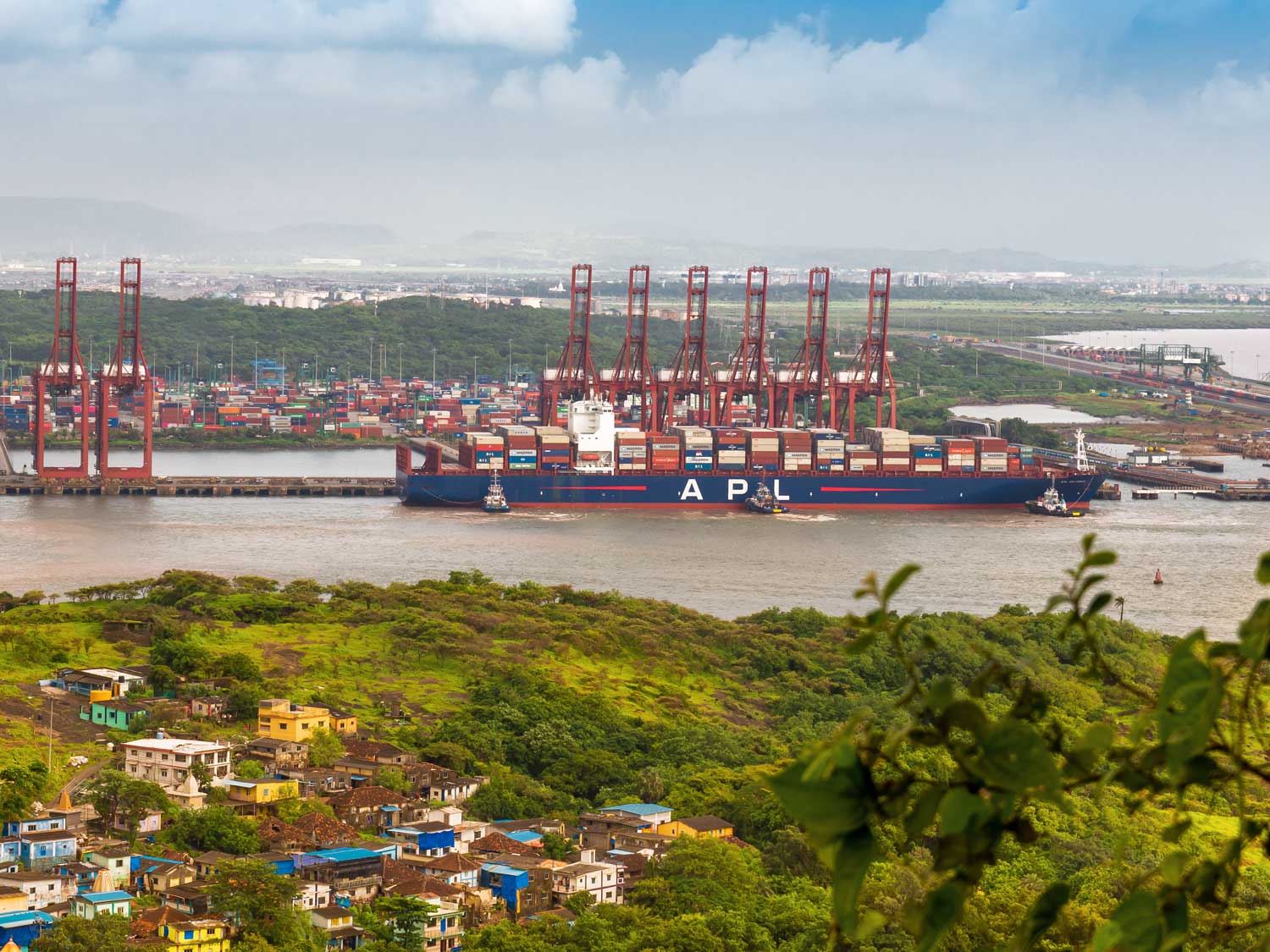
  1. Ports, airports, rail heads will be lightly staffed, slowing vessel unloading/ loading with potential for delays, backlog of vessels or UK ports being omitted.
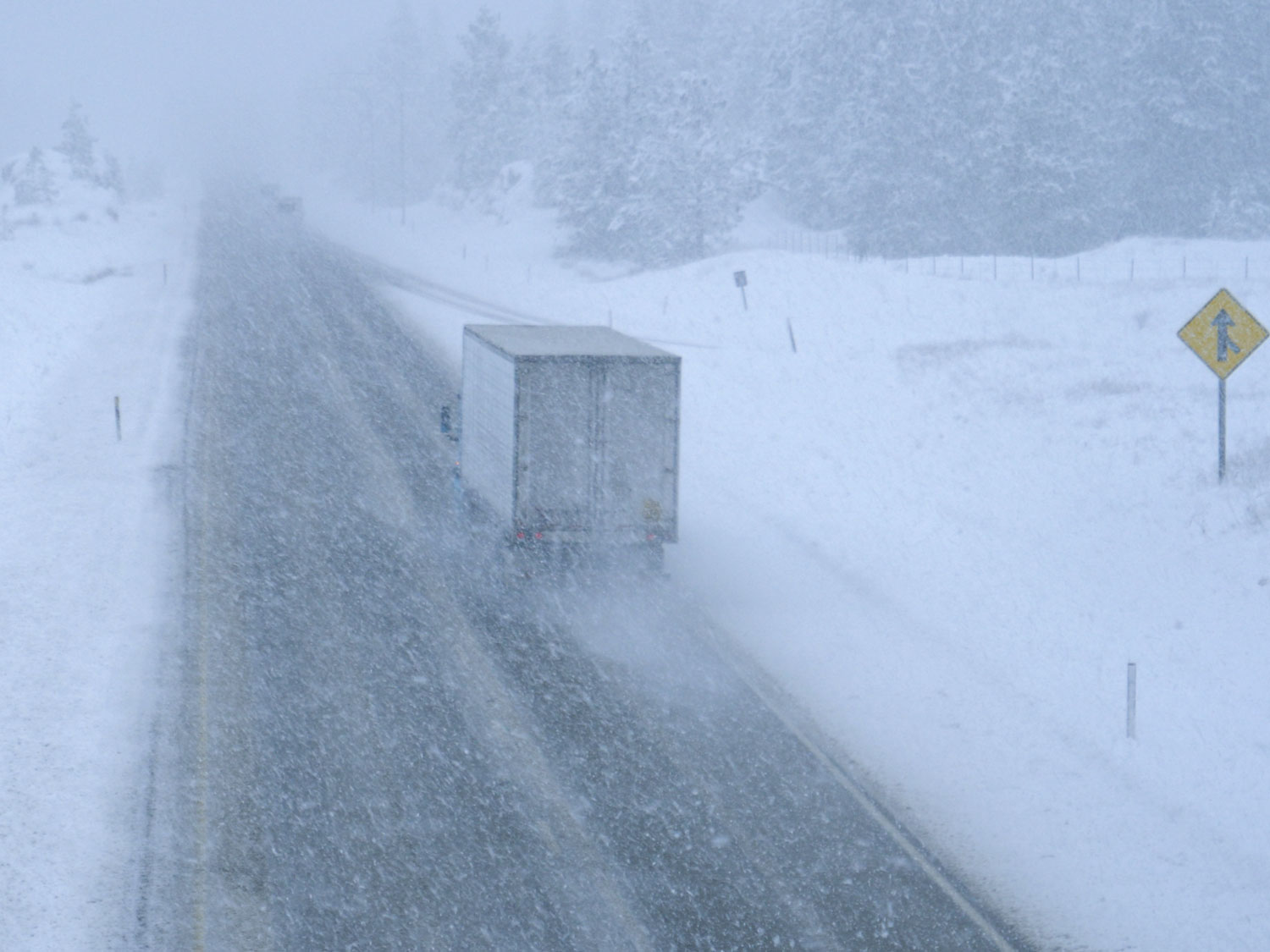
  2. Hauliers and drivers taking holiday will restrict vehicle availability and capacity.
  3. Clients’ warehouses/ DC’s will be closed or working on restricted staff numbers, with reduced booking windows.
  4. Vessels continue to arrive off schedule and are still changing daily on ETA/ETD or omitting ports.
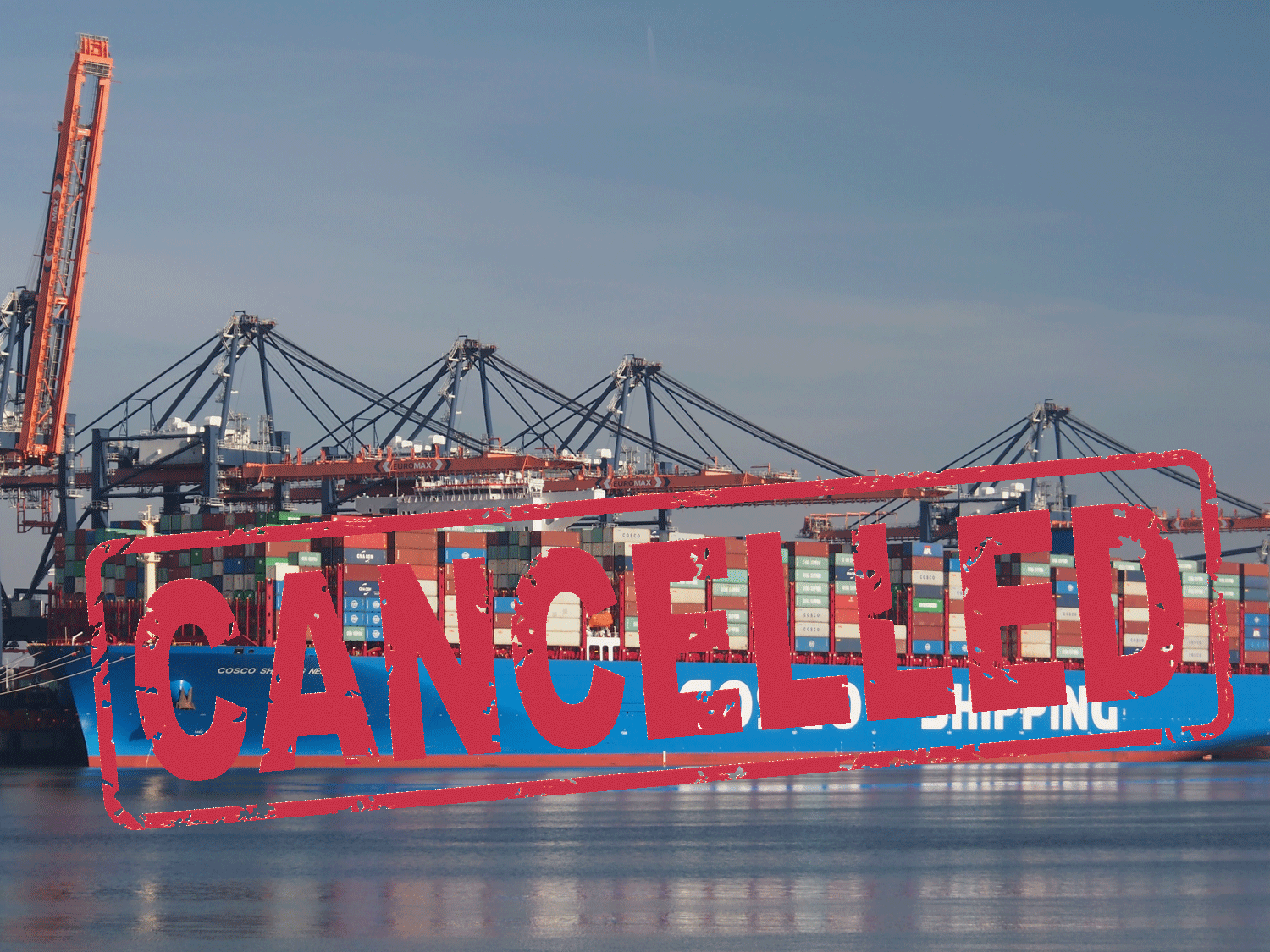
  5. Airlines are cancelling large numbers of scheduled flights due to falling travel demand creating a shortage of cargo capacity, especially on long haul routes such as North America and Asia creating a spike in prices.
  6. Hauliers and shipping lines currently are primarily only accepting transport transactions after January 4th 2022.
  7. If ports become congested due to a slow down in equipment release and acceptance it is highly likely that they will not be able to receive either laden or unladen containers and these will be redirected to other interim holding areas/ ports as a consequence.
  8. Customs authorities will be operating with skeleton staff throughout UK and Europe – for any urgent brokerage requirements please ensure that these are highlighted as soon as possible.
  9. Shipping lines and Ports are not giving any extended free time or detention and demurrage days resulting in additional costs being incurred. These are likely to be incurred 5 to 7 days after arrival of vessels, when they do eventually berth.
  10. This list is by no means exhaustive and these observations are without the growing effect of the Omicron COVID variant, which looks likely to massively impact the UK infrastructure over coming weeks, leading to working restrictions and possible firebreak lockdowns.

Metro are doing everything that we can to mitigate additional costs but the reality is with a 10 day ‘virtual closure’ of the logistics sector in the UK and the growing influence of Omicron, additional costs may be unavoidable, whether as a recovery of issues as they occur, or through storage charges that are applied after free time periods are exceeded.

We will continue to keep you updated and advised on the conditions and events as they occur and we will advise on additional costs that are incurred, or likely to be incurred, as soon as we are aware of these.

We are asking customers to advise on their own arrangements for the festive period, in relation to warehouse availability, office attendance and out of office contact details so that we are able to communicate everything with you during the Christmas and New Year holiday season.

Metro will continue to operate, as key workers, from the office and remotely from home with the statutory holidays being observed, when we will be closed, like most other organisations. We understand the need for proactive and high level communication during the period, and as always, we will ensure that you are kept advised of the situation down to consignment transaction level.

Thank you for your support, Merry Christmas and Happy New Year.

Metro truck at bay

Road freight costs up over a third

Market data suggests that road transport pricing may be stabilising after record increases, but is likely to remain at elevated levels for some time, due to continuing shortages of freight transport HGV drivers and limited capacity.

UK road freight prices appear to be stabilising after rising by more than a third in 12 months, with increasing calls for more action to address the 100,000 HGV driver shortage, which has led to spiralling labour costs in the freight sector. And despite government action to attract EU drivers to the UK with short-term visas, and changes to HGV testing, the driver shortfall will continue until next year.

A new transport industry index highlights the spiking demand for UK courier and haulier services, with the sector experiencing the highest price-per-mile average across all vehicle types in September 2021 — a 21.8-point increase compared to September 2019, and a 26.1 point increase on September 2020, with road haulage rising 37%. 

The TEG Road Transport Price Index, compiled by the Transport Exchange Group since January 2019, from over four million aggregated and anonymised transactions, reveals the haulage industry has experienced the steepest rises, year-on-year (October 2020 to October 2021) with prices surging by 34.2 points, while courier services have jumped 15.8 points. 

Key indicators for the price index will include the sharp increases in the cost of diesel, up 30p a litre and consistently high demand levels for road transport. Driver pay will also have been an element contributing to the rise from Spring 2021 onwards; but it does look as if potential overheating of transport rates is now abating, although further pent up demand could reverse this.

The European road freight rate benchmark for Q3 shows that prices have hit historic highs across Europe, driven by a mix of robust economic growth, global supply chain bottlenecks, rising costs and scarce capacity. 

And let us not forget the highest ever cost of Petrol and Diesel on record.

Q3 2021 is the 5th consecutive quarter of rate increases and a 4% rise from the rates seen in Q2 2020, with freight rates expected to rise further in Q4 2021 as demand increases and capacity remains tight.

Although there is some evidence that shipping rates may have started to stabilise, the past 18 months have seen rates rise exponentially resulting in record profits for shipping lines and record high prices for companies moving goods.

Other modes are also up in price, with air freight getting more expensive and overall rates 37% higher than a year ago, according to figures from data monitors.

The reality is rates are stabilising, but at hugely inflated levels, to what could ever be imagined. The good news, when you actually look at it, is not quite so good.

Road transport cannot be avoided, as part of the international movement of goods, with drivers critical for container movements, international and domestic haulage.

We work with a select number of strategically located long-term haulage partners, to give us access to the widest pool of equipment and driver resource, where and when it is required. 

To learn more or to discuss any requirements, please contact Elliot Carlile or Grant Liddell (or Simon Balfe, who leads our UK multimodal transport operations) to talk you through the options.

Yara Birkeland

First autonomous and emission-free container ship

Yara Birkeland, the world's first all-electric and emission-free container ship has completed its maiden voyage in Norway, travelling nine miles, from Porsgrunn to the port of Brevik, in the Oslo fjord.

The fully electric and self-propelled 120 teu container ship will cut 1,000 tonnes of CO2 and replace 40,000 trips by diesel-powered trucks a year, transporting fertilizer products from Yara’s Porsgrunn plant to Norway’s Brevik and Larvik ports.

Technological inputs include sensors that can detect objects like kayaks in the water and integrations for autonomous operations. In the future, the ship will be able to load and offload its cargo, charge its battery and navigate without any human involvement. 

Starting next year, the container will carry out two trips a week with a monitoring crew and the self-navigating technology will be tested over a two-year period, after which the ship will be certified autonomous and the bridge will be removed from the ship. 

Yara, have been working with maritime technology company Kongsberg on the development of the vessel since 2017, in a pioneering project that is leading the maritime industry’s journey towards autonomous operations and zero-emission shipping. 

The route will have it sail within 12 nautical miles (nm) from the coast between the ports of Herøya, Brevik and Larvik in southern Norway. The area is managed by the Norwegian Coastal Administrations’ VTS system at Brevik and the distances between the ports are approximately 7 nm for Herøya – Brevik and 30 nm Herøya – Larvik.

The ship was constructed by VARD and it will begin manned commercial operations from 2022, kicking off a two-year testing period of the technology that will make the ship self-propelled and finally certified as an autonomous, all-electric container ship.

Enova, a government enterprise responsible for promoting renewable energy projects, has allocated up to NOK 133.5 million for the project.

In a linked initiative, the development of green ammonia as an emission-free fuel for long distance deep-sea shipping is being explored.

As the world’s largest producer of fertilizers, Yara relies on ammonia for its fertilizer production. At the same time, current ammonia production represents 2% of the world’s fossil energy consumption, corresponding to about 1.2% of the world’s total greenhouse gas emissions and Yara plans to remove current emissions and establish the production of new, clean ammonia.

As a non-asset owning 3PL, 99% of our carbon footprint is generated by our customersshipments on planes, ships and trucks, that we do not own or operate, but this does not diminish our determination to be carbon neutral and support our customersin achieving the same ambition.

By working with customers, suppliers and carrier partners we are measuring, reporting and offsetting emissions, to build greener supply chains that drive down CO2 and waste.

The MVT ECO module monitors the CO2 equivalent emissions of every consignment we move, by every mode and is available to all Metro customers, to understand and offset the environmental impact of their supply chains.

Header image of Yara Birkeland courtesy of Yara.com, photo credits Knut Brevik Andersen, Wilhelmsen Ship Service

manufacturing

Manufacturing costs highest in 30 years

UK manufacturers continue to face a challenging operating environment, with stretched supply chains, disrupted production schedules and increasing component and raw material prices.

The manufacturing sector saw growth slow down last month, with surging material costs and staff shortages, according to the IHS Markit/CIPS Purchasing Managers Index (PMI), despite rates of expansion in output and new orders gaining some traction.

According to the latest PMI release, manufacturers continue to face a challenging operating environment, as the demands on supply chains disrupt production schedules and drive up input prices to the greatest extent in the survey's 30-year history.

The release showed all five of the PMI components had a positive influence, as production, new orders, employment and stocks of purchases rose and supplier lead times lengthened.

Output increased for the eighteenth month running in November, with improved new work intakes – especially from the domestic market – and efforts to build safety stocks supported increased output.

Exports dropped for the third month in a row, with reports of weaker demand from China, disruption to trade with the EU and the cancellation of some orders due to extended lead times. Which isn’t good reading for UK manufacturing.

Prior to news of the Omicron variant breaking, business optimism had risen to a three-month high, linked to Covid recovery, economic growth, new product launches, planned marketing campaigns, business expansions, diversification, innovation, and reduced supply chain stress.

Whilst some manufacturers are reassessing existing supply chains, finding new suppliers and more direct routes to source, most are challenged by global supply chains, components shortages and logistics availability.

The strain on supply chains also led to further substantial lengthening of lead times. This resulted in shortages of components and commodities, combined with input demand outstripping supply, led to a survey record increase in average purchase prices. 

Around three-quarters of manufacturers reported a rise, compared to less than 1% seeing a fall. Cost and market pressures also affected selling prices, which rose at a rate close to October's series-record.

About 74% of supply chain managers paid more for their goods in November, as prices charged also accelerated at a rapid pace, raising fears that the UK economy could over inflate if supply chain disruption doesn’t subside in the first quarter of 2022.

But with ocean carriers cherry-picking the largest-volume shippers and locking them into multi-year deals, with the largest increases recorded, consumers are likely to see more price increases filter through.

Capacity also remained stretched at UK manufacturers during November, with backlogs of work reaching a near record high. This supported further job creation in the sector, with employment rising for the eleventh month running and at the quickest pace since August.

Duncan Brock, group director at CIPS, said most manufacturers felt conditions would improve, despite rising inflation and the highest recorded fuel levels.

“With more success in finding skilled labour they are preparing for supply chain issues to even out and for price rises to subside,” he said.

However you assess the situation, the only conclusion can be it isn’t easy and it doesn’t look likely to get any easier for the foreseeable future. But Metro can assist in softening the impact.

The supply chains challenges we continue to overcome, from origin to destination, and the elevated freight rates experienced across all modes, will continue into next year, without much compromise expected.

We make it our key mission to recognise our customers situation, needs and expectations, so that we can manage outcomes, in line with their business objectives.

With a thorough knowledge of what is needed, we can identify the most effective service options, to design optimised logistics, transport and supply chain solutions, that represent the best available in the current market.

We encourage an engaged and collaborative partnership approach, with all of our customers. For further information and to discuss your ongoing requirements, please contact Elliot Carlile or Grant Liddell.