Yara Birkeland

First autonomous and emission-free container ship

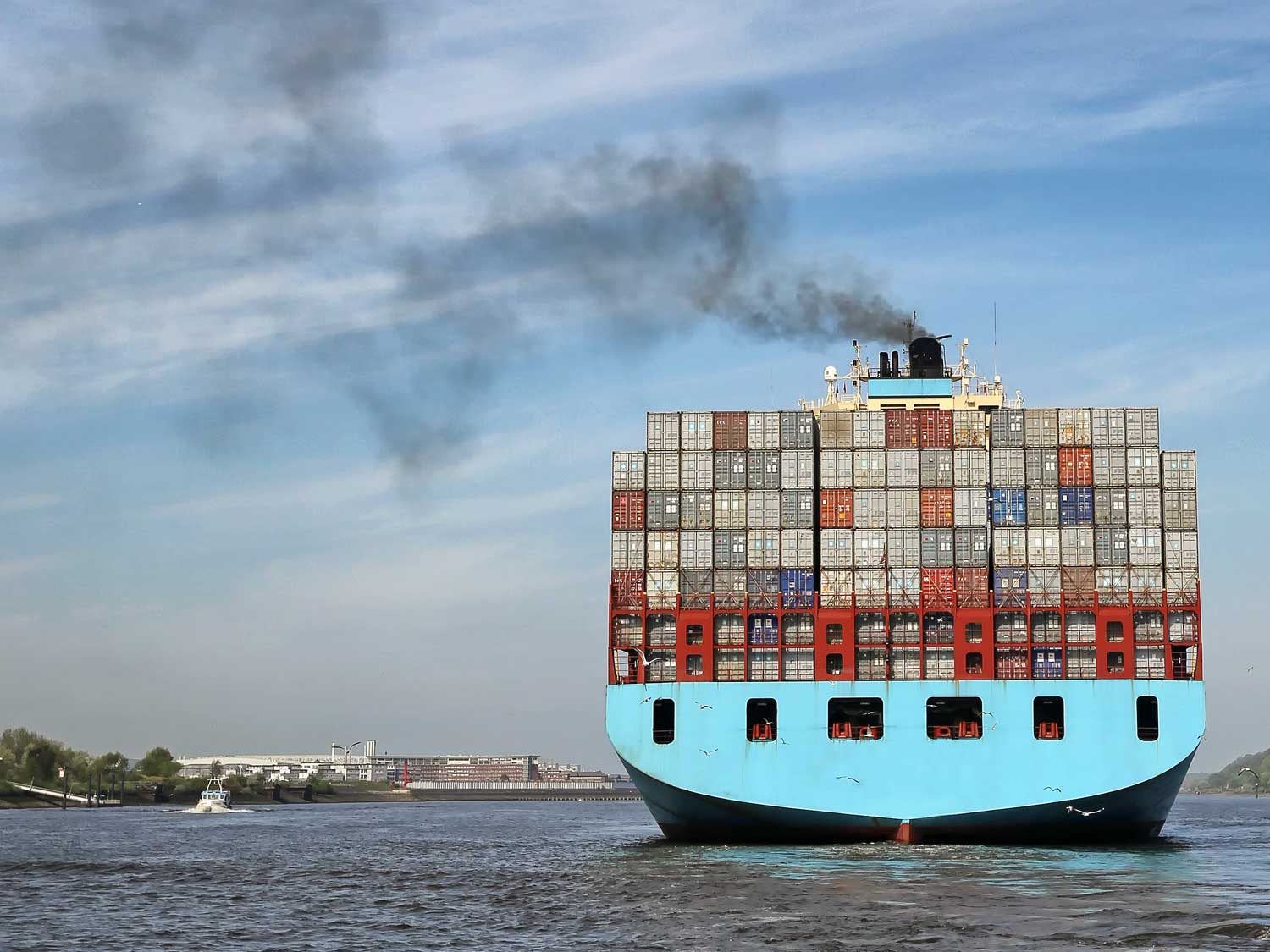
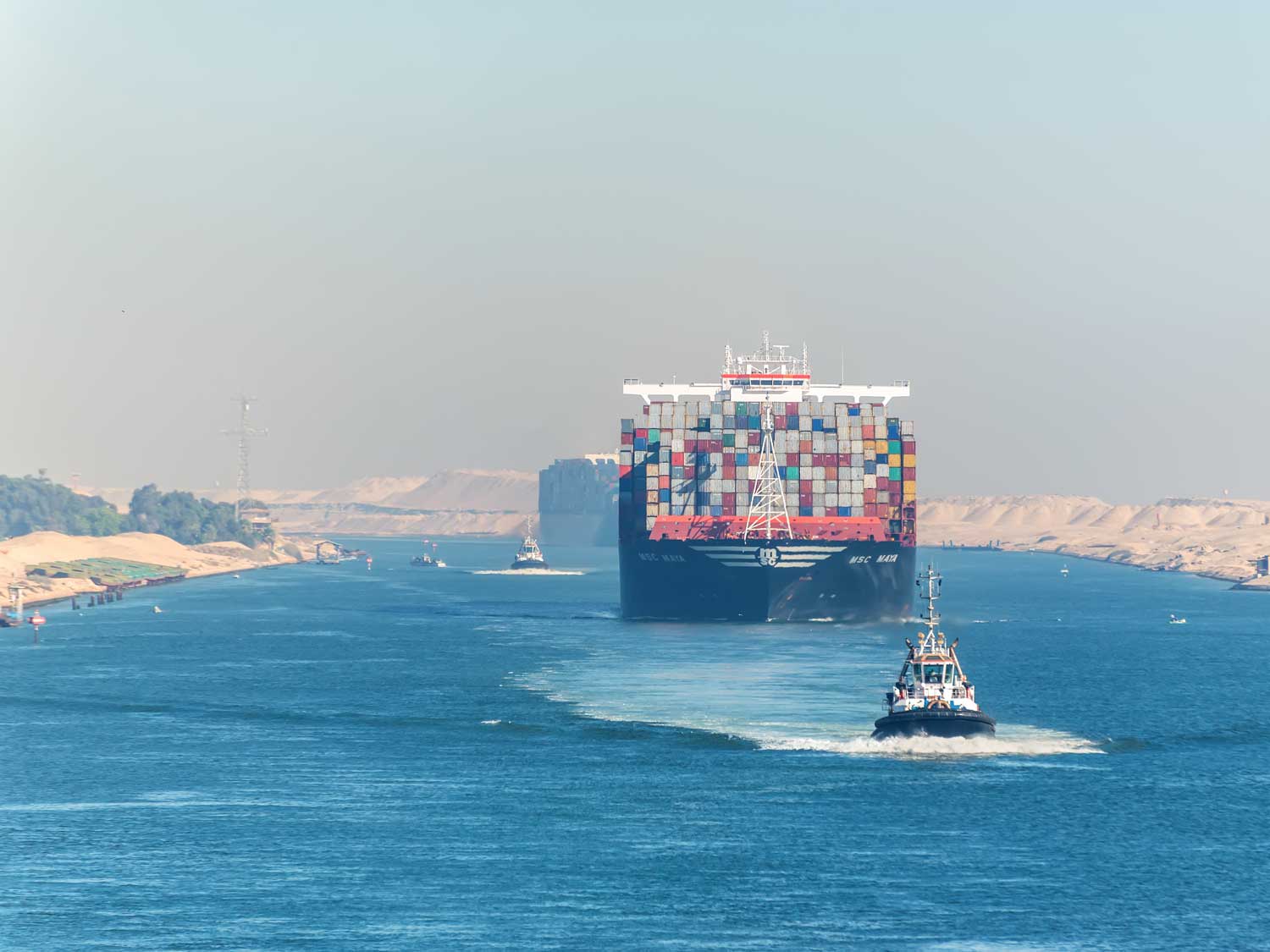
Yara Birkeland, the world's first all-electric and emission-free container ship has completed its maiden voyage in Norway, travelling nine miles, from Porsgrunn to the port of Brevik, in the Oslo fjord.

The fully electric and self-propelled 120 teu container ship will cut 1,000 tonnes of CO2 and replace 40,000 trips by diesel-powered trucks a year, transporting fertilizer products from Yara’s Porsgrunn plant to Norway’s Brevik and Larvik ports.

Technological inputs include sensors that can detect objects like kayaks in the water and integrations for autonomous operations. In the future, the ship will be able to load and offload its cargo, charge its battery and navigate without any human involvement. 

Starting next year, the container will carry out two trips a week with a monitoring crew and the self-navigating technology will be tested over a two-year period, after which the ship will be certified autonomous and the bridge will be removed from the ship. 

Yara, have been working with maritime technology company Kongsberg on the development of the vessel since 2017, in a pioneering project that is leading the maritime industry’s journey towards autonomous operations and zero-emission shipping. 

The route will have it sail within 12 nautical miles (nm) from the coast between the ports of Herøya, Brevik and Larvik in southern Norway. The area is managed by the Norwegian Coastal Administrations’ VTS system at Brevik and the distances between the ports are approximately 7 nm for Herøya – Brevik and 30 nm Herøya – Larvik.

The ship was constructed by VARD and it will begin manned commercial operations from 2022, kicking off a two-year testing period of the technology that will make the ship self-propelled and finally certified as an autonomous, all-electric container ship.

Enova, a government enterprise responsible for promoting renewable energy projects, has allocated up to NOK 133.5 million for the project.

In a linked initiative, the development of green ammonia as an emission-free fuel for long distance deep-sea shipping is being explored.

As the world’s largest producer of fertilizers, Yara relies on ammonia for its fertilizer production. At the same time, current ammonia production represents 2% of the world’s fossil energy consumption, corresponding to about 1.2% of the world’s total greenhouse gas emissions and Yara plans to remove current emissions and establish the production of new, clean ammonia.

As a non-asset owning 3PL, 99% of our carbon footprint is generated by our customersshipments on planes, ships and trucks, that we do not own or operate, but this does not diminish our determination to be carbon neutral and support our customersin achieving the same ambition.

By working with customers, suppliers and carrier partners we are measuring, reporting and offsetting emissions, to build greener supply chains that drive down CO2 and waste.

The MVT ECO module monitors the CO2 equivalent emissions of every consignment we move, by every mode and is available to all Metro customers, to understand and offset the environmental impact of their supply chains.

Header image of Yara Birkeland courtesy of Yara.com, photo credits Knut Brevik Andersen, Wilhelmsen Ship Service

Cut and run

Maersk ‘blanking’ Felixstowe until March from/to Asia

Delays in receiving and turning vessels around, apparently due to continuing land-side operational disruptions, has prompted 2M partners Maersk and MSC to extend Felixstowe’s omission from the AE7/Condor loop until next March.

The world's largest container shipping alliance, 2M, has announced the removal of the Port of Felixstowe from its AE7/Condor service's rotation until March 2022, but some influential industry voices wonder if the nine premier shipping lines are treating the UK differently to their north and south European calling points, because they intend to cut the UK from direct calls.

The alliance, which comprises Maersk and MSC, said it is implementing the measure to improve the schedule reliability on its Far East Asia to North Europe network, in light of ongoing network issues and as a result of exceptional waiting times in the port.

"The current supply-chain bottlenecks in the United Kingdom continues to challenge our service reliability," stated Maersk in an announcement.

The announcements impact nine sailings departing from the Chinese port of Ningbo, that will omit Felixstowe, on departures between the 28th November 2021 and the 23rd January 2022.

Maersk said that until then, Felixstowe import containers would continue to be over-landed at Wilhelmshaven and relayed via a shuttle service.

It is our understanding that MSC’s UK boxes will be landed at Antwerp and forwarded by feeder vessel to Felixstowe.

With its impending Zeebruge merger, Antwerp will eclipse even Europe’s largest port, Rotterdam in volumes, as it positions itself to be the UK’s European gateway and another hub gateway for deep sea services.

Brexit has had a significant effect on ro-ro traffic on the island of Ireland, with demand for the UK/ROI land-bridge falling 20% on 2019, while direct ROI-EU traffic has grown from six to thirteen services.

The 2M AE7/Condor loop has also been omitting Hamburg on its North European voyage, but the German port was recently reinstated, after operational capacity “ improved significantly.

Maersk said it was facing “high yard density and multiple delays into virtually all main ports” in North Europe, but described Felixstowe as the “most critical” hub in its network, with vessel berthing delays in excess of three days making its ‘global red list’.

Industry press reports suggest that contacts at Felixstowe port are questioning whether the berthing delays are as bad as the carriers are indicating and that the problem is that vessels are turning up way off-schedule and then expect to be worked on arrival, with a huge exchange of containers. They are not prepared to wait their turn and, because we can’t give them any guarantees, they then skip future calls,” said an industry source.

The effectiveness of relay operations for UK cargo ex-Wilhelmshaven and Antwerp have also been questioned, with shipped onboard feeder information criticised as “sketchy at best”.

Furthermore, the news for north European importers in general from Maersk’s latest market outlook is that, at least until February’s Chinese New Year, there is unlikely to be any respite to delays to cargo arrivals across its Asia-North Europe network.

The carrier said it had suffered “accumulated delays” on its AE1, AE6 and AE55 loops and had, therefore, rolled the voyage numbers “to match the actual departure weeks and to improve schedule visibility”.

These schedule “slidings” are effectively enforced blankings by carriers, that further restrict capacity and drive high container spot rates in the market.

Global freight operations are transforming, as the intense and sustained pressure that supply chains have been subjected to, expose weaknesses and inefficiencies.

We will continue to use our market knowledge, extensive industry contacts and global network, to share the most important perceptions and developments, so that you have the insights required to make the most critical decisions. 

We negotiate rate and volume agreements with carriers across all three alliances, which means we have the freedom to react to market conditions and changes. 

Please contact Elliot Carlile or Grant Liddell to discuss your supply chain expectations and deadlines to ensure your business is future proofed’ for the rest of 2021 and 2022.

Ningbo

Port congestion eases, but challenges will continue to remain

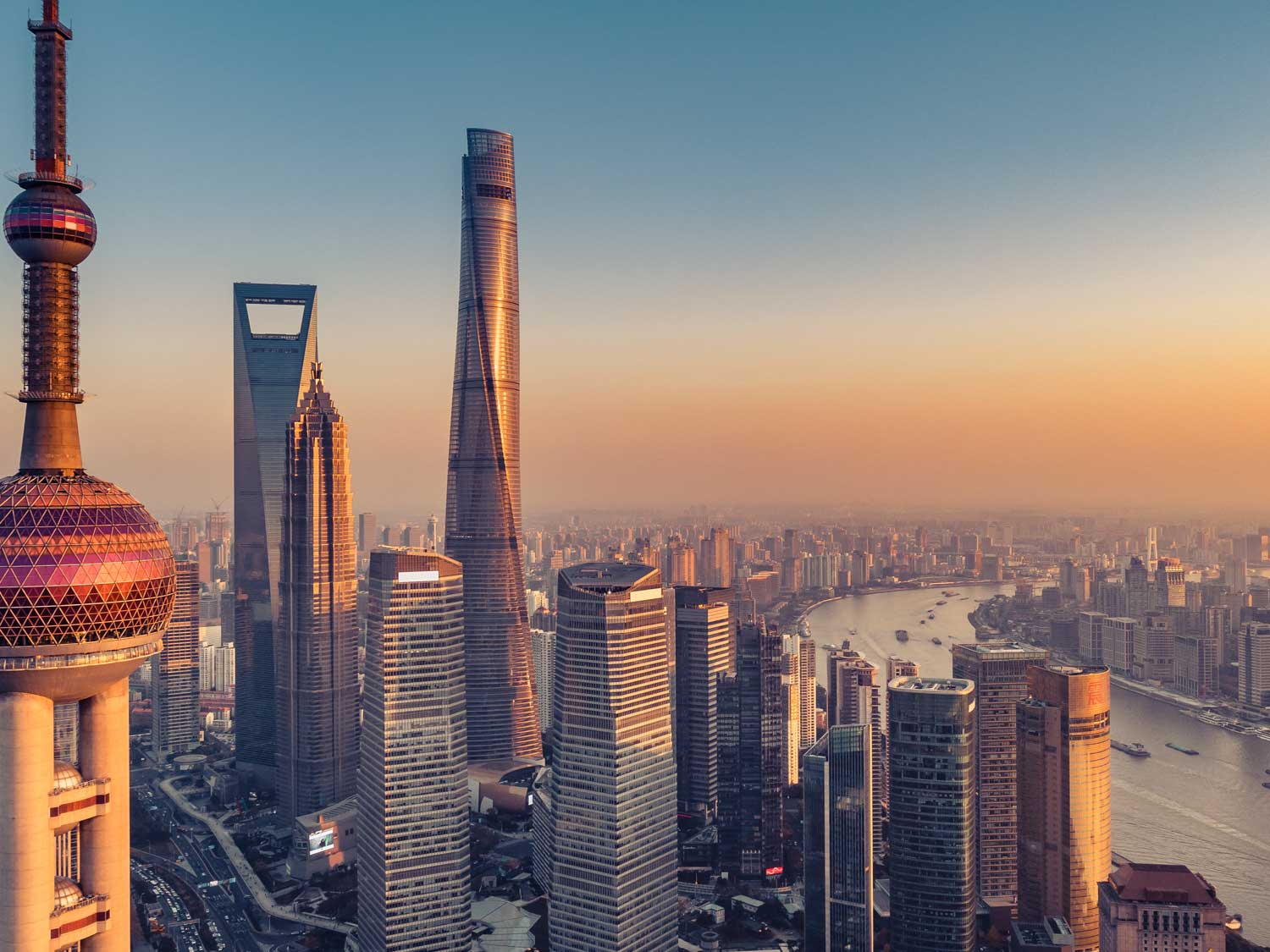
Asias largest ports are showing signs that congestion is easing ahead of the Christmas holiday season, with Shanghai traffic declining 0.2%, Hong Kong ship count dropping 10.4% and Singapore dropping 14.7% according to an analysis by Bloomberg.

While any easing of volume is welcome, Bloomberg’s results are based on a single week’s traffic and the latest data from the World Container Index shows basically no changes in pricing at all compared to the previous week.

It would be great to think that Bloomberg’s advisory, that a drop in volumes, is the beginning of a large decline and a reversal to normal rate levels, but we would suggest caution in concluding this just yet. Or for the foreseeable future – as there are many mixed messages currently – and most are based on short term data and not considering the long term effects and impact, as an observation.

It seems more likely that the worst pressure on the trans-Pacific trade might have been alleviated, but the global capacity shortage persists and we cannot see a similar impact on Asia-Europe or Europe-North America.

Bad weather, accidents, COVID-related work constraints and increasing spending, due to COVID19 related consumer demand, have contributed to Chinese terminal lockdowns and logistical port challenges for almost two years, resulting in record levels of congestion, from manufacturing hubs in China to import gateways in the US and Northwest Europe.

Comparing levels of container congestion across China, 2021 started at similar levels to the previous two years, with the count of vessels waiting averaging just 88 per day between January and April. However, over the past six months, there has been a significant increase in the number of vessels waiting and numbers are still higher than they were at the beginning of the year.

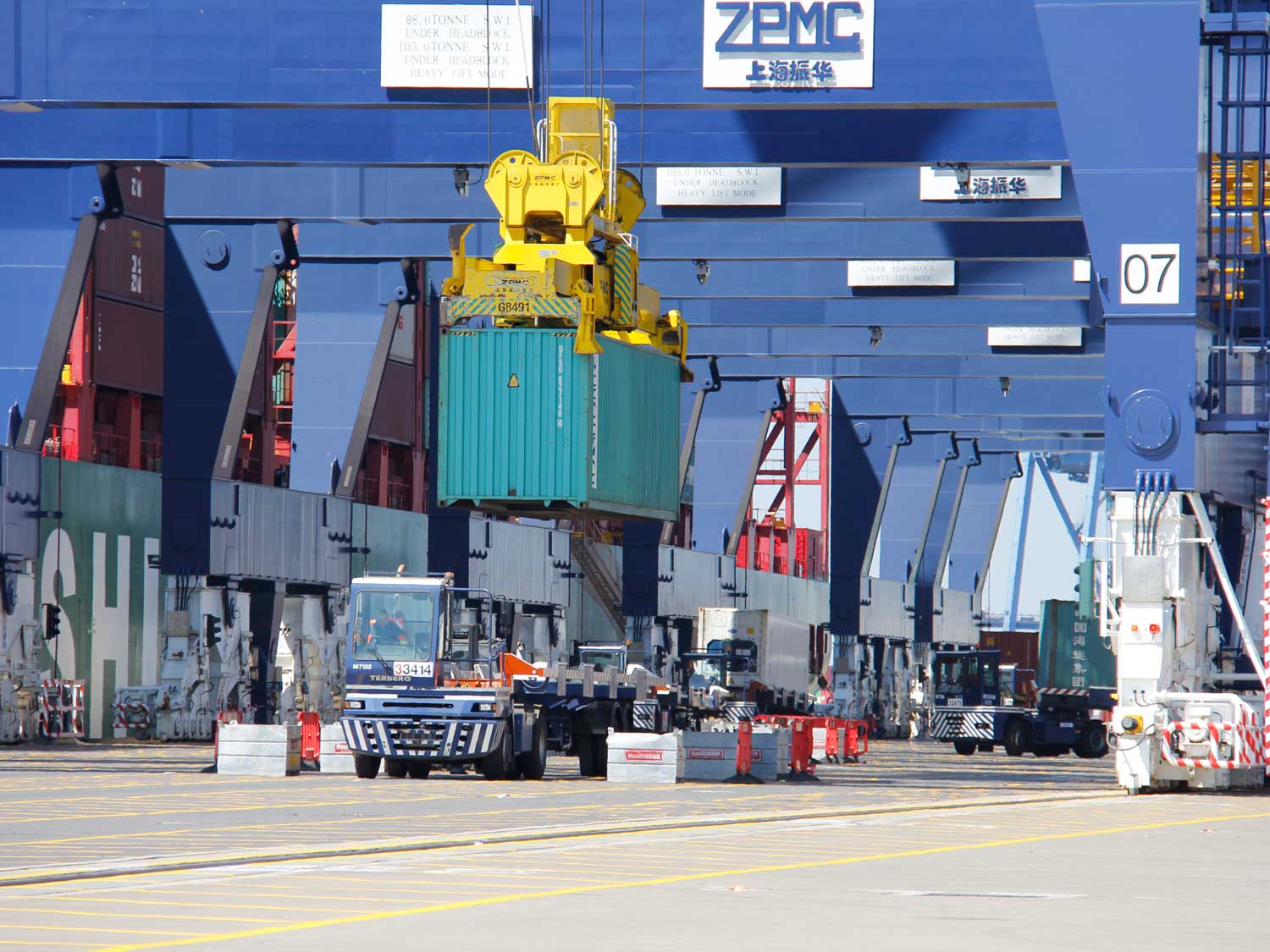
Levels of congestion in China peaked at the end of July at 361 vessels, as typhoon In-Fa struck. With vessels unable to safely enter a port, queues built up and caused further disruptions to schedules. Since then, over the past three months, we have seen Container congestion gradually decrease in China, but there were still around 180 vessels, a total of 936,073 TEU, waiting off China at the end of last month.

Delays are still being felt in the UK, as retailers try to fill shelves in time for Christmas, with 40% of the UK’s containerised imports moving through Felixstowe alone.

The port has received around 45% fewer container ships this month compared to the same period in 2020, and around 50% less than the same period in 2019, which reflects carriers missing Felixstowe on rotation and suggests that the port is struggling with turnaround times, as a severe shortage of HGV drivers and terminal congestion means boxes are not leaving port quickly enough to clear space for the return of empty containers. None of this helps the disruption and challenges being experienced daily, which seem to be relentless.

While the current drop in Asian volumes is most likely a blip, it may be that we will see a lull in demand in the New Year, with the Christmas period ending and Chinese New Year.

This could ease congestion slightly, but if the high number of vessels waiting remains, it’s possible that clearing the backlog of vessels may extend into the second quarter of 2022.

Importers and especially those shipping via Felixstowe stand to benefit significantly from our new 750,000 sq ft and 100K pallet position mega distribution centre, located beside the container port.

The new Felixstowe Mega Distribution Centre offers the smart executive access to plenty of space and the opportunity to cut costs, simplify processes and improve cash flow. 

We are creative with our solutions, investments and customer engagement. So that is what you need, we deliver, to build satisfaction in the long and short term. 

Please contact Grant Liddell to discuss further – it will be productive and have a meaningful outcome.

4fold 1

Foldable containers may be cure. Just not yet…

The bulk of the world’s trade is shipped in intermodal shipping containers, which have remained largely unchanged since IMO standardisation 50 years ago, but innovation may be the key to reducing supply chain congestion. Is this a new era of global container shipping?

Few tools of the global economy have survived without major innovations as long as the shipping container and the continuing pandemic-linked supply chain disruption is presenting a significant opportunity to address that.

As ports, terminals and warehouses get congested with containers, both empty and full, the conditions are increasingly favourable for a product innovation that failed to catch on before the pandemic. Shipping containers that collapse to as much as one-fifth their usual size.

The cost of repositioning empty containers to places where they’ll be loaded is about $20 billion, according to the Boston Consulting Group and many will spend days and weeks taking up space in already-jammed holding areas and depots, compounding delays along supply chains.

In 2013, the Dutch container company 4Fold’s 40-foot metal boxes became the first foldable units to get certification from the Container Safety Convention and International Organisation for Standardisation, meeting standards required by shipping lines, terminals and rail companies.

Today more than 15 carriers, shipping via 60 ports worldwide are testing the Delft, Netherlands-based company’s environmentally friendly containers that can be folded into a quarter of their volume, taking up less space on trucks, ships and docks.

The world’s largest shipping line, Maersk, has referred to foldable containers as the “dream of the shipping industry” and leading consumer-goods producers, including Procter & Gamble, are also testing the technology.

Despite sparking hope among carriers and shippers, as the answer to making equipment available more quickly, higher upfront costs and hesitancy to turn to a new business model have so far kept foldable containers from becoming mainstream.

As companies find themselves more pressed to find answers to supply-chain congestion, the trade-offs of investing in a new technology might become smaller. The US-based foldable-container company Staxxon LLC gained full certification for its 20’ product at the height of the pandemic and is planning to put them on the market next year, suggesting it has dozens of potential buyers who’ve indicated interest.

Carriers could save up to 57% in inland transportation costs by relying on foldable containers, according to Singapore University. And despite higher purchase and annual maintenance costs, foldable units would still be a more cost-beneficial option, their research found.

The challenge is defining the optimal mix of foldable and regular containers that carriers should maintain in their inventory.

Too many and the purchase costs could offset the benefits. Too few and you would struggle to find three other foldable containers to create the single unit, that generates efficiency and cost-savings.

Metro are innovators and we will be watching the development of this story with interest. And ready to actively participate in testing, evaluating or investing, in the best interests of our customers. 

We also own many of thousands of containers ourselves within our group of businesses – so know what we are talking about. Please direct any questions or requests for creative solutions to Elliot Carlile who is heading up the programme for Metro clients.

Header image courtesy of HOLLAND CONTAINER INNOVATIONS NEDERLAND B.V.