FXT slave loading

Two thousand dollars penalty for container weight mis-declaration

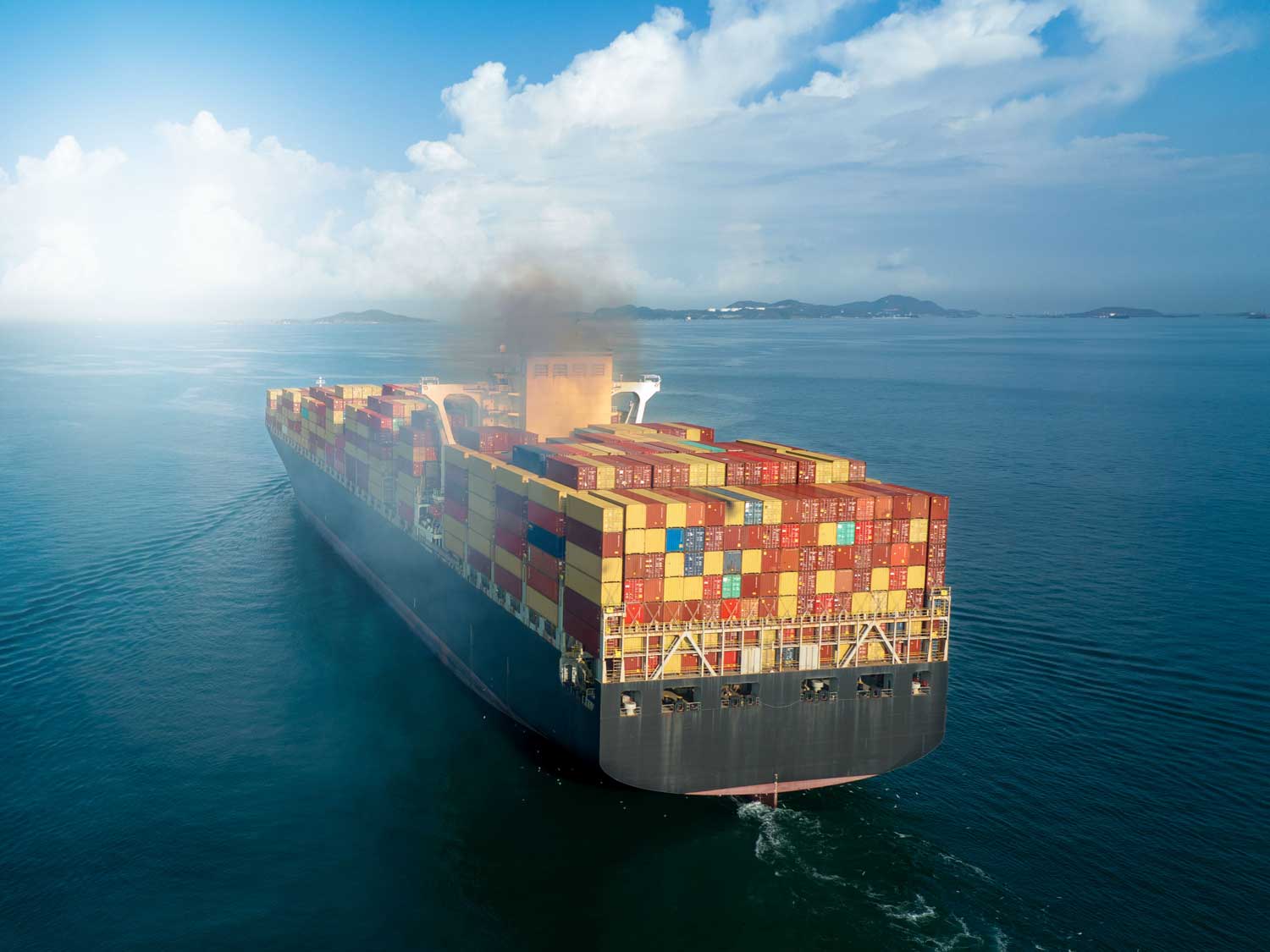
The accurate weighing of a container is a legal requirement, that is critical for safe handling and correct vessel stowage, to avoid stability-related issues which may contribute to capsizing or sinking of the ship, with severe penalties for non-compliance.

The Verified Gross Mass (VGM) declaration was introduced by the International Maritime Organization (IMO) six years ago to safeguard port workers, increase the safety of container vessels, improve vessel stability and prevent the collapsing of container stacks.

With the SOLAS (Safety of Life at Sea) amendment, a packed container will not be loaded on board vessels unless its VGM - the combined weight of the container tare weight and weight of all cargo, including all packaging and dunnage - has been provided by the shipper to the ocean carriers and/or port terminal representatives prior to the load list cut-off date.

The shipper, is responsible for providing the VGM of the packed container. It is critical that this information is accurate and provided prompt as port terminals follow the “NO VGM – NO GATE IN” policy and additional charges will be incurred for the time spent awaiting submission of VGM.

There are two permissible weighing methods: (1) The first requires weighing the container after it has been packed, using approved weigh-bridge or similar equipment; (2) while the second requires the weighing of all the cargo and contents of the container and adding those weights to the container’s tare weight as indicated on the door end of the container. 

Estimating the weight is not permitted.

The shippers’ VGM declarations should confirm that the determination of the weight of the cargo container is true and correct and in accordance with SOLAS regulations Article VI 2.4.2. and typically include the following information:

- VGM declared
- Weighing Method
- Container number
- Booking or B/L number
- Signatory
- Date

Regulatory bodies conduct random checks and impose fines in case of violations and shipping lines apply fines up to $2,000 for reporting an incorrect VGM, including:

- Discrepancy between VGM and weight declared
- Declared VGM exceeds Max Gross Weight of the container
- Declared VGM is less than Tare Weight of the container

So now not only is there a moral obligation to get declared container weights correct, but also a financial penalty for those that are incorrect, whether by design or due to an error. 

Please reinforce with all of your supply chain partners and vendors/ suppliers and export teams to ensure that issues are avoided in the VGM declaration, as this will also undoubtedly have an impact, causing delays of movements and potential storage as a consequence. It is really very serious.

Our sea freight team simplify VGM compliance for our customers, helping them determine and record accurate weights, in accordance with SOLAS requirements.

We also have a network of accredited weigh-stations, when customers would prefer for us to submit VGM to the carrier and terminal on their behalf.

For more information on our VGM solutions, please get in touch with Emma Hulbert, Senior Import Commercial Manager, or Andy Smith, Sea Freight Director. They can advise and recommend the best solutions for compliant FCL exports/imports.

LA an d Long Beach

US ocean supply chains face multiple challenges

While The House of Representatives passed the Ocean Shipping Reform Act this week, to overhaul regulation of the container shipping industry, its focus on detention and demurrage billing and the container lines’ responsibility to load exports, will have little impact on import congestion, or record sea freight rates.

Carriers may leave India even as GRI’s bite

Freight rates from India to the U.S, which are already at their highest level, are increasing further as shipping lines prepare a round of big general rate increases (GRI) as peak shipping season approaches. But even with further elevated rates and the Indian peak season approaching, with a spike in demand from China growing, capacity may fall, as lines move vessels between trade lanes to carry higher-revenue cargo.

The China conundrum

Despite evidence of consumer demand slipping, there is no sign of imports from China slowing and, with Shanghai reopening, an early start to the peak shipping season is more likely, possibly as early as late June.

An early peak season is almost certain to increase spot rates, but the scale of rate increases and length of the peak season are uncertain, as some shippers are delaying or canceling orders and others will have forward-booked cargo.

US imports from Asia increased 2.7% in January through to April compared to 2020, despite the lull typically experienced over the Lunar New Year holidays and the disruption following Shanghai’s lockdown.

Port congestion

All ports within the United States have seen continued congestion for the last two years and has been a leading cause of product shortages during the pandemic, contributing to higher freight rates and supply-chain costs, which have pushed inflation in the U.S. to a 40-year high. 

NY, NJ, and Savannah are the latest to be hit with added congestion and while the east coast ports managed import increases last year, early 2022 has brought further volumes, as shipments reduced to the west coast with shippers avoiding the congestion and wanting to remove further risks of delays associated with ILWU contract negotiations uncertainty. 

Canada’s west ports are struggling with Asian imports and are announcing that all terminals are completely full. Which means that are not able to handle diversions because of ILWU negotiations or a continuance of USWC port congestion. 

Contract talks between the International Longshore and Warehouse Union (ILWU) and West Coast waterfront employers represented by the Pacific Maritime Association (PMA), which had been suspended on May 20th, until June 1st, are scheduled to continue on a daily basis, with both sides committed to good-faith negotiations without disruption, until an agreement is reached.

We are working closely with our offices and network partners in North America to set up contingency platforms, that will ensure product is delivered to market, without the delays experienced with alternative providers.

We would ask that shippers to the U.S. contact us at the earliest opportunity so that we can review their situation and prepare their supply chain for the latest challenges.

For further information please EMAIL Elliot Carlile, he will share all current options. They will take you through the alternative services and solutions, that we are able to offer, to ensure that your product reaches its destination, within vital deadlines.

HKG port

Forecasting and protecting your Asia supply chain

Global sea freight operations have struggled with disruptions since the outbreak of the COVID pandemic over two years ago, and this has continued into 2022, with a peak shipping season this summer that is likely to be very chaotic.

China’s zero-COVID strategy lockdowns have slowed supply chains and Russia’s invasion of Ukraine has effectively ripped up any imminent recovery of the supply chain, which has been grappling to deal with the implications of these and many more disruptions. 

The two month lockdown in Shanghai and limited operations at the world’s busiest container port has severely limited the production and shipment of vast quantities of exports, which, with the lifting of lockdowns, could result in “panic shipping” following a build of filled containers destined for the West, which has been estimated at 260K teu.

The Shanghai lockdown is over but don’t expect business as usual. With factories and inland logistics returning to full staffing levels, everyone wants their purchase orders to be ahead of the peak season and make sure that their cargo reaches destination on time, which is likely to result in further price rises as importers scramble for equipment and vessel capacity. 

With carriers adapting schedules and diverting to other ports, in the wake of Shanghai’s lockdown, delays have been building up across Asia, with many ships waiting offshore and posing yet another challenge as Chinese manufacturing and exports reopen fully. 

In addition to Shanghai, Shekou, Hong Kong, Ningbo, Xiamen and Yantian are all seeing delays, with Rotterdam really struggling on the European leg. 

Container ships deployed on Asia/North Europe route currently need on average 101 days to complete a full round voyage, which means that they arrive on average 20 days late in China and is why congestion is forecast to continue long after volumes return to the market.

It is vital to note that the issues impacting China are being repeated across the Far East, South East Asia and the Indian Subcontinent into the UK and Europe.

The most effective option for importers that want to protect shipments from Asia and the ISC against the risk of delays due to capacity constraints, is sharing their upcoming order books for June and Q3, so that we can allocate the most appropriate space and protect equipment on our contracts.

The long-term fixed validity contracts we negotiate with all major carriers, across the three alliances, have proven benefits in consistency of service and capacity, but only when we have transparency of shippers’ requirements, as far in advance as possible.

Vessel bookings that are made 28 days before the cargo ready date give shippers the best chance of securing space and equipment and ensure that allocations are at the correct levels and at the correct origins.

The prudent shipper will share information on a weekly or fortnightly basis including:
Annual volumes in comparison to 2021 with indicative total TEU requirements
Six week or more rolling volume forecast
Per week / Per port of loading / Per container size

Sharing information greatly assists our efforts in keeping your supply chain moving, avoiding costs and minimising delays.

The long-term fixed price and capacity agreements we have in place with our partner carriers mean that we are well positioned to continue to deliver resilient, consistent and reliable supply chain movements, whatever challenges you face.

Metro’s cloud-based supply chain management platform, MVT, creates resilient and flexible supply chains, by making it easy to adapt and control milestones and participants in the supply chain, down to individual SKU level.

To discuss how our technology could support your supply chain, please contact Simon George our Technical Solutions Director or Elliot Carlile.

Pudong

Demand for Shanghai sea exports may divert to air freight

As COVID lockdown measures are gradually relaxed in Shanghai it is uncertain how quickly export sea freight volumes will rebound, but many experts are anticipating a strong and sustained spike in demand creating a backlog of shipping containers, which could once again result in ocean shipments diverting and putting pressure on air freight, which is already experiencing reduced availability due to the lack of passenger aircraft, restricted movement through Russian airspace and carriers not finding the long haul route economically viable.

Shanghai port - the world’s largest container port - has remained open while the city’s lockdowns have disrupted manufacturing, trucking and freight operations for the past two months and the strength of the city’s manufacturing output recovery will determine if freight rates, which have stagnated, will increase sharply as peak season approaches.

While some believe that factories will recommence manufacturing steadily over coming months and ocean container shipping will resume the seasonal ups and downs we’ve been accustomed to before COVID-19, others point to the tremendous amount of cargo that is already awaiting shipment, estimated at 260k TEU, which combined with pent-up demand, can only result in a surge of pressure on container movements from the region.

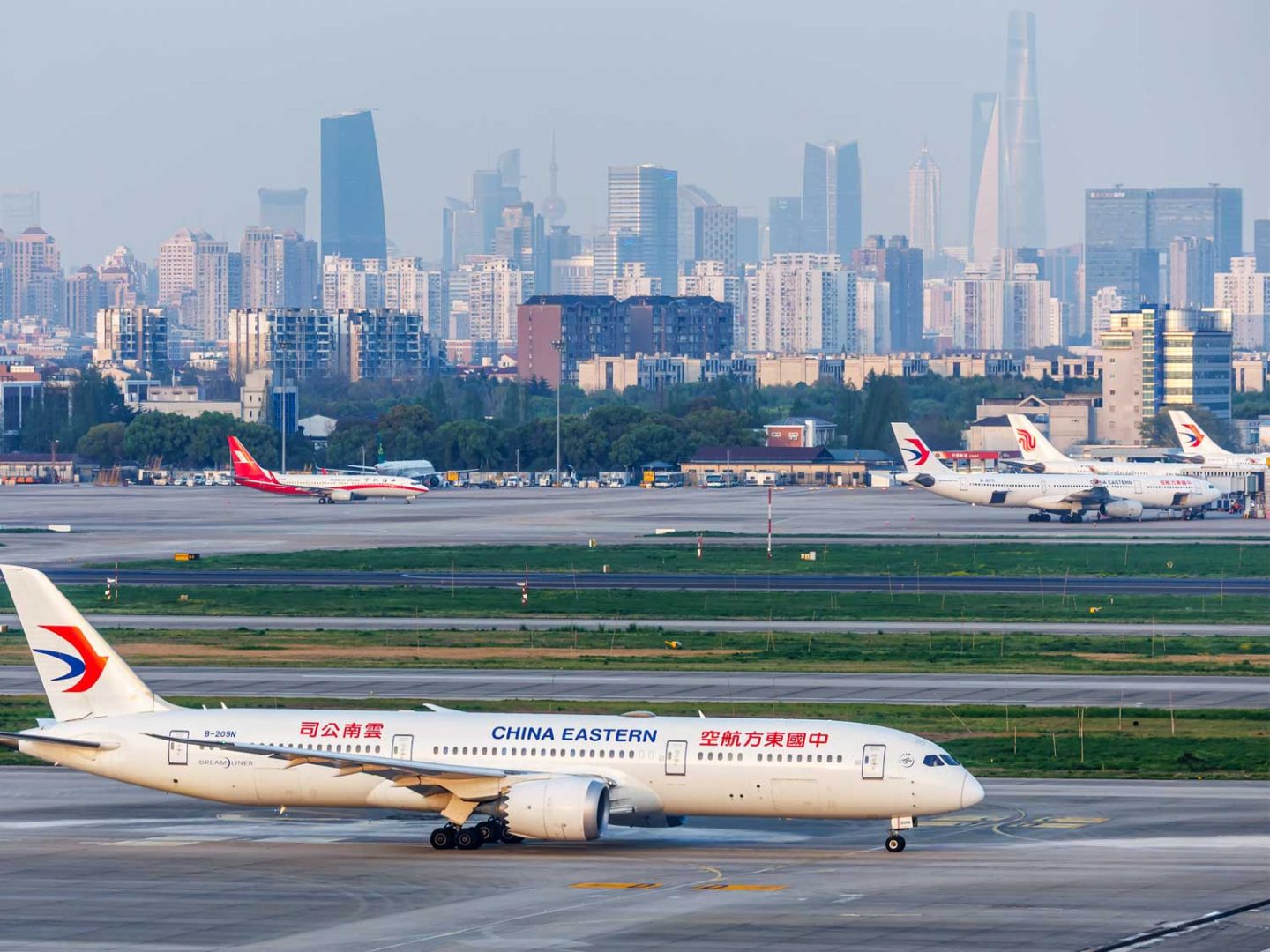
The port is basically bursting with containers, and if not cleared or substantially reduced, there may be little room for export loading movements to occur as smoothly as they normally do, which in turn could pile on the pressure at Shanghai Pudong (PVG) airport.

Vessel traffic around the port is increasing with currently more than 3% of the global container fleet capacity stuck there and wider congestion is still having a profound impact, with serious congestion in both American and European ports causing sailings to return to Asia late, resulting in additional delays and blank sailings.

Meanwhile the huge backlog of containers at Shanghai grows, with no capacity to shift it and when you have all this capacity constraint and demand on the ocean freight side, cargo will simply begin diverting to air freight, to recover failures and delays in the supply chain. 

Importers who need their products to meet market demand, or to use in production, will use air to get those products as quickly as possible and that will also have an influence on capacity, which is more scarce today than it was two years ago. We know this as distressed sea freight and add this to the planned air freight for higher value products, with peak season due at the end of Q3, then there is likely to be a spike once production flows are recovered in the factories.

This could contribute to already elevated air freight rates, which have remained elevated due to the lack of capacity that followed airspace restrictions and the Shanghai lockdown.

Shanghai is loosening lockdown restrictions now, with the normal manufacturing and logistics environment likely to return in June and when it happens, we expect to see a surge in air freight volumes as shippers expedite products, that are needed on shelves the UK, Europe and the US.

We will continue to closely monitor the situation and update you as changes occur, but we do recommend checking with your vendors, to clarify the status of your orders.

We hope to see supply chains start to flow freely again quickly, as the pent-up demand for delayed goods could quickly create congestion, if operations are not running optimally.

We expect demand for space and spot/ FAK rates to increase very quickly and would suggest you start talking to us now about your potential requirements, so we can put appropriate plans in place.

To discuss how we support and protect your supply chain, please contact Elliot Carlile.