Emirates LHR

Metro resume twin UK air hub operations

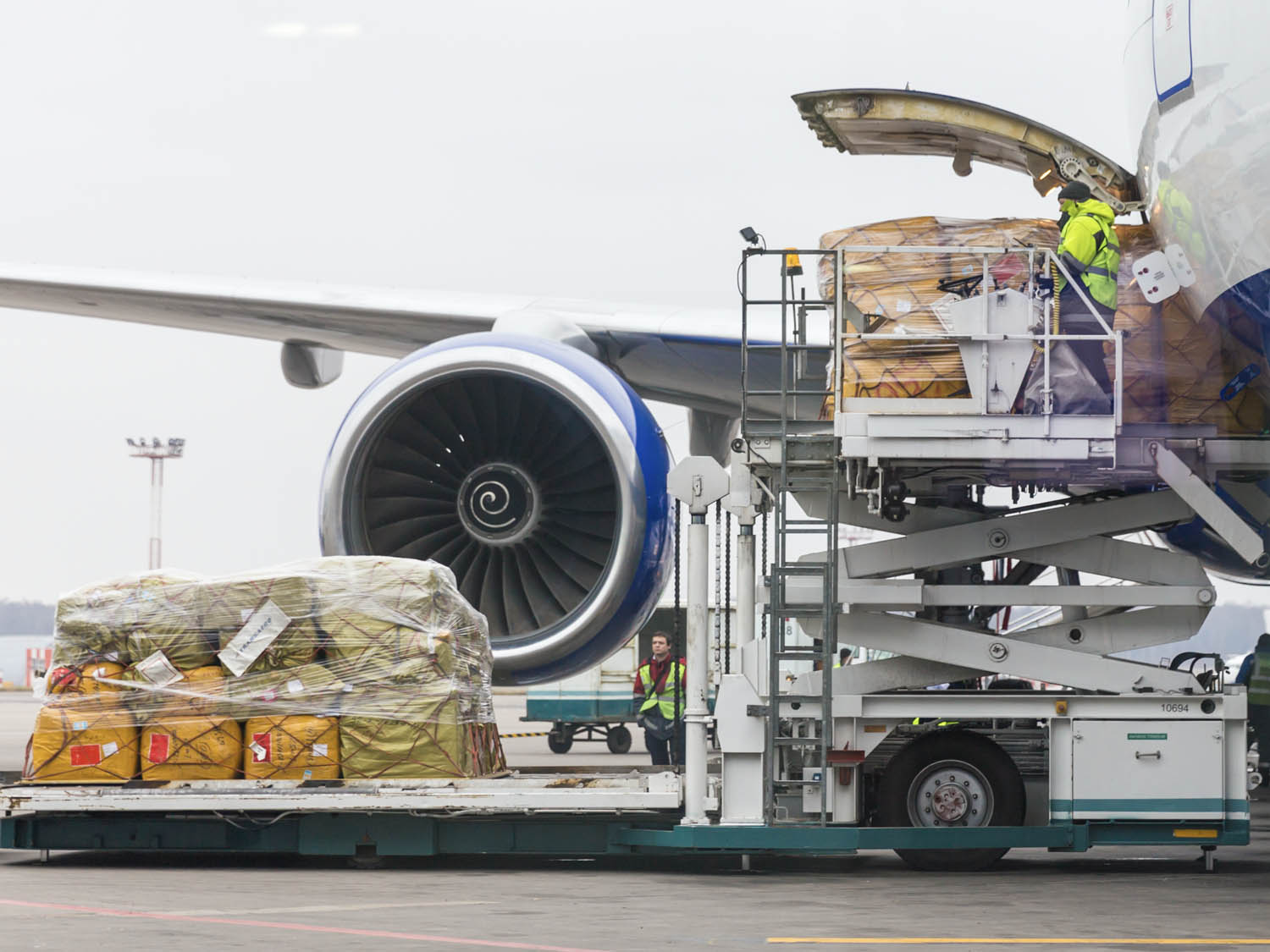
The air freight market remains in a very different environment, to pre-pandemic conditions, with the vast majority of the world’s passenger aircraft fleet grounded and air cargo capacity a fraction of what it should be.

During September we observed steady price increases by the remaining operating airlines on all routes, with a 20% increase added to an already high rate level. 

Average rates on services from Asia to North America and Europe are over 3x the level they would usually be at this time of year. However, the levels are half of the highs reached in Quarter 2 during the lockdown period.

This came as there was huge demand to transport personal protective equipment, when so much capacity had been taken out of the market.

Since then the urgency of demand has reduced, but load factors remain high and with volumes squeezing capacity, this trend will continue. We have been notified of rate increases into Quarter 4 of 2020. 

Since the end of the lockdown, the number of airline and ground-handling staff returning from furlough has been limited and operational efficiency is diminished by Covid safe-working and cleaning protocols. 

With reduced capacity and high load factors, additional air freight volumes on many routes over the last 6 weeks has placed huge pressure on global air freight infrastructure that is already under strain, resulting in delays at origin airports, delays getting freight onto planes and delays at destination airports, exacerbated by congestion, that becomes self-perpetuating.

Particularly congested lanes are Bangladesh, South East Asia, China (pre Golden week) and in general the Indian subcontinent. In addition the Transatlantic routes have been very busy also over recent weeks.

Carriers have generally withdrawn any long term rate agreements and contracts in favour of ‘dynamic pricing’, which is based on demand per flight, on the previous day or day of departure, to guarantee the highest revenues. 

Such pricing regimes are difficult to manage effectively from a freight perspective, which is why Metro leverage our partner airlines and global network relationships to ensure reliable and cost effective air freight solutions are delivered. 

Against this most challenging of markets, we have had our busiest air freight month in September based on volumes and this trend is continuing as we enter October.

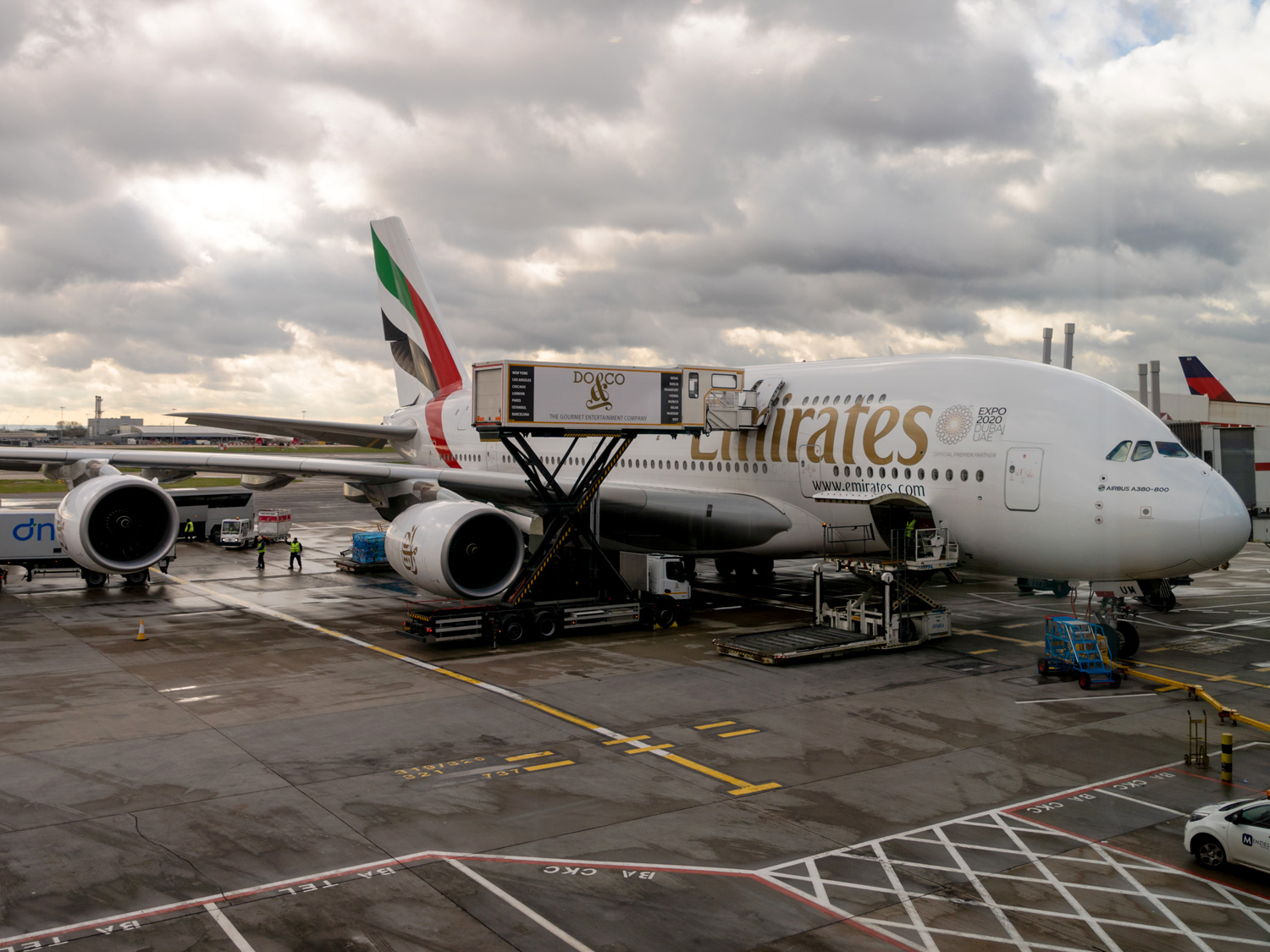
Emirates joined the increasing number of major carriers serving Birmingham International Airport, with B777 flights four times a week and has announced it will resume flights to a further 31 European destinations over October and November.

With the increased support of key carrier partners Metro has recommenced routing air freight traffic directly to our Birmingham Airport based facilities as well as trucking consignments directly from mainland Europe and Southern based airports, as built up intact units.

We are dividing volumes between Heathrow and Birmingham facilities taking advantage of creative ways to ensure we avoid congestion at many of the UK and Europe’s air freight hubs, by transferring import cargo in intact airlines units directly into our ETSF (bonded warehouse) facilities.

Metro are well positioned with our dual hub platform in the UK and we continue to grow our award winning air freight services as the most rapid development area of the Metro portfolio of services.

For further information and options on air freight services please contact Elliot Carlile or Grant Liddell for immediate assistance and advice on your urgent air freight movements.

manufacturing

UK export surge thanks to manufacturers

Manufacturing output continued to rise in September, after the three-month low recorded in June.

September saw manufacturing continue its recovery from the steep Covid-19 induced downturn, as global importers continue to demand goods from the UK.

The IHS Markit Manufacturing Purchasing Managers’ Index (PMI) recorded a small dip in September to 54.1, following August’s two-and-a-half year high of 55.2.

This showed the longest consecutive expansion of output since early 2019, with PMI maintaining figures above the no-change mark of 50.0 for four successive months

The Purchasing Managers' Index (PMI) is an economic, survey-based indicator of business activity, in the manufacturing and services sectors. Above 50 denotes expansion in business activity and anything below 50 denotes contraction.

Increased production was triggered by a rise in new work as companies reopened and more staff returned to work. While all sectors experienced growth, intermediate goods saw the fastest surge.

Export business was the strongest in almost two years as September records showed a second successive month of growth.

UK exports improved due to global economies easing Covid-19 restrictions and stronger demand from Europe, Asia and North America. 

New business has continued to rise since July due to a combination of improving customer demand, rising export orders, recovery in the retail sector, and the reopening of schools.

Manufacturers increased selling prices as input cost inflation hit a 21-month high due to higher raw material costs, rising competition and demand for inputs and consequent supply shortages, resulting in longer vendor lead times. 

Manufacturers remained hopeful, with three-fifths of respondents (60%) expecting output to improve in 12 months, with overall confidence close to July's 28-month high. Concerns around Covid and Brexit uncertainty are on the rise. 

Over the past 40 years Metro has gained essential knowledge and experience in managing the supply chains of many verticals, including retail, fashion, automotive, chemicals, industrial, and manufacturing. 

In addition to our excellent customer service, our digital supply chain management platform MVT enables our customers and their partners to gain much needed data, real time visibility, and an array of online management tools to closely manage their supply chains during times of service uncertainty.

Volatility masks reality

Biggest importers struggle for space from Asia

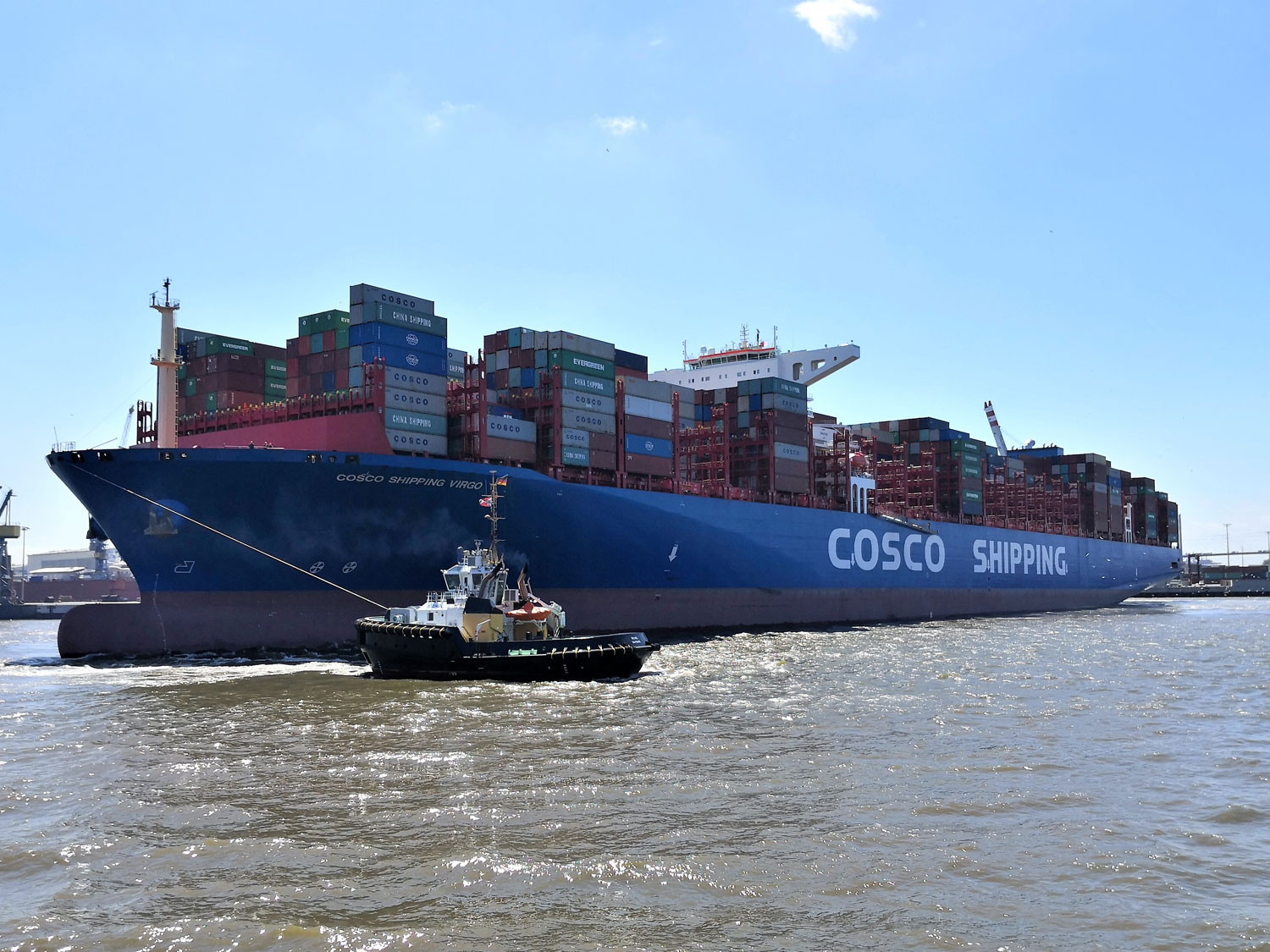
Container freight rates are at their highest levels in five years, Westbound Asia to Europe, driven by rocketing demand and the carriers manipulating capacity to create under or balanced supply, which allows the shipping lines to cherry-pick the best paying cargo and maintain rates at the strongest levels.

With demand comfortably out-stripping supply, manufacturers, tech brands, retailers and the largest importers are using every option to secure space on vessels leaving Asia, including signing short-term contracts that are significantly more expensive than what they agreed in their annual contracts at the beginning of the year.

There has been a marked increase in demand for short-term contracts, which run from one to several months, pushing these short-term contract rates up by over 40% since early September.

The increase in short-term contract freight rates is influenced by spot rates which have risen to $4,000 or higher to ship a container from Hong Kong and Shanghai to the ports of Los Angeles and Long Beach.

Short-term contract rates are likely to move even higher in the final Quarter of 2021 we are already seeing in the market.

If spot rates remain near these record highs in the coming weeks, after the China Golden Week holidays,  it is likely that importers who are desperate for more capacity from Asia load ports will continue to bid contract rates even higher.

Importers, including some of biggest names in business, are also turning to non-vessel-operating common carriers (NVOCCs) and forwarders, like Metro, for additional capacity because they are exceeding the volume commitments they made, or the carriers are rolling their cargo for higher yield container movements.

We do not anticipate any let-up in the short-term, with imports from Asia remaining buoyant through October, as shipments of PPE, e-commerce, home office furnishings, retail products and traditional merchandise show no sign of letting up. 

Short-term contract rates this month are higher than the rates that importers signed for in their annual service contracts, but they are much lower than spot rates and savings can be considerable, if importers can get the space. But to guarantee any space it is likely that they will have to pay a premium and with only so much available the carriers will be parsimonious with allocated capacity.

Metro will be negotiating our 2021/22 contracts starting in October with partner shipping lines. We recommend and encourage this model against short term or spot pricing to provide stability and additional reliability with capacity through commitment. If you would like further details of our collaborative approach please contact Ian Barnes (ian.barnes@metroshipping.co.uk) for a discussion into our strategic negotiations with partner carriers.

If you have any questions regarding general market intel and industry developments or would like further information, updates, or the latest market pricing please contact Chris Carlile or Grant Liddell.

Coronavirus update 27th March

Air freight market analysis

The global air cargo sector is recovering alongside improving economic activity and while most regions are on an upward swing, at different paces, volumes in Latin America have struggled amidst challenging economic and health conditions.

Despite growing uncertainty in COVID19 developments, economic activity continues to recover, with indicators such as manufacturing output and new export orders improving, with output rising in many key exporting economies, including China, the US and Europe. 

The caveat between economic activity and air freight growth is largely due to the shortage of air cargo capacity, with current total volume exceeding one third decline year on year and belly-hold capacity down over 70%, due to the lack of international passenger travel. 

Operational and financial constraints mean that in most markets, freighters are insufficient to fully compensate for the loss of belly capacity.

Where once, air freight was a secondary revenue stream for airlines, it has now become their primary source of income.

Rates have climbed massively on all trades including Transpacific, Westbound Asia/Europe, Transatlantic and Indian Subcontinent, with rates sitting at double to treble where they would be normally in the general market for the time of year.

Long term fixed validity contracts, that were put in place and negotiated at the beginning of the year with airlines, have been ripped up and dynamic pricing has become the model followed by airlines. Where freight rates are based on the spot market and can be, in very busy times, flight specific without any predictability or negotiation due to excessive demand.

Passenger (PAX) flights are still almost non-existent from the main trading routes and therefore either passenger freighters (Preighters) which are passenger flights converted to carry air cargo, or pure cargo freighters are the main aircraft used for air freight movements currently. 

With over 50% of the world’s aircraft fleet still grounded there has been continued pressure on capacity and rates, which had stabilised at the higher levels over recent months but now are moving upwards in what can only be described as a ‘carrier driven market’.

Some increases in costs have been seen over the last three weeks, as the market picks up, due to general demand increasing in line with peak season activity.

With increased activity in the general market and further pressure with the movement of PPE to The Americas and Indian Subcontinent, premium rates are still being achieved and the launch of a lot of high-tech products over coming months will increase demand further in a saturated market where supply is restricted.

Through to Chinese New Year it is anticipated freight rates on all routes will increase incrementally over Q4 up until Chinese New Year. This is traditional in Q4 but has been magnified in 2021 as demonstrated.

Another major factor to consider, and one that will have a massive impact on air freight demand, pricing and capacity will be the launch of any COVID19 vaccines. These will move exclusively through air cargo networks and at very high rates and yields to the airlines as priority  cargo.

While the above stated situation is reflected in most trades and lanes globally, there is one area where there is excess capacity. Eastbound from Europe/ America to China, due to the numbers of flights operating, rates are in line with normal market conditions and levels.

Conversions of PAX aircraft to pure freighters are at the highest levels seen, especially with many airlines retiring their B747 fleets, so it is likely that capacity will grow, but only in line with demand.

Outlook for pricing  in 2021 is likely to be a continuity of dynamic pricing models, due to the slow return of PAX flights and passenger demand. Until there is anything like a normal market, recovery costs for carriers remain, high without passenger ticket contribution.

One other consideration is the fuel price. This is anticipated to increase by 10-20% over the next 12/ 24 months and this will filter through into freight rates, in line with fuel escalation, either through all-inclusive spot rates, or as a fuel surcharge added to the cost based on individual carrier mechanisms.

In general aircargo has become the primary income now for many airlines and they are looking at the revenue stream strategically and being much more tactical than previously when it was a secondary source of income. If cargo cannot pay for the cost of an aircraft in the current market the aircraft will not operate – so rates are set to remain bullish and very much on the high side for some time to come.

Metro are doing everything we can to mitigate price increases by developing and offering alternative fast route services by surface mode and multimodal activity. With the close partnerships we have globally with the world’s largest cargo airlines we are able to offer consistent and reliable transits at a competitive market rate. If you have any questions regarding these developments or would like further information, updates, or the latest market pricing please contact Chris Carlile or Grant Liddell.