LA an d Long Beach

Record Asia imports driving US supply chain disruption

Nine consecutive months of record breaking imports from Asia together with global supply chain volatility and uncertainty, is congesting US terminals and choking the inland supply chain infrastructure. 

Booming US imports from Asia accelerated even further in March, to 1.66 million TEU, up an astonishing 90.5% from the same period in 2020.

The top 13 US container ports recorded double-digit growth (in some cases triple) which explains why the busiest gateways have become the most congested container terminals, with long lists of waiting vessels idling at sea. 

With many Asia factories remaining open over the Lunar New Year holidays ports didn't have the usual February/March lull to clear backlogs, which means that major gateways piled new imports on top of existing container backlogs. 

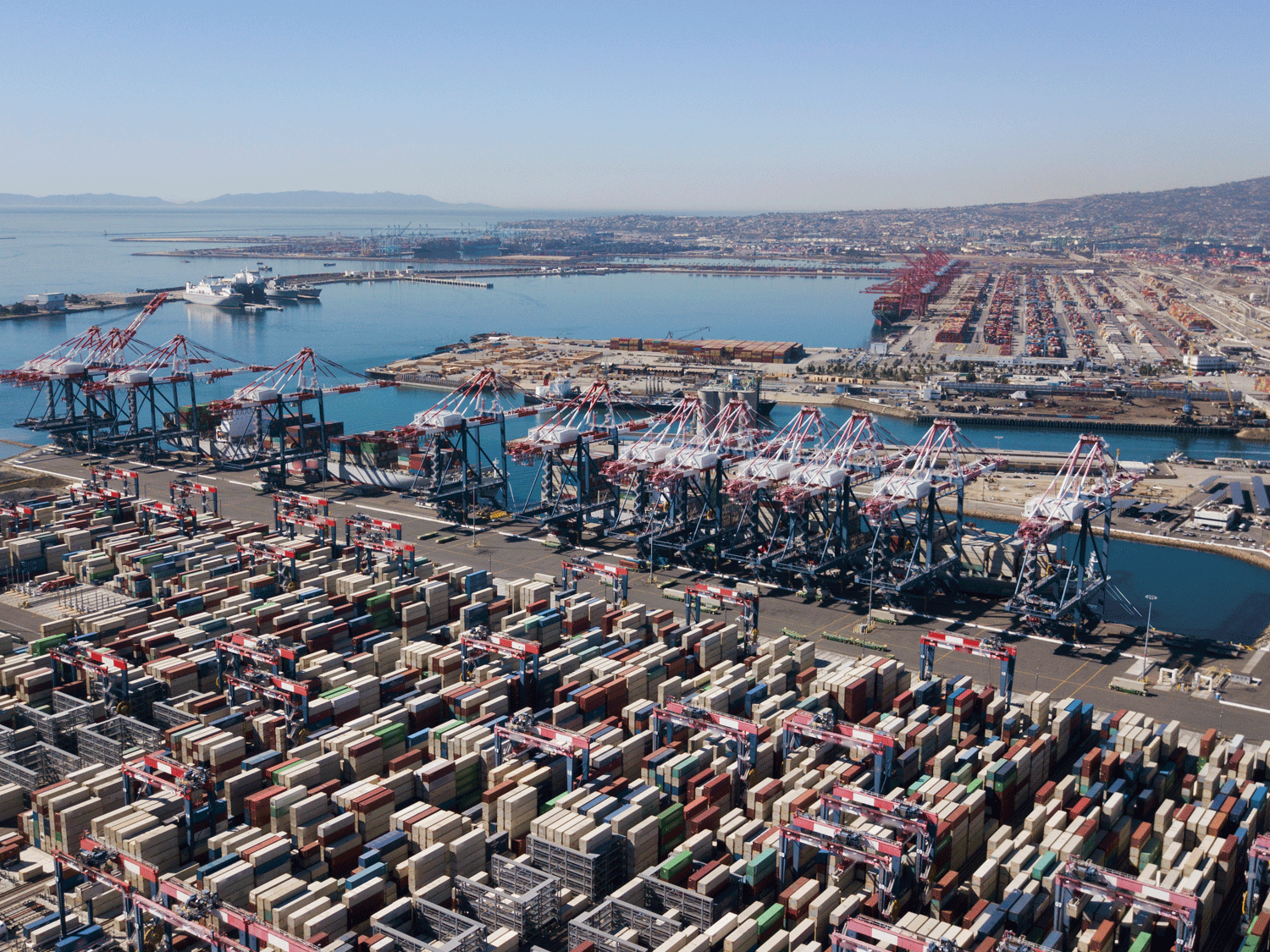
The impact was especially evident at Los Angeles and Long Beach, which process about 50% of US imports from Asia, with terminal congestion, vessel bunching, and chassis shortages. 

To relieve pressure on the Southern California gateway shippers and carriers diverted volumes to other gateways such as Oakland, Seattle, New Jersey, and Savannah. 

All of the major ports experienced some degree of operational issues.

Imports from Asia through Los Angeles-Long Beach in March were up 92.7% from 2020, while New York-New Jersey, the second-largest US gateway, experienced an increase of 114.1% year on year over the same period. 

Imports from Asia in March also set records in Savannah (up 103.1% year over year), the NWSA (66.1%), and Oakland (up 73.5%), and showed strong growth in Houston (up 143.5%), Charleston (up 130.1%), and Norfolk (up 65.5%). 

Current week update on US port operations

LOS ANGELES

  • Vessel wait time is 8-12 days due to high import dwell and labor shortage
  • Currently 24 vessels anchored
  • Terminal Congestion is at critical levels with most terminals at or exceeding their capacity by 90% - 120%
  • Rail car shortages causing berths to go idle

LONG BEACH

  • Vessel wait time is 7-9 days due to high import dwell and labor shortage
  • Currently 24 vessels anchored
  • Terminal Congestion is at critical levels with most terminals at or exceeding their capacity by 90% - 120%. (same as LA)
  • Rail car shortages causing berths to go idle (same as LA)

OAKLAND

  • Vessel wait time is 8-12 days due to high import dwell and labor shortage

SEATTLE/ TACOMA

  • Vessel wait time is 24 -36 hours due to high import volume. Yard capacity is at 100%

NEW YORK

  • Vessel wait time is 24 -48 hours due to high import volume

SAVANNAH

  • Vessel wait time is 5-6 days due to high import volume and tight trucking capacity

HOUSTON

  • Vessel wait time is 24 -48 hours due to high import volume. Trucking and chassis availability is showing slow improvement

It is regrettable, but disruptions are to be expected during this time and we are doing everything we can to ease the impact, offer support, and provide alternative solutions where and if necessary. 

We will continue to monitor and report on any disruptions, working through any challenges we may face, in conjunction with our dedicated teams and colleagues in America

If you have any questions, concerns, or would like any further information regarding the situation in the United States, please don’t hesitate to contact Kevin Lake, who leads our North American operations. 

India factory

India and Bangladesh enter new lockdowns, impacting supply chains

Having just come through a full weekend lockdown, Maharashtra state (location of the major port of Nava Sheva) government imposed lockdown-like curbs, including curfews, in the state from 8pm on 14th April for the next 15 days for everything but essential services, which includes transport, supply chain and customs operations, with Bangladesh entering a week long shut and lock down from today.

Maharashtra is the second-most populous and the most industrialised state in India and the state capital, Mumbai, is India's financial and commercial hub.

Localised lockdowns, restrictions, and night curfews imposed by some states to stem the recent spike in covid-19 cases could cause supply chain disruptions and companies fear that a mass exodus, could trigger a shortage of workers at factories, disrupt production schedules and derail their revival.

Container terminals, container freight stations and other supply chain infrastructure are reporting a shortage of staff, as migrant workers return home fearing another strict lockdown and Unions are not permitting the use of replacement part time labourers.

In addition, the Suez Canal episode is pushing carriers to request earlier cut-offs as they see a potential risk of inventory shortages in the near future, in addition to the shortage of labour resources on the quay side. 

Due to these challenges, shipping lines want to ensure that the containers are gated in and loaded well in advance which, coupled with shortage of staff, means there is a high probability of terminals and ports closing earlier than the usual cut-off. This is on top of the already turbulent situation caused by the fall out of the Suez episode and the delays and congestion caused with vessels arriving off of schedule.

Shippers should note that this means we will not have the flexibility to extend cut-off times during this time, and that until further notice, we will be advancing the established process by 48 hours from the existing cut-off schedule. If you have forthcoming shipments that may be affected, your account manager will contact you directly to explain how this will work in practice.

Bangladesh

Although Bangladesh has entered a week-long lockdown, with malls, offices, public transport and commercial flights being completely suspended, cargo flights, garment factories and manufacturers will be allowed to continue to function after a u-turn by the authorities, as these were also due to be closed.

Business groups have been lobbying for factories to stay open given the harsh conditions faced by migrant workers in April last year as the sudden lockdown left many stranded, as well as the additional loss of business and orders that would ensue as a result.

The ecosystem of handling lockdowns in both India and Bangladesh has increased over the last year and businesses have developed improved inventory management practices and accelerated automation in handling supply chain logistics amid a restricted environment.

However, the cost of local and regional transportation is bound to rise, which has already been under pressure due to high fuel costs, underlining the need to work with supply chain providers based on their ability to adapt to changing and challenging circumstances rather than cost alone.

Metro’s network and expertise extends across the Indian subcontinent, with many customers sourcing from and exporting to the region, including leading brands and manufacturers, who have established, and expanding, verticals in many countries. 

We continue to monitor the situation and lockdowns’ global impact on the supply chain and global trade and we will update you on developments as they occur, throughout the worlds economies, that may have an impact on your own business platforms.

If you are currently exporting to, or importing from any Asian subregion - or are thinking of developing these regions - please speak to Grant Liddell, who will be delighted to offer assistance, guidance and recommendations on the best solutions for the movement of your goods and associated supply chain issues.

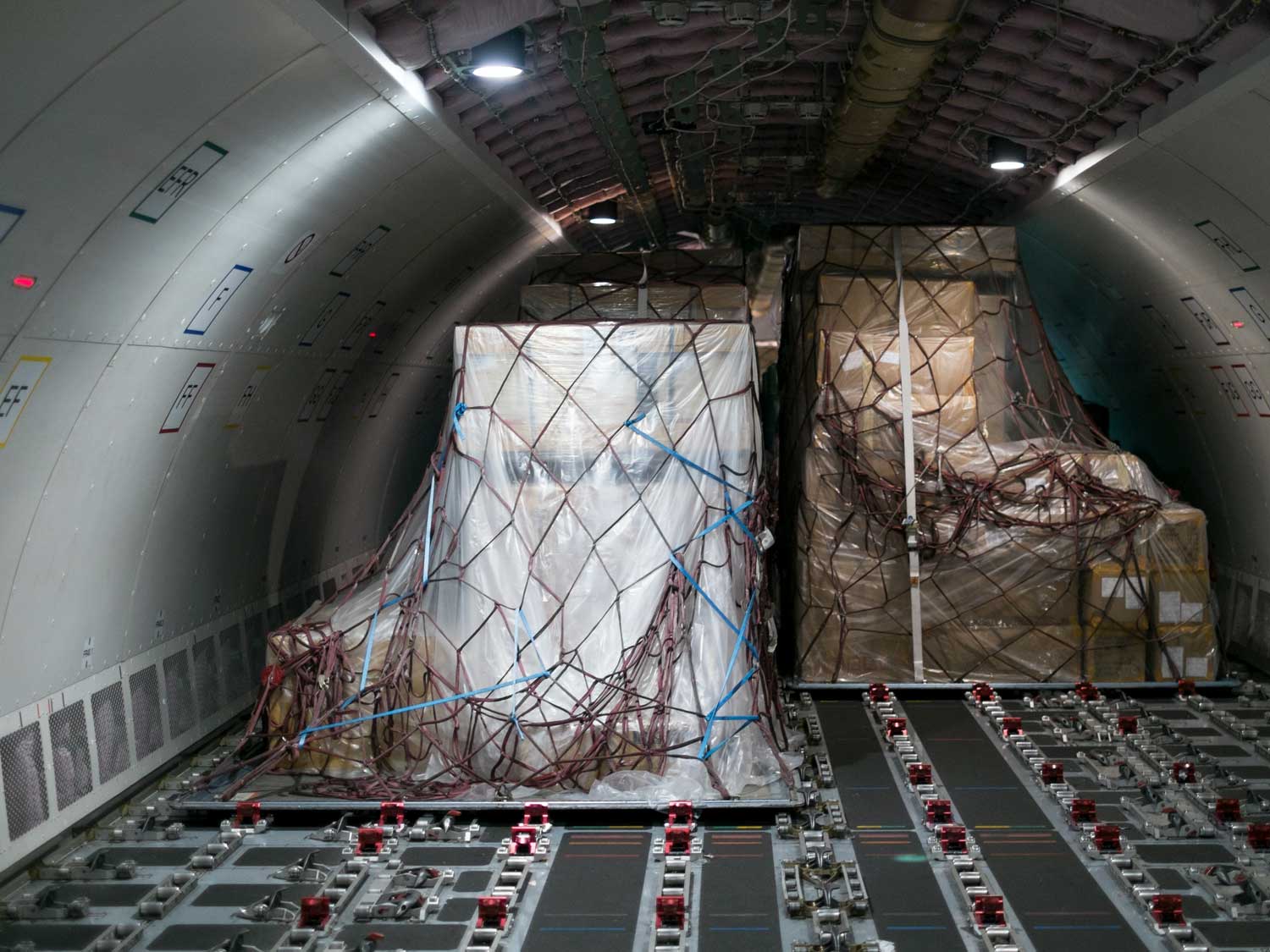
cargo aircraft

Air freight demand returns but space remains an issue

The latest air cargo figures from the International Air Transport Association, the trade association of the world's airlines, shows that while demand is growing ahead of pre-Covid levels, capacity is impeding growth and keeping prices far above the pre-pandemic levels.

Measuring air freight demand by cargo tonne km (CTKs) IATA’s February 2021 figures show growth is up 1.5% on January 2021 and 9% on February 2019, with the latter figures particularly promising, as they are not distorted by the massive impact of Covid-19.

Illustrating the impact of the pandemic on the air transport sector, global capacity, measured in available cargo tonne km (ACTKs), declined by 14.9% compared with pre-Covid levels in February 2019, reflecting the unprecedented grounding of much of the world’s passenger aircraft fleet.

IATA represents 290 passenger airlines and cargo carriers - but not dedicated freighter carriers like Cargolux - which means its cargo figures are based solely on cargo carried in ‘belly-hold’ capacity.

With demand rising, the main challenge for air cargo is finding sufficient capacity and highlights the need for a safe industry restart, because understanding how passenger demand could recover will indicate how much belly capacity will be available for air cargo.

Air cargo demand is not just recovering from the COVID-19 crisis, it is growing significantly and with demand already 9% above pre-crisis levels, the main challenge facing shippers of time-sensitive cargo is finding sufficient capacity, which may mean looking beyond passenger carriers belly-hold, to cargo carriers and sea-air solutions, which offer rapid transits for far lower cost.

The need for a spread of time-sensitive solutions is particularly imperative, because so many factors are driving demand:

  • Conditions in the manufacturing sector are robust, with the global manufacturing Purchasing Managers’ Index (PMI) at 53.9 in February (results above 50 indicate manufacturing growth versus the prior month.)
  • The new export orders component of the manufacturing PMI – a leading indicator of air cargo demand– picked up compared to January.
  • Supply chain disruptions and the resulting delivery delays have led to long supplier delivery times (the second longest in the history of the PMI) which typically means manufacturers use air transport, to recover time lost during the production process.
  • Inventory levels remain relatively low compared to sales volumes which, historically, has meant businesses quickly refill their stocks, using air cargo.

Metro work closely with the world’s leading passenger airlines, cargo airlines, ‘preighter’ carriers and key hub partners to offer the widest range of time-sensitive solutions, routes and transit times, at the most competitive rates available in the current market.

We are currently reviewing charter operations to add additional capacity on specific routes, or where required by our customers and can, when appropriate provide dedicated charter solutions, with equipment matched to consignment and supply chain needs.

If you have urgent or time sensitive consignments and would like to explore options, transits and costs, please contact Elliot Carlile or Grant Liddell for all options available to ensure that deadlines are always met.

empty container

The true environmental impact of empty containers

Environmentalists have long voiced concerns about the CO2 emission damage of the global shipping fleet. They believe that shipping laden containers are doing untold damage to the climate and are extremely concerned about the volume of empty containers that have been travelling the globe recently.

Using public-access data in the United States, ‘green’ researchers found that in 2020, 668,086 empty containers were shipped to origin ports, 12 times more than in 2019.

In November 2020, a total of 87,000 empty containers were exported, 87 times more than at the same time in 2019, enough to fill eight Very Large Container Ships (VLCS).

Due to the pandemic, shopping habits have changed with far more online shopping, growing the global eCommerce market by 16.5% and $3.9 trillion in 2020.

Great news for Asia suppliers and factories that have never had fuller order books, but global supply chain operations are impeded by COVID-safe working practices, which means that destination ports (particularly in the US and Europe) have been unable to cope with the volume of imports. 

With operational capacity reduced and fewer workers around to work vessels and move containers, the ensuing disruption has seen the backlog of containers piling up.

That backlog is also creating a delay in how quickly these containers are made available at origin to fill back up.

Usually, the carriers would wait for containers to be loaded with export consignments before being returned to origin but, diminished operational capacity (due to COVID-safe working practices) is impacting warehouses, transhipment hubs and every other supply chain touchpoint, which means containers moving inland can be ‘lost’ for weeks.

Since that option makes an export container unavailable for such an extended time and factories in Asia are desperate for containers to refill with the goods that domestic consumers are buying and are willing to pay a premium for them, it’s more lucrative for the shipping lines to simply send the empty containers back, without waiting for a return load.

Increasingly, carriers are emptying ships at ports in the UK, Europe and US, then loading empty containers back onto the vessels for a swift departure to Asia.

The roughly 5,500-mile route from Los Angeles to Yokohama, Japan has been particularly popular.

Since January 2020, ships filled with empty containers have taken this route 188 times, netting close to 900,000 miles, or the equivalent of two round trips to the moon.

Very simply, shipping lines will not take export-loaded containers if there is an empty container ready and available to go back because you can turn an empty container in Asia faster than you can turn a loaded export container.

The environmentalists’ analysis found that since January 2020, at least 80 different container ships have been loaded with more than 900 empty containers, making over 200 trips from the US. A practice, they believe, the shipping lines use because they are not compelled to pay the full price of their pollution. In essence, carriers are making much more profit through this wasteful practice while offloading the environmental cost of excess carbon pollution.

The International Maritime Organization aims to bring carbon emissions from the shipping industry down by 40% compared to 2008 levels by 2030 and decarbonise the shipping sector completely by the end of the century.

For the environmental lobby, meeting these goals will be easier if the industry isn’t expending emissions on sending vessels packed with empty boxes across the ocean.

With standardised reporting, we provide a range of effective carbon offset options, and our customers can review benchmarks to compare carriers’ environmental performance to make informed buying decisions.

We track CO2 emissions by shipment, mode, route and fuel type, using globally accepted standards and methodologies for measuring emissions.

Although additional costs are attached to these initiatives, they deliver a measurable result and mean that, in principle, Metro shippers could go neutral tomorrow.

For further information, and to discuss environmental ambitions, please contact Kevin Lake.