Power of attorney

Brexit simplification offers VAT cashflow benefits not only for EU shipments but also for non-EU shipments

Postponed VAT Accounting (PVA) was devised ahead of Brexit, to avoid the negative cash flow impact of an additional VAT bill at the EU/UK border.

Since 1st January 2021, businesses registered for VAT that import goods into the UK from anywhere in the world - and not just the EU -  can use postponed VAT, to account for the VAT on their periodic (usually quarterly) VAT Return, rather than paying it immediately at the border.

If your business already imports from outside the EU, PVA will offer you significant cash flow benefits, because it removes the need to account for the import VAT typically due, and to pay your agent for using their deferment account, if you don’t have your own facility directly with HMRC, at the time of importation and customs clearance.

PVA is compulsory if custom declarations submissions are currently deferred and optional in most other cases.

Providing you are VAT registered, no specific approval or accreditation is required to use PVA, but you - or your agent instructed in writing - must select PVA on your customs declaration.

HMRC will produce a Monthly Postponed Import VAT Statement (MPIVS), showing customs declarations for the previous month. This statement provides you with the figures required to enter in the VAT return.

If customs declarations are delayed, the import VAT must be estimated using the information on your EIDR or other commercial import records. Note the EIDR process is due to end on 30th June 2021 and full customs declarations will be required at time of import from The BLOC.

Estimates can be adjusted on the next VAT return, when a deferred declaration is submitted and the actual amount of import VAT/tax due is calculated and recorded on the MPIVS for the month the declaration has been submitted.

PVA is not limited to only EU imports and you need to press your agent, in the strongest terms, if they have failed to advise you that it can also be used for imports from the rest of the world - particularly if they have been charging you a fee for making VAT payments.

Metro are totally committed to driving our customers success and helping them enhance the ability to trade and grow internationally.

We think this benefit should be shared with our customers immediately, because we act in their interest and not in ours.

For further information if you have not already taken this development into your own import processes, or to discuss your situation in greater specific detail, please contact Chris Carlile or Grant Liddell or any member of our ever growing experienced brokerage team.
budget

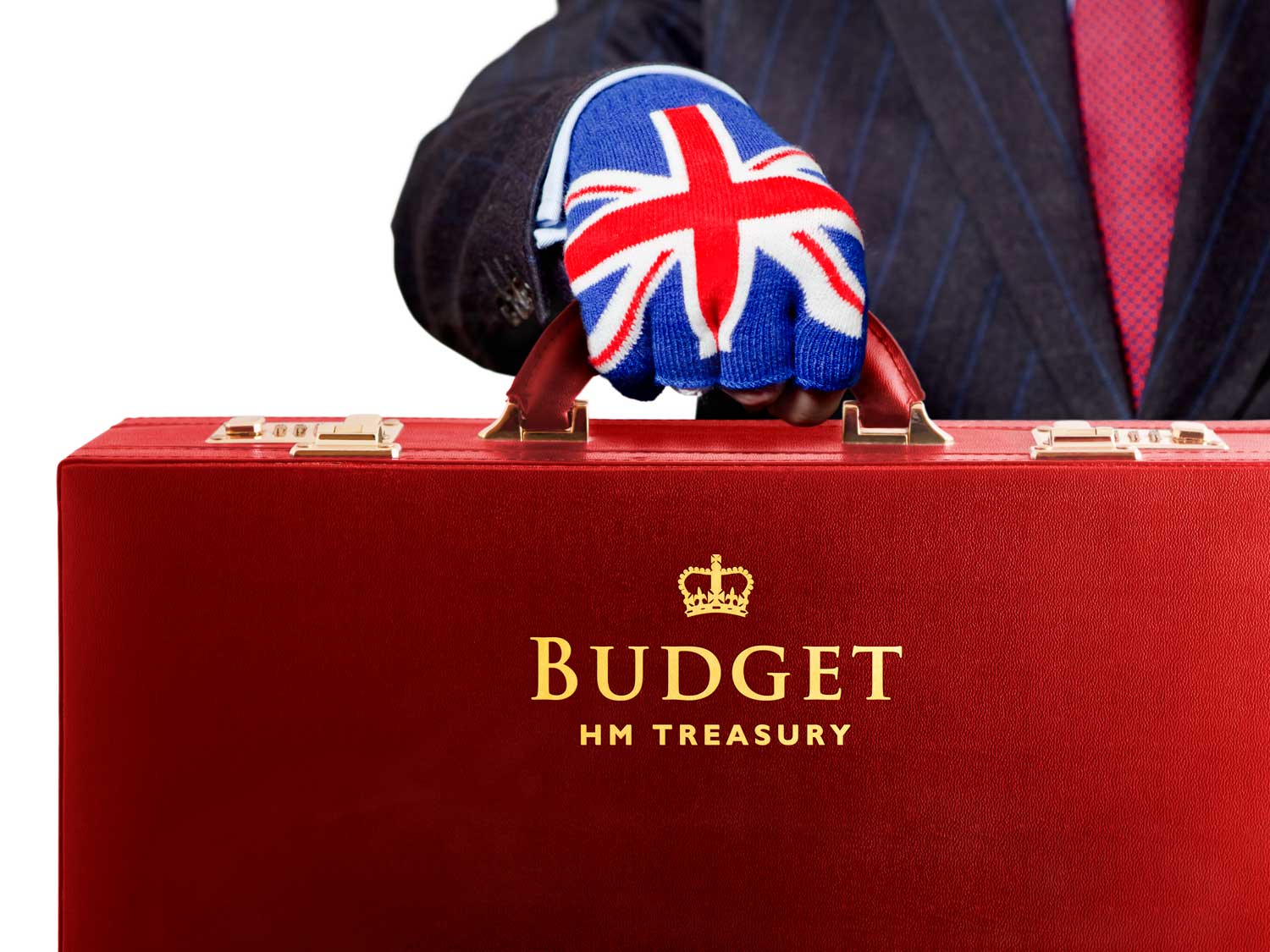
The current lockdown, yesterday’s budget and future ‘revenge spending’ will impact your supply chain and logistics strategy

Boris Johnson has set the country on a “cautious” road-map for restoring normal life and economic activity by June 21st, with government support for the economy for months to come.

There are four main stages (see below) in the road-map for the lifting of coronavirus restrictions, running from the 8th March, through the 12th April (when shops and other venues can begin to open), 17th May (when pubs reopen indoors) to the 21st June when remaining parts of the economy open.

With parts of the economy facing weeks or months of further restrictions, the Chancellor’s budget, announced yesterday contains more measures to help individuals and companies through the final phase of the Covid-19 pandemic and post-lockdown.

On balance the budget contains no nasty surprises and plenty of positive actions, which means that we are likely to see import levels continuing to increase as firms begin to restock ahead of the economy reopening, with the very real prospect of a massive spike, that may persist for some time, as consumers unleash their ‘revenge spending’.

Having endured months with no opportunities to spend money on holidays, drinks out, restaurants or the arts, ’Revenge spending’ follows, when a cooped up populace is finally freed from lockdown. This is reflected in the reported healthy economic predictions on the growth and economic recovery announced for 2021 and 2022 in yesterday’s UK Budget.

We consider the highlights………

Rishi Sunak’s second Budget was aimed at restarting the UK’s economy after lockdown, with measures to boost the housing market and extend furlough support to September.

We welcome the decision to freeze fuel duties, which is a direct cost to businesses that need to transport cargo.

It is anticipated by HMG that the UK economy will grow by 4% in 2021 and over 7% in 2022 which will, if this is the case, restore the UK economy to pre-pandemic levels in 2020, and in fact beyond. If this is the case there will be potentially huge demand for global shipping and continued pressures on the logistics and supply chain infrastructure within The UK. Metro will be adapting our approach accordingly and adopting new processes and innovation to ensure customers are receiving the best fit solutions in what would be the biggest growth period seen since official records began in 1949.

Metro continue to be committed and active at the leading edge of the logistics sector in the developments of the next generation of professional forwarders, with our apprenticeship and undergraduate placement programmes. We are pleased to see additional investment in apprentices, placements and training, which will be embraced within our organisation and promoted nationally.

England Freeport’s

The first eight freeport locations have been revealed. Described as “special economic zones’’ they are intended to make it easier and cheaper to do business with a variety of tax cuts and simpler planning rules. In summary they are located at the following locations with a further two to be announced in The UK under the current proposal :-


  • East Midlands Airport
  • Felixstowe and Harwich
  • Humber
  • Liverpool City Region
  • Plymouth
  • Solent
  • Thames
  • Teesside

Attracting investment

Dubbing it the biggest tax cut in modern history, the government has increased tax relief, to spur business investment and drive productivity.

For the next two years when companies invest they will be able to reduce their tax bill by 130% of the cost.

Metro will continue to invest in colleagues (established and new to the business), resources and relationships/ partnerships taking further advantage of the HMG announced stimulus packages and assistance in developing our solutions to customers.

Building confidence

The chancellor announced a number of measures which will support businesses and give consumers confidence to act positively, as lockdown is lifted and the economy begins its recovery.

There are no income, NI or VAT tax increases, in a major boost for workers and available consumer spending ability.

Alcohol and fuel duties are frozen, while stamp duty is extended for a further three months

The lockdown recovery road map

Stage 1 - from March 8th and March 29th

  • Pupils return to schools
  • Two people from different households can meet outdoors for recreation
  • Care home residents can receive one visitor

Stage 1 - from March 29th

  • Two households will be able to meet in private gardens
  • Households can gather outdoors under “rule of six” restriction
  • Encouragement for people to stay local and work from home where possible
  • Most international travel will still be banned

Stage 2 from April 12th

  • Non-essential retail reopens
  • Self-catering holidays in England can resume
  • Indoor leisure facilities reopen
  • Pubs and restaurants can serve customers outdoors

Stage 3 - from May 17th

  • Most outdoor social contact restrictions lifted
  • Indoor mixing allowed between two households
  • Pubs and restaurants will be able to reopen indoor
  • Museums will also reopen
  • Sports arenas will start to admit people within new limits

Stage 4 - from June 21st

  • Lift all legal limits on social contact
  • Reopen all remaining parts of the economy

In summary, a positive injection has been proposed, that will add to the growth of the UK economy and your trading activity with Britain in the global arena, during unprecedented times, as we exit, hopefully, the pandemic environment, and the relationship with EU continues to devolve and evolve over coming months and years boosting industry and the trading position with the rest of the world’s economies.

Metro are at the forefront of assisting our customers success and develop the ability to trade and grow internationally, with innovation and market leading supply chain methods and strategies.

For further information on the latest logistics platforms and market intelligence please contact Ian Barnes or Grant Liddell for detail and recommendations, on how we can drive your business forward into the new era of recovery and expansion!

The lockdown impact on UK transport

GVMS, the UK’s border IT system with the EU

Technology is the solution to the efficient movement of goods between Great Britain and the EU, and the mainland with Northern Ireland in the post-Brexit transition world.

Live for GB/NI trade since the 1st January 2021, the Goods Vehicle Movement Service (GVMS) is a critical border tool partially deployed by HMRC, that was still in development as the end of the transition period loomed, going live for testing on the 14th December and operational on the 23rd, just days before the end of the transition period.

With only five days from the announcement of the new trade deal with the EU to the end of the Transition period, some confusion was inevitable and unavoidable with the late timing, but the simplifications that have kept traffic from the EU moving don’t apply to movements between the mainland and Northern Ireland.

Compliance and delay issues which have been rampant at the GB/NI border are due, in part, to businesses not having a full understanding of GVMS and the new border requirements for moving goods to and from Northern Ireland. 

Industry associations, including Logistics UK and the RHA, have called for the government to step up communication with industry to ensure that GB/NI loads can be dispatched with the correct paperwork and declarations, that will apply to all EU/UK movements from the 1st July.

Our customs team have followed the disruption following the GB/NI border process introduction and are concerned that these experiences will be as nothing, when the current ‘light-touch’ regime for EU imports ends on the 1st July, in less than 4 months from now.

The current process expedites inbound trucks and allows cargo to move, even when it shouldn’t, and is masking the ignorance of the new processes, that permeates many forwarders, hauliers and shippers. This process is a temporary arrangement to be used for six months called EIDR (Entry In Declarants Record) and will still require a full import customs submission, after the deferred period expires.

While exports are generally settling down, July will bring a massive requirement for extra entries and information, which will inevitably lead to delays as many hauliers will simply not understand the documents, processes, or the responsibility they have been given.

PROTECT YOUR EU SUPPLY CHAIN - If you are not a customer of Metro, we would urge you to become one, or speak to your retained forwarder to ensure they - and their hauliers - understand and are prepared for the changes to EU imports from the 1st July. It could lead to further disruption as rules are ‘tightened’ by UK and EU authorities in line with the terms of the Free Trade Agreement.

The Goods Vehicle Movement Service (GVMS) issues Goods Movement Reference or GMR that link declaration references, so that the entity moving the goods (e.g. the haulier) only has to present the GMR at the frontier to prove that their goods have pre-lodged all the necessary declarations.

Crucially GVMS enables the automatic arrival / departure of goods and clears cargo, so that by the time they physically arrive in the UK, drivers know where they need to proceed. 

Although GVMS does not cover all goods movements until July 2021, when moving goods currently from GB into NI it is always required to provide a GMR.

This is a new requirement at ports using the Goods Vehicle Movement Service and it is not permitted to move goods without a goods movement reference, risking delays at the port. The process is still unwinding for a larger scale integration and interpretation by various countries involved and we will continue to keep you updated on the impact that could affect future overland movements with Europe.

Shippers sending goods must:

  • Check if the port where the goods are arriving is using the Goods Vehicle Movement Service because they need to pre-lodge declarations.
  • Before the goods arrive at the departure port they must give the haulier their movement reference numbers from any safety and security declarations, import or export declaration, TIR and ATA carnet numbers.
  • If goods are travelling under common and union transit, they must give the haulier the transit accompanying document, as well as the movement reference numbers for any safety and security declarations.
  •  

Please contact Andrew White, leading our customs and brokerage business unit, for further information and assistance on this or any other border control measures with the new trading environment with the EU.

Lorry park

EU border friction easing, but issues remain

Importers and exporters are gradually adapting to the new processes triggered by the move to a 3rd country trading regime with the EU and the paperwork that has ensued. But a serious lack of customs clearance capacity in the UK will continue to impede cross-Channel trade for the unprepared.

Initial issues surrounding the new processes - particularly for exports to the EU - were not helped by IT issues at mainland customs authorities and ports, while in the UK, obtaining authorisation to depart, via an inland facility like Ashford, was extremely difficult, with delays and confusion surrounding documentation and driver COVID tests. There are still some problems of this kind, with a few drivers being turned back, but it’s becoming less common as experience grows and systems and processes are fettled and improved.

Six weeks on and border flows are much better, although some delays related to the new processes remain and the enormous lack of customs clearance capacity, within the customs clearance field, is a significant issue for exporters that have not already appointed customs brokers.

Expertise is in short supply and many brokers like Metro have had to carefully consider taking on new business, until existing customers’ requirements can be satisfied effectively.

UK freight associations including the British International Freight Association (BIFA), Logistics UK (formerly Freight Transport Association) and Road Haulage Association (RHA) warned there would be a shortage of customs clearance capacity to deal with the expected increase in customs requirements and the UK government estimated that an extra 50,000 customs staff would be needed. There is, and continues to be, a significant shortfall on this needed number.

Metro have recruited a significant number of new colleagues, both in the UK and at our overseas BPO operations, to undertake manual customs entries and submit to the UK and EU customs authorities. We have been preparing and investing for a number of years in the build up to the full Brexit withdrawal in anticipation of the changing landscape. 

In addition, and our prime focus, has been the development of our CuDoS solution which digitally automates customs submissions and is operating exceptionally efficiently and effectively for clients that have chosen this solution.

BIFA and others also warned that there remained a lack of preparedness by some shippers and that many had continued to “believe that the UK-EU trade deal would keep the borders in the same state as 2020, whilst forwarders continually warned entries would be needed”. This is without the consideration of the origin rules protocol in relation to goods which seemed to take the industry off guard and has impacted on trade with Europe in its own right, with additional costs incurred.

We have been busy processing imports and raising documentation for exports to the EU since the end of the transition period and our brokerage team are even more familiar now with the evolving customs clearance system; but volumes are steadily increasing and shippers are finding out just what the new procedures demand and, as a survey by the British Chambers of Commerce found, many of them simply aren’t prepared.

The survey of a 1,000 mainly SME firms found that 30% of respondents reported  difficulties adapting to changes to moving or trading goods in January, while just 10% said they had found adapting to the changes easy.

The percentage facing difficulties in adapting to changes in trading goods rose to 49% for exporters and 51% for manufacturers. Not good statistics to review, although, this will continue to decline in coming months. However consideration needs to be given carefully to the second ‘big bang’ at the end of June this year when the current transitional period expires and there is a tightening of regulations by both the UK and EU authorities. Please contact us for further details as we expect that this will cause further disruption if business are not prepared – this will be very significant!

Metro are monitoring the cross-channel situation continuously and continue to submit customs transactions through our CuDoS system, which is optimised to match the regimes on both side of the Channel.

We continue to invest in the development of our digital platforms and new personnel, to ensure we deliver reliable solutions to our customers. We are constantly reviewing, adapting and innovating our offering, to ensure we are at the leading edge of our customers trading ability with the EU, and in markets beyond, as new trade deals are struck globally by HMG. Which has been one of the main objectives of the European Union exit cited by The UK Government.

The situation is fluid and we remain close to emerging developments, to share critical information and the solutions we have in place to ensure delays are avoided or reduced.

Please contact Andrew White, leading our customs and brokerage business unit, for further information and assistance.