Terms of trade will trip you up

Six months in UK businesses are still battling with the post-Brexit environment and sleep-walking into chaos

Surveys for the FT find companies have been hit hard by new checks and red tape, with almost a third of British companies suffering a decline or loss of business since post-Brexit.

The survey by the Institute of Directors found that 17% that previously traded with the EU have stopped — either temporarily or permanently — since the start of the year.

Six months after Brexit, companies reported they were continuing to struggle to comply with border checks, customs controls and bureaucracy which have added friction to EU/UK commerce.

Of those companies that trade with the EU, 31% said new barriers since 1st January had a negative impact on trading with the bloc and just 6% said trade had increased, with 58% reporting no change.

According to another survey, by the Chartered Management Institute (CMI), just over a quarter of respondents said changes at the end of the Brexit transition had negatively affected their organisations’ turnover in January and six months later there had been no improvement, with the same proportion reporting a negative impact.

Some UK businesses have responded to Brexit by moving operations across the English Channel to simplify trading with the bloc and many businesses think the impact of Brexit will get worse when some of the HMRC easements come to an end this year, including the introduction of import controls at British borders with the bloc.

According to the IoD survey, about two-thirds of companies said the new UK customs controls would have a negative effect on trade when they were implemented in January next year — six months after they were supposed to be introduced.

The Loadstar reported this week on concerns that UK importers of European goods are “sleepwalking” into disaster, as the UK’s six-month moratorium on customs declarations comes to an end.

HMRC’s six-month delay on declarations for imported goods from 1st January aimed to reduce strain on the system and provide importers sufficient time to adjust to post-Brexit procedures.

But many brokers feel it simply delayed a crisis, as many importers are new to the customs environment and they may not realise their agent used the delayed declaration scheme and they will have failed to retain sufficient records or copies of E2/C88s, providing proof of authorisation to import or export.

The delayed declaration scheme process is actually quite complex and, we believe, fundamentally dangerous, which is why none of our importers adopted it. Opting instead for full clearance of their goods and consequently any liability to HMRC. We have been advising customers and recommending full customs entry at time of movement which now will ensure that this situation does not impact your historical movements and compliance.

We can clearly see that there will be issues arising from HMRC’s border ‘easements’ and potential pitfalls, that we are pleased our customers will avoid.

Our CuDoS customs brokerage platform is optimised continuously, in line with the regimes in force on both sides of the Channel, automating and submitting customs declarations, for simple and compliant border processing in either direction. Which has protected our customers from the potential fallout of HMRC’s delayed declaration scheme and means that their EU supply chains will not be interrupted when full UK/EU border controls are implemented on the 1st January 2022.

To learn more and to discuss your trading objectives, please contact Elliot Carlile or Grant Liddell who can talk you through the options.
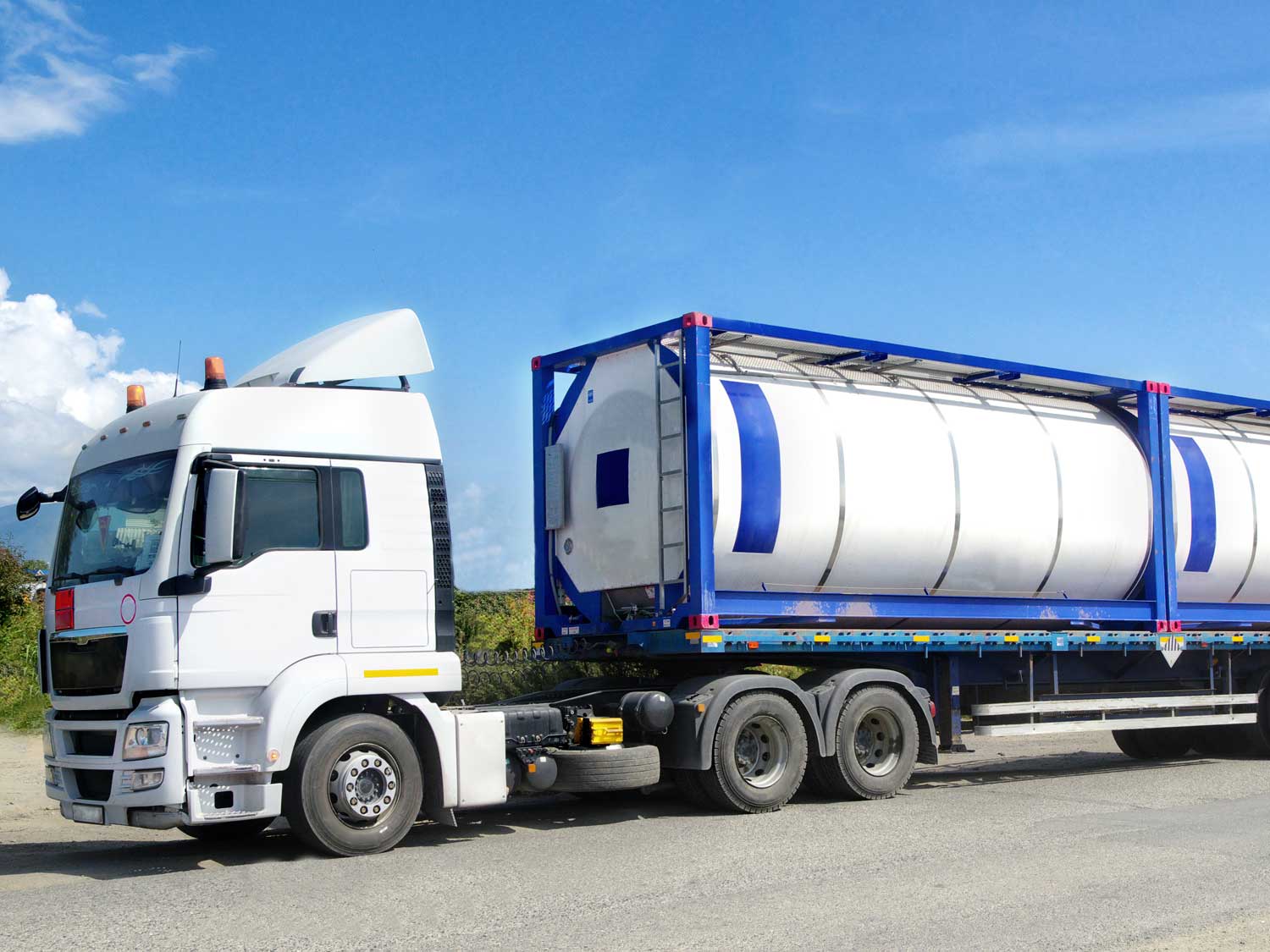

ISO tank

Industry press; government to tackle the HGV driver shortage in The UK

Calls to bring in the army to help ease the UK’s worsening driver shortage have been rebuffed by the Road Haulage Association (RHA), who are calling on the Government to tackle the problem, which is affecting the speed and cost of deliveries across the country.

The Federation of Wholesale Distributors (FWD) said the situation had become so extreme, with the driver shortage hitting more than 70,000, that the government should put army trucks on standby, to ensure there would be enough vehicles and drivers to distribute food.

The RHA said sensible short and long-term solutions were needed to tackle the driver shortage, working collectively towards a sustainable way to recruit and train a homegrown workforce so that the UK’s reliance on foreign labour lessens over time.

In the worst days of the pandemic drivers were seen as essential in keeping the deliveries going in the UK, but now the Government is ignoring an issue which many believe could see essential deliveries grind to a halt.

The pandemic and subsequent lockdowns across the UK resulted in the loss of months of driver training and the cancellation of 28,000 HGV driver tests, which has undermined efforts to grow the pool of 300,000 qualified lorry drivers in the UK, that is desperately needed, as a third of those drivers are over 55 and heading for retirement.

The driver shortage has quickly reached critical proportions in Britain this year, as we’ve lost something like 15,000 European drivers since around March and the government’s post-Brexit immigration polices prioritise high-skilled immigration, which makes it legally impossible to recruit foreign HGV drivers, as they are not deemed sufficiently skilled to be eligible for the skilled worker visa.

The RHAs 12-point plan for the government:

  1. Include HGV drivers on skilled worker occupation list
  2. Seasonal visa scheme for qualified HGV drivers
  3. Priority driving tests for HGV drivers
  4. Establish a ‘Return to HGV Driving’ scheme
  5. Better promotion of the job and the sector as a whole
  6. Apprenticeship funding gap for C+E drivers in England and Wales
  7. Apprenticeships for Class C drivers
  8. SME-focused HGV driver training scheme
  9. Independent HGV training loan scheme
  10. Other training schemes – DWP pilots/Road to Logistics
  11. Increase productivity of the road network
  12. Improve site productivity and the treatment of drivers at collection and delivery points

Road transport cannot be avoided, as part of the international movement of goods, with drivers critical for all collections, deliveries, container movements and UK domestic haulage.

We work with a number of selected long-term haulage partners across the UK, to give us access to the widest pool of equipment and driver resource. 

For further information on our road transport operations please contact Grant Liddell or Simon Balfe who leads our UK multimodal transport operations.

Parliament blur

June 2021; Post-Brexit trade update

Dover is seeking a judicial review of a Cabinet Office decision, while the Government offer financial aid to exporters, as food and drink exports to the EU fall by half and critics decry post-Brexit trade deals.

TRADE AGREEMENTS

The UK has agreed with Australia its first big post-Brexit trade deal, with tariffs cut on a range of goods and a significant transition period to abate the concerns of British farmers, which have warned of the "slow, withering death of family farms" in the UK.

Critics of the removal of tariffs and quotas also point out a deal with Australia would, according to the government's own estimate, increase the size of the British economy by only about 0.01 - 0.02%, over 15 years and is worth less than 5% of the UK’s pre-Brexit EU exports. 

Off the back of the Australian accord, the Government launched negotiations to join the Comprehensive and Progressive Agreement for Trans-Pacific Partnership (CPTPP) on Monday, which Boris Johnson said would “open up unparalleled opportunities”.

But figures released earlier this week by the Department for International Trade (DfT) forecast a modest boost to UK GDP of £1.8bn in 15 years time from the partnership, compared to the 4% long-term hit to GDP forecast by the government’s independent Office for Budget Responsibility as a result of Brexit.

Businesses have warned that the trade deals struck by the government have yielded little benefit so far, instead causing them to rejig operations and move production and distribution overseas.

TRADE WITH EUROPE

UK exports of food and drink to the EU dropped by almost half in the first three months of 2021 from a year earlier, in what trade groups claim was due to the impact of post-Brexit trade barriers.

Produce to the value of £1.7bn was exported to European countries in the first quarter of the year, down 46.6% from 2020, while the decline from 2019, when exports were unaffected by the pandemic, was even greater, a drop of 55.1%, or £2bn.

Companies are struggling with the costs, paperwork and delays resulting from new customs and veterinary checks, while smaller businesses have suffered from recent barriers to sending multiple shipments in a single load.

UK exporters, especially smaller businesses, have complained about extensive red tape and costs arising from trading with the EU after Brexit.

EXPORT FINANCE

The government’s export credit agency (UKEF), provided British businesses with the highest level of financial support in 30 years in the 12 months to the end of March, almost treble the amount from the previous financial year, to help exports to 77 countries.

The agency supports viable UK exports with loan guarantees, insurance and direct lending to help them win, fulfil and get paid for international business.

UKEF provided more than £7bn in support to companies disrupted by the pandemic, such as Rolls-Royce, Ford and British Airways, with a mixture of trade guarantees and insurance to encourage private sector lending and helped exporters facing Brexit risks, for example providing guarantees on a commercial loan after a carmaker committed operations to the UK.

Support through finance and guarantees was given to 549 companies, more than double the number helped over the previous two years.

Last year, UKEF launched a new scheme to encourage trade after Brexit and for small businesses to take advantage of new trade agreements.

Under this, exporters could apply for larger loans from the UK’s five high street banks backed by an 80% guarantee that can be used both to cover costs linked to exports and also to scale up business operations.

DOVER DISAGREEMENT

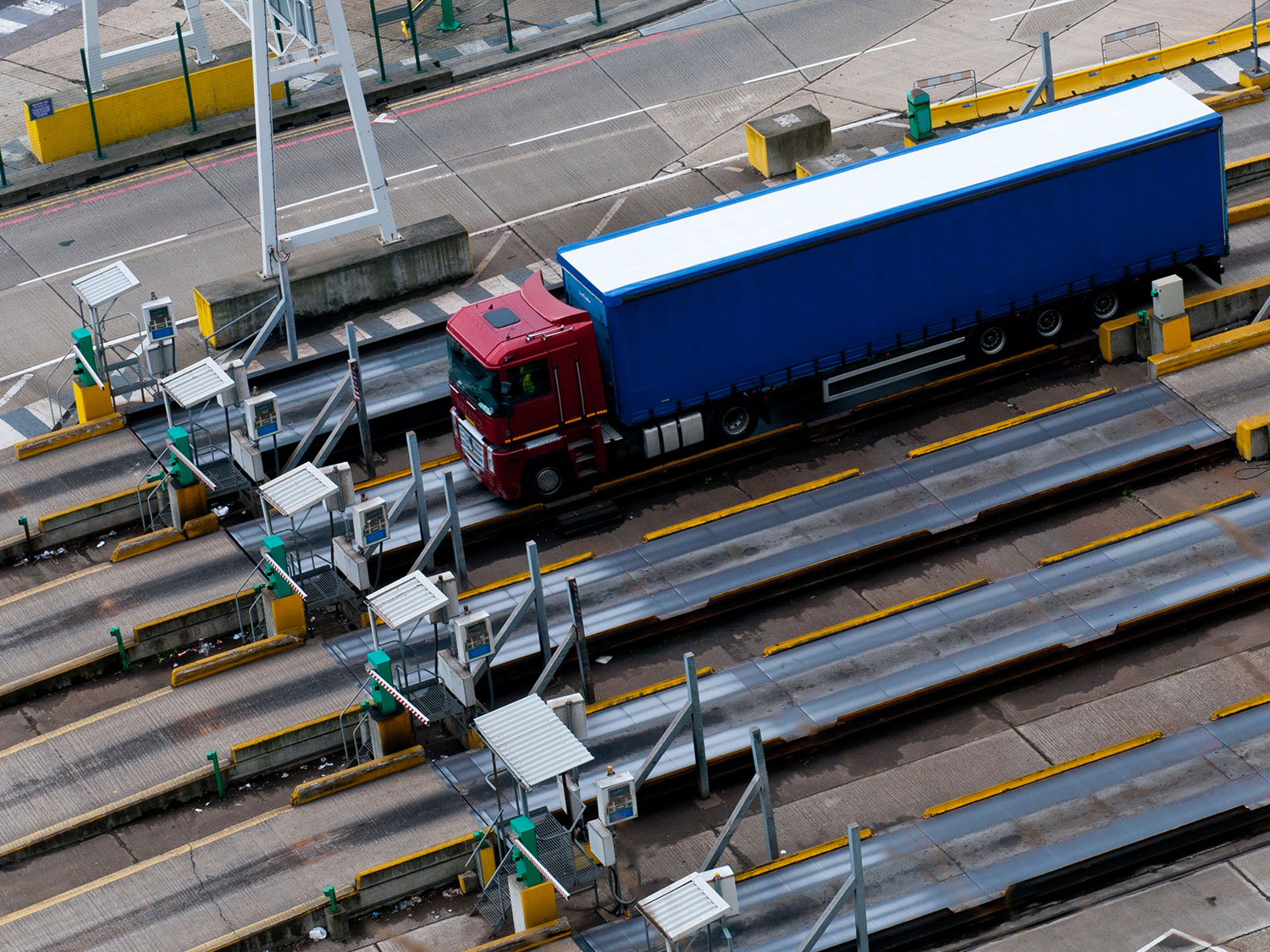
The Port of Dover is taking legal action to overturn an “irrational” government decision not to fund a £33.5m project to build more passport check points which it says are needed to cope with post-Brexit immigration controls.

The port, which handles more EU lorry freight than all other UK ports combined, is seeking a judicial review of a Cabinet Office decision last December not to grant funds for the project that would have doubled passport checking capacity.

The case raises the prospect of significant disruptions to cross-Channel trade when passenger numbers rise following the lifting of Covid-19 restrictions, with French border police informing the port that lorry drivers will face “100% immigration checks”.

Despite the UK consistently running a significant trade imbalance in imported goods, Metro has maintained an export-focus since our foundation 40 years ago, which reflects our geography and long-standing links with key manufacturers.

Over the past four decades Metro has gained essential knowledge and experience in managing export supply chains into many international markets, including retail, fashion, automotive, chemicals, industrial, and manufacturing. 

This export orientation combined with our technological leadership in post-Brexit customs automation means that we are well positioned to simplify customs compliance and trade with Europe.

Our CuDoS customs brokerage platform is optimised continuously, in line with the regimes in force on both sides of the Channel, automating and submitting customs declarations, for simple and compliant border processing in either direction. 

To review your export situation and achieve your trading objectives, please contact Elliot Carlile or Grant Liddell who can talk you through your current situation, address any issues that you may be facing and lay out options to achieve your export objectives.

BIFA add Metro to critical Brexit list

Brexit and pandemic challenged road freight supply chain with Europe

The twin impacts of Brexit and the pandemic had a negative effect on road freight in the first quarter of 2021, with freight tonnage and vehicle movements down significantly, marked by lack of capacity, driver shortages and other disruptions. January was the largest month-on-month drop in imports and exports since records began, which was ultimately driven by the Brexit deadline at the very end of 2020.

Freight levels were lower across all four quarters of 2020 when compared to 2019 due to the impact of the pandemic, although the gap reduced in the fourth quarter, but it then fell again significantly YoY in the first quarter of 2021.

Businesses efforts to stockpile ahead of the Brexit deadline in the fourth quarter of 2020, contributed to the quieter first quarter in 2021, which was weakened further by concerns about lorry vehicle movement of ro-ro traffic congestion after the end of the transition period.

Traffic remains at lower levels than expected pre-pandemic, though the fall in imports and exports in 2021 are consistent with the unwinding of inventories seen in January and February, that had been stock-piled at the end of last year.

Q1 2021

The first quarter of this year saw the effects of Brexit in full swing, with British exports to the EU falling by 40% year-on-year, according to the office for National Statistics (ONS), while imports from the Continent to the UK were nearly 29% lower, down massively from the final quarter of 2020 when ‘over’ stocking by UK importers and the early despatch of exports in 2019 to avoid customs protocols and anticipated delays, saw massive demand for European road freight.

New administrative requirements, customs at the border, restrictive COVID-19 rules and traffic jams at the border (though not to the levels publicised or anticipated) caused many hauliers to abandon services to and from the UK and lower transport availability translated into higher rates. Despite lower demand supply of overland transport shrank by an even greater amount.

Rates for transport into and out of Europe increased massively in Q1, with the doubling of some transport costs, because of the lack of trucks in the UK, as a result of resistance by transport companies to accept export freight from the UK. They preferred to run empty back to the continent, to avoid customs delays in Europe gateways, despite demand (albeit low) outstripping supply of vehicles.

The market began to normalise in March and movements increased nearer to ‘normal’ levels but still with increased costs year on year for transport.

Courtesy of Transporeon

Q2 2021

By Q2, customs protocols and processes stabilised at EU/UK borders (with the exception of Northern Ireland) with cargo moving seamlessly, but with transport costs now settled significantly higher than 2019, around 25% on most popular routes.

In addition costs increased due to need for customs clearances adding an average of £100  to a movement for both the export and import customs entry and related processes into and out of Europe.

Lack of drivers in the UK estimated to be between 50-100k due to the mass departure of EU lorry drivers from the UK (estimated to be around 35% of the UK driver labour pool) due to Brexit and the pandemic. This in itself created a lack of supply and price inflation, due to simple supply versus demand dynamics.

European road freight spot prices jumped by more than 8% in May to a three-year high as available capacity plummeted to a three-year low, while the Eurotunnel’s Le Shuttle Freight transported 112,772 trucks, an increase of 25% compared to May 2020. (Traffic for the five months from January to May 2021 was down 5% on 2020). In reality when short supply and demand was decreased the impact on overland transport costs was significantly higher, and remains so, against this statistic.

Metro supply market leading customs solutions through our bespoke in-house CuDoS platform and within the organisation we offer time critical and reliable established services throughout Europe. 

For further information or any questions on the continually developing customs and transport needs with the BLOC please contact Chris Carlile or Grant Liddell to arrange an appointment and discuss the future trends and solutions that Metro offer.