Rees Mogg

Brexit is causing ‘no trade issues’, despite evidence to the contrary

Jacob Rees-Mogg, the newly appointed Brexit secretary, says current supply chain disruptions are caused by the pandemic and not Brexit, despite disagreement from trade bodies, importers and exporters. 

Mr Rees-Mogg has sparked controversy, after claiming that evidence shows Brexit-related impacts on trade drops were “few and far between”.

The Brexit secretary’s comments came a week after a report by the Public Accounts Committee found that since the end of the transition period on 31st December 2020, UK trade volumes have been suppressed by the fallout created by COVID-19, “but it is clear that EU exit has had an impact, and that new border arrangements have added costs to business.”

Dame Meg Hillier MP, Chair of the Public Accounts Committee, said. “One of the great promises of Brexit was freeing British businesses to give them the headroom to maximise their productivity and contribution to the economy…yet the only detectable impact so far is increased costs, paperwork and border delays.”

The latest Office for National Statistics (ONS) figures showed UK exports of goods to the EU have fallen by a record £20bn compared to the last stable period of trading with Europe in 2018, which is a 20% fall. That’s traumatic however you lay the blame and is a fact.

The ONS also found that Brexit failed to encourage trade with non-EU countries, as originally promised in the build-up to the referendum, with total annual imports 4.8% lower than in 2018 and total exports 10.5% lower than in 2018.

Mr Rees-Mogg, who was appointed Brexit minister earlier this month, insisted that Covid – not post-Brexit border arrangements – were causing “the most enormous disruptions to supply chains”.

He told the BBC: “We've had containers simply being stuck in the wrong place, being stuck in Chinese ports, being stuck in the port of Los Angeles. This has been a global trade issue – and we do have to recover from the problems of Covid."

“Brexit has been extremely beneficial for the country,” he claimed, but a British Chambers of Commerce (BCC) survey of 1,000 businesses found 71% of exporters said EU trade deals were not enabling them to grow or increase sales and only 8% of businesses felt Brexit had allowed their businesses to grow.

The survey also asked companies to comment on specific advantages or disadvantages of the trade deal – just 59 firms identified advantages of post-Brexit trade agreements, while 320 registered disadvantages, including rising costs, additional bureaucracy and complexities.

Metro are at the forefront of delivering EU customs brokerage solutions, with our automated CuDoS declaration platform and a dedicated team of 40 customs experts.

Now available to new customers, our CuDoS customs brokerage platform is optimised continuously, in line with the regimes in force on both sides of the Channel.

Automating and submitting customs declarations and associated paperwork, CuDoS simplifies compliant border processing, in either direction. 

To discuss your situation and to learn how we automate customs declarations for businesses of all sizes, please contact Elliot Carlile to talk through the options.
Lorry park

Post-Brexit changes and demand driving up customs brokerage costs

New post-Brexit customs rules mean extra processes around declaring goods, which is increasing demand for scarce brokerage resources and pushing up the price of imports to the UK.

Despite the UK government investing over £700 million in border infrastructure and additional technology to monitor trade, importers are facing billions of pounds worth of additional costs after the Brexit transition period ended in January, with an additional 400 million annual import and export customs declarations, since leaving the customs union and single market.

The Public Accounts Committee says it is clear that EU exit and new border arrangements have increased costs, paperwork and border delays for UK importers.

In the run up to Brexit and the eventual ending of the transition period Metro invested significantly in system development, of our automated ‘CuDoS’ (Customs Documentation Services) customs solution and the building of a dedicated Brokerage team, that has supported our customers, in adjusting to the new European trading relationship.

In 2021 our brokerage team achieved significant milestones including:
  • 74% of workflow automated
  • 20,000 export declarations
  • 8,000 Transit accompanying documents
  • 26,000 import declarations
  • 99% analog to digital accuracy
  • 8 minutes = record declaration turnaround
  • 85% of clearances turned around in under 2 hours

Systems and CuDoS development continued through 2021, in readiness for the post-Brexit requirements that came into effect from 1st January 2022, with continuing research and development for the new HMRC operating system, CDS, which is now due to arrive in the 3rd quarter of this year for imports and March 2023 for exports.

Despite our groundwork and preparation for the significant changes on the 1st January, the demand for support from existing and new customers far exceeded all our expectations and workforce cost increases are outstripping inflation due to the salary increases that are necessary to retain skilled staff in a very competitive market. 

In addition to significant salary increases, we have also invested in our brokerage capability, by further increasing the size of our dedicated team, to meet current demand and support customers’ ongoing growth.

The launch of the GVMS service by HMRC has resulted in a significant surge in communication requests with the brokerage department, to support clients’ hauliers and has been a recognisable additional drain on the operational team.

While our team’s workload and process requirements have become increasingly more complex and time-consuming during 2021, we made every effort to maintain pricing stability for our customers, with any increases imposed at the end of the validity period,  reflective of the situation outlined above.

Metro continue to monitor and manage the post-Brexit situation as it develops and evolves, investing in our team and technology, to safeguard our customers and their European supply chains. We are cutting-edge with our solutions and reliability in the market.

Our tailored customs brokerage programmes are optimised and automated by our CuDoS platform, to offer productivity and scale economies.

We access the largest European haulage networks, including within our own group of companies, to provide agile and creative transport options into, out of and within Europe. 

For further information please contact Elliot Carlile to organise a full review and discussion relating to any issues that you may be facing.

Dover queue 2

Fears grow over new post-Brexit border checks

Post-Brexit border checks have been introduced in stages since last January and the latest, which come into force in July, may cost UK companies millions of pounds, as widely reported in the national press.

Full checks and controls on imports of live animals and food at the GB border - which had originally been due to come into force on 1st January 2021 - had been postponed, to give UK importers more time to prepare, despite the EU having implemented checks on British exports immediately after ‘Brexit’ began on 1st January 2021.

The British Meat Processors Association (BMPA) said paperwork required for live animals or animal products – added to existing border red tape – would result in extra costs of £120m and “British consumers will be picking up the bill”.

In its latest report parliament's spending watchdog, the Public Accounts Committee (PAC), said the only detectable impact of Brexit so far is increased costs, paperwork and border delays and that it was "clear that EU exit has had an impact" on UK trade volumes.

The report says there is potential for further disruption during the course of this year as more people start travelling again, and passenger volumes at key ports like Dover increase.

New border systems have yet to be tested with traffic back at what were normal levels, before the pandemic struck. This includes cargo and people travelling, which is a diversion from pure freight protocol and integrity.

Until now UK importers have been in an extended grace period, but in July, certification and physical checks will be introduced for all animal and meat by-products, and physical checks on live animals will take place at designated border control posts.

BMPA warned the additional paperwork caused may cause a permanent 20% loss of trade with the EU due to costs. “European exporters will become less inclined to keep supplying to the UK,” it said.

Allen explained: “After a year of dealing with the new post-Brexit customs and certification system, our members are reporting a huge rise in cost, which either has to be absorbed or passed on to their EU customers, rendering British exporters less competitive.”

This could have a significant impact on British consumers’ “cost of living woes,” as over a quarter of all food in Britain comes from the EU. This has been widely commented on recently, with food inflation starting to impact at every level.

The BPMA believe the government could solve the problem by entering into a veterinary agreement with the EU which would negate the need for most of the current bureaucracy and physical border checks and give British exporters a fighting chance to regain the trade they’ve lost, or may lose in the future, if action is not taken to avoid the fallout.

Figures from the Office for National Statistics show the cost of produce from retailers reached 4.5% year-on-year in December, which is the highest rise in nearly 10 years. And it is continuing to spike further in 2022.

We are seeing our own inflation, with additional administration and increased resource needed to complete brokerage processes - and further requirements - to ensure that our customers’ cargo continues to flow across UK/EU in both directions. 

Metro are continuously launching initiatives, digital and physical, to reduce costs and protect against negative market effects, whenever significant changes impact European supply chains.

Metro are at the forefront of delivering EU customs brokerage solutions, with our automated CuDoS declaration platform and a dedicated team of 40 customs experts.

Now available to new customers, our CuDoS customs brokerage platform is optimised continuously, in line with the regimes in force on both sides of the Channel.

Automating and submitting customs declarations and associated paperwork, CuDoS simplifies compliant border processing, in either direction. 

To discuss your situation and to learn how we automate customs declarations for businesses of all sizes, please contact Elliot Carlile to talk through the options. 
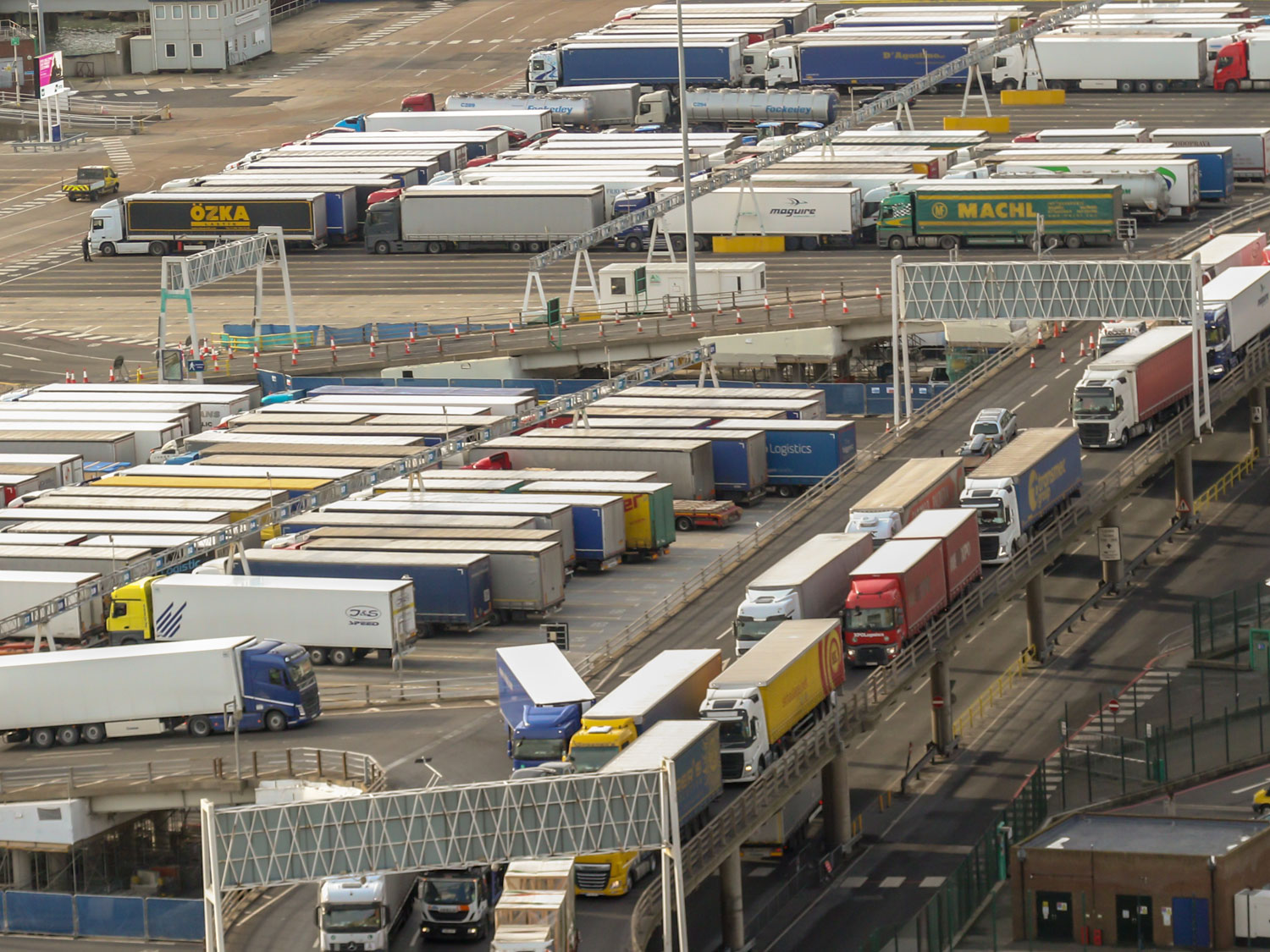
This is another area of expertise within the logistics environment that we have led from the front since the announcement of the UK leaving the EU and continue to pride ourselves in delivering real solutions to all customers every day.

Dover queues

Ports under post-Brexit pressure

The 1st January 2022 changes to UK border policies, with the imposition of customs declaration for imports from the EU, got off to the rockiest of starts when the new supporting IT system, the Goods Vehicle Movement Service (GVMS), crashed on day one, with trucks stuck at Calais for four days.

While HMRC were quick to restore the crashed GVMS system, the pressure on EU/UK supply chains is likely to intensify as volumes rise after the Christmas lull, with additional delays tied to Goods Movement Reference (GMR) production, which is required before trucks can enter the loading port. Truck drivers have reported queues of up to eight hours trying to get through customs controls at the French port of Calais.

We are uncertain why other forwarders’ GMRs are not being produced in a timely manner and not always correct, as we do not see the new regulations as too arduous. The process is the same, it’s mainly just the time frame which has changed.

Make UK, the industry body representing 20,000 manufacturing firms, said that while optimism among its members had grown, it was being undermined by the after-effects of the UK’s departure from the EU.

One year on from the end of the transition period and the majority of firms in a Make UK/PwC senior executive survey said Brexit had moderately or significantly hampered their business, with over half warning they were likely to suffer further damage this year from customs delays, new red tape and changes to product labelling.

Brexit disruption remains among the biggest concerns facing industry bosses for the year ahead as Britain’s departure from the EU complicates the fallout from COVID-19 and the multitude of rising costs facing companies.

Delays at customs, the additional costs from meeting separate regulatory regimes in the UK and the EU, and reduced access to migrant workers were among top concerns raised in the survey, while on a more positive note three-quarters of companies expected conditions in manufacturing to improve over the coming year.

According to analysis by the Centre for Economics and Business Research, business optimism and output growth fell in December as firms grappled with the fallout from the latest wave of COVID infections.

However, most companies said they believed business conditions would improve, with about 73% believing that opportunities outweighed the risks, while in a separate survey of chief financial officers, a record 37% were planning on increasing capital investment in the next year, on new products, services, or markets.

Metro are at the forefront of delivering unique customs brokerage solutions, designed and developed in-house, with automation and a global team of more than 40 people dedicated to the platform. We can ensure that products move from A to B to Z seamlessly under the correct protocol and with complete visibility.

We believe that importers should have no fear of customs delays, or new red tape hampering their supply chain operations.

Our CuDoS customs brokerage platform automates and submits customs declarations, simplifying compliant UK/EU border processing and safeguarding our customersEuropean supply chains.

We have a dedicated team of customs experts who support our customers through easement and regime changes and ensure that their EU/UK movements flow smoothly across the border, in full compliance with all controls.

To discuss your situation and to learn how we automate customs declarations for businesses of all sizes, please contact Elliot Carlile or Andy Fitchett who can talk you through the options. 

We currently have capacity within our brokerage business unit due to further huge investment in 2021, in personnel and our CuDoS platform, which positions us at the forefront of the market. We can deal with any challenges and encourage all new enquiries relating to customs requirements during the current period.