survey

Customer feedback highlights strong service performance

Customer feedback from the last bulletin’s survey confirms Metro’s position as a trusted and increasingly strategic logistics partner, with strong scores across relationship quality, accessibility and overall service delivery.

The ability to reach the right people quickly continues to stand out, with 86% of customers rating this as good or excellent and a weighted score of 4.0 out of 5. This reflects the importance Metro places on responsiveness and direct access to experienced teams, particularly in fast-moving or disrupted conditions.

Customers are clear in how they view the relationship. 71% describe Metro as a strategic logistics partner, with no respondents positioning the business as purely transactional. 

This is supported by consistently positive scores across capability and understanding. 

Customers report a strong grasp of Metro’s service offering, confidence in handling complex shipments, and recognition that value extends beyond simply moving freight, with all key measures scoring above 3.2 out of 5.

Solid operational performance in a challenging market

Operational delivery remains resilient despite ongoing global disruption. Feedback shows that 86% rate delivery as good, with a balanced spread reflecting the realities of a complex operating environment and a weighted score of 3.0 out of 5.

Communication throughout the shipment lifecycle is also performing well overall, with 57% rating it as good or excellent (weighted 3.14 out of 5). This is particularly notable given the continued impact of external events, including Middle East disruption, which is affecting routing, lead times and planning across supply chains. 

Issue resolution is viewed as steady and dependable, with the majority of responses falling within neutral to positive territory and a weighted score of 3.29 out of 5, reflecting consistent support even in complex scenarios.

Confidence remains high as customers look ahead

Customer confidence in Metro remains strong. The overall recommendation score sits at 4.14 out of 5, with 67% of customers likely to recommend Metro to colleagues or industry peers. 

Looking ahead, most customers expect freight volumes to remain stable or increase slightly over the next 12 months, reinforcing the need for reliable and adaptable logistics support.

Feedback also highlights the ongoing impact of Middle East disruption, particularly on ocean freight and inventory planning, while air freight is seen as less directly affected. 

Continuous improvement shaped by customer insight

Alongside these positive results, customers have identified clear opportunities to enhance service further. The focus is on improving visibility, increasing the speed of information flow and continuing to refine operational execution.

Metro is actively using this feedback to guide service development, ensuring improvements are aligned with real customer priorities and evolving market conditions.

Have your say

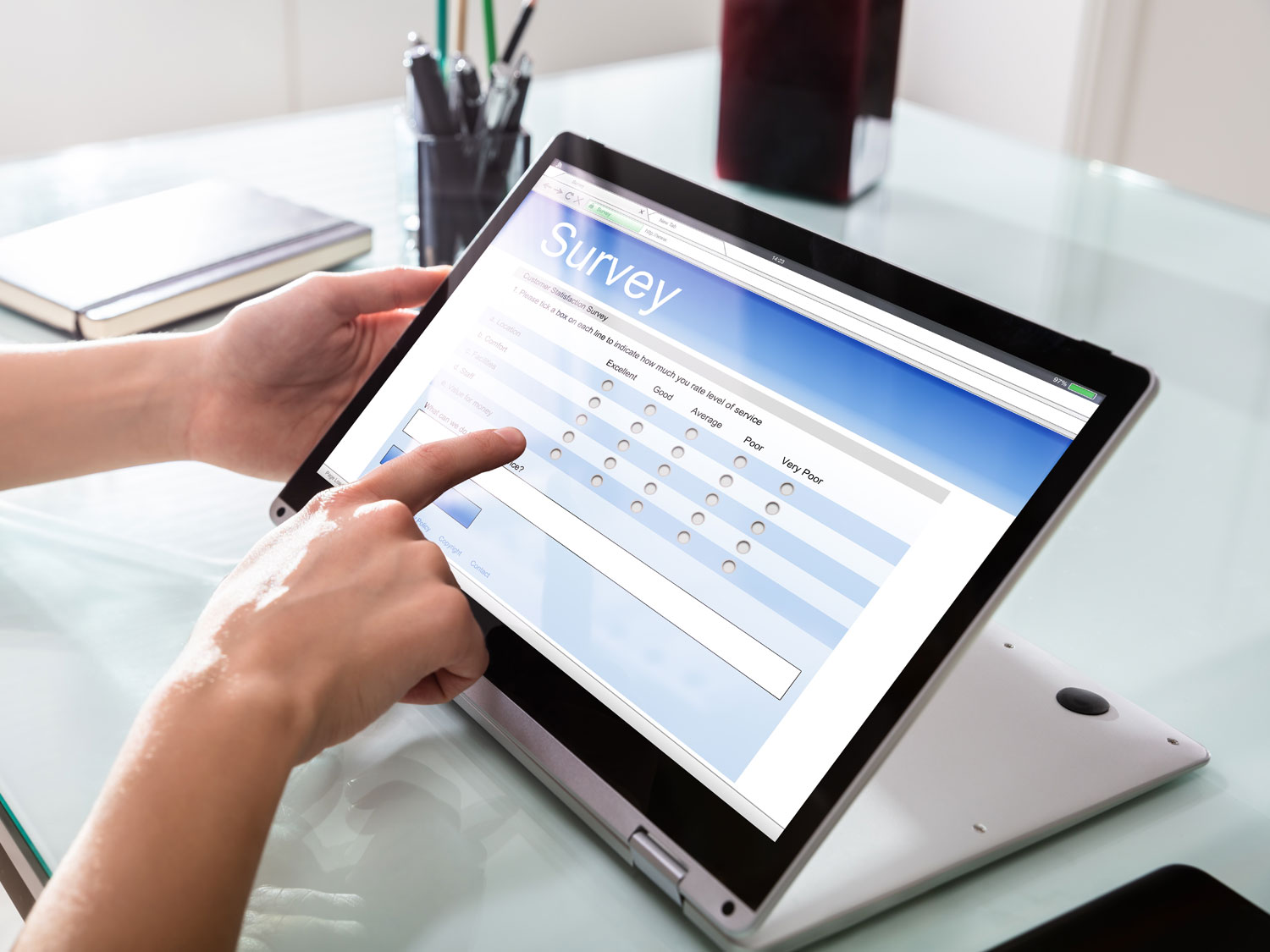
If you have not yet taken part in the Metro customer survey, we would encourage you to do so.

Your feedback helps shape how we invest, improve and support your supply chain. 

Take a few minutes to share your views and be part of the next phase of service development.

.
US tariffs

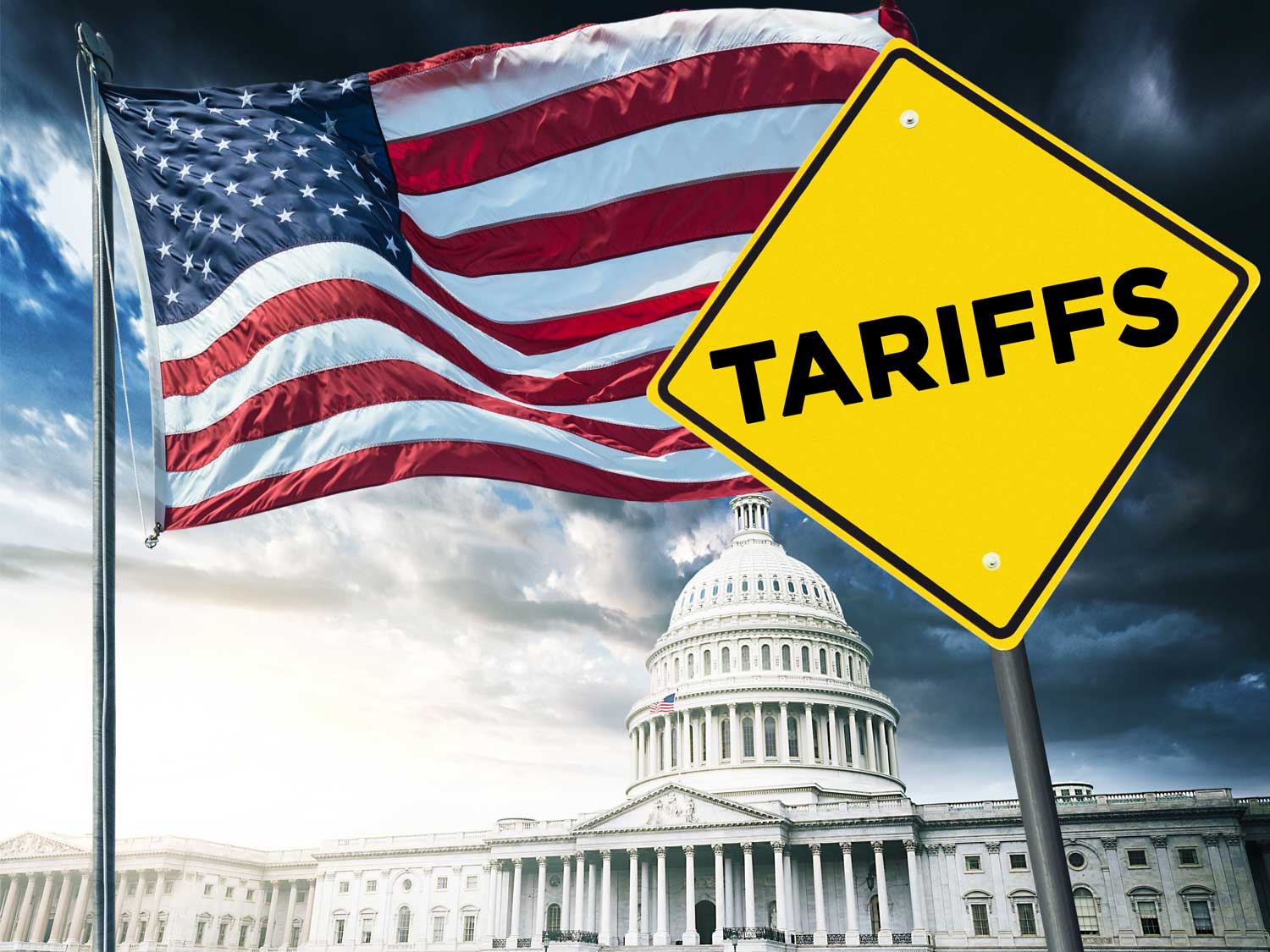
US tariff refund process opens

The long-anticipated process to recover US tariffs imposed under the International Emergency Economic Powers Act (IEEPA) has now begun, with U.S. Customs and Border Protection (CBP) launching its new refund system.

The introduction of the Consolidated Administration and Processing of Entries (CAPE) platform on 20 April 2026 marks a critical milestone. Businesses can now begin submitting claims for duties paid during the affected period, with the first submission deadlines from 4 May 2026.

However, while access to refunds is now available, the window to act is narrow and the process itself is far from straightforward.

For UK businesses trading with the United States, and particularly those operating under Delivered Duty Paid (DDP) terms, this represents a significant financial opportunity and a complex compliance exercise.

CAPE system introduces structured but time-sensitive process

The CAPE system, accessed via the ACE portal, is the exclusive route for submitting refund claims. Only the Importer of Record or an authorised customs broker can file, using a structured declaration format that requires detailed historical entry data.

Phase 1 of the programme is now active, covering unliquidated entries and those recently finalised. This initial phase is expected to account for a significant proportion of eligible claims, but strict timelines mean businesses must act quickly to avoid missing eligibility windows.

Once claims are accepted, refunds including interest are expected within 60 to 90 days, although actual timelines will depend on the quality and completeness of submissions.

A large-scale reconciliation exercise, not a simple refund

Despite the introduction of automated systems, the process is best understood as a full customs reconciliation programme rather than a standard reimbursement.

Each claim must be validated against historical entry data, including confirmation of importer-of-record status, tariff classifications, and whether entries have been liquidated, adjusted or previously disputed.

Given the scale, with tens of millions of entries under review, submission, validation and payment will take place in phases, and delays are likely where data is incomplete or inconsistent.

For entries outside the initial phase, businesses may need to pursue alternative routes such as formal protests, typically within 180 days of liquidation, adding further complexity.

The opportunity to recover duties is not limited to US-based importers. Many UK and international exporters may also be eligible where they acted as importer of record under DDP terms.

In these cases, businesses must demonstrate full control and responsibility for the original customs entries, making data accuracy and documentation critical to a successful claim.

Early action will determine success

With submission windows already open and deadlines in force, the focus now shifts to preparation.

Businesses should prioritise identifying affected shipments, confirming importer-of-record status, verifying tariff classifications, checking liquidation timelines and consolidating supporting documentation.

Those that act early and submit accurate, well-prepared claims will be best placed to move through the process efficiently and secure full recovery.

Metro supports importers and exporters in identifying eligible entries, preparing compliant submissions and managing claims through to reimbursement. If your business has exposure to US tariffs, EMAIL our Head of Customs & Compliance, Andy Fitchett, today to assess your position and secure the recovery you are entitled to.

Andrew White

Celebrating 45 years of service: Andrew White retires from Metro

After an extraordinary 45-year career, Metro bids farewell to one of its most influential and long-serving colleagues, Andrew White, as he retires from the business he joined in the early 1980s.

Andrew’s journey is a rare one. Joining as employee number eight, he has spent his entire career at Metro, progressing from apprentice to Operations Director. Over that time, both the business and the wider industry have transformed dramatically. From the early days of carbon copies, telex tape, fax machines and manual documentation to today’s digital, paperless, data-driven supply chains.

Since Andrew joined in 1982, global trade has weathered events such as the end of the Cold War, the rise of China as a manufacturing powerhouse, the financial crisis, Brexit and the Covid-19 pandemic. Through it all, Andrew has been a constant calming presence at Metro, helping guide the business through each challenge and change.

His contribution to Metro’s development has been significant and far-reaching. Andrew played a central role in designing, implementing and continually evolving the company’s operational platforms. Systems that remain fundamental to how Metro operates today. He also led a number of key transformation projects, including major systems rollouts that helped modernise the business and support its growth into new markets and regions.

Beyond systems and infrastructure, Andrew’s impact is perhaps most strongly felt through people. Over four decades, he has mentored and coached countless colleagues, sharing knowledge, shaping careers and helping build the culture that defines Metro today. Many of the processes, standards and ways of working embedded across the business can be traced back to his influence.

Andrew’s career has also been global in scope. He has travelled extensively, supporting the development of Metro’s international footprint and playing a key role in establishing overseas hubs and operational platforms. His work has helped position Metro as a connected, forward-looking logistics provider with the capability to operate across multiple regions and markets.

For those who have worked alongside him, Andrew has been more than a colleague. He has been a trusted advisor, a steady hand during periods of change and a consistent advocate for doing things the right way. His long-standing presence has provided continuity through decades of growth and transformation.

His retirement marks the end of an era, but also an opportunity to reflect on a remarkable career defined by commitment, innovation and loyalty to the business.

As CEO Grant Liddell reflects:

“It is with a mixture of joy and sadness that we mark Andrew’s retirement after 45 years with the business. From joining as an apprentice to becoming Operations Director, Andrew has contributed massively to Metro’s success over five decades. He has been a valued and ever-present member of the Metro family, and his legacy will live on through everything he has helped build. We wish him all the very best in his retirement and look forward to staying in touch with a much-valued colleague and friend.”

Bunkering

Fuel disruption drives ocean bunker volatility

Fuel markets have become a central pressure point for global logistics, with the Middle East crisis disrupting supply, driving sharp price volatility and forcing operational changes across ocean freight networks. 

While availability remains manageable in the short term, underlying conditions point to a tightening market with wider implications across all transport modes.

Export volumes of crude and refined products exiting the Strait of Hormuz have fallen to less than 10% of pre-war levels, forcing fuel suppliers across the region to reduce or shut down production.

In the short term, bunker availability in major Asian hubs such as Singapore and China remains stable and is expected to hold into April. However, this is being supported by inventory already in the supply chain, with limited replenishment currently reaching the market.

This creates a fragile balance. If disruption continues, tightening supply conditions are likely to spread beyond Asia into Europe and other regions.

Bunker prices surge, with regional imbalance emerging

Fuel prices have risen sharply since late February, reflecting both supply disruption and market uncertainty. While prices have eased slightly in recent days, they remain significantly elevated.

Singapore (24 March):

  • VLSFO up 71% since late February
  • MGO up 151%
  • HSFO peaked up 146%, before easing back

Rotterdam (24 March):

  • VLSFO up 54%
  • MGO almost double pre-conflict levels
  • HSFO up 63%

This divergence highlights tightening supply conditions in Asia compared with relatively better availability in Europe. The spread between bunkering hubs is widening, influencing where carriers refuel and how networks are structured.

Fuel costs drive rate pressure across key trade lanes

Rising oil prices are now feeding directly into ocean freight pricing. On the transpacific, rates have increased by around 12%–14% week-on-week, driven primarily by fuel cost escalation rather than demand strength.

Across other major trades, the impact vs pre-war levels is also visible:

  • Asia–North Europe rates up 41%
  • Asia–Mediterranean rates up 34%

At the same time, carriers are introducing additional fuel cost recovery mechanisms. Bunker fuel can account for up to 30% of operating costs, and the speed of recent increases has outpaced traditional quarterly bunker adjustment factors (BAFs).

To bridge this gap, carriers have implemented emergency fuel surcharges. However, even with these measures, analysts suggest that freight rates would need to rise by around 15% to fully offset current fuel cost increases.

Operational impact extends across global logistics networks

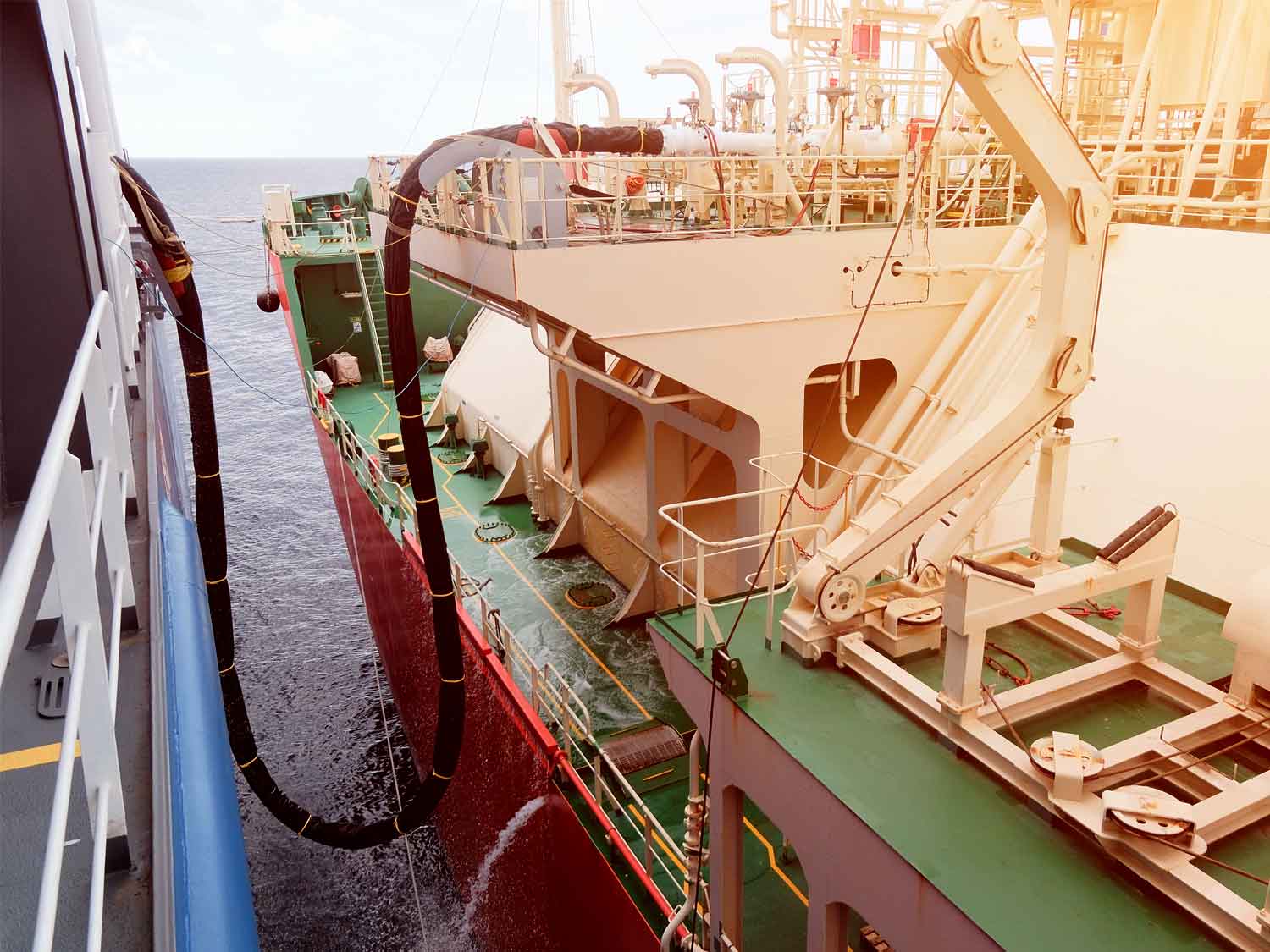
Fuel disruption is also influencing how logistics networks operate. Ocean carriers are adjusting sailing speeds, refuelling strategies and service deployment to manage both cost and availability.

Where bunker supply is uncertain, vessels are taking fuel in alternative regions and redistributing it across networks. In more constrained scenarios, service reductions or blank sailings become a risk if fuel cannot be sourced reliably.

The impact is not limited to ocean freight. Aviation networks are also exposed, as jet fuel availability at destination airports becomes a critical factor in maintaining flight schedules. Reduced access to fuel can limit route viability and constrain capacity.

Overland transport is similarly affected. Rising fuel costs are feeding directly into road freight pricing, while any tightening in diesel supply could create further disruption. In the UK, petrol availability remains stable, but diesel is more exposed to global supply shocks, with potential shortages emerging within weeks if disruption persists.

Staying ahead of fuel-driven disruption

Metro monitors bunker supply conditions independently and works closely with carrier partners, to avoid disruption and guide routing decisions before constraints impact your shipments. This early intervention secures space on viable services and routings, while avoiding high-risk bunkering points.

By combining market intelligence with practical execution, Metro helps you stay ahead of fuel-driven disruption rather than reacting to it.

To review your current exposure and options, EMAIL Andrew Smith, Managing Director.